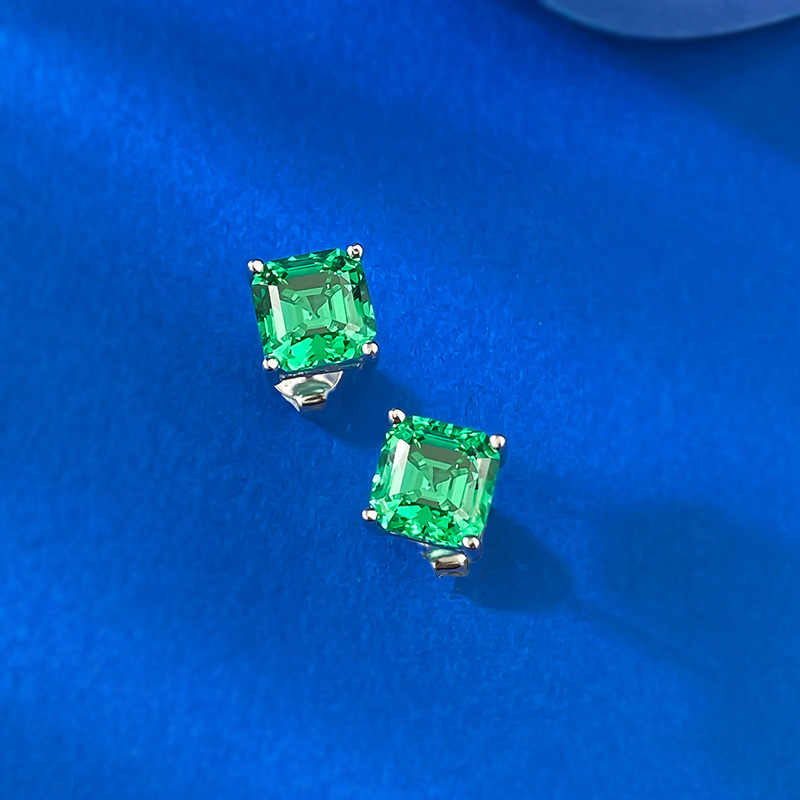
Diamond Huggie Earrings Cleaning Safe: Best Care Methods
Diamond Huggie Earrings cleaning safe care matters more than many people expect. A strong cleaner can dull metal, loosen tiny pavé stones, or leave residue inside the hinge. Diamonds are durable, but the setting, clasp, and finish still need gentle handling.
Huggies are made for close, comfortable wear. That same snug fit means they collect skin oils, lotion, sunscreen, shampoo, and makeup faster than earrings worn only on special occasions. If you wear yours often, a simple routine keeps them bright and secure.
Here’s a practical look at the safest home method, when a jeweler is the better choice, and which earring styles are easiest to maintain. It also covers why ultrasonic machines and commercial cleaners need caution.
Diamond Huggie Earrings Cleaning Safe Basics
Diamond Huggie Earrings cleaning safe care starts with the whole earring, not just the diamond. GIA notes that diamond ranks 10 on the Mohs hardness scale, which means it resists scratching better than any other natural gem. Even so, a diamond can sit in a delicate prong, shared-prong row, or pavé setting that needs careful handling.
A huggie also has moving parts. The hinge, post, and snap closure can trap residue. If buildup dries inside the clasp, the earring may feel stiff or fail to close with the same clean click.
Other earring styles have different cleaning needs. Diamond studs usually have fewer parts, though oils build up behind the stone. Smooth hoop earrings are easy to wipe, while diamond hoops and pavé huggies need more attention. Drop earrings and dangle earrings can include chains, joints, pearls, or colored gems, so they often need special care.
What makes Diamond Huggie Earrings cleaning safe? Use mild products, avoid force, dry the hinge fully, and inspect the setting before and after cleaning.
Why Huggies Need Extra Care
Huggie earrings sit close to the lobe. That makes them comfortable and secure, but it also exposes them to sweat, skincare, hair products, and everyday debris. Even a thin film can reduce sparkle because diamonds need clean surfaces to return light well.
The hinge is the main trouble spot. Soap can dry there. Lotion can settle there. A soft brush helps, but hard scrubbing or twisting the post can damage the closure.
Customers who wear huggies daily often notice less sparkle after 7 to 14 days, especially if they use sunscreen, moisturizer, or hairspray. A weekly rinse and brush usually restores the shine before grime becomes stubborn.
What We Compared
We reviewed each diamond huggie earrings cleaning safe method using practical criteria:
- Diamond safety
- Metal safety for 14k gold, 18k gold, platinum, and rhodium-plated white gold
- Protection for prongs, pavé beads, and hinges
- Ease of use at home
- Cost and time
- Cleaning power around stones and clasps
- Risk of scratches, loose stones, or residue
The safest choice for most diamond-only huggies is warm water, mild dish soap, a soft brush, and careful drying. Professional cleaning is best for deeper buildup, loose-stone checks, and worn hinges. Ultrasonic cleaning can work in some cases, but only after a jeweler confirms the settings are secure.
Best At-Home Method for Diamond Huggies
For routine diamond huggie earrings cleaning safe care, start with the mildest useful method. Warm water and a few drops of gentle dish soap remove oils without harsh chemicals. A soft baby toothbrush or jewelry brush reaches under diamonds and around the clasp.
This method also works well for many stud earrings, diamond studs, and simple hoop earrings. With huggies, spend extra time on the inner curve and hinge. Those areas collect the most buildup.
Lab-grown diamond huggies need the same care as mined diamond huggies. Lab-grown diamonds have the same chemical and optical properties as mined diamonds, and IGI and GIA both grade lab-grown diamonds using recognized standards. If you’re comparing diamond quality before choosing earrings, you can shop lab-grown diamonds at StoneBridge Jewelry.
Supplies You Need
A safe home setup is simple:
- Small bowl
- Warm water, not hot water
- Mild dish soap
- Soft baby toothbrush or jewelry brush
- Lint-free microfiber cloth
- Second bowl of clean water for rinsing
- Optional mesh tray or strainer
Don’t rinse earrings over an open sink. A dropped huggie can bounce, and a tiny pavé diamond is easy to lose. Use a bowl so you stay in control.
Step-by-Step Cleaning Routine
Use this diamond huggie earrings cleaning safe routine for diamond-only earrings:
- Inspect the earrings under good light. Look for loose stones, bent posts, weak hinges, or a clasp that doesn’t snap shut.
- Mix warm water with a few drops of mild dish soap.
- Soak the earrings for 10 to 15 minutes.
- Brush gently under the diamonds, along the inner curve, and around the hinge.
- Rinse in a clean bowl of water.
- Pat dry with a lint-free cloth.
- Let the hinge air-dry before storing.
- Check the clasp again before wearing.
If a diamond moves, stop cleaning and don’t wear the earrings. A jeweler should inspect them before the next wear.
Pros and Cons of Home Cleaning
Home cleaning is low cost, quick, and easy to repeat. It works well for everyday oils and light residue. For most diamond huggies, it keeps sparkle fresh between professional checks.
The limits are structural. Soap and a brush won’t tighten a prong, fix a hinge, or remove every bit of grime from a deep pavé setting. Home cleaning can also create false confidence if a stone was already loose.
Avoid toothpaste, baking soda paste, bleach, acetone, boiling water, scouring pads, and stiff brushes. Toothpaste and baking soda can scratch metal. Chlorine can weaken some gold alloys over repeated exposure, especially if jewelry is worn in pools often.
Professional Cleaning and Inspection
Professional service is the safer choice when your earrings have heavy buildup, pavé diamonds, worn clasps, or visible damage. A jeweler can inspect the parts you can’t see well at home. For huggies, that matters because the hinge and closure protect against loss.
Many jewelers recommend inspection once or twice a year for fine jewelry worn often. That schedule is practical for diamond huggies, diamond studs, hoop earrings, and other pieces with small settings. If you wear your huggies every day, two checks per year is a smart habit.
Professional cleaning also helps before gifting, travel, appraisals, or insurance updates. Clean earrings are easier to inspect, and small issues can be caught before they become repairs.
What a Jeweler Checks
A professional diamond huggie earrings cleaning safe appointment may include:
- Prong and pavé bead security
- Diamond alignment
- Hinge tension
- Clasp snap strength
- Bent posts or worn metal
- Rhodium wear on white gold
- Scratches, dents, and impact marks
- Signs of thinning near the closure
Jewelers may use magnification, steam, ultrasonic equipment, polishing tools, or tightening tools. These are useful in trained hands. They aren’t always safe for unsupervised home use.
Pros and Cons of Professional Care
Professional cleaning gives deeper results than most home routines. It also adds an expert inspection, which is the real value. Sparkle is nice, but security matters more.
The tradeoff is convenience. You may need a store visit, shipping, or a service fee. Repairs can also add time if the jeweler finds a loose stone or worn hinge.
For high-value huggies, full pavé designs, or heirloom earrings, professional care is worth it. Pair it with gentle home cleaning, and you’ll cover both shine and safety.
Diamond Huggie Earrings Cleaning Safe Methods Compared
Diamond huggie earrings cleaning safe decisions depend on the design. A simple gold huggie with a small row of diamonds is easier to clean than a full pavé style. Mixed-gemstone earrings need even more caution.
| Cleaning method | Safety level | Best use | Main risk | Best styles | Recommendation |
|---|---|---|---|---|---|
| Warm water and mild soap | High | Weekly routine care | Poor drying or hard brushing | Huggies, studs, diamond studs, simple hoops | Best everyday choice |
| Professional cleaning | Very high | Deep cleaning and inspection | Time, travel, or service fee | Pavé huggies, high-value studs, hoops | Best periodic choice |
| Ultrasonic cleaner | Conditional | Some secure diamond-only jewelry | Vibration can loosen weak settings | Simple diamond studs or hoops after inspection | Use only with jeweler approval |
| Polishing cloth | Medium | Light metal wipe-down | Can snag prongs | Smooth hoops and plain gold sections | Helpful add-on |
| Commercial cleaner | Conditional | Approved diamond-only jewelry | Harsh ingredients or residue | Select studs, hoops, huggies | Read the label carefully |
Warm water and mild soap win for routine care because the method is gentle and easy to control. Professional cleaning wins for structural safety because it includes inspection. Ultrasonic cleaners sit in the middle: useful for some pieces, risky for others.
GIA cautions that ultrasonic cleaners can shake loose stones if settings are weak. That risk is higher with pavé huggies, older earrings, fracture-filled diamonds, treated stones, and mixed-gemstone designs. If you’re unsure, ask a jeweler before using one.
Easiest Earring Styles to Clean
Diamond studs are usually the easiest diamond earrings to clean. They have fewer moving parts and no hinge. A four-Prong or Bezel-set stud still needs brushing behind the stone, but the design is simple.
Huggie earrings are next. They are compact and practical, yet the hinge and clasp need attention. Smooth hoop earrings can be easy too, though their clasps still need checks.
Drop earrings and dangle earrings vary the most. A simple diamond drop may clean easily. A dangle with chains, pearls, emeralds, opals, or enamel should be handled with extra care.
If easy maintenance is your goal, choose diamond studs, simple huggies, or smooth hoops. You can browse fine jewelry styles to compare shapes, metals, and settings Before You Buy.
Who Needs Which Cleaning Routine?
Daily wearers need the most consistent routine. Wipe huggies after wear, clean weekly or every other week, and schedule a jeweler inspection once or twice a year. This keeps sparkle bright and closures secure.
Occasional wearers can clean less often. If you wear huggies only for dinners or events, clean them after several wears and store them dry. Don’t put them away with lotion or perfume residue on the stones.
Sensitive-ear wearers may need more frequent cleaning. Sweat and skincare buildup can irritate skin, even when the metal itself is high quality. Clean earrings, dry hinges, and quality metals can help.
Gift buyers should think about the recipient’s habits. Someone who wants low effort may prefer diamond studs or simple huggies over intricate dangle earrings. The best gift is the one they’ll actually wear.
Best Routine for Daily Wear
For daily diamond huggie earrings cleaning safe care, use a combined plan:
- Wipe after wear with a lint-free cloth.
- Clean weekly with warm water, mild soap, and a soft brush.
- Inspect monthly under good light.
- Visit a jeweler once or twice a year.
- Remove earrings before swimming, showering, sleeping, or heavy workouts.
14k gold is a popular daily-wear choice because it balances durability and precious metal content. Platinum is dense and durable, though it can cost more. White gold may need rhodium refreshing over time, depending on wear.
Best Routine for Low-Maintenance Shoppers
If you don’t want fussy care, choose simpler construction. A plain gold huggie with a neat diamond row is easier to clean than a multi-row pavé design. A solitaire diamond stud is simpler still.
Look for smooth surfaces, secure hinges, and settings that can be brushed without catching fibers. Avoid designs with many tiny crevices if you don’t plan to clean often. For a bolder look, moderate Diamond Hoop Earrings can be easier than complex dangles.
StoneBridge Jewelry’s lab-Grown Diamond Earrings are a strong fit for shoppers who want real diamond sparkle and practical care. They give you the same diamond-cleaning rules as mined diamonds without adding extra upkeep.
Mistakes That Make Cleaning Unsafe
Diamond huggie earrings cleaning safe routines should feel simple. Problems usually start when people use strong cleaners or rush the process. Gentle care works better than aggressive scrubbing.
Avoid these common mistakes:
- Cleaning over an open drain
- Using toothpaste or baking soda paste
- Soaking in bleach or chlorine cleaners
- Using acetone or nail polish remover
- Scrubbing with stiff brushes
- Boiling earrings in water
- Forcing a stiff hinge
- Wearing earrings with loose stones
- Using ultrasonic cleaning without approval
Also avoid putting jewelry on before lotion, sunscreen, perfume, or hairspray. Put earrings on last. Take them off before showering or swimming so soap, chlorine, and salt don’t build up.
If your earrings include pearls, opals, emeralds, turquoise, enamel, or unknown stones, don’t use a diamond-only routine until you confirm care instructions. Those materials can be more sensitive than diamond and may react badly to soaking or brushing.
StoneBridge Recommendation
The best diamond huggie earrings cleaning safe routine is simple: mild soap at home, careful drying, and periodic professional inspection. This plan protects sparkle and reduces the chance of hidden clasp or setting problems.
Choose huggies if you want a close-fitting earring with everyday polish. Choose diamond studs if you want the easiest-clean diamond earring with the fewest moving parts. Choose hoops if you want a bigger profile while staying classic.
Shop these StoneBridge Jewelry collections:
- Shop diamond huggie earrings for close-fitting sparkle and secure everyday styling.
- Compare diamond stud earrings if you want a low-maintenance diamond option.
- Browse diamond hoop earrings for a bolder classic look.
Need help choosing a pair that fits your routine? Contact our jewelry experts for guidance on diamond size, metal choice, and care needs Before You Buy.
Recommended Styles to Feature
The overall winner is a classic lab-grown diamond huggie with secure hinged closures, smooth metal, and well-set diamonds. It balances sparkle, comfort, and easy care.
The easiest-clean alternative is a diamond stud. Four-prong and bezel-set studs have fewer moving parts and clean well with mild soap and water.
The bolder alternative is a diamond hoop. Smooth or moderately detailed hoops offer more presence than huggies while staying easier to maintain than intricate dangle earrings.
With the right routine, diamond huggies can stay bright for years. Keep it gentle, check the clasp often, and don’t wait to see a jeweler if something feels loose.
Ready to Find Your Perfect Diamond?
Explore our collection of certified lab-grown diamonds
Shop Diamonds