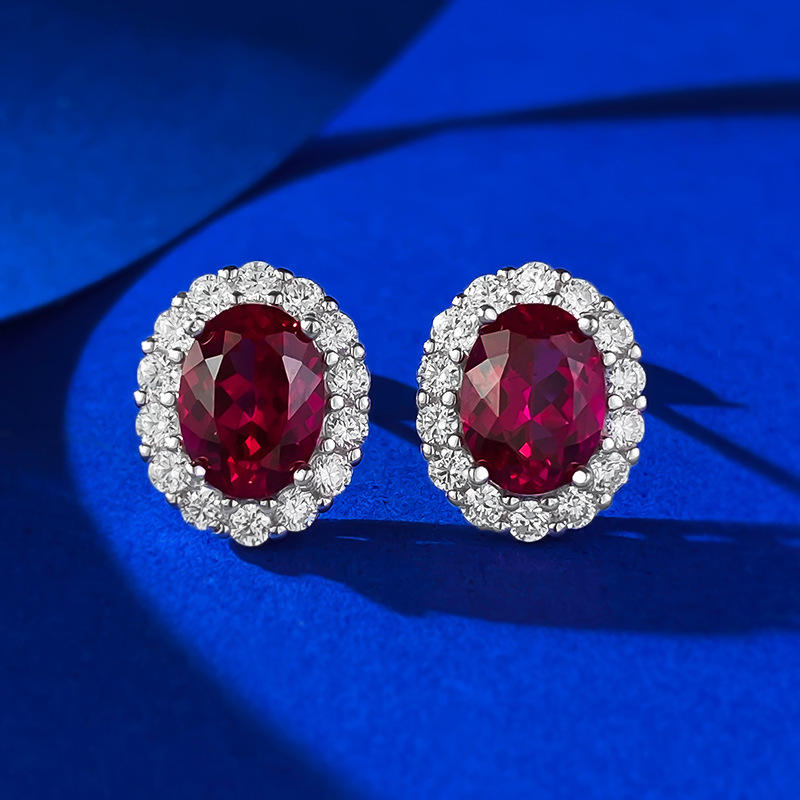
Diamond Hoop Earrings Cost by Carat: Price, Quality, and Value Guide
Shopping for diamond hoops should feel fun, not like decoding a lab report. Still, Diamond Hoop Earrings Cost by carat can swing sharply from one pair to another, even when both list the same total carat weight. Hoops use many small diamonds, different settings, several metal options, and closures that vary in quality.
The smartest comparison starts with total carat weight, often shown as CTW. Then look at diamond origin, cut quality, color, clarity, metal, hoop size, setting Security, and Comfort. A bigger number on the product page doesn't always mean the better pair.
Diamond Hoop Earrings Cost by Carat: What CTW Really Means
Diamond Hoop Earrings cost by carat usually refers to the total diamond weight across both earrings. That’s different from a pair of diamond studs, where each ear usually features one main stone. With hoops, the carat weight is often spread across 20, 40, or more small diamonds.
For example, a 1.00 CTW pair of diamond hoops may include dozens of stones set along the front curve. A 1.00 CTW pair of studs may include two 0.50 carat diamonds. Both labels say 1.00 CTW, but the look, grading priorities, and price structure are not the same.
The main factors that change Diamond Hoop Earrings cost by carat include:
- Total carat weight across the pair
- Diamond origin, such as lab-grown or natural
- Cut, color, clarity, and stone matching
- Metal type, including 14k gold, 18k gold, and platinum
- Setting style, such as pavé, channel, bezel, or prong
- Hoop diameter, width, and metal weight
- Closure type, hinge quality, and clasp security
- Brand service, warranty, packaging, and return support
GIA explains that diamond value is judged by the 4Cs: cut, color, clarity, and carat weight. For hoops, matching matters too. Small diamonds need to look consistent across the pair, or the line of sparkle can appear uneven.
Lab-grown diamond hoops often give shoppers a larger look for the budget. Natural diamond hoops usually cost more at the same CTW because natural stones carry rarity-based pricing. GIA also notes that lab-grown diamonds have the same chemical composition as natural diamonds, but they have a different origin.
Diamond Hoop Earrings Cost by Carat by Price Tier
Diamond Hoop Earrings cost by carat rises as CTW increases, but pricing doesn't move in a straight line. A pair with larger individual diamonds, tighter matching, heavier gold, or inside-outside diamond coverage can cost much more than a simpler pair at the same CTW.
The ranges below reflect common U.S. fine jewelry pricing for 14k gold diamond hoops. Actual prices can shift with diamond quality, metal markets, promotions, brand service, and availability.
| Total Carat Weight Per Pair | Common Style | Lab-Grown Diamond Range | Natural Diamond Range | Best For |
|---|---|---|---|---|
| 0.10-0.25 CTW | Petite huggies, accent hoops | $250-$700 | $450-$1,200 | First diamond hoops, stacking, gifts |
| 0.33-0.50 CTW | Small hoops, daily huggies | $450-$1,100 | $800-$2,000 | Everyday sparkle, workwear |
| 0.75-1.00 CTW | Medium hoops, classic profiles | $900-$2,200 | $1,800-$4,500 | Anniversaries, strong value |
| 1.50-2.00 CTW | Bolder hoops, inside-outside styles | $1,800-$4,500 | $4,000-$9,000+ | Milestone gifts, polished styling |
| 3.00 CTW and above | Statement hoops | $4,000-$9,000+ | $8,000-$20,000+ | Events, luxury looks |
These ranges show why Diamond Hoop Earrings cost by carat should never be judged by CTW alone. A 1.00 CTW lab-grown pair in 14k yellow gold may sit near the same budget as a 0.50 CTW natural diamond pair with premium finishing. A 2.00 CTW inside-outside hoop can cost far more than a 2.00 CTW front-facing hoop because it uses more setting labor and often more visible stones.
Our customers often find the 0.75-1.50 CTW range gives the best balance of sparkle, comfort, and price. It looks noticeable from conversational distance without feeling too heavy for regular wear. If you're buying one pair to wear often, that middle range deserves a close look.
Lower-Carat Diamond Hoops for Daily Wear
Lower-carat diamond hoops usually fall below 0.50 CTW per pair. They work well for everyday outfits, second piercings, travel, and understated gifting. Petite huggies in this range can add sparkle without catching on hair or feeling too formal.
A lower CTW pair can still feel refined. Look for even diamond spacing, smooth metal finishing, secure hinges, and stones that match in brightness. If the setting looks clean, the earrings can read as polished rather than small.
Mid-Carat Hoops: The Practical Sweet Spot
Many buyers compare diamond hoop earrings cost by carat most closely between 0.75 and 1.50 CTW. This range gives enough diamond presence for dinners and events, but it can still feel easy for work or weekend wear. Medium hoops also show movement, which helps the diamonds catch light.
Compared with studs, mid-carat hoops spread sparkle over a larger curve. Compared with long drop earrings, they’re easier to wear casually. That flexibility improves cost-per-wear.
High-Carat Statement Hoops
High-carat hoops usually start around 2.00 CTW per pair and can climb beyond 3.00 CTW. These earrings are built for impact. They suit milestone gifts, black-tie events, and shoppers who want one standout pair.
Prices rise because these designs may use larger diamonds, heavier gold, tighter matching, and stronger hinge engineering. Inside-outside hoops also require careful stone placement on both the outer front and inner back of the hoop. Before choosing a high-carat pair, check comfort and closure strength carefully.
What Changes Diamond Hoop Earrings Cost by Carat?
Two pairs can have the same CTW and still feel completely different on the ear. Diamond hoop earrings cost by carat depends on how the diamonds are distributed, how the metal is built, and how secure the setting feels.
Start with the product specifications. A strong product page should list CTW, hoop diameter, metal purity, diamond origin, diamond quality, setting type, and closure style. If those details are missing, comparison shopping gets harder than it needs to be.
Total Carat Weight vs. Stone Size
CTW tells you the total diamond weight for the pair. It does not tell you how large each diamond is. A 1.00 CTW hoop with 50 tiny diamonds will look different from a 1.00 CTW hoop with fewer, larger stones.
Diamond density also matters. A 0.75 CTW pair with tight front-facing coverage may look brighter than a 1.00 CTW pair with wider spacing. Before paying more for CTW, check how much of the hoop is actually covered in diamonds.
Hoop Diameter, Width, and Shape
Small huggies often measure about 10-14 mm and sit close to the lobe. Everyday hoops often fall around 15-25 mm. Larger hoops create more drama, but they may also need stronger hinges and more metal to keep their shape.
Width affects price too. A wider hoop may require more gold and more diamonds, which raises the finished cost. It may also feel heavier, so comfort should stay near the top of your checklist.
Metal Choice and Setting Style
Metal has a clear effect on diamond hoop earrings cost by carat. 14k gold is popular because it offers a strong mix of durability and value. 18k gold has a richer gold content and usually costs more, while platinum adds durability and weight at a higher price.
Setting style changes both appearance and wear. Pavé and micro-prong hoops create a fine field of sparkle, but they require careful workmanship. Channel-set hoops place diamonds between metal walls for a smooth profile. Bezel-set hoops surround each stone with metal, which adds protection and a clean modern look.
Closure Quality and Security
Closures are easy to overlook until they fail. Hinged hoops should open smoothly and click shut with confidence. Snap closures should feel firm, not loose or overly stiff.
For diamond hoops, clasp security matters as much as carat weight. A beautiful pair won't feel like a good buy if you're nervous about losing one. Check warranty and repair support before you purchase.
Lab-Grown vs. Natural Diamond Hoop Earrings
Diamond hoop earrings cost by carat often looks very different once you compare lab-grown and natural options. Lab-grown diamonds usually cost less than natural diamonds at similar CTW, color, and clarity ranges. That price difference can let you choose a larger hoop, a higher CTW, or a more detailed setting.
Natural diamonds appeal to shoppers who value rarity and geological origin. Lab-grown diamonds appeal to buyers who want strong visual size for the spend. Neither choice is automatically better; the right one depends on your priorities.
The Federal Trade Commission requires marketers to avoid misleading claims about diamond origin. Product pages should clearly state whether the diamonds are natural, lab-grown, or treated. If you're comparing finished earrings, don't rely on photos alone.
If you want to compare diamond origin and grading in more detail, you can review StoneBridge Jewelry’s lab-grown diamond options. Loose diamond pricing isn't the same as finished earring pricing, but it helps explain why lab-grown hoops often offer more visible CTW for the budget.
Why Diamond Hoops Can Be a Smart Value
Diamond hoop earrings cost by carat is only one part of value. The better question is this: how often will you actually wear them? A comfortable 1.00 CTW pair worn twice a week can deliver more value than a 3.00 CTW pair that sits in a box most of the year.
Hoops are versatile because they sit between classic and expressive. They’re dressier than plain gold hoops, more noticeable than many studs, and easier to wear than long dangle earrings. A well-chosen pair can work with denim, tailoring, cocktail dresses, and formal looks.
Diamond hoops also create sparkle across a larger surface area. Studs concentrate brilliance in one point on each ear. Hoops frame the face and catch light as you move, which can make them more visible in photos and at conversation distance.
If you're building a practical jewelry wardrobe, compare diamond hoops with other pieces in our fine jewelry collection. You may find that a mid-carat hoop covers more occasions than a very dressy earring style.
Diamond Hoops vs. Studs, Drops, and Huggies
Diamond studs are classic, simple, and easy to gift. They suit almost every style, but they don't create the same curved line of sparkle as hoops. Diamond hoops add shape and movement while still feeling timeless.
Drop and dangle earrings bring length and drama. They’re beautiful for events, but they may feel less practical for daily wear. Huggies are the most low-profile hoop option and work well for shoppers who want comfort and security.
For one everyday diamond earring with a little personality, hoops are often the strongest choice.
How to Choose the Right Pair
Diamond hoop earrings cost by carat should be weighed against fit, comfort, and construction. A pair can look perfect online but feel too wide, too heavy, or too loose if the specs don't match your ear and lifestyle.
Use this Checklist Before Buying:
- Confirm the CTW is for the pair, not one earring.
- Check whether the diamonds are lab-grown or natural.
- Compare cut, color, clarity, and stone matching.
- Review hoop diameter, width, and estimated weight.
- Look at metal purity: 14k, 18k, or platinum.
- Study the setting type and diamond coverage.
- Test or review closure security.
- Ask about documentation, warranty, returns, and repairs.
- Match the style to your use: daily, gifting, travel, or events.
Need help comparing specs? StoneBridge Jewelry customers can contact our jewelry experts for guidance before ordering. We’ve found that a quick review of CTW, diameter, and setting style often prevents sizing surprises.
Sizing and Fit Tips
Small huggies sit close to the lobe and feel sleek. Medium hoops frame the face without overpowering it. Larger hoops create movement and a more fashion-forward look.
Hair length, face shape, and wardrobe can guide your choice. Short hair or pulled-back styles highlight medium and large hoops. Long hair may call for slightly larger hoops or brighter diamond coverage so the earrings stay visible.
If comfort is your top priority, choose smooth edges, moderate diameter, and a secure closure. Bigger isn't always better.
Certification, Warranty, and Documentation
For higher-value earrings, third-party reports from GIA, IGI, or another recognized laboratory can support confidence. Small diamonds in hoops may not each have individual grading reports, so brand quality control matters. Ask whether documentation covers the whole pair, representative stones, or individual diamonds.
A strong warranty is another trust signal. Look for coverage on manufacturing defects, clasp issues, and setting integrity. For online purchases, review the return window Before You Buy.
Care Tips That Protect Long-Term Value
Regular care keeps diamond hoops bright. Clean them with warm water, mild dish soap, and a soft brush. Dry them with a lint-free cloth so water spots don't dull the shine.
Avoid bleach, chlorine, and harsh cleaners, especially near white gold finishes and delicate pavé settings. Store hoops in separate compartments or a soft pouch to prevent scratches. For travel, use a structured jewelry case so the earrings don't bend or press against other pieces.
Schedule a professional inspection if a clasp loosens, a hinge feels uneven, or a stone looks misaligned. A small repair now can prevent a bigger problem later.
Final Buying Checklist for Diamond Hoop Earrings Cost by Carat
Diamond hoop earrings cost by carat gives you a useful starting point, but it doesn't tell the whole story. CTW explains how much diamond weight is in the pair. It does not explain sparkle, comfort, setting quality, or long-term wearability.
Before buying, compare these details:
- Total carat weight and diamond distribution
- Lab-grown or natural diamond origin
- Cut, color, clarity, and stone matching
- Hoop diameter, width, and weight
- Metal type and purity
- Setting style and diamond protection
- Closure security and hinge quality
- Certification, warranty, and return support
- Your plans for wear: daily, travel, gifting, or special events
If you want maximum visible size for the budget, lab-grown diamond hoops may be a strong fit. If natural origin matters most, choose natural diamond hoops and consider a slightly lower CTW to protect your budget. If you want the best cost-per-wear, a comfortable mid-carat pair is often the smartest choice.
StoneBridge Jewelry shoppers can compare product pages side by side, review specs, and choose a pair that fits both budget and lifestyle. Browse current earring styles, compare diamond hoop earrings Cost by Carat, and pick the pair that feels beautiful every time you wear it.
FAQ
How much do diamond hoop earrings cost by carat?
Diamond hoop earrings cost by carat depends on CTW, diamond origin, metal, setting style, and workmanship. Petite lab-grown diamond hoops may start around $250-$700, while similar natural diamond styles may begin closer to $450-$1,200. Mid-carat pairs often cost more because they use more diamonds, more metal, and stronger hinge construction. Always compare CTW with quality details before choosing the lowest price.
Are lab-grown diamond hoop earrings cheaper than natural diamond hoop earrings?
Yes, lab-grown diamond hoop earrings are usually less expensive than natural diamond hoops at a similar CTW and quality range. That can help you choose a larger diameter, higher carat weight, or more detailed setting without raising your budget as much. GIA states that lab-grown and natural diamonds share the same chemical composition, but origin affects market pricing. Check that the product page clearly discloses diamond origin.
What carat size is best for everyday diamond hoop earrings?
Many shoppers prefer 0.50-1.50 CTW for everyday diamond hoop earrings because it balances sparkle, comfort, and price. Petite huggies below 0.50 CTW are great for minimal style, second piercings, or travel. Medium hoops near 1.00 CTW often feel polished enough for work and dinner. If you wear earrings all day, comfort and closure security should matter as much as carat weight.
Why do two pairs with the same CTW have different prices?
Two pairs can share the same CTW but use different diamond sizes, settings, metals, and closure systems. A channel-set 1.00 CTW hoop in 14k gold may cost less than an inside-outside hoop with tighter matching and heavier construction. Natural diamonds also cost more than lab-grown diamonds in many comparable styles. Review diameter, diamond coverage, metal purity, and warranty before assuming one pair is overpriced.
How should I clean and care for diamond hoop earrings?
Clean diamond hoop earrings with warm water, mild dish soap, and a soft brush. Rinse carefully, then dry with a lint-free cloth so the diamonds stay bright. Store hoops separately to protect the metal, stones, hinges, and clasps from scratches or pressure. If a clasp clicks weakly or a stone looks uneven, have a jeweler inspect the pair before wearing them again.
Ready to Find Your Perfect Diamond?
Explore our collection of certified lab-grown diamonds
Shop Diamonds