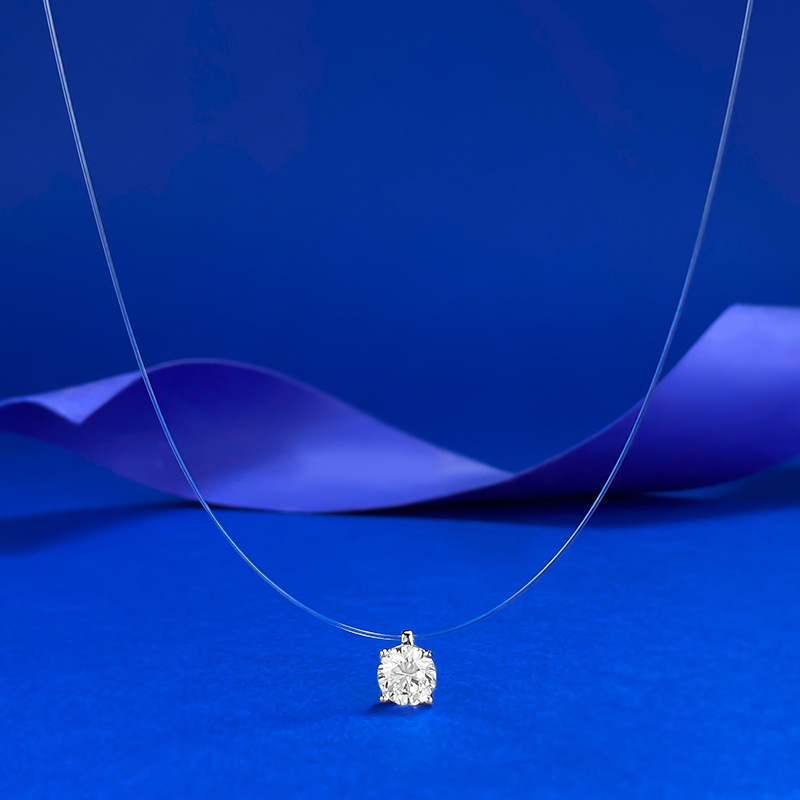
Diamond Chain Necklace Clasp Types to Compare Before You Buy
Diamond Chain Necklace Clasp types affect how secure a necklace feels, how easy it is to wear, and how polished it looks on the neck. A well-made diamond chain deserves a closure that fits the weight, design, and way you plan to wear it.
If you’re comparing Diamond Chain Necklace clasp types, focus on six things: security, comfort, durability, style, price, and how well the clasp matches the chain weight. A fine tennis-style chain does not need the same hardware as a heavier diamond station necklace, and that difference matters.
GIA and IGI both stress craftsmanship and proper construction in fine jewelry grading. We see the same pattern in real shopping: a clasp that feels flimsy or awkward can shorten the useful life of a necklace, especially if you wear it often.
Ask yourself one simple question: will this clasp make the necklace easier to enjoy, or harder to live with? That answer usually points you in the right direction.
Diamond Chain Necklace Clasp Types: What We’re Comparing
The main Diamond Chain Necklace clasp types shoppers see are lobster clasps, spring ring clasps, fishhook clasps, box clasps, toggle clasps, and magnetic clasps. Each one handles security and ease in a different way.
A clasp does more than close a necklace. It can affect how the piece sits, how fast you can put it on, and whether it stays put during a busy day. It can also nudge the price up, since stronger or more decorative closures often cost more to make.
To keep the comparison clear, we’re looking at each clasp by:
- Security for regular wear
- Ease of fastening and removing
- Durability with repeated use
- How visible or decorative it looks
- General price impact
- Best fit for light, medium, or heavier necklaces
That makes it easier to compare diamond chain necklace clasp types side by side. A buyer who wears a necklace every day has different needs than someone shopping for events or layering.
Lobster Clasp: The Most Common Everyday Choice
The lobster clasp is the best-known option among diamond chain necklace clasp types. It uses a spring-loaded arm that opens with a small lever, then snaps shut again. The shape is easy to recognize, and the closure feels dependable on many diamond chain styles.
Why buyers like it
A lobster clasp offers a strong balance of security and ease. It is usually simpler to use than a spring ring clasp, and it gives many wearers more confidence for daily wear. For that reason, it is often the first clasp jewelers recommend for an all-purpose necklace.
Its biggest strengths are straightforward:
- Reliable closure for everyday wear
- Easy to find in many sizes and metal colors
- Familiar to most jewelry wearers
- Works well on fine, medium, and layered diamond chains
That versatility is why lobster clasps show up so often in fine jewelry. They pair well with yellow gold, white gold, rose gold, and platinum.
Where it can fall short
No clasp is perfect. On very fine diamond chain necklace clasp types, a lobster clasp can look a little bulky next to an ultra-delicate chain. The spring mechanism can also wear down over time, especially if the clasp is tiny or used hard.
There is a handling issue too. Small lobster clasps can still be tricky for people with limited finger strength. If the clasp is much smaller than the chain, it can feel fussy instead of helpful.
Even so, the lobster clasp sits near the top for most buyers. It is secure, versatile, and easier to trust than many other diamond chain necklace clasp types.
Best for
- Daily wear necklaces
- Gifts with broad appeal
- Chains that need dependable closure without extra decoration
- Buyers who want one of the safest all-around diamond chain necklace clasp types
Spring Ring and Fishhook Clasps: Lightweight, Traditional Options
Spring ring and fishhook styles are older but still useful diamond chain necklace clasp types. They are small, subtle, and often chosen when the clasp should blend into the design.
Spring ring clasps
A spring ring clasp is a small round closure with a spring-loaded trigger. Pull the lever, the ring opens, and release it to close. It takes up very little visual space, which is why it still appears on fine diamond necklaces.
The best part is subtlety. On delicate diamond chain necklace clasp types, a spring ring can almost disappear. The tradeoff is ease of use. Many people find it hard to fasten one-handed, and the small opening can feel awkward.
Fishhook clasps
Fishhook clasps use a slim curved hook that catches into a matching loop. They often show up on lightweight necklaces where the goal is a low-profile finish. A fishhook clasp can look refined, but the design has to be done well.
These clasps fit best on lighter pieces that will not get pulled much. They can work for special occasions, but they are not usually the first pick if security is your top concern.
Spring ring vs. fishhook
Both options have a traditional feel, but they serve different needs:
- Spring ring clasps are more common and often feel a bit more secure than very simple hooks
- Fishhook clasps can look cleaner on certain designs
- Both suit fine, light necklaces better than heavier diamond chains
- Both sit below lobster clasps for day-to-day ease
For shoppers comparing diamond chain necklace clasp types, think of these as lightweight, design-first choices rather than universal solutions.
Best for
- Fine chain necklaces
- Minimalist diamond styles
- Occasional wear
- Buyers who want small, discreet hardware over maximum convenience
Box, Toggle, and Magnetic Clasps: Style-Forward Alternatives
Some diamond chain necklace clasp types do more than close the necklace. They become part of the design. Box, toggle, and magnetic clasps each bring a different mix of look and function.
Box clasps
A box clasp locks a tab into a spring-loaded box, creating a neat, polished finish. This is a strong choice for more substantial diamond necklaces, especially pieces with a luxury feel. You will often see box clasps on tennis necklaces and diamond line necklaces.
A good box clasp can be very secure. Many fine versions include a safety latch or side push-lock, which adds peace of mind for valuable necklaces. That makes box clasps one of the stronger premium diamond chain necklace clasp types.
The tradeoff is cost and build complexity. A well-made box clasp can raise the price of the necklace, and the mechanism should fit cleanly. If it is loose, it can wear out faster than it should.
Toggle clasps
A toggle clasp uses a bar that passes through a loop. It is easy to fasten and has a clear style point, which is why it often appears on fashion-forward pieces. On diamond chain necklace clasp types, it works best when the closure is meant to be seen.
Toggle clasps are appealing because they are simple to handle and can look elegant on medium-weight necklaces. But they are not the strongest choice for high-security needs. If the bar is light or the loop is oversized, the necklace may slip open more easily.
Toggle clasps are a good fit for:
- Fashion necklaces
- Layering pieces
- Decorative diamond chains worn for outings
They are a weaker match for active wear or very valuable pieces that need extra closure confidence.
Magnetic clasps
Magnetic clasps are all about convenience. They snap together fast, which helps people who struggle with tiny hardware or want an easier fastening experience. For the right necklace, they can be a smart fix.
Still, magnetic clasps need a careful look. On lightweight diamond chain necklace clasp types, they can work well if the magnets are strong and well set. On heavier necklaces, they usually do not give the same peace of mind as a lobster or box clasp. If the necklace is valuable or worn often outside the home, security should come first.
Magnetic clasps make the most sense for:
- Wearers with limited dexterity
- Lightweight necklaces
- Pieces worn now and then rather than every day
Best for
- Box clasps: premium diamond chains and tennis-style necklaces
- Toggle clasps: statement and decorative designs
- Magnetic clasps: easy-on, easy-off convenience for lighter pieces
Side-by-Side Comparison of Diamond Chain Necklace Clasp Types
Here is a simple way to compare diamond chain necklace clasp types based on what matters most.
| Clasp Type | Security | Ease of Use | Durability | Style Impact | Best Use Case | General Price Impact |
|---|---|---|---|---|---|---|
| Lobster clasp | High | High | High | Low to moderate | Everyday wear, gifting, layering | Low to moderate |
| Spring ring | Moderate | Moderate to low | Moderate | Very low | Fine, lightweight necklaces | Low |
| Fishhook | Moderate | Moderate | Moderate | Low | Minimalist or traditional designs | Low |
| Box clasp | High to very high | Moderate | High | Moderate to high | Tennis necklaces, premium diamond chains | Moderate to high |
| Toggle clasp | Moderate | High | Moderate | High | Fashion pieces, statement necklaces | Moderate |
| Magnetic clasp | Low to moderate | Very high | Moderate | Low | Light necklaces, easy fastening | Moderate |
Quick read for shoppers
If you want the most practical all-around option, lobster clasps usually lead the pack among diamond chain necklace clasp types. If you want a more refined premium closure, a strong box clasp is tough to beat. If ease matters most, magnetic or toggle styles feel simpler, though they usually give up some security.
For daily wear, lobster and box clasps are usually the strongest picks. For occasional wear, especially on light chains, spring ring, fishhook, or toggle clasps can make sense if the design supports them.
What the table means in practice
- Security should come first for high-value diamond chains
- Ease of use matters more for gifts and self-fastening
- Durability matters most if you wear the necklace often
- Style impact matters more on statement necklaces than on quiet everyday pieces
That is why diamond chain necklace clasp types should never be chosen on looks alone.
How to Choose the Right Clasp for Your Necklace
The best clasp depends on how the necklace will actually be worn. If you are comparing diamond chain necklace clasp types, start with weight, lifestyle, and how much attention you want the hardware to get.
Match the clasp to chain weight
Lightweight chains can handle smaller closures like spring ring, fishhook, or petite lobster clasps. Medium-weight and substantial diamond chains usually do better with lobster or box clasps. If the necklace has a strong carat presence, the clasp should feel balanced with it.
A clasp that feels too small can become a weak spot, even if the rest of the necklace is beautiful. Good jewelry construction keeps the hardware in proportion so repeated tension does not wear the mechanism out too soon.
Think about how often you will wear it
Daily wear calls for security and ease. That usually points diamond chain necklace clasp types toward lobster or box closures. If you are buying for events, date nights, or occasional layering, style-led options like toggle or fishhook clasps can work well.
Ask yourself:
- Will I wear this every day?
- Will I fasten it alone or with help?
- Do I want the clasp to disappear?
- Is this a high-value piece that needs extra security?
Those questions usually get you farther than style preference alone.
Consider lifestyle and use case
Busy days call for stronger closure systems. If you will wear a necklace while commuting, traveling, or moving through a full day, a lobster or box clasp gives more reassurance. Magnetic clasps can be tempting for convenience, but they are not right for every situation.
Gift buying needs a different lens. If you are choosing for someone else and do not know their habits well, a lobster clasp is often the safest call because it is familiar and practical. Our customers often say they prefer a clasp that feels easy on day one, not one that needs a learning curve.
Layering matters too. A clasp should sit comfortably and not snag on other chains. Smooth, low-profile hardware usually layers better than bulky decorative closures.
Prioritize elegance and security together
The best diamond chain necklace clasp types do not make you choose between good looks and good function. Look for a clasp that closes cleanly, feels smooth in hand, and matches the quality level of the necklace itself. For higher-value jewelry, ask whether the clasp includes a safety feature such as a reinforced lock or secondary closure.
If you are unsure, compare how it looks from the front, how it feels when you open and close it, and whether it supports the chain weight without looking oversized. A good clasp should fade into the design without feeling fragile.
Expert Recommendation and Best Overall Pick
For most buyers, the best overall choice among diamond chain necklace clasp types is the lobster clasp. It gives the best mix of security, easy wear, and compatibility with different chain styles. It is also the simplest recommendation if you want a strong closure without overthinking the purchase.
A well-made box clasp is the strongest runner-up for premium or heavier diamond chains, especially when the necklace deserves a more elevated finish. If the piece is meant to stand out, a toggle clasp can be a smart style choice. If convenience matters most, magnetic clasps are worth a look, but they usually fit lighter necklaces best.
From a jeweler’s point of view, the best clasp is the one that matches the chain weight, how often you will wear it, and how comfortable it feels. That lines up with standard fine-jewelry thinking: the closure should support the design, not fight it.
We have found that shoppers feel happiest when the clasp seems almost invisible in use. That usually means they picked the right one. If you are comparing diamond chain necklace clasp types for a purchase, start with lobster or box as your baseline, then move outward based on style and convenience.
Shop the Best Diamond Chain Necklace Options
Ready to compare styles by clasp and design? Browse our curated selection and Find the Right fit for your wardrobe or gift list:
- shop our diamond jewelry collection for diamond chain necklaces with refined closures
- browse loose and lab-grown diamonds for matching pieces and diamond-forward looks
- build a custom engagement ring if you are planning a coordinated gift set
- explore engagement rings for pieces that pair well with fine necklace gifts
- contact our jewelry experts if you want help choosing the best clasp for your necklace
Choose the clasp that matches your routine, then pick the necklace that feels right every time you wear it. That is the smartest way to shop diamond chain necklace clasp types.
FAQ
What is the most secure clasp for a diamond chain necklace?
A lobster clasp or a well-made box clasp is usually the safest choice, depending on the chain and how heavy it is. The clasp design matters, but the metal quality and fit matter just as much. For valuable or frequently worn pieces, look for a closure that snaps shut cleanly and does not twist easily.
Are lobster clasps better than spring ring clasps for diamond necklaces?
For most shoppers, yes, because lobster clasps are usually easier to handle and feel more secure for daily wear. Spring ring clasps can work on light necklaces, but they are often harder to fasten and less comfortable for people with limited dexterity. If you want one of the most practical diamond chain necklace clasp types, lobster is usually the better starting point.
What clasp is best for a delicate diamond chain necklace?
A small lobster clasp or a discreet spring ring clasp can work well on a delicate chain. The right choice depends on how fine the necklace is and how often you will wear it. If the clasp looks oversized, it can throw off the balance of the piece, so keep the hardware light and proportional.
Are magnetic clasps safe for diamond chain necklaces?
Magnetic clasps are convenient, but they are best for lighter necklaces and wearers who want easy fastening. They do not usually give the same security as lobster or box clasps, especially on valuable pieces. If you are comparing diamond chain necklace clasp types for daily wear, magnetic closures are usually a backup option rather than the first pick.
How do I choose the right clasp type for everyday wear?
Start with security, then think about comfort and ease of use. For most people, a lobster clasp is the best daily choice because it balances strength and convenience. If you want a more premium finish and the necklace can support it, a box clasp is another solid option.
Ready to Find Your Perfect Diamond?
Explore our collection of certified lab-grown diamonds
Shop Diamonds