Conflict Free Wedding Rings Online: Ethical Bridal Guide
Shopping for Conflict Free Wedding Rings online should feel reassuring, not stressful. A strong product page makes it easy to find the metal, stone, finish, and return policy before you ever add a ring to cart.
I’ve helped hundreds of couples compare bridal rings, and the best experiences always start with clear information. When a listing spells out the specs, you can focus on what matters: finding a ring that feels right for the proposal, the ceremony, and all the ordinary days after that.
Why settle for guesswork on a piece meant to last for years? The best listings let you compare lab-grown diamond options, plain bands, and matching sets without digging through fine print.
Why Conflict-Free Rings Matter
A conflict-free ring has no known link to armed conflict or forced labor. Ethical sourcing goes further by looking at labor practices, traceability, and workshop standards. Responsible making adds the craft side too, including how the ring is finished and inspected.
Here are the terms shoppers often see:
- Conflict-free means there is no known link to conflict financing.
- Ethically sourced usually points to labor practices, traceability, and material origin.
- Responsibly made focuses on craftsmanship, waste, and workshop standards.
- Certified means a third party has documented part of the ring or stone details.
GIA grades diamonds by cut, color, clarity, and carat. IGI reports are common for lab-grown diamonds. The FTC Jewelry Guides also require sellers to describe jewelry truthfully. Those checks are straightforward, and they matter.
A ring can look beautiful and still leave questions unanswered. If the product page feels vague, keep shopping. Honestly, I think clarity is one of the strongest signs that a jeweler respects your time as much as your budget.
How to Shop Conflict Free Wedding Rings Online
Shopping conflict free wedding rings online gets easier once you narrow the basics first. Most buyers move faster when they sort by metal before anything else.
Start With the Basics
Use filters in this order:
- Metal type - platinum, 14K gold, 18K gold, or palladium changes both look and price.
- Stone shape - round, oval, emerald, princess, and pear are the most common bridal silhouettes.
- Setting style - prong, bezel, channel, pavé, and flush settings all wear differently.
- Ring width - slim bands feel light; wider bands look bolder and usually show more metal.
- Budget - set a range first so you do not pay for features you do not want.
If you are shopping for daily wear, 2 mm to 4 mm bands usually stack well and feel comfortable. Wider bands above 6 mm often need a closer fit. Small details like that shape how a ring feels every day.
In my 10 years at StoneBridge, I have seen shoppers fall in love with a photo and miss the band width (trust me, I have seen it happen). A couple of millimeters can change how the ring stacks, how it feels, and how often it catches your eye in the best way.
Read the Product Page Like a Spec Sheet
A trustworthy listing for conflict free wedding rings online should answer a few things before you contact support.
- What is the metal purity and finish?
- Is the stone lab-grown, mined, or accent-only?
- Is there a grading report, and which lab issued it?
- How wide and how thick is the band?
- What is included in the warranty or care plan?
- Can the ring be resized, and are there limits?
- What is the return window, and who pays shipping?
If a ring looks expensive, ask what drives the price. Sometimes it is platinum, hand-finishing, or a secure setting. Sometimes it is just markup.
What to Look For in Diamond and Stone Details
The stone details matter even when you are buying a wedding band with no center stone. For diamond-accent rings, the total carat weight, quality of the melee stones, and how tightly they are set can change the look and the long-term maintenance.
If you are choosing a center stone, ask for the four Cs in writing. Cut affects brightness more than most shoppers expect. A well-cut round diamond can look more lively than a larger stone with a weaker cut grade. Color and clarity matter too, but a slightly lower color grade can still look white once the stone is set, especially in yellow or rose gold.
For lab-grown diamonds, look for the report issuer and any growth method notes if they are listed. IGI is common, and GIA grading is also respected. Some retailers also provide measurements in millimeters, which help more than carat weight alone when you want to know how large the stone will look on the finger.
If you are comparing small accent stones, ask whether they are full-cut or single-cut diamonds, and whether they are natural or lab-grown. That level of detail tells you more about brightness, matching, and replacement if a stone ever needs repair. It also helps you compare similar rings without relying on marketing photos that may be enlarged or retouched.
One practical rule: if the listing gives only carat weight and no measurements, keep looking. Carat tells you weight, not the visual spread. Two rings with the same carat weight can look very different once the stone shape and proportions change.
Styles, Metals, and Stone Details
The style you choose affects both how the ring looks and how it wears. A dramatic photo can hide a band that feels heavy in real life.
Common Ring Styles
- Classic band - smooth metal, polished or brushed, and easy to wear every day.
- Diamond-accent band - small stones set into the band for extra sparkle without a center stone.
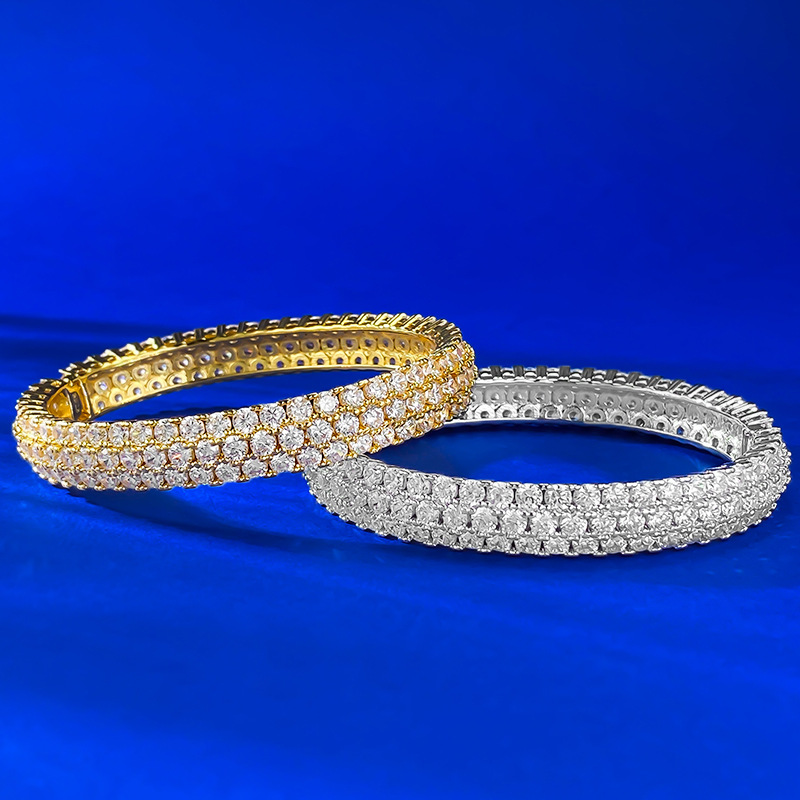
- Eternity band - stones wrap around the whole ring, which looks bright but can be harder to resize.
- Matching bridal set - the wedding band is designed to sit cleanly with the engagement ring.
Classic bands stay popular because they are simple and durable. Diamond-accent bands add sparkle without a large center stone. Eternity bands deliver nonstop shine, while matching sets help the stack feel balanced.
Metal Choices
Platinum is dense, strong, and naturally white. It feels premium and holds stones well, but it usually costs more than gold for the same design. It is also heavier on the hand, which some buyers love and some prefer to avoid. Platinum develops a soft patina over time rather than losing metal the way plated finishes can.
14K gold is a smart middle ground. It is harder than higher-karat gold, so it handles daily wear well. Many buyers choose 14K when they want a practical ring that still looks refined. White gold is usually rhodium-plated for a brighter white appearance, so ask whether re-plating is part of future maintenance.
18K gold has a richer color and a softer feel. If you love warm gold tones and do not mind a bit more care, it can be a great choice. Yellow and rose gold both pair well with many skin tones and can make a ring feel more classic or more romantic, depending on the finish.
Palladium gives you a white-metal look with less weight than platinum. Selection can be smaller, but it is worth a look if you want a lighter feel. It can also be a good option for buyers who want a low-maintenance white metal without the heavier feel of platinum.
When you are comparing metals, ask about nickel content if you have sensitive skin. Many buyers with metal allergies do best with platinum or carefully formulated gold alloys. That is one of those details that is easy to overlook online and annoying to discover after a few weeks of wear.
Stone Shapes and Everyday Wear
Round stones give the most classic sparkle and often appear brighter because they are designed to return a lot of light. Oval, pear, and marquise shapes can look larger for their carat weight because they spread across the finger more. Emerald cuts show clarity more than sparkle, so they need a cleaner stone to look their best. Princess cuts feel geometric and modern, but they can show wear on corners if the setting is too exposed.
If you work with your hands, a lower-profile ring may be smarter than a tall setting. A stone set close to the finger is less likely to snag on gloves, knitwear, or pockets. That does not mean you need to give up style. It just means choosing a shape and setting that support your routine instead of fighting it.
Stones and Settings
The most common choice in conflict free wedding rings online is the lab-grown diamond. Many buyers like the cleaner sourcing story and the stronger value for the size they want. A diamond is still a diamond in daily wear; the setting is what protects it.
Diamond sits at 10 on the Mohs scale, so the stone itself is very hard. The metal holding it in place usually needs the most care.
What good is sparkle if the ring cannot keep up with real life? For active hands, bezel and channel settings usually make more sense. Prongs show more light, while pavé needs more checks over time.
Prong settings can make a stone appear larger because more of it is visible, but they should be checked periodically for wear. Four-prong and six-prong mounts each have tradeoffs: four prongs show more stone, while six prongs can feel a bit more secure. Bezel settings surround part or all of the stone with metal and are excellent for protection, though they can mute some brightness. Channel settings protect small stones along the band and keep them from snagging, which is why they are common in wedding bands that see heavy daily use.
For pavé, ask how the stones are secured and whether the ring has milgrain or bead-set edges. Those details matter because small accent stones can loosen over time if the setting is too shallow or too delicate for the band width. A sturdy pavé ring should still feel smooth on the inside and not catch on clothing.
Understanding Certifications and Hallmarks
When you shop conflict free wedding rings online, documentation can be as important as design. Hallmarks and reports help confirm what you are buying and make later repairs easier.
Look for metal stamps such as 14K, 18K, PT, or PLAT. Those marks identify purity and are usually placed inside the band. If a seller says a ring is platinum but the band is not stamped, ask why. For gold, the karat mark should match the stated purity. For silver-based alloys or alternative metals, the listing should be just as specific.
Stone reports matter most for center diamonds, but they can also help with larger accent stones or matching bridal sets. GIA, IGI, and GCAL are familiar names in the diamond world, though not every ring needs a report. Small melee stones usually are not individually certified because the cost would outweigh the benefit. In those cases, the retailer should still describe the quality range honestly.
If a seller uses terms like premium, near-colorless, or eye-clean, make sure those words are backed by real specs. Marketing language is not a substitute for data. A useful listing will tell you what the terms mean in practice rather than expecting you to guess.
Pricing and Value
Price matters, especially when you compare conflict free wedding rings online. The same look can land in very different price ranges once you change the metal, stone size, or amount of hand work.
Main cost drivers include:
- Metal type - platinum often costs more than gold because it is denser and harder to work.
- Total carat weight - more stone weight usually means a higher price.
- Stone quality - cut, color, clarity, and symmetry all affect cost.
- Craftsmanship - careful setting and hand-finishing add labor value.
- Customization - engraving, special widths, and made-to-order details can raise the total.
As a broad guide, plain bands often sit under $500, many everyday styles land between $500 and $1,500, more detailed bridal rings can run from $1,500 to $4,000, and premium custom sets can go above that. Those are ranges, not hard rules.
Lab-grown diamonds often give you more visible size for the money than mined stones of similar quality. That makes them popular with buyers who want a bigger look without a bigger bill.
Here is what nobody tells you: the best value is not always the lowest price. It is the Ring That Fits your daily life, your style, and the way you want to feel when you glance down at your hand. A ring tied to a proposal or wedding should bring comfort as well as joy.
Watch for price traps like oversized center stones with thin bands, or very low prices paired with vague descriptions. A bargain can become expensive if it needs resizing, replating, or early repair. It is often better to pay a little more for a ring with a strong warranty, clear specs, and a setting built for repeated wear.
Shipping, Returns, and Warranty
Buying a ring online is easier when the store spells out delivery timing and what happens after the order arrives. For a significant purchase, those policies matter almost as much as the ring itself.
Before You Buy, confirm whether the ring is in stock, made to order, or custom. Ready-to-ship pieces may arrive within days, while made-to-order rings can take two to six weeks depending on the design and stone sourcing. Custom or engraved rings can take longer. If the ring is needed for a wedding date, build in a buffer so you are not cutting it close.
Insurance and signature requirements are worth checking too. Most reputable jewelers ship higher-value pieces with tracking and adult signature confirmation. Some include insured shipping automatically, while others charge extra. If the package is expensive, make sure the seller explains what happens if it is lost or delayed in transit.
Returns are another big one. A good policy should tell you:
- How many days you have to return or exchange the ring
- Whether resizing or engraving affects the return window
- Who pays return shipping and insurance
- Whether custom rings are final sale
- How long refunds take once the ring is received
Warranty details also deserve a close look. Some warranties cover manufacturing defects only, while others include stone tightening, refinishing, or periodic cleaning. Ask whether routine maintenance is included or discounted. For pavé and prong styles, service plans can be especially useful because they catch wear before a stone loosens.
If you are comparing two similar rings, the better warranty can be the deciding factor. A strong policy does not just protect your purchase. It also shows the retailer expects the ring to Hold Up Under daily wear.
Sizing, Comfort, and Care
Sizing gets overlooked fast, yet it changes how the ring feels every day. A ring that twists or pinches turns into a constant annoyance.
Use this simple process:
- Measure your finger when your hands are at a normal temperature.
- Check the retailer's size chart, not a generic chart.
- Consider band width, since wider bands usually fit tighter.
- If you are between sizes, ask whether the style runs small or large.
- Confirm whether resizing is allowed before you place the order.
Comfort-fit bands help because the inner curve slides on more easily. Many buyers size up a little for bands above 6 mm. If one knuckle is much wider than the base of your finger, ask about fit before checkout.
Some rings can be resized easily, while others cannot. Full eternity bands, tension settings, and certain pavé designs may be limited. If flexibility matters, choose a style that allows future adjustments. That gives you room for seasonal swelling, lifestyle changes, or changes in how you want the ring to sit.
Care is simple if you stay consistent. Clean the ring with warm water, mild soap, and a soft brush. Remove it before chlorine, heavy lifting, or rough sports. Check prongs once or twice a year.
GIA recommends routine inspection and gentle Cleaning for Gemstone jewelry. That advice is worth following, since loose settings are easier to catch early than after a stone goes missing.
It also helps to store your ring separately in a fabric-lined box or soft pouch. Hard metals can scratch each other, and diamonds can scratch softer gems if you stack everything together. If you wear multiple rings, give each piece its own space when you are not using it.
For white gold, ask whether rhodium plating will be needed later to keep the color bright. For platinum, a soft patina is normal and can be polished if you prefer a more reflective finish. For gold, avoid harsh abrasives that can thin the metal over time. Simple care habits keep the ring looking good longer than most buyers expect.
Common Mistakes to Avoid
Most online ring mistakes are preventable. The problem is usually not the design itself, but a missed detail that should have been easy to catch.
A few of the biggest ones:
- Buying by photo only - pictures can hide band thickness, stone height, and prong size.
- Ignoring band width - a 2 mm band and a 6 mm band wear very differently.
- Skipping the resize policy - some rings cannot be resized without damage.
- Overlooking metal allergies - nickel content and alloy type matter for sensitive skin.
- Forgetting about lifestyle - a high-set ring may snag if you type, lift, or cook often.
- Assuming all certificates mean the same thing - the issuing lab and report type matter.
Another common issue is pairing a delicate wedding band with an engagement ring that sits too low or too high. If the two rings are meant to stack, confirm the contour and height relationship before ordering. A slight mismatch can create a visible gap or cause the rings to rub together.
Some shoppers also forget to ask about engraving before the return window closes. Personalized rings can be beautiful, but engraving may make exchanges difficult or impossible. If you are not fully sure about size or style, wait until after you confirm the fit.
My blunt advice: do not let urgency override the spec sheet. It is better to spend an extra day comparing than to spend years wishing the ring had a different width, color, or setting profile.
How to Compare Ethical Options Without Getting Overwhelmed
If you are choosing between several conflict free wedding rings online, reduce the decision to a few practical questions. This keeps the process calm and prevents feature overload.
Start by deciding where you want to spend the money: metal quality, stone size, or design detail. A couple who wants a visible center stone may choose lab-grown diamonds and a simpler setting to stay within budget. Another couple may prefer a plain platinum band with a brushed finish because they value durability more than sparkle. Neither choice is wrong. The best ring is the one that fits the person wearing it.
Then compare the measurements, not just the photos. Note the band width, band thickness, stone size in millimeters, and setting height. If the product page includes side and top views, pay attention to those. They reveal whether the ring is likely to snag, whether the stones sit securely, and how much of the profile you will actually see in daily wear.
Finally, think about future maintenance. If you want a ring that can be cleaned and serviced easily, a straightforward setting may be better than a highly ornate one. If you love intricate details, make sure the seller offers repair support. Beautiful rings age better when the design and the service plan match each other.
Buy Conflict Free Wedding Rings Online From StoneBridge Jewelry
StoneBridge Jewelry makes conflict free wedding rings online easy to compare. You can review metal, size, stone details, and policy notes without digging through fine print.
A strong online jeweler should make these things easy to find:
- Clear product specs and photos
- Easy-to-read return and warranty details
- Helpful sizing support before purchase
- Shipping and packaging information you can trust
- Access to real jewelry guidance when you need it
If you want to compare shapes, use our ring builder. For fit, our ring size guide helps. You can also browse our lab-grown diamonds, explore engagement rings, or shop matching jewelry.
In our experience, the best ring purchases feel calm from the start. You should be able to compare styles, understand the tradeoffs, and feel good about the choice long after the package arrives. That matters even more when the ring marks such a warm, personal milestone.
If you are ready to compare conflict free wedding rings online, start with the styles that Fit Your Budget, then narrow by metal and setting. The right ring should feel beautiful, durable, and clear in every detail before you click buy.
FAQ
How can I tell if conflict free wedding rings online are really ethical?
Look for clear notes on where the metal and stones come from, plus a real grading report when a diamond is involved. A good retailer should also spell out the return policy and warranty in plain language. If the page skips those basics, that is a warning sign.
Are lab-grown diamond wedding rings good for everyday wear?
Yes, lab-Grown Diamond Wedding Rings work well for daily wear because the stone itself is very hard. The setting matters just as much, so choose a style that matches how active you are. Many shoppers prefer bezel or channel settings for extra protection.
What width should I choose for a wedding band online?
Most people who want a slim, easy-to-stack band choose 2 mm to 4 mm. If you want a stronger look, 5 mm and up will feel more substantial. Wider bands above 6 mm usually need a more careful fit.
What should I compare before buying a wedding ring online?
Start with the metal, then check the stone type, band width, setting style, and resizing rules. After that, look at the warranty, shipping, and return window. That quick check makes conflict free wedding rings online much easier to judge.
Do conflict free wedding rings online cost more?
Not always. Plain gold bands can stay very affordable, while lab-grown diamond styles may offer more size for the money than mined stones. The best move is to compare the spec sheet, not just the price tag.
Can I resize every wedding ring I buy online?
No. Many plain bands can be resized, but full eternity bands, tension settings, and some patterned designs are limited. Always confirm resizing before purchase if future fit changes are a concern.
What is the safest setting for daily wear?
Bezel and lower-profile prong settings tend to be the safest for everyday use because they reduce snagging and protect the stone better than tall settings. Channel-set bands are also a solid choice for people who want extra durability.
Should I buy white gold or platinum?
Choose platinum if you want a naturally white metal with more weight and a strong feel. Choose white gold if you want a lower price point and do not mind occasional rhodium replating. Both can look elegant, but they wear differently over time.
Ready to Find Your Perfect Diamond?
Explore our collection of certified lab-grown diamonds
Shop Diamonds