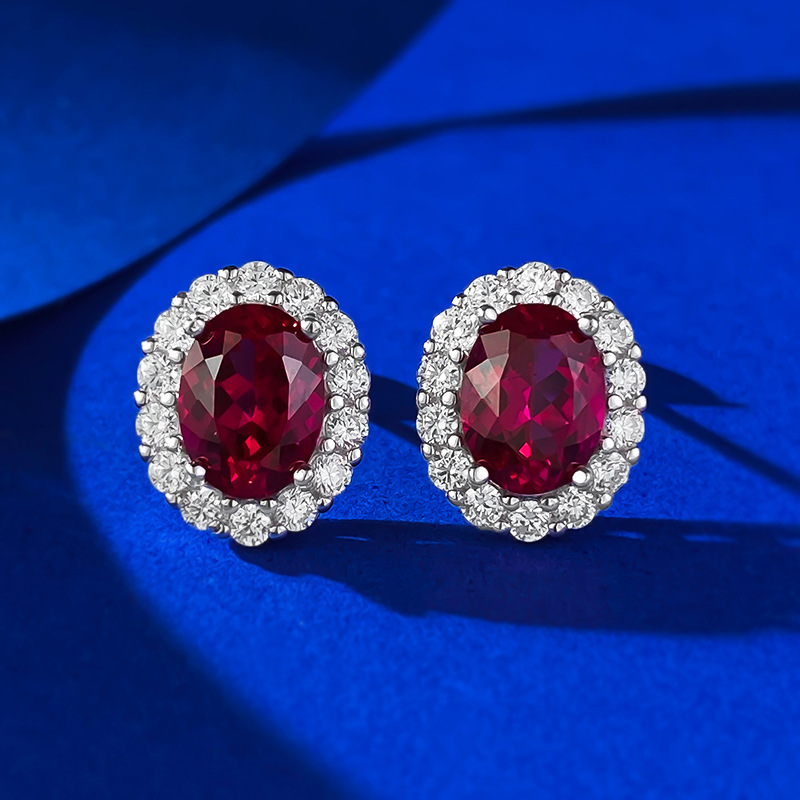
Conflict Free Wedding Rings Online: Compare Ethical Styles and Buy with Confidence
Conflict free wedding rings online make it easier to compare style, sourcing, and price in one place. You can review lab-grown stones, recycled metals, and different settings side by side, which cuts down on guesswork. Most shoppers want the same two things: a ring that feels personal and materials they feel good about wearing. I’ve helped hundreds of couples narrow this decision, and the pattern is always the same: once the options are clear, the right ring usually becomes obvious fast.
A beautiful ring also needs to stand up to daily wear. A strong product page should answer that before you click buy. Honestly, I think that’s where online shopping does its best work - it lets you slow down and compare the details that actually matter, instead of getting swept up in a showroom moment.
Why conflict free wedding rings online make sense
Conflict free wedding rings online give you more than convenience. They let you compare metal purity, stone reports, band width, and return terms without leaving home. That level of transparency is hard to match in a showroom with limited stock.
GIA says lab-grown diamonds have the same physical, chemical, and optical properties as mined diamonds. That makes them a strong option if you want beauty, durability, and a clearer sourcing story. If you want a simple match between ethics and value, this is often the first place to start.
Shopping online also opens up more styles than most local stores can carry. You can compare a 2 mm band with a 5 mm band, or a bezel setting with pavé, without leaving your sofa. That side-by-side view helps separate marketing from real craftsmanship, which is something I always appreciate when a purchase feels meaningful.
There’s also a calmness to online browsing that couples notice right away (trust me, I’ve seen it happen). Instead of feeling rushed, you can revisit favorites, read the specs twice, and make a decision that fits both your taste and your budget.
One overlooked advantage is documentation. A trustworthy online jeweler usually lists the exact karat, stone size, setting height, and finish, and often provides photos or videos at multiple angles. That matters because the same "classic" ring can look and wear very differently depending on whether the profile is low or high, whether the band is rounded or flat, and whether the surface is high polish or satin.
What to look for in conflict free wedding rings online
Start with the basics. The best product pages list metal type, stone type, cut, setting, finish, and band width. If any of those details are missing, ask Before You Buy.
It also helps to know what those details mean in real life. A ring can be ethical, but if the profile catches on clothing, the band feels too thin, or the stones are not securely set, it will not be enjoyable to wear. The goal is not just a moral label. The goal is a ring that holds up beautifully for years.
Metals, stones, and certifications
14k gold is 58.3% pure gold, while 18k gold is 75% pure. Platinum jewelry is usually 95% pure, which is one reason it feels dense and wears well over time. Those numbers matter because they tell you how the ring will age, not just how it looks on day one.
For wedding bands and engagement-style rings, the metal choice affects durability, color, maintenance, and price. 14k gold is usually the sweet spot for most buyers because it balances strength and value. 18k gold has a richer color but is a little softer. Platinum costs more, but it is naturally white, hypoallergenic for most wearers, and excellent for securing diamonds because it holds prongs well. Palladium is another white metal option in some collections, though it is less common than platinum. If you want the lowest day-to-day maintenance, platinum and 14k white gold are often the most practical picks, while yellow and rose gold are favored for their warmth and ability to hide wear a little better over time.
For stones, ask for a GIA or IGI report when a retailer offers diamonds. If the stone is lab-grown, the report should say so clearly. For metals, look for recycled content, responsible sourcing, or a direct explanation of where the material comes from. In my 10 years at StoneBridge, I’ve found that the couples who ask these questions early are almost always happier with the ring they end up wearing every day.
When comparing diamond specs, focus on the characteristics that affect appearance most:
- Cut: The biggest driver of sparkle and light return.
- Color: Usually more important in white metal settings than in yellow gold.
- Clarity: Many eye-clean stones offer better value than chasing a flawless grade.
- Carat weight: A measure of weight, not visual size alone.
For lab-grown diamonds, many shoppers find that an excellent cut with near-colorless grading gives the most appealing result. A well-cut 1.00 ct or 1.50 ct stone can look brighter than a larger stone with a mediocre cut. That is why certificates alone are not enough; the cut quality and real-life photos matter just as much.
If you are comparing stones, ask whether the retailer provides the full grading report, not just a summary. For natural diamonds, the report may show proportions, fluorescence, polish, and symmetry. For lab-grown diamonds, the report should clearly state that the stone was created in a lab. If you are buying a side stone or accent-paved ring, confirm whether the smaller diamonds are matched for color and clarity or whether the listing only certifies the center stone.
Styles, settings, and comfort
A solitaire keeps the look clean. Pavé adds sparkle. Channel-set rings protect stones better, and bezel settings offer a low-profile feel that works well for active hands. If you want a classic band, a polished or brushed finish usually keeps the design easy to live with.
Comfort matters too. Wider bands, especially 5 mm and above, can fit tighter than slim bands. If you’re unsure, use our ring builder to compare widths, or browse our jewelry collection to see how different finishes change the look. Pairing a wedding band with an existing ring? Start with engagement ring styles and test the Fit Before You commit.
Here’s what nobody tells you: the ring that looks boldest online is not always the ring that feels best in real life. A slightly wider band or a lower-profile setting can be the difference between "pretty" and "I never want to take this off."
There are practical tradeoffs behind every style. A tall prong-set ring may show more of the center stone and create a classic engagement look, but it can catch on gloves, sweaters, and hair. A bezel is smoother and more protective, but it covers more of the stone's edges and can make the diamond appear slightly smaller. Pavé bands add a lot of brightness, but tiny accent stones need periodic inspection because they are more exposed to wear. Channel settings protect side stones better than pavé, though they can make resizing a little more complicated depending on the design. If you work with your hands, cook often, lift weights, or keep your ring on all day, low-profile designs are usually the smartest choice.
How pricing works for conflict free wedding rings online
Pricing for conflict free wedding rings online depends on metal, stone type, design complexity, and brand markup. A simple 14k gold band may stay in the low hundreds. A platinum ring with lab-grown diamonds can move into the higher range, especially if the setting has extra detail.
That does not mean the most expensive ring is the best choice. It means you should pay for the parts you can see and wear every day. Conflict free wedding rings online often give you more design for the money because online stores can keep overhead lower and show the specs more clearly.
Yes, even on a budget, there are plenty of thoughtful choices. A clean band in recycled metal can feel refined and meaningful without stretching the budget too far, and that matters when you’re balancing wedding costs, travel, and everything else that comes with planning a celebration.
As a rough guide, many buyers see these pricing patterns: plain precious-metal bands often fall in the low hundreds, bands with small accents in the mid-hundreds, and rings with larger lab-grown diamonds or more elaborate settings in the high hundreds to several thousands. Custom work, hand engraving, mixed metals, and high-carat platinum designs can push the price higher. The important part is not finding the cheapest ring. It is understanding what you are paying for and whether the features you are buying will still matter after the first month of wear.
| Ring Type | What You Get | Typical Budget | Best For |
|---|---|---|---|
| Plain 14k gold band | Simple look, easy daily wear | Low to mid hundreds | Minimalists |
| Recycled metal band | Ethical material choice | Mid hundreds | Sustainability-focused buyers |
| Platinum band | Dense feel, strong finish | Mid hundreds to low thousands | Daily wear |
| Lab-grown diamond ring | Bigger look for less | High hundreds to several thousands | Sparkle-first shoppers |
| Custom pavé band | Detail and personalization | Several hundreds to several thousands | Style-driven couples |
If you want the best value, compare the total package, not just the sticker price. Check shipping, resizing, warranty coverage, and return windows Before You Order. Then compare with lab-grown diamonds if you’re deciding where to put the budget.
A useful way to think about value is cost per wear. A ring you can wear comfortably every day for years often offers better value than a cheaper ring you feel tempted to remove because it is too high, too sharp, or too delicate. If you are deciding between two similarly priced options, choose the one with the stronger setting, clearer documentation, and more generous service policy rather than the one with the flashier photos.
Diamond details that change what you see and pay for
When shoppers compare conflict free wedding rings online, they often start with carat size and stop there. That is a mistake. Carat affects scale, but the cut quality, setting style, and finger size can change how large a stone appears. A well-proportioned 0.90 ct stone can sometimes look very close to a 1.00 ct stone on the hand, especially in a bright setting with narrow prongs. Likewise, a halo can create the impression of more size, but it also adds maintenance and can shift the aesthetic toward more sparkle than simplicity.
Color is another area where online buyers can save money without sacrificing beauty. Near-colorless grades often look excellent in white gold or platinum, especially when the cut is strong. If you choose yellow or rose gold, you may be able to go slightly lower in color grade because the warmer metal masks subtle tint. Clarity is similar: many VS and even select SI stones are eye-clean, meaning you cannot see inclusions without magnification. Paying for a higher clarity grade only makes sense if the stone is large, the setting is open, or you want a collector-level diamond.
Shape matters too. Round brilliant diamonds usually deliver the most sparkle and tend to look classic in wedding-ring designs. Oval, pear, and marquise shapes can look larger for their weight and create a more elongated look on the finger. Emerald and Asscher cuts show clean geometry and a quieter kind of elegance, but they reveal clarity characteristics more easily. If you want a ring that feels timeless rather than trendy, round and oval are often the safest bets. If you want something distinctive, an elongated stone in a secure bezel or refined prong setting can be both practical and striking.
For accent stones, confirm whether the retailer uses natural diamonds, lab-grown diamonds, or another gemstone. On a pavé band, tiny stones are often chosen for visual effect and are less about gem report language than the overall craftsmanship of the setting. The quality of the pave work should be visible in the even spacing, consistent height, and tidy metal beads that hold each stone.
How to choose the right metal for daily wear
Metal choice affects how the ring ages, how often it needs polishing, and how it feels on the hand. If you want the strongest everyday performer, platinum is hard to beat. It is dense, durable, and develops a soft patina rather than losing metal quickly. That patina is a matter of taste: some people love the lived-in look, while others prefer a bright finish and occasional polishing.
White gold is popular because it gives a similar look at a lower price, but it usually needs rhodium plating to maintain a bright white surface. That means maintenance over time, which is not a problem if you know to expect it. Yellow gold is often the easiest to maintain visually because its tone stays consistent. Rose gold is similarly forgiving, and many buyers like the romantic warmth it adds to both simple bands and vintage-inspired designs.
If allergies are a concern, ask about nickel content. Some white gold alloys contain nickel, while others are formulated differently. Platinum is frequently a good choice for sensitive skin, and many buyers with allergies feel most comfortable there. If you lead an active lifestyle, remember that softer metals can show scratches faster. That is normal wear, not a defect, but it may influence whether you prefer 14k, 18k, or platinum.
The right choice depends on whether you care more about budget, color, scratch resistance, or a specific look. There is no universal winner. There is only the metal that matches your habits and expectations.
Sizing, fit, and comfort are not afterthoughts
Ring sizing is one of the most common places online shoppers go wrong. A ring that is too tight can feel frustrating during warm weather or after exercise. A ring that is too loose can spin, hit adjacent rings, or slip off when your hands are cold. Seasonal changes, humidity, and even the width of the band can affect fit.
As a rule, wider bands usually feel tighter than slim bands in the same size. A 2 mm band and a 6 mm band may not wear the same even if the listed size is identical. Comfort-fit interiors can help, especially for wider styles, because they have a rounded inner edge that slides on more easily and can feel less restrictive. If you already wear a ring on the same finger, measure that finger at several times of day and make sure you know whether the jewelry is sized to the exact circumference or to a nominal size chart that varies by brand.
For online shopping, the best approach is to use a professional ring sizer or request a sample sizing kit if the retailer offers one. Avoid guessing based on string, paper, or a random household tool if you are buying an important ring. If your fingers fluctuate, ask whether the retailer can accommodate a quarter size, half size, or custom fit. Not every design can be resized equally. Eternity bands, channel-set bands, and intricate pavé styles are often more difficult to adjust than plain metal bands, so get the sizing right before production whenever possible.
Also think about stacking. If the wedding ring will sit beside an engagement ring or another band, the combined width changes the feel on the hand. Two slim rings may be more comfortable together than one very wide band, and a contoured or curved profile can help the pieces align cleanly. Try to visualize the full stack, not just the wedding ring on its own.
Shipping, returns, and warranty terms to check before you buy
Service policies matter more than many shoppers expect. A ring can look perfect online and still be the wrong choice once it arrives. That is why return windows, exchange options, and resize policies should be part of the comparison.
Look closely at whether the retailer offers free returns, who pays return shipping, and whether custom items are final sale. Many made-to-order rings cannot be returned once production begins, especially if they are engraved or resized. If you are buying for a wedding date, ask about lead times and build in a cushion. A two-week estimate can become a problem if you need extra time for sizing or exchange.
Warranty coverage also deserves attention. Some retailers cover manufacturing defects, loose prongs, or stone loss for a limited period, while others offer extended protection for a fee. Clarify whether the warranty includes routine inspections, polishing, cleaning, rhodium plating, or re-tipping prongs. Those details can save money later, especially for rings with many tiny stones.
Shipping should be insured and trackable. For a high-value piece, signature confirmation and discreet packaging are important. If the retailer offers expedited production or shipping, use it only if the timing truly matters. It is better to order early and avoid rush pressure than to pay extra for a ring that still needs adjustment after arrival.
When you compare retailers, ask yourself three questions: Is the sourcing clear? Is the return policy realistic? Is the aftercare good enough for the kind of ring I’m buying? If the answer to any of those is vague, keep shopping.
How to buy conflict free wedding rings online with confidence
A clear product page does most of the work for you. Look for close-up photos, side views, and 360-degree images if they’re available. The more detail you can inspect, the easier it is to judge finish, scale, and stone placement.
Pay attention to the service policy too. A good retailer makes resizing, returns, and shipping easy to understand. If the ring is custom made, expect longer lead times and fewer return options, so read the fine print before you place the order.
Our customers often say the final decision comes down to fit and trust. That makes sense. You wear this ring every day, so the choice should feel steady, not rushed. There’s a real warmth to this part of the process too - choosing a ring is about more than jewelry; it’s one of the small, lasting symbols of a big promise.
Use this quick checklist Before You Buy Conflict Free Wedding Rings Online:
- Confirm the metal and purity.
- Check for a grading report or stone documentation.
- Review band width and comfort-fit details.
- Read the shipping, resize, and return policy.
- Compare the full cost, not just the base price.
Care is simple. Wash the ring with mild soap and warm water, dry it with a soft cloth, and store it away from harder pieces. Ask for a prong check or setting inspection once or twice a year if you wear the ring daily.
For regular care, remove the ring before using harsh cleaning products, swimming in chlorinated water, or doing heavy lifting that could bend prongs. A soft toothbrush can help clean around settings, but use gentle pressure. If the ring has pavé stones or a delicate head, keep the cleaning routine careful rather than aggressive. For satin or brushed finishes, be aware that polishing cloths can gradually change the surface texture, so use them sparingly unless you want a brighter look. Simple maintenance habits go a long way toward preserving both the appearance and the structural integrity of the ring.
Conflict free wedding rings online should feel easy to compare and easy to trust. If you still have questions, our team can help you narrow the field and make the final call.
Common mistakes to avoid when shopping online
One of the biggest mistakes is focusing only on ethics and ignoring durability. A ring can be sourced responsibly and still be poorly made. Check the setting quality, band thickness, and stone security, not just the sourcing language. Another common mistake is shopping by photo alone. Studio lighting can make a ring look larger, brighter, and more polished than it appears in normal daylight. If the seller does not show real-world images or video, be cautious.
Buyers also underestimate how much lifestyle should influence design. A ring that works for someone with a desk job may not work for someone who lifts boxes, plays instruments, gardens, or works in healthcare. If your hands are always active, prioritize lower settings, stronger metal choices, and fewer tiny stones in exposed places. If you wear gloves often, test whether the profile is smooth enough to slide comfortably.
Another mistake is assuming all resizing is easy. A plain band is usually straightforward to resize, but many ornate rings are not. Eternity bands, tension-set designs, and full pavé styles can have restrictions. If you are uncertain about finger size, choose a style that allows more flexibility or make sure the retailer explicitly supports sizing adjustments.
Finally, do not forget to compare the total lifecycle cost. A ring that needs frequent plating, repeated tightening, or special care may cost more over time than a slightly pricier ring with fewer maintenance demands. The smartest buy is not always the lowest sticker price. It is the ring that balances beauty, ethics, comfort, and upkeep in a way that fits your life.
Shop conflict free wedding rings online with confidence
If you’re ready to buy conflict free wedding rings online, start with the styles that match your day-to-day life. A slim band can feel refined. A wider band can feel bolder. A diamond-accented design can bring more sparkle without pushing you into mined-diamond pricing.
Conflict free wedding rings online give you room to choose the look, the metal, and the budget that fit your life. Browse the collection, compare a few favorites, and choose the ring that feels right now and still feels right years from now.
Need help deciding? Start with our jewelry collection, explore lab-grown diamonds, and build the version that fits your story with the ring builder.
Ready to Find Your Perfect Diamond?
Explore our collection of certified lab-grown diamonds
Shop Diamonds