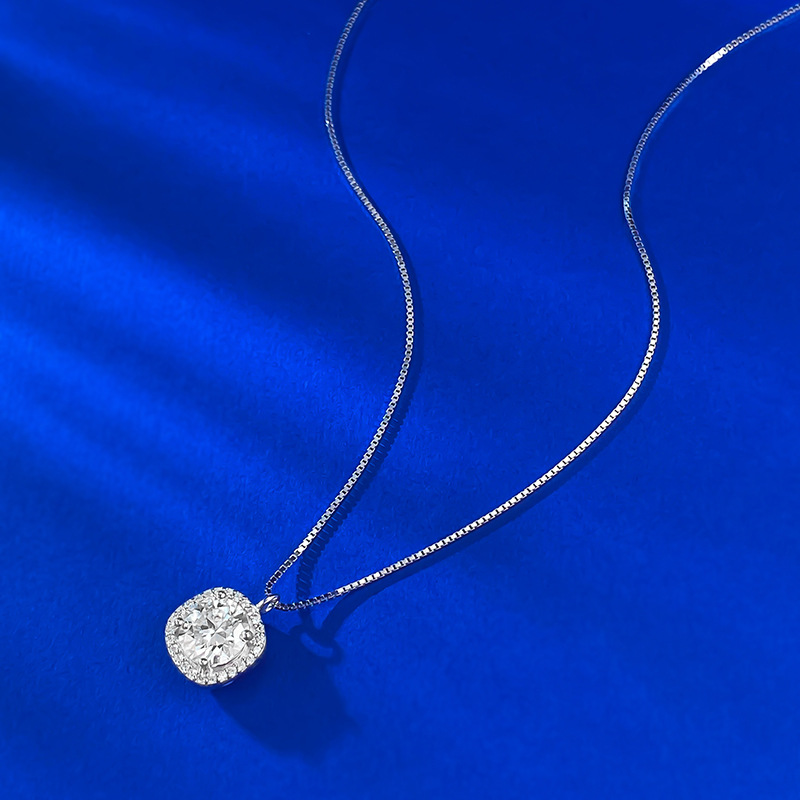
Jewelry Cleaning for Gemstone Settings: Safe Methods and What to Avoid
Jewelry Cleaning for Gemstone settings is about more than shine. The setting matters as much as the stone because dirt, loose prongs, worn bezels, and grit under the head can affect both the look and the safety of the piece. A ring can look clean on top and still need attention underneath.
The right method depends on the gemstone, any treatment it has, the setting style, and the metal. A diamond in a sturdy prong setting has very different care needs from an opal in a bezel or an emerald in a pavé halo. A fast clean is not worth the risk if it could lead to a repair.
If you are comparing at-home care, ultrasonic cleaners, and professional service, start with the stone and the mount. Most everyday buildup collects under the crown and around the prongs first, which is also where wear hides longest. If you are shopping for new pieces, browse our jewelry collection and explore our engagement rings with care in mind, not just style.
Why Gemstone Settings Need Special Care
Jewelry Cleaning for Gemstone settings means cleaning two things at once: the gem and the structure that holds it. That includes prongs, bezels, galleries, halos, channels, and the underside of the setting where lotion and soap film settle.
That hidden buildup does more than dull the sparkle. It can block light, trap moisture, and hide problems like a lifted prong or a cracked seat. GIA guidance also warns that porous, fracture-filled, dyed, coated, and oiled stones need gentler handling, and that advice matters here.
A few factors should guide the choice:
- Gem hardness. Diamond, sapphire, and ruby can handle more than pearl or opal.
- Treatment status. Filled, dyed, coated, or oiled gems need softer care.
- Setting style. Bezel, prong, halo, pavé, channel, tension, and vintage mountings all carry different risks.
- Metal type. Gold, platinum, and silver respond differently to cleaners and polishing.
- Risk level. High-value or sentimental jewelry deserves a slower, safer approach.
The best method is not the strongest one. It is the one that fits the stone and the setting. For jewelry cleaning for gemstone settings, that usually means starting gentle and moving up only when you know the piece can handle it.
Jewelry Cleaning for Gemstone Settings: The Safest At-Home Method
For most pieces, the safest place to start is warm water, mild soap, a soft brush, and a lint-free cloth. This routine removes oils and everyday dirt without heat, vibration, or harsh chemicals.
Step-by-step DIY cleaning
Use this basic method:
- Fill a small bowl with warm water, not hot water.
- Add a few drops of mild, ammonia-free soap.
- Soak the jewelry for 10 to 20 minutes.
- Brush gently around the prongs, under the stone, and along the underside of the setting.
- Rinse with clean lukewarm water.
- Dry with a microfiber cloth.
This works because it lifts grime without scraping the surface. It also gives you a chance to look at the setting while you clean. If the light catches a prong in a strange way, stop and inspect it.
Why this method works well
Jewelry cleaning for gemstone settings usually begins here because it has three clear strengths:
- Low cost. You only need a bowl, mild soap, a soft brush, and a cloth.
- Low risk. There is no vibration or heat.
- Easy to repeat. You can do it every 1 to 2 weeks for daily-wear pieces.
That simple routine keeps residue from building into a hard crust under the head. It also helps prevent dullness from spreading across small stones in pavé or halo designs.
Where DIY cleaning falls short
The limits show up fast on ornate pieces. A brush cannot reach every crevice, and some settings hold grit so tightly that hand cleaning only gets the surface.
Common trouble spots include:
- Pavé settings, where many small stones leave little room for a brush.
- Deep galleries, where oil and dust collect under the center stone.
- Channel settings, where residue sits along the walls.
- Vintage designs, where filigree and engraving trap debris.
DIY cleaning also will not tell you if a stone is loose. Jewelry cleaning for gemstone settings should always include a quick check under bright light after the piece dries. If the stone shifts, rattles, or looks uneven, stop and get it inspected.
Best use case for hand cleaning
Hand cleaning is the best choice for:
- Durable stones like diamond, sapphire, and ruby.
- Secure prong, bezel, and channel settings.
- Jewelry worn often but not heavily soiled.
- Buyers who want the safest low-cost option.
For many pieces, this is the default answer unless the stone or setting has a known caution.
Ultrasonic and Steam Cleaning: Powerful, But Not Universal
Ultrasonic and steam cleaning can help with jewelry cleaning for gemstone settings, but they are not the right fix for every piece. They reach places a brush cannot, and they can also create damage when the stone, glue, or mounting is already stressed.
How ultrasonic cleaning works
An ultrasonic cleaner uses high-frequency sound waves in a liquid bath. Those waves create tiny bubbles that lift dirt from prongs, crevices, and tight spaces. That makes it useful for intricate jewelry cleaning for gemstone settings, especially rings with small stones and detailed heads.
Consumer units usually cost about $30 to $200, depending on size and features. Professional machines do more, but even a home unit can be too strong for the wrong piece.
How steam cleaning works
Steam cleaning uses hot steam to loosen residue and push away grime. Jewelers often use it after other cleaning steps because it can bring back a strong shine on stable stones and sturdy metal. Heat is the tradeoff, and heat can be a problem for glued stones, fracture-filled gems, and older solder joints.
Where machine cleaning can help
Jewelry cleaning for gemstone settings may benefit from ultrasonic or steam cleaning when the piece includes:
- Diamonds in secure prong settings.
- Sapphires or rubies in well-kept mountings.
- Gold or platinum settings with heavy buildup in hard-to-reach spots.
- Modern pieces that have already been inspected.
That does not mean every diamond ring belongs in a machine. A strong stone can still sit in a weak setting.
Where it can damage jewelry
Avoid ultrasonic or steam cleaning if the piece includes:
- Opal, pearl, turquoise, amber, lapis lazuli, or other porous gems.
- Emeralds with common inclusions or fracture filling.
- Fracture-filled diamonds or treated colored stones.
- Loose stones, worn prongs, or bent channels.
- Vintage mountings with older joints or hidden fatigue.
GIA and other gem labs regularly warn that vibration, heat, and fast temperature change can stress these stones. That is why jewelry cleaning for gemstone settings needs a compatibility check before any machine goes on.
Tradeoffs to weigh
Ultrasonic and steam cleaning offer deeper cleaning, but they also raise the stakes. A tiny fracture can spread. A loose stone can move. A weak mounting can fail.
Use a machine only when one of these is true:
- A jeweler has already inspected the piece.
- The maker specifically approves the method.
- The gemstone is durable and untreated.
- The setting is modern, secure, and in good condition.
If the ring has not been checked in a while, inspection should come first.
Jewelry Cleaning for Gemstone Settings: Side-by-Side Comparison
The best method is the one that balances safety, cost, convenience, and cleaning depth for the actual piece in your hand.
Comparison table
| Method | Safety | Cleaning depth | Cost | Convenience | Best use case | Avoid if |
|---|---|---|---|---|---|---|
| Soap and water | High | Medium | Very low | High | Everyday care for sturdy stones and secure settings | Stone is porous, treated, or the setting is loose |
| Ultrasonic cleaner | Medium | High | Low to medium | High | Durable stones with intricate buildup and secure mountings | Opal, pearl, emerald, fracture-filled, or loose stones |
| Steam cleaning | Medium to low | High | Low at home, medium in shop | Medium | Solid, well-set diamonds and hard gemstones | Heat-sensitive gems, glued stones, vintage or fragile settings |
| Professional service | Very high | High | Medium | Medium | High-value pieces, heirlooms, unknown condition, or suspected wear | Rarely a bad choice, but it does require a jeweler visit |
What each method does best
- Hand cleaning is best for routine shine and low-risk upkeep.
- Ultrasonic cleaning is best for deep crevices when the setting is secure.
- Steam cleaning is best for residue removal on stable stones and metals.
- Professional service is best when you want cleaning plus inspection in one visit.
Jewelry cleaning for gemstone settings works best when the mount is treated as a structural part of the piece, not just decoration. The setting holds the stone, so any method that stresses the mount can put the gem at risk too.
Compatibility by gemstone type
Durable stones:
- Diamond. Usually handles routine care well, and many secure settings can handle careful ultrasonic use.
- Sapphire. Durable and suitable for most gentle cleaning methods.
- Ruby. Similar to sapphire in care needs.
Caution-required stones:
- Emerald. Often included, sometimes oiled, and sensitive to stress.
- Opal. Sensitive to heat, dehydration, and sudden change.
- Pearl. Soft and organic, so harsh cleaning is a bad idea.
- Turquoise. Porous and easy to damage with chemicals.
Jewelry cleaning for gemstone settings is simple only when the gem is durable and the setting is modern. Once treatment or porosity enters the picture, the safe path narrows fast.
Compatibility by setting style
- Bezel settings. Protective, but dirt can hide around the rim.
- Prong settings. Easy to clean, but prongs need regular inspection.
- Halo settings. Bright and attractive, but many small stones create more places for buildup.
- Pavé settings. Delicate-looking and often easiest to damage with brushing or vibration.
- Channel settings. Secure for many stones, though dirt can settle along the walls.
- Tension settings. Dramatic, but they deserve a professional check before any machine cleaning.
- Vintage settings. Beautiful, but often older and more fragile than they look.
The more detailed the setting, the more likely jewelry cleaning for gemstone settings should include magnification Before and After the wash.
How to Choose the Right Method
Start with the stone, then check the setting, then think about wear. If you follow that order, the choice gets much easier.
Match the method to the gemstone
Use this short guide:
- Diamond, sapphire, ruby: start with soap and water; consider professional ultrasonic or steam only if the mounting is secure.
- Emerald: use gentle hand cleaning and professional inspection.
- Opal, pearl, turquoise, amber: avoid ultrasonic and steam cleaning.
- Treated or fracture-filled gems: stay with gentle manual cleaning unless a jeweler says otherwise.
According to GIA-style care guidance, treatments matter as much as species. A gem that is usually durable can still be fragile if it has been filled, dyed, coated, or oiled.
Match the method to the setting
- Bezel: gentle soap cleaning is usually enough; check the rim for debris.
- Prong: clean carefully around each prong and look for movement.
- Halo: use a very soft brush and consider a jeweler if the stones are tiny.
- Pavé: favor hand cleaning and professional inspection; skip aggressive vibration.
- Channel: clean gently along the edges; do not force tools between stones.
- Tension: avoid DIY machine methods unless a jeweler confirms safety.
- Vintage: assume fragility until proven otherwise.
Jewelry cleaning for gemstone settings works best when you treat the setting as part of the stone’s safety system. If the mount weakens, the stone is the next thing at risk.
Decide by wear level
- Daily-wear rings: clean at home every 1 to 2 weeks, then inspect under light.
- Special occasion pieces: clean before and after wear if residue shows up.
- Heirloom pieces: schedule professional service before machine cleaning.
- Rings that snag or rattle: stop and inspect before cleaning again.
If a ring spins a lot, hits hard surfaces often, or has not been checked in months, get it looked at first. Contact our jewelry experts if you want help deciding whether the setting is safe for ultrasonic cleaning.
Choose safety, speed, or inspection
Choose safety first when:
- The gemstone is porous, organic, or treated.
- The setting is old, thin, or repaired.
- The piece has high sentimental or financial value.
Choose speed first when:
- You need a quick refresh for durable everyday jewelry.
- The stone and setting are both clearly stable.
Choose professional inspection when:
- You see movement in a stone.
- The piece shows visible wear.
- You are comparing cleaning with appraisal or insurance prep.
Jewelry Cleaning for Gemstone Settings: Best Overall Advice
For most buyers, the strongest plan is simple: use gentle at-home cleaning as the routine method, then add a professional inspection once a year or sooner if the piece gets heavy wear. That gives you shine, safety, and early warning all at once.
Best overall choice
Warm water, mild soap, a soft brush, and a microfiber cloth remain the least risky choice for jewelry cleaning for gemstone settings. They handle most daily dirt well, and they do not add heat or vibration.
For most diamond, sapphire, and ruby pieces in secure settings, that routine is enough to keep the piece bright between inspections. Industry experts also caution against jumping straight to ultrasonic cleaning because it can hide weak points instead of solving them.
Best choice by buyer type
- Delicate stones: use only hand cleaning unless a gemologist or jeweler approves more.
- Heirloom pieces: choose professional cleaning and inspection.
- Heavily worn daily rings: pair weekly at-home care with annual service.
- Newly purchased jewelry: ask for care instructions before using any machine.
Jewelry cleaning for gemstone settings is safest when the method follows the piece, not the other way around. Ask one question first: is the stone stable, and is the setting secure enough to handle more than a basic wash?
Why professional guidance matters
Jewelers and gemologists use magnification, light, and experience to catch tiny problems. They can spot loose melee stones in a pavé halo, worn tips on prongs, or grime trapped under the crown that a home cleaning will miss.
Our customers often bring in rings that looked fine until they were cleaned. Once the dirt washed away, a loose stone or thin prong became obvious. That is the kind of problem you want to find early.
If you want a shopping path that matches care needs with style, compare settings Before You Buy. A secure bezel may suit a low-maintenance buyer, while a detailed pavé ring may need more careful upkeep. If you are still deciding, browse our jewelry collection, explore our engagement rings, shop diamond details, or build a ring that fits your care style.
FAQ
What is the safest way to clean jewelry with gemstone settings at home?
The safest method for jewelry cleaning for gemstone settings is warm water, mild soap, and a soft brush used gently around the mount. This removes oils and daily debris without adding heat, vibration, or harsh chemicals. It works well for durable stones and secure settings. If the piece has a loose prong or a fragile gem, stop and get it checked first.
Can you use an ultrasonic cleaner on gemstone settings?
Some gemstone settings can handle ultrasonic cleaning, but not all of them should. It tends to work better on durable stones in sturdy mountings, while delicate, treated, fractured, or porous gems can react badly to vibration. If you are unsure, Ask A Jeweler to inspect the piece before you run a cycle. That check is worth more than a risky shortcut.
Which gemstones should never be cleaned with harsh chemicals?
Soft, porous, or treated stones such as opal, pearl, emerald, turquoise, and many organic gems should stay away from harsh chemicals. Those materials can discolor, dry out, or crack if they get the wrong cleaner. For jewelry cleaning for gemstone settings, gentle hand washing is usually the safer choice. If the stone has been oiled or filled, ask for care instructions from a professional.
How often should gemstone jewelry be cleaned?
Most everyday jewelry cleaning for gemstone settings works well with light care every 1 to 2 weeks. A professional inspection at least once a year is smart, especially for rings you wear daily. If the piece gets heavy wear, needs frequent lotion or hand sanitizer cleanup, or catches on clothing, you may need care more often. A quick look under bright light after each wash helps catch trouble early.
Is steam cleaning safe for diamond rings with gemstone settings?
Steam cleaning can be safe for some diamond rings with secure settings, but it is not right for every ring. Skip it if the stones are fragile, fracture-filled, glued in place, or set in a vintage-style mount with possible weakness. For jewelry cleaning for gemstone settings, hand cleaning plus inspection is the safer route when the ring’s history is unclear. If you want a second opinion, bring it to a jeweler before using heat.
Shop the Right Cleaning Setup
The best cleaning choice for jewelry cleaning for gemstone settings depends on the stone and the setting, not the label on the bottle. For most buyers, the winning mix is still a mild cleaning solution, a soft brush, and a microfiber cloth, plus professional inspection for anything valuable, delicate, or heavily worn.
If you are buying jewelry now and want easier care later, choose secure settings and durable gemstones. If you already own a more detailed piece, keep the cleaning simple and the inspection routine strong. Shop with care in mind at browse our jewelry collection, compare stone options in our engagement rings, or contact our jewelry experts if you want help matching a gemstone setting to the safest cleaning method.
Jewelry cleaning for gemstone settings protects both beauty and structure. Pick the method that fits the gem, the setting, and the wear, and the piece will stay in better shape for longer.
Ready to Find Your Perfect Diamond?
Explore our collection of certified lab-grown diamonds
Shop Diamonds