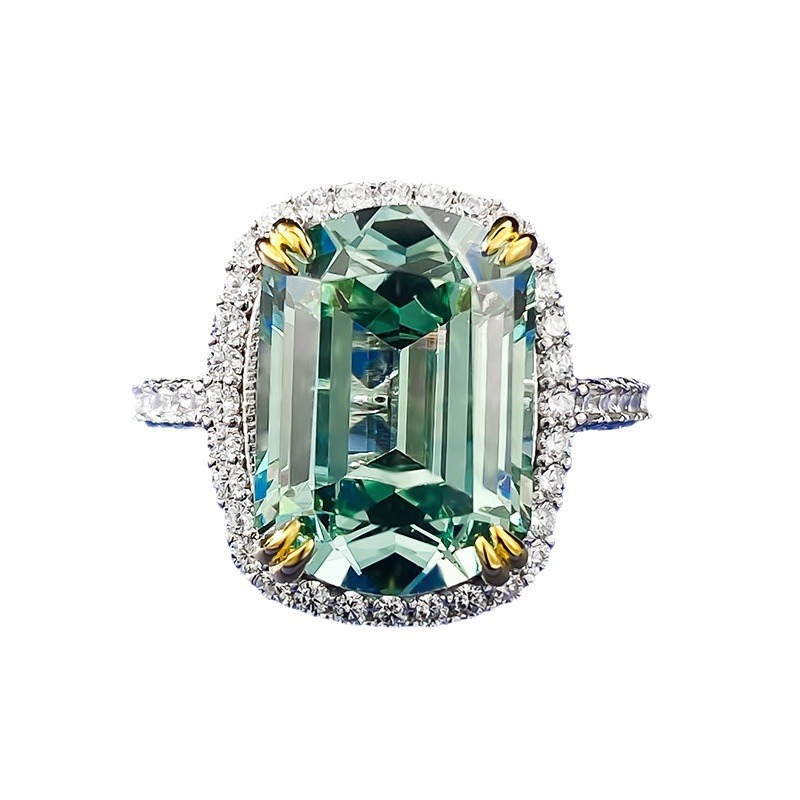
Compare Solitaire vs Bezel Ring Setting: Which Fits Your Life?
If you want to compare solitaire vs Bezel Ring Setting options, you're probably choosing between two distinct styles of beauty. A prong solitaire feels open, bright, and classic. A bezel setting feels smooth, secure, and modern.
The right ring depends on how you live, not just what looks pretty in a photo. Do you want the diamond as exposed as possible, or would you rather have a low-snag design that protects the stone's edge during busy days?
Here's the short version: choose a solitaire if sparkle and tradition matter most. Choose a bezel if security, comfort, and daily wear matter more. Both can be excellent choices for lab-grown diamond rings when the diamond is well cut and the setting is made with care.
Compare Solitaire vs Bezel Ring Setting: The Real Difference
To compare solitaire vs bezel ring setting choices fairly, start with the terms. A solitaire ring has one center stone. Most shoppers picture a diamond held by four or six prongs on a simple band, but a solitaire can also have cathedral shoulders, a knife-edge band, or a hidden halo.
A bezel setting describes how the diamond is held. A full bezel wraps the stone's outer edge with a continuous metal rim. A partial bezel covers only certain sides, leaving more of the diamond visible.
A ring can be both a solitaire and a bezel. Many shoppers use compare solitaire vs bezel ring setting to mean a classic prong solitaire versus a bezel-set center diamond. That's the comparison we'll use here.
Key factors to weigh include:
- Sparkle: How open do you want the diamond to look?
- Security: How much edge protection does the stone need?
- Comfort: Will the ring catch on gloves, sleeves, or hair?
- Lifestyle: Do you work with your hands or travel often?
- Maintenance: Are you comfortable with regular prong checks?
- Style: Do you prefer classic, modern, vintage, or architectural design?
- Budget: Should more money go toward the diamond or the setting?
Lab-grown diamonds make both styles more flexible. A 1.50 carat lab-grown diamond can cost far less than a comparable mined diamond, depending on grading and market conditions. That savings often lets buyers choose a better cut grade, a larger stone, platinum, or a custom setting.
Why Ring Setting Choice Matters
The setting changes how a diamond looks and feels on your hand. It affects profile height, snag resistance, perceived size, cleaning needs, and long-term wear.
A prong solitaire exposes more of the diamond. That open structure can make the stone look bright and easy to see from every angle. A bezel frames the outline, which can make the shape look crisp and sometimes visually larger, even though the rim covers a tiny part of the edge.
GIA notes that cut quality has a major effect on a diamond's brightness, fire, and scintillation, especially for round brilliant diamonds. The setting can support that performance, but it can't fix a poorly cut stone. Review cut, measurements, polish, symmetry, and grading reports before choosing the mounting.
StoneBridge customers who compare solitaire vs bezel ring setting styles often change direction once they think through daily habits. A nurse, teacher, chef, parent, artist, or frequent traveler may value a smooth profile more than an open side view. A careful wearer who removes jewelry during chores may prefer the classic sparkle of a prong solitaire.
Solitaire Ring Setting: Pros, Cons, and Best Uses
A solitaire setting puts one center diamond in the spotlight. The design is simple, but it isn't boring. With the right diamond, a solitaire can feel clean, elegant, and very personal.
Most solitaire rings use prongs. Four prongs show more of the diamond's outline. Six prongs add more metal contact and can feel more secure, especially for round diamonds.
Common solitaire styles include:
- Four-prong solitaire: Open, bright, and minimal.
- Six-prong solitaire: Classic, balanced, and a bit more protective.
- Cathedral solitaire: Raised shoulders support the center stone.
- Peg-head solitaire: Simple and streamlined.
- Hidden halo solitaire: Extra sparkle sits beneath the diamond.
- Knife-edge solitaire: A crisp ridge gives the band a sculptural look.
When shoppers compare solitaire vs bezel ring setting options, the solitaire usually wins on diamond visibility. You can see more of the stone's outline, pavilion, and profile. This matters for shapes like oval, pear, cushion, emerald, and marquise.
Solitaire Setting Advantages
A solitaire is popular because it gives the diamond room to do the work. Nothing competes with the center stone.
Main benefits include:
- Strong diamond exposure: Prongs leave more of the stone visible.
- Classic style: Solitaires rarely feel dated.
- Easy band pairing: They work with plain, pavé, curved, and anniversary bands.
- Flexible budget: Simple mountings can leave more room for diamond quality.
- Easier cleaning: Less metal around the stone can mean less trapped buildup.
A well-cut lab-grown diamond can look especially lively in a solitaire. If you're choosing an IGI or GIA-graded diamond with excellent proportions, the open setting helps show that choice.
Solitaire settings are also easy to personalize. You can choose yellow gold for warmth, platinum for durability, rose gold for softness, or white gold for a clean, bright look.
Solitaire Setting Drawbacks
The same open design that shows off the diamond also leaves it more exposed. Prongs can catch on sweaters, towels, gloves, or hair if they bend, lift, or wear down.
Possible drawbacks include:
- Prong upkeep: A jeweler should check prongs at least once a year for daily-wear rings.
- Exposed girdle: The diamond's outer edge has less metal protection.
- Higher profile: Some solitaire rings sit tall on the finger.
- Less protective for points: Pear, marquise, and princess cuts need thoughtful tips or corners.
This doesn't mean solitaires are fragile. A well-made solitaire can last for decades. It simply needs routine care, especially if you wear it every day.
If you're leaning classic, compare solitaire vs bezel ring setting choices by trying on profile heights, not just top-down views. A lower cathedral solitaire may feel much more practical than a tall peg head.
Bezel Ring Setting: Pros, Cons, and Best Uses
A bezel setting holds the diamond with a rim of precious metal. A full bezel surrounds the stone. A partial bezel protects selected sides or ends while keeping more of the edge open.
Bezel rings feel smooth on the hand. They don't usually snag the way prongs can, and they often sit lower. That makes them appealing for people who want a ring they don't have to think about all day.
Diamonds rate 10 on the Mohs hardness scale, but hardness doesn't make them immune to chips. Edges, points, and corners can still be vulnerable under a sharp impact. A bezel helps shield those areas with metal.
When buyers compare solitaire vs bezel ring setting styles for active routines, the bezel often comes out ahead. It gives the diamond a secure frame and reduces the chances of catching the setting on fabric.
Bezel Setting Advantages
A bezel's biggest strength is protection. The metal rim guards the diamond's edge and gives the ring a smooth, finished feel.
Key benefits include:
- Edge protection: The bezel covers the girdle or vulnerable points.
- Low-snag comfort: The smooth rim slides under gloves and sleeves more easily.
- Secure hold: Metal surrounds the stone instead of relying only on prongs.
- Modern look: Bezels feel clean, sleek, and intentional.
- Shape definition: The frame can sharpen the outline of oval, emerald, pear, and marquise diamonds.
Bezels can look beautiful in every metal color. Yellow gold creates contrast around a colorless diamond. Rose gold softens the design. Platinum gives the ring a durable, cool-toned finish. White gold keeps the frame subtle.
StoneBridge customers often choose bezels for travel, medical work, teaching, parenting, and hands-on hobbies. They like knowing the ring is less likely to catch on something during a busy day.
Bezel Setting Drawbacks
A bezel may not satisfy someone who wants the most open diamond view. Since the metal covers part of the edge, a full bezel can look more contained than a prong solitaire.
Possible drawbacks include:
- Less edge visibility: The rim covers a small part of the diamond.
- More metal presence: A thick bezel can feel heavy if the proportions are off.
- More bench work: Resetting or changing the center stone can be more involved.
- Different sparkle style: The diamond may look bright, but less airy.
Craftsmanship matters here. A slim, even bezel should hug the stone without swallowing it. Ask about rim thickness, profile height, and how much of the diamond will remain visible from the top.
If you compare solitaire vs bezel ring setting designs in person, pay close attention to scale. A delicate bezel can look refined. A bulky one can make the diamond look smaller than it is.
Solitaire vs Bezel Ring Setting Comparison Table
Use this table to compare solitaire vs bezel ring setting choices by the details that affect real wear.
| Criteria | Prong Solitaire Setting | Bezel Setting |
|---|---|---|
| Overall style | Classic, open, refined | Sleek, smooth, modern |
| Sparkle impression | Bright and airy | Bright but more framed |
| Diamond visibility | Very high | Edge partly or fully covered |
| Security | Strong with healthy prongs | Very strong edge protection |
| Snag resistance | Can catch if prongs wear | Excellent for daily wear |
| Comfort | Depends on height | Often low-profile and smooth |
| Maintenance | Prong checks needed | Cleaning around rim needed |
| Budget | Simple versions may cost less | More metal and labor can cost more |
| Best lifestyles | Careful wearers, classic shoppers | Active wearers, frequent travelers |
| Best shapes | Round, oval, cushion, emerald | Oval, emerald, pear, marquise, princess |
Cut quality still matters more than the setting alone. A poorly cut diamond won't become brilliant because it has prongs. A well-cut lab-grown diamond can sparkle beautifully in a bezel because the facets are doing the work.
For reference, a 1.00 carat round diamond often measures about 6.4 to 6.5 mm across. A 2.00 carat round diamond often measures about 8.1 mm, depending on cut proportions. A bezel around a larger diamond can look bold and defined, while a solitaire can make the same stone look more open.
Who Should Choose a Solitaire Ring?
Choose a solitaire if you want the diamond to take center stage. This setting suits buyers who love traditional engagement rings, visible sparkle, and easy Wedding Band Pairing.
A solitaire also works well if you're investing in a high-quality lab-grown diamond. If you choose a larger carat weight, a high color grade, or an excellent-cut round brilliant, the open setting keeps those details visible.
You may prefer a solitaire if you:
- Want a timeless engagement ring style.
- Love seeing the full diamond outline.
- Plan to stack with wedding or anniversary bands.
- Want more budget flexibility for the center stone.
- Don't mind yearly prong inspections.
If you want to compare classic profiles, cathedral settings, and modern solitaire details, explore StoneBridge's lab-grown engagement rings. You can also shop certified lab-grown diamonds by cut, color, clarity, carat weight, and report details.
When you compare solitaire vs bezel ring setting choices and keep coming back to open sparkle, a solitaire is probably your match.
Who Should Choose a Bezel Ring?
Choose a bezel if you want a secure, smooth ring that can handle a busy routine. This setting works well for people who wear gloves, travel often, care for children, or work with their hands.
A bezel is especially smart for diamond shapes with points or corners. Pear, marquise, princess, and emerald cuts can all benefit from added edge protection. Oval bezels are popular because they create a soft outline and strong finger coverage.
You may prefer a bezel if you:
- Want a low-snag ring for daily wear.
- Like modern, vintage-inspired, or architectural style.
- Worry about prongs catching on fabric.
- Want extra protection around the diamond's edge.
- Prefer a lower profile on the finger.
If you're choosing between ready-to-wear and custom design, try the StoneBridge ring builder. You can compare metal color, diamond shape, carat size, setting height, and band width before making a final choice.
When you compare solitaire vs bezel ring setting designs and comfort ranks first, a bezel deserves a serious look.
How to Choose Between Solitaire and Bezel
The best way to compare solitaire vs bezel ring setting options is to start with one honest question: how will you wear the ring on a normal Tuesday?
If you remove your jewelry for chores, workouts, and hands-on work, a solitaire may fit your routine beautifully. If you tend to leave your ring on through errands, travel, work, and family life, a bezel may feel easier.
Use this quick path:
- Want the most open diamond view? Choose a solitaire.
- Want the strongest edge protection? Choose a bezel.
- Wear gloves often? Choose a bezel or low-profile protected solitaire.
- Want easy wedding band pairing? Choose a solitaire.
- Choosing pear, marquise, princess, or emerald? Compare protective prongs and bezels.
- Unsure about height? Ask for side-view photos or try similar profiles in person.
Metal choice can shift the final look. Platinum and white gold keep the setting cool and crisp. Yellow gold makes the frame more visible. Rose gold adds warmth and softness.
Maintenance should be part of the decision too. Prongs need inspection for wear, lifting, or movement. Bezels need cleaning around the rim because lotion, soap, and sunscreen can dull sparkle.
StoneBridge Recommendation
There isn't one winner for every buyer. The best ring is the one that Fits Your Style, your schedule, and your comfort level.
Choose solitaire if you want:
- Classic brilliance and maximum diamond exposure.
- A clean engagement ring that centers the stone.
- Flexible wedding band styling.
- A setting that highlights cut quality and carat size.
Choose bezel if you want:
- A secure ring with a smooth profile.
- Extra protection for the girdle, corners, or points.
- A practical design for active daily wear.
- A framed look in yellow gold, rose gold, white gold, or platinum.
StoneBridge Jewelry can help you compare solitaire vs bezel ring setting options across lab-grown diamond rings, classic solitaires, oval bezel rings, east-west designs, and custom settings. If you're stuck between two styles, contact our jewelry experts for help with diamond shape, grading reports, setting height, and long-term care.
Final Buying Checklist
Before You Buy, compare diamond shape, cut quality, carat weight, metal, profile height, and upkeep. Review IGI or GIA grading details so you know the diamond's measurements, polish, symmetry, fluorescence, and inscription information.
If sparkle and tradition matter most, the solitaire setting is hard to beat. If comfort and protection matter more, the bezel setting is the practical favorite.
Ready to compare solitaire vs bezel ring setting choices with your own diamond preferences? Browse StoneBridge Jewelry's diamond jewelry collection, build your ring, and choose the design that fits your life as well as your style.
Ready to Find Your Perfect Diamond?
Explore our collection of certified lab-grown diamonds
Shop Diamonds