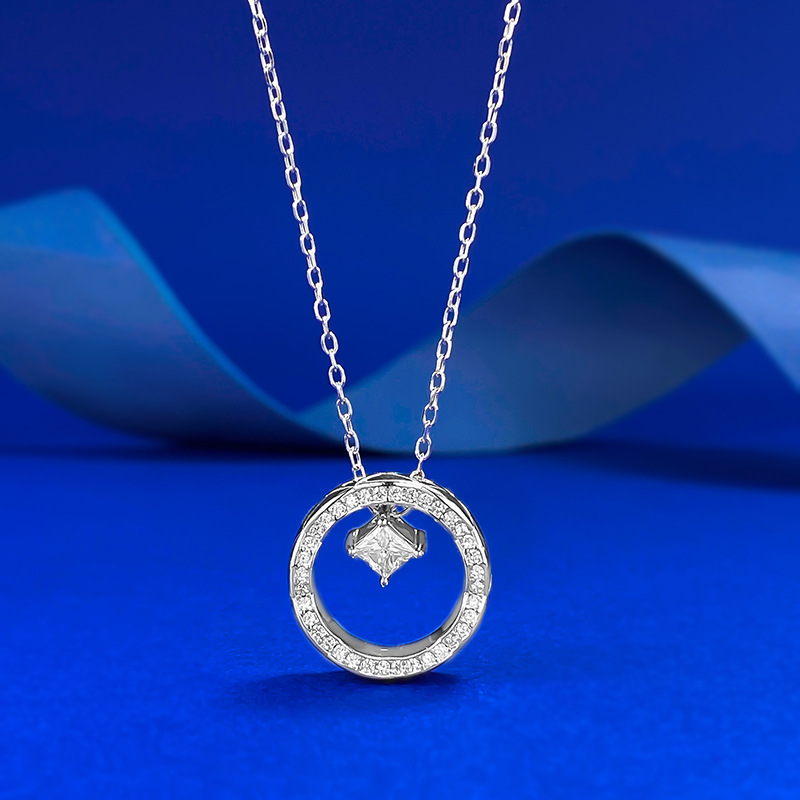
Compare Certified Jewelry Online: Buy with Confidence
If you want to Compare Certified Jewelry Online, start with proof, not polish. A pretty photo can catch your eye, but the report, specs, and seller policies tell you what you’re actually buying. That matters whether you’re shopping for a ring, pendant, earrings, or a gift with real meaning.
Certification helps cut through guesswork. For diamond jewelry, that usually means a grading report from a respected lab like GIA or IGI. For gemstone pieces, it may mean an identification report, treatment notes, or a retailer document that explains the stone clearly. Compare certified jewelry online the right way, and you’ll have a much better shot at finding real value instead of paying for marketing.
One quick example: two 1-carat diamonds can look similar in a listing and still differ a lot in price and sparkle. GIA and IGI reports make those differences easier to spot. That’s why many buyers and jewelers trust third-party grading instead of vague seller language.
There’s also a practical reason to be methodical. When you buy online, you can’t inspect the piece under a loupe or weigh it in your hand. You need the listing to tell the truth about dimensions, stone quality, metal content, and how the piece is built. The more complete the information, the easier it is to compare apples to apples and avoid a return you didn’t want to make.
What Certified Jewelry Means for Buyers
Certified jewelry is jewelry that comes with independent documentation about key quality details. That can include diamond grades, gemstone identity, metal purity, stone measurements, and sometimes treatment or craftsmanship notes. The certificate doesn’t replace the jewelry, but it gives you a reliable reference Before You Buy.
Why does that matter? Because labels like “beautiful” or “premium” don’t tell you much. A diamond report does. A stone’s Cut, Color, Clarity, and Carat weight can change both price and appearance in a big way.
When you compare certified jewelry online, the best listings make those facts easy to find. Look for the lab name, report number, and matching product specs. If the page hides the basics, that’s a sign to slow down.
Certification is especially useful when you’re choosing between similar-looking styles. A solitaire, halo, or three-stone ring can each use the same center size on paper, but the report and setting details may show very different value. One seller might use a top-cut diamond with a simpler mount; another may use a larger stone with weaker clarity or a lighter metal. The document trail helps you tell the difference.
How to Compare Certified Jewelry Online
The smartest way to compare certified jewelry online is to rank the facts before the price. Start with the report, then look at the metal, stone quality, setting, Photos, and Return policy. That order helps you judge value without getting distracted by the first number you see.
It also helps to compare at the same category level. A natural diamond ring should not be measured against a lab-Grown Diamond Ring as if they were identical purchases. Likewise, a 14K gold piece and a platinum piece can have very different durability, weight, and resale expectations. Similar-looking listings can still be built for different buyers.
Check the certification details first
Confirm who issued the report and what it covers. GIA and IGI diamond reports usually list carat, Cut, Color, Clarity, measurements, fluorescence, and comments. For colored stones, look for identity, treatment status, and origin if the seller provides it.
Ask yourself:
- Is the report from a recognized lab?
- Does the report number match the listing?
- Are the measurements and grades clear?
- Does the page say whether the stone is natural, lab-grown, or treated?
For diamonds, the lab name matters because grading standards can differ. A report that looks complete on the surface may still be less helpful if the lab is inconsistent or the grades are not as strict as you expect. If you want to compare Certified Jewelry Online with Confidence, use the report as the anchor and the price as the follow-up question.
Compare the metal type and purity
Metal choice affects comfort, durability, and price. A gold ring may be 10K, 14K, or 18K. Platinum pieces often use Pt950, which means 95% platinum. Sterling silver is usually marked 925.
If you compare certified jewelry online often, you’ll notice that 14K gold can be a smart balance for everyday wear. It’s usually tougher than 18K and still gives you that gold look. Platinum costs more, but many buyers like its weight and long wear life.
Think about skin sensitivity, too. Some buyers prefer platinum or high-karat gold because they want a lower chance of irritation, while others choose white gold for appearance and price. White gold is often rhodium-plated, which improves brightness but may need replating over time. Yellow gold tends to show wear less noticeably, while rose gold can be a good choice if you want a warmer tone and a slightly different look from the common white-metal trend.
Review gemstone quality, not just size
Stone quality drives much of the value in fine jewelry. For diamonds, compare the 4Cs: Cut, Color, Clarity, and carat. For colored gems, look at hue, tone, saturation, transparency, treatment, and origin when available.
A well-cut diamond can outshine a larger stone with weak proportions. That’s a real reason buyers who compare certified jewelry online often focus on cut first. Sparkle lives in the details.
Diamond shape matters, too. Round brilliants often deliver the most fire and return of light, while oval, pear, and marquise shapes may face up larger for the same carat weight. Emerald cuts tend to show clarity more openly, so small inclusions may be easier to spot. If you are comparing ovals or elongated cuts, pay attention to length-to-width ratio, because two stones with the same carat weight can look very different on the finger.
For colored gemstones, clarity alone is not the whole story. An emerald with moderate inclusions may still be desirable if the color is rich and the stone has good transparency. A sapphire can be more valuable because of an attractive, even blue than because of size alone. Treatments also matter: heat treatment is common in sapphires and rubies, while fracture filling or dyeing can affect value more significantly depending on the gem type.
Look at the setting and craftsmanship
The setting affects Security, Comfort, and Style. Prong, bezel, halo, pavé, solitaire, and three-stone designs all wear differently. Check whether the page lists setting height, band width, finish, and stone count.
Good craftsmanship usually shows up in small things:
- Even prongs
- Clean symmetry
- Smooth edges
- Secure stone seats
- A finish that looks consistent up close
The setting also changes how practical the piece is. A low-profile bezel can be better for daily wear, especially if you use your hands a lot. Prong settings show more of the stone and often allow more light in, but they may need more inspection over time. Pavé settings add sparkle at smaller budgets, though tiny accent stones can loosen if the ring takes heavy wear. If you are Buying an Engagement Ring, wedding band, or everyday pendant, ask how exposed the center stone will be and whether the style sits high enough to snag on gloves, sweaters, or pockets.
Study the photos and video
Strong images should show the piece from several angles. They should also give you scale. A ring that looks delicate in a close-up can feel much larger on a hand, and a pendant can look very different when worn.
If you compare certified jewelry online, don’t let polished photography do all the work. Photos should support the facts, not replace them. When the pictures and specs clash, trust the specs.
Look for videos that rotate the piece under normal lighting, not only in studio sparkle light. Good sellers also show a hand model, a ruler, or a size reference. Those visual cues help you judge whether a 1-carat center stone, a 7 mm stone, or an 18-inch chain will actually suit the wearer.
Read the return and warranty terms
A good return policy lowers the risk of Buying Jewelry Online. Many reputable sellers offer 14 to 30 days, though the exact terms vary. Warranty coverage may include defects, inspections, or limited maintenance.
Before checkout, check these points:
- Return window length
- Resizing rules
- Return shipping costs
- Warranty coverage and exclusions
- Inspection or appraisal support
Also look for any restocking fees, engraved-item exclusions, or timing restrictions. Some sellers require you to keep the original packaging, insurance tags, and report documents in place. If a return policy sounds easy but the fine print says otherwise, assume the fine print wins.
Side-by-Side Comparison Table
| Feature | What to Check | Why It Matters |
|---|---|---|
| Certification | Lab name, report number, matching specs | Confirms identity and quality |
| Diamond quality | Cut, color, clarity, carat | Shapes beauty and price |
| Metal type | 10K, 14K, 18K, Pt950, 925 | Affects durability and value |
| Craftsmanship | Setting security, finish, symmetry | Supports comfort and longevity |
| Photos/video | Angles, scale, close-ups | Helps you judge appearance online |
| Policy details | Returns, warranty, resizing | Lowers buying risk |
Key Specs That Matter Most
A product page works best when it reads like a spec sheet. The more complete the page, the easier it is to compare certified jewelry online and avoid surprises after delivery.
If you are comparing pieces for an engagement, anniversary, or milestone gift, use the specs to narrow your budget range before you fall in love with a style. A thoughtful buyer often starts with a target carat range, then adjusts color, clarity, or metal to stay within budget while protecting the look that matters most.
Diamond and gemstone details
For diamonds, check:
- Carat weight
- Cut grade
- Color grade
- Clarity grade
- Measurements in millimeters
- Shape, such as round, oval, emerald, or pear
- Fluorescence, if listed
- Polish and symmetry
For colored gemstones, check:
- Gemstone type
- Carat weight or dimensions
- Color description
- Treatment status
- Origin, if available
- Clarity or transparency notes
A 1.00-carat diamond and a 1.00-carat sapphire don’t follow the same value rules. Even two diamonds with the same carat weight can price out very differently if one has better cut quality or clarity. That’s why weight alone is never enough.
If you want a practical price guide, remember that round diamonds with strong cut grades and higher color or clarity grades usually sit at the top of the budget curve. Fancy shapes may offer a lower Price per Carat, but proportions and length can influence whether the stone looks well balanced. In gemstone jewelry, fine untreated or lightly treated stones can cost significantly more than treated stones with similar color, so treatment notes should be read as carefully as the carat weight.
Metal and build details
Metal specs matter more than many shoppers expect. A 925 sterling silver necklace may be beautiful, but it may need more care than platinum. A pavé ring should also list stone count, Total Carat Weight, and setting style when the seller wants your trust.
Useful metal details include:
- Metal type and purity mark
- Finish, such as high polish, matte, or rhodium-plated
- Approximate weight
- Band width or thickness
- Chain joints and solder points, when relevant
Weight and width are worth checking because they affect both strength and comfort. A thin ring can feel delicate but may bend more easily, especially if it is worn daily. A thicker band can be sturdier, though it may also feel less airy on the finger. If the piece uses multiple settings or accent stones, ask whether the under-gallery is open or closed, since that affects cleaning and how much light reaches the stone.
Size and fit information
Size changes the way a piece feels and looks. A low-profile halo ring may wear very differently from a taller cathedral setting. A 16-inch necklace sits closer to the collarbone than an 18-inch chain.
Use measurements to picture the real fit. If you compare certified jewelry online without checking dimensions, you can end up with a piece that looks right on screen but feels wrong in person.
For rings, get the finger size measured at a similar temperature to when the ring will usually be worn. Fingers can swell during the day, in heat, or after exercise. If you are between sizes, ask whether the retailer can size up, size down, or offer an insert. For bracelets, check internal circumference and clasp style. For earrings, inspect post length, leverback security, and total drop if you want something that sits close to the ear.
Typical Price Ranges and Budget Planning
Budget planning is easier when you know which factors move price the most. Small details in certification and build quality can shift the cost more than the size number on its own. A 0.90-carat diamond with excellent cut may cost more than a 1.00-carat stone with weaker proportions, and that is not unusual.
As a general online shopping pattern, simple silver gemstone jewelry can start in the low hundreds, 10K and 14K gold pieces often move into the mid-hundreds, and diamond rings or fine platinum designs can range from the low thousands upward depending on stone quality and setting complexity. Custom work, larger center stones, and rare gemstones can push prices much higher.
Use your budget in layers. First, decide whether the stone or the setting matters more. Then choose the metal and certification level that support that priority. If you care most about sparkle, Spend More on cut and a cleaner center stone. If you care about everyday durability, put more budget into the metal and setting construction. If you care about size appearance, compare shapes and millimeter measurements rather than only carat weight.
Why Certified Jewelry Is Easier to Buy Online
There’s a real advantage to shopping certified jewelry online when the retailer gives you full details. You get more selection, more price points, and more time to compare without pressure.
We’ve found that buyers usually feel more confident when a listing includes a lab report, clear photos, and plain-language specs. It’s easier to make a smart call when the facts are easy to see.
There’s also a practical reason certification helps. A recent industry estimate from De Beers put the online fine-jewelry market in the billions, and that growth has made clear documentation even more important. Buyers want to compare options quickly, and they don’t want to decode every listing from scratch.
Certification can also help with insurance and resale conversations later. If you can point to a recognized report from GIA or IGI, the piece is easier to explain and verify.
If you want to keep shopping after you compare certified jewelry online, you can browse our jewelry collection, shop our diamonds, or explore engagement rings.
What You’re Really Paying For
Price matters, but only if you know what drives it. When you compare certified jewelry online, you’re paying for the stone, the metal, the craftsmanship, the report, and the service behind the sale.
Main price drivers
The biggest factors usually are:
- Stone type and quality
- Carat weight and dimensions
- Cut quality or faceting precision
- Color and clarity for diamonds
- Treatment status for gemstones
- Metal purity and weight
- Design complexity
- Certification and documentation
A simple 14K gold solitaire with a well-cut center stone may cost less than a larger-looking halo ring with lower-grade stones. Bigger isn’t always better. Sometimes the cleaner, better-made piece wins.
It helps to compare the cost per feature instead of the sticker price alone. If two pieces are similar in look, but one includes better lab documentation, stronger metal, and better cut, the higher price may be justified. On the other hand, if a listing is priced above similar certified pieces without any extra craftsmanship or service, you may be paying for brand markup rather than quality.
Judge value, not just price
Ask these questions Before You Buy:
- Is the certification from a respected lab?
- Are the specs complete?
- Does the craftsmanship match the price?
- Are the return and warranty terms fair?
- Will the piece hold up to daily wear?
A higher price can make sense if the cut is better, the metal is stronger, or the seller offers better support. A lower price can be the better deal if the piece gives you the same core quality with less markup. Either way, value is the goal.
Sales and financing
A discount is helpful only if the product is already worth owning. Financing can also make sense if it lets you Choose a Better-built piece instead of settling for a weaker one. Just don’t let the payment plan distract you from the specs.
If a retailer offers monthly payments, check whether the listed price changes when financing is selected, whether interest applies, and whether early payoff is allowed. A good deal should still be a good deal when you read the full terms.
Buyer Checks Before You Order
Even certified jewelry should fit your life. Before you compare certified jewelry online and hit buy, think about sizing, Care, and Service.
Fit and size
For rings, size matters a lot. A loose ring can spin or slip, and a tight one can get uncomfortable fast. If you’re unsure, use our ring sizing guide before ordering.
For necklaces, length changes the look:
- 16 inches: close to the collarbone
- 18 inches: classic everyday length
- 20 inches or longer: lower drape and layering
For earrings, check weight, back style, and how they’ll sit on the ear. Studs, drops, hoops, and huggies each create a different feel.
If the item is a gift, size flexibility matters even more. Adjustable chains, open-back rings with resize room, or Earrings with Secure closures can make a present easier to wear right away. If you are ordering close to a holiday or proposal date, ask about production lead time so the piece arrives when you need it.
Care and maintenance
Certified jewelry still needs care. Store pieces separately so they don’t scratch each other. Clean them with methods that fit the metal and gemstone type. Skip harsh chemicals unless the jeweler says the piece can handle them.
A smart purchase is one you can keep in good shape. That’s why care instructions matter Before You Buy, not after.
Diamonds and sturdy metals can often handle gentle cleaning with warm water, mild soap, and a soft brush, but porous or treated stones may need more caution. Pearls, opals, emeralds with treatments, and some antique pieces should not be treated like everyDay Diamond Jewelry. If the seller doesn’t explain care by material, ask before ordering. That small step can prevent clouding, loosened settings, or damage to a finish that should have lasted longer.
Shipping, returns, resizing, and support
Before checkout, review the service details. Good retailers explain shipping speed, insurance, signature requirements, return deadlines, resizing options, and repair support.
These details matter most after the excitement wears off. Clear policies make online buying feel a lot safer.
Also check whether the shipment is fully insured during transit and whether the package requires adult signature. High-value jewelry should not be left on a doorstep. If the seller offers tracking and secure packaging, that’s another sign the business is set up for careful handling rather than rushed fulfillment.
Common Mistakes to Avoid
Most bad Online Jewelry Purchases come from a small set of avoidable mistakes. The good news is that each one is easy to spot once you know what to look for.
- Choosing by carat alone instead of cut, dimensions, and proportions
- Ignoring the lab name or report number
- Overlooking metal purity and finish
- Buying without checking ring size or chain length
- Skipping the return policy because the price looks good
- Confusing lab-grown and natural stones
- Assuming all gemstone treatments are equally acceptable
Another common mistake is comparing a close-up image from one seller with a standard product shot from another. Lighting can make a stone look whiter, cleaner, or larger than it really is. Use the report, measurements, and policy terms to ground the decision in facts, not just presentation.
Where to Shop with Confidence
The best place to compare certified jewelry online is a retailer that makes facts easy to verify. Look for clear certification, strong product details, honest photos, and policies you can understand without digging.
A trustworthy seller usually offers:
- Third-party certification details
- High-resolution photos and measurements
- Clear return and warranty terms
- Easy access to sizing and care help
- Responsive customer support
If a site makes you work hard to find basic specs, keep looking. You should be able to compare certified jewelry Online Without Guesswork.
If you are choosing between a few finalists, read the listings as if you were auditing them. Which one gives the best evidence? Which one explains the stone clearly? Which one tells you how the piece will wear after months of use? The best choice is usually the one that answers those questions directly.
If you’re ready to narrow your list, start with our curated collections, compare the details that matter, and choose the piece that fits your Style and Budget. You can browse our jewelry collection or explore engagement rings when you’re ready.
FAQ
How do I compare certified jewelry online before buying?
Start with the certification, then compare the stone quality, metal type, Photos, and Return policy. That order helps you spot real value faster. If one listing is missing key specs, treat it as a warning sign and keep looking.
What should I look for on a certified jewelry product page?
Look for the lab name, report number, full stone details, and clear metal information. Good product pages also show measurements, treatment notes, and honest photos. When you compare certified jewelry online, the best listings make the facts easy to scan.
Is certified jewelry worth buying online?
Yes, certified jewelry is often a smart online buy because it gives you more proof and fewer surprises. The report helps you compare quality across sellers in a more objective way. That usually makes it easier to find strong Value for Your Budget.
How can I tell if a jewelry retailer is trustworthy?
A trustworthy retailer shows certification, clear specs, and fair return terms. It also makes contact information easy to find and explains warranty coverage in plain language. If the store helps you compare certified jewelry online without confusion, that’s a strong sign.
What is the difference between certified and non-certified jewelry?
Certified jewelry comes with documentation that verifies key quality details, while non-certified jewelry may not. That report helps you compare value more accurately and shop with more confidence. It’s especially useful when you want to compare certified jewelry online across several styles or brands.
Should I prioritize cut, color, or clarity first?
For most diamond buyers, cut comes first because it has the biggest Effect on Sparkle and overall appearance. After that, Color and Clarity can be balanced against budget and shape. If you want a better-looking stone at the same price, a strong cut is usually the best place to spend more.
Do lab-grown diamonds need certification too?
Yes. Lab-grown diamonds should still come with a proper grading report so you know the carat weight, quality grades, and whether the stone is correctly identified. That documentation helps you compare certified jewelry online without mixing up natural and lab-grown options.
How important are resize and warranty policies?
Very important, especially for rings. A resize option can save a purchase that is otherwise perfect, and a good warranty can help cover small repairs or maintenance over time. If the seller does not explain those terms clearly, it is better to keep looking.
Ready to Find Your Perfect Diamond?
Explore our collection of certified lab-grown diamonds
Shop Diamonds