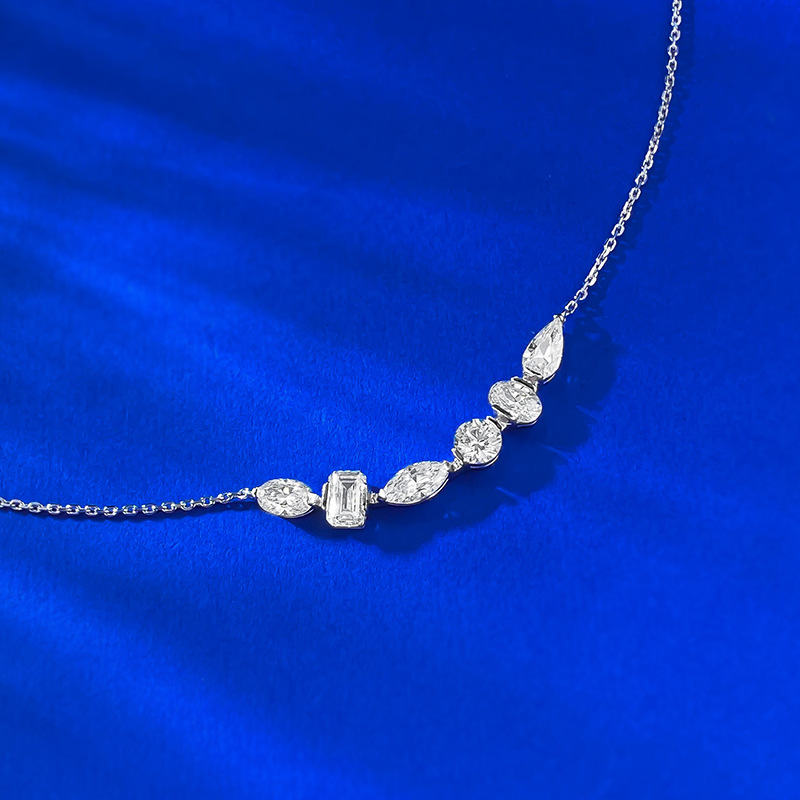
How to Shop for Certified Jewelry Online with Confidence
Shopping for Certified Jewelry Online gets easier once you know what proof matters. A clear report, honest product details, and a fair return policy tell you more than polished photos ever will. If you want a piece that Fits Your Style and budget, start with the facts.
Certified jewelry gives you a third-party reference point. That may be a Diamond Grading Report from GIA or IGI, a gemstone report, or another document that supports the seller’s claims. It matters even more online, because you can’t inspect every ring, pendant, or bracelet in person.
The goal is not to become a gemologist. The goal is to know enough to compare listings accurately, avoid weak claims, and choose a piece that holds up in real life. That means learning how to read the report, what to expect from the metal and setting, and how to judge whether the price fits the quality.
What Certified Jewelry Means Online
Certified jewelry is jewelry sold with independent documentation that backs up its stated quality, authenticity, or grading details. For diamonds, that usually includes a report number, measurements, shape, and grades for Cut, Color, Clarity, and Carat weight. For colored stones, the report may confirm the stone type and key identifying details.
That paperwork gives you something solid to compare. Instead of trusting vague phrases like “excellent sparkle,” you can Check the Report and decide if the price makes sense. Shopping for Certified Jewelry online becomes much simpler when the listing and the document tell the same story.
Not every certificate carries the same weight. GIA and IGI are widely recognized names in the jewelry trade, and their reports are easy to verify. If a seller won’t say who issued the report, that’s a red flag. Buy with the proof in hand, not after the fact.
It also helps to understand what certification is not. A certificate is not a promise that a diamond looks perfect to the eye, and it is not the same as an Appraisal for Insurance. An appraisal may assign a replacement value, while a grading report describes what the stone is. Those are related documents, but they serve different purposes.
What to check on the certificate
Before You Buy, confirm these basics:
- The issuer name is clear and recognizable.
- The report number matches the listing.
- The stone type, shape, and measurements line up.
- The grading terms are easy to read and consistent.
- The report can be checked on the issuer’s site.
A real certificate should feel specific. If a listing only says “certified” without naming the lab, that’s not enough. The same goes for cropped screenshots, missing report numbers, or vague claims with no document attached.
For diamonds, pay close attention to the exact shape and dimensions. An oval, cushion, round, emerald, or pear shape can all look very different at the same carat weight. You should also confirm whether the report number is laser-inscribed on the girdle if that detail matters to you, especially on higher-value stones.
How to Compare Certified Jewelry Listings
Shopping for Certified jewelry online works best when you compare similar pieces side by side. Two items can look alike in photos and still differ a lot in quality and price. The goal is to compare apples to apples, not just chase the biggest carat number.
For diamonds, the 4Cs still matter most: Cut, Color, Clarity, and carat weight. Cut often has the biggest Effect on Sparkle, which is why a well-cut stone can look brighter than a heavier one. Color and Clarity affect rarity, while carat weight affects size and price.
Metal choice matters too. White Gold, Yellow Gold, rose gold, platinum, and sterling silver each wear and age differently. Platinum is dense and durable. Gold alloys vary by karat, so check purity before you compare prices.
You should also compare whether the piece is ready-to-ship, made-to-order, or custom. Ready-to-ship jewelry is often less flexible on size or design changes, but it can arrive faster. Custom pieces may cost more and take longer, yet they can better match the shape, finger size, or style you actually want.
Compare the full product profile
Review these details together:
- Metal type and purity level
- Center stone or gemstone type
- Cut, color, clarity, and carat weight for diamonds
- Measurements in millimeters, not just carat weight
- Setting style and number of accent stones
- Ring size, chain length, or bracelet fit
- Finish, polish, and design details
Measurements matter more than many shoppers expect. A 1.00-carat diamond can face up larger or smaller depending on its proportions. The same is true for a band or setting, where width and height can change the way a piece looks and feels.
For example, a slim 1.8 mm band may look delicate and stack well with other rings, while a 2.5 mm band feels more substantial and usually wears more sturdily over time. A low-profile setting sits closer to the finger and is often more practical for daily wear, while a tall basket setting gives the center stone more visibility. Those details affect comfort just as much as appearance.
Read photos the right way
Good photos help, but they can’t replace specs. Look for images that show scale, like a ring on a hand or a necklace on a neck. Side views are useful too, especially if you want to judge stone height or band thickness.
Product language needs a careful read. Words like “delicate” or “statement size” are subjective. Numbers do the real work. A 1.8 mm band and a 2.6 mm band can look close in a thumbnail, but they wear very differently.
Try to identify whether the photos are styled for marketing or captured from the actual item. Some retailers show only idealized images, while others include shots of the exact piece from multiple angles. The second approach is better when you are shopping for certified jewelry online because it reduces surprises about color, proportion, or finish.
Why Buying Certified Jewelry Online Can Save Time and Money
Shopping for certified jewelry online gives you more control over the process. You can compare reports, prices, and styles without rushing through a showroom visit. That alone can help you make a better choice.
You also get clearer pricing. When a listing shows the report and the specs, you can see what you’re paying for. That makes it easier to spot value and avoid paying extra for a piece that only sounds better in the description.
Customers often feel more confident once they compare a few certified pieces side by side. It’s not just about price. It’s about knowing why one item costs more than another.
A simple example helps. If two diamonds differ by just one color grade or one clarity grade, the price gap can be noticeable. Industry pricing data also shows that carat pricing isn’t linear. A stone just above a popular size threshold can cost more than one just below it, even when the difference is tiny.
That is why many smart buyers look for value in the details. A well-cut diamond at 0.90 carat may appear close in size to a 1.00-carat stone but cost less. The same logic applies to colored gemstones, where eye appeal, saturation, and clarity may matter more than a larger number on paper.
Diamond Specs That Matter Most
If you are Buying a Diamond ring, pendant, or pair of earrings, the certificate is only part of the story. The most useful diamond specs are the ones that affect visual performance, wearability, and long-term satisfaction.
Cut is usually the most important factor for sparkle in Round Brilliant Diamonds. A well-proportioned stone with strong light return can look more lively than a larger diamond with weak cut quality. For fancy shapes such as oval, pear, cushion, or emerald, the lab report still matters, but you also need to judge shape appeal, bow-tie effect, and how evenly the facets reflect light.
Color grades are about how much tint a diamond shows relative to the grading scale. Many shoppers prefer near-colorless grades because they balance value and appearance well, especially in white metals. Clarity grades measure internal inclusions and surface blemishes. Some inclusions are invisible to the naked eye, so eye-clean stones can offer better value than chasing top clarity grades unnecessarily.
Carat weight affects size, but millimeter measurements tell you how the diamond actually faces up. Two diamonds with the same weight can look different because of depth and spread. When you are comparing certified jewelry online, use both the weight and the dimensions to understand what you are getting.
For engagement rings and similar high-visibility pieces, also check fluorescence, polish, symmetry, and whether the stone is treated. Fluorescence is not always a problem, but it can matter depending on strength and body color. Treated stones should be disclosed clearly so you know exactly what you are buying.
Practical diamond ranges to know
While every buyer has a different budget, these ranges often help in the early search:
- Budget-focused shoppers often look near 0.25 to 0.50 carat for accent pieces or smaller center stones.
- Many engagement ring buyers compare 0.70 to 1.20 carats for a balance of presence and price.
- Shoppers seeking a statement look often consider 1.50 carats and up, especially in simple solitaire settings.
- Color and clarity can often be balanced for value if the diamond remains eye-clean and attractive face up.
These are not rules. They are starting points that help you set a realistic Budget Before You fall in love with a listing that stretches it too far.
Metal Choices and What They Mean
The metal is more than a backdrop. It affects durability, maintenance, color preference, and the overall cost of the piece. A smart buyer checks the metal grade just as carefully as the stone certificate.
Gold is commonly sold in 10K, 14K, and 18K forms. Ten-karat gold is more durable and often more affordable because it contains less pure gold. Fourteen-karat gold is a popular middle ground for daily wear. Eighteen-karat gold has a richer color and higher gold content, but it can be slightly softer and more expensive.
Platinum is dense, naturally white, and known for strong everyday performance. It tends to cost more than gold, but many shoppers like its feel and long-term durability. White gold is a popular alternative because it looks similar at first glance and may cost less, though it often needs rhodium replating over time to keep its bright white appearance.
Rose gold has a warm pink tone that works well with many skin tones and vintage-inspired designs. It can be a good choice if you want something distinctive without sacrificing durability. Sterling silver is more affordable and works nicely for fashion jewelry, but it is less ideal for pieces meant to be worn daily if you want maximum longevity.
If you are buying a ring with side stones or pavé details, the metal choice can affect how often you need maintenance. Softer metals may show wear faster on thin prongs or delicate edges. For those styles, sturdier construction and careful inspection matter as much as the metal color.
What to Check Before Checkout
Before you place an order, make sure the practical details are right. Rings need the correct size. Necklaces need the right length. Bracelets need enough room to wear comfortably without slipping.
Check the retailer’s resize policy if you’re buying a ring. Some settings are easy to alter, but eternity bands and full pavé styles can be harder to adjust. If you’re buying a chain or bracelet, confirm clasp type, extension length, and fit.
Shipping and protection matter too. Look for insured shipping, tracking, and signature confirmation. A serious retailer should also offer clear support if something arrives damaged or doesn’t match the listing.
Ask whether the package is discreet. Many shoppers prefer plain outer packaging for security. It is also worth confirming whether the certificate travels with the item or ships separately. If the document is separate, you should know exactly how and when it will arrive.
Final checkout checklist
- Confirm ring size or chain length
- Review return and exchange terms
- Check resize options and fees
- Verify warranty and maintenance coverage
- Look for insured shipping
- Use a secure payment method
- Save the certificate and order confirmation
If sizing feels uncertain, use our ring size guide or talk with a specialist Before You Order. You can also build your ring to compare Styles and Fit before checkout.
How to Handle Ring Sizing, Fit, and Comfort
Ring size mistakes are common online, and they can be expensive if the design is difficult to alter. The safest approach is to measure more than once and confirm whether the style has sizing limitations. Wide bands, stacked designs, and rings with stones around the entire circumference may fit differently than a simple plain shank.
Temperature, time of day, and hand shape all affect fit. Fingers may swell in heat or after exercise, and a ring that feels comfortable in the morning may feel tighter later in the day. If you are between sizes, ask the retailer whether the design should be ordered up or down based on band width and shape.
For bracelets, look at both length and closure type. A tennis bracelet should move a little but not spin excessively. A chain bracelet with an extender may offer more flexibility for gifting. Necklaces should be chosen with the wearer’s neckline and layering habits in mind, since a 16-inch chain sits very differently from an 18- or 20-inch chain.
Earrings also need attention to comfort. Posts, backs, and drop length can affect how often a pair gets worn. Heavier drops or chandelier styles may look elegant but feel less practical for all-day use.
Why Certificates Matter for Trust and Resale
A certificate does more than label a stone. It gives you a record you can use later for insurance, resale, or repairs. That’s especially helpful if you’re making a larger purchase and want a paper trail that’s easy to reference.
It also reduces guesswork. A buyer looking at two similar rings may not see much difference in photos, but the report can show a real gap in quality. That’s where shopping for certified jewelry online becomes smarter and safer.
For many shoppers, the biggest comfort is simple: the item can be checked. You’re not relying on a sales line or a blurry image. You have a document, a report number, and a clear path to verify the details.
Resale value is never guaranteed, but complete documentation helps. If you keep the original report, receipt, warranty card, and packaging, future buyers or insurers can more easily confirm the piece. That matters most for engagement rings, luxury gemstone pieces, and higher-value jewelry where documentation adds confidence.
A Simple Way to Compare Three Listings
If you’re stuck between a few options, slow down and compare the reports first. Then compare the measurements, metal, and setting. After that, look at price and policies.
This order keeps you from getting pulled in by the prettiest photo. It also makes it easier to see whether one seller is offering better value or just better wording.
Here’s a practical rule: if the first two items are close, choose the one with clearer documentation and stronger return terms. That small difference can save a lot of regret later.
When comparing listings, watch for tiny changes that affect price more than appearance. A slightly better cut grade, a cleaner clarity grade, or a heavier platinum setting can push cost up quickly. On the other hand, a piece that looks nearly identical in photos may save money if the stone is slightly smaller or the metal is a lower karat.
Common Mistakes When Shopping Online
One of the most common mistakes is focusing on carat weight alone. A heavier stone is not automatically prettier, better cut, or better value. A second mistake is ignoring measurements and assuming that all stones of the same weight will look the same on the hand.
Another frequent issue is overvaluing a marketing phrase. Words like “heirloom quality,” “investment piece,” or “premium sparkle” do not replace a real certificate or a clear return policy. A good listing proves quality with details, not slogans.
Some buyers also forget to factor in total ownership cost. Shipping, tax, resizing, warranty coverage, and future maintenance can change the final price meaningfully. If a ring needs replating or annual prong checks, those costs may matter more than a small difference in the sticker price.
Finally, do not skip the return window. Even a well-documented item can feel different in person. A 30-day return policy with insured return shipping is much better than a vague promise to “contact customer service.”
How to Care for Certified Jewelry After Delivery
Once your piece arrives, inspect it before wearing it regularly. Compare the item to the certificate and order confirmation, then check the prongs, clasp, chain, and any accent stones. If something looks off, contact the seller right away while you are still inside the return window.
Routine care keeps certified jewelry looking its best. Clean most diamond and gold pieces gently with warm water, mild soap, and a soft brush. Dry with a lint-free cloth. Avoid harsh chemicals, ultrasonic cleaners, or steam unless the retailer confirms they are safe for your specific Stone and Setting.
Gemstones need more caution. Emeralds, opals, pearls, and some treated stones can be sensitive to heat, moisture, or chemicals. If a piece includes softer stones or glued components, ask for care instructions before you clean it at home.
Store jewelry separately to prevent scratches. Soft pouches or lined compartments work well, especially for pieces with pavé, polished gold, or high-shine platinum finishes. For rings worn daily, periodic inspection by a jeweler helps catch loose prongs or wear before damage becomes serious.
Frequently Asked Questions About Shopping for Certified Jewelry Online
How do I know if a certified jewelry report is real?
Check the issuer, report number, and product details against the listing. GIA and IGI reports are easy to verify on the lab’s site, which helps confirm that the document matches the item you’re buying. If the seller hides the report number or only shares a cropped image, be careful. Shopping for certified jewelry online should always give you a clear paper trail.
Is certified jewelry worth it when buying online?
Yes, especially for higher-value pieces. A certificate gives you a clearer way to compare stones, metals, and settings without relying on sales language alone. It can also help with insurance and future resale. For many buyers, that extra Clarity Is Worth the price.
What should I compare besides the certificate?
Look at the full product details: measurements, metal type, setting style, and return policy. Photos help, but they can’t show everything, especially size and depth. If you’re shopping for certified jewelry online, the written specs matter just as much as the report. That’s how you avoid surprises after delivery.
Can I return or resize certified jewelry bought online?
Usually, yes, but it depends on the retailer and the piece. Rings with simple settings are often easier to resize than eternity bands or full pavé styles. Always check the policy before checkout, and ask about fees if resizing isn’t free. Good retailers make those rules easy to find.
What’s the safest way to buy certified jewelry online?
Buy from a seller that shows the report, lists full specs, and offers insured shipping and clear returns. That combination gives you more control if the piece doesn’t match your expectations. It also makes shopping for certified jewelry online feel a lot less risky. Compare at least three reputable listings Before You Decide.
What should I budget for a certified piece?
Budget depends on the category, but the stone, metal, and craftsmanship all matter. A simple certified pendant or small diamond ring may stay within a few hundred dollars, while a higher-quality engagement ring or fine gemstone piece can move into the thousands. It helps to decide your maximum spend first, then compare Pieces That Fit that range rather than stretching once you start browsing.
Shop Certified Jewelry with Confidence
The best approach is simple: verify the report, compare the specs, and buy from a retailer that stands behind the piece. If you do that, shopping for certified jewelry online gets much easier and a lot less stressful. You’ll know what you’re paying for, why it costs what it does, and how it should fit.
Ready to keep going? Explore engagement rings, browse our jewelry collection, or contact our team if you want help Choosing the Right piece. You deserve jewelry that looks beautiful and checks out on paper, too.
Ready to Find Your Perfect Diamond?
Explore our collection of certified lab-grown diamonds
Shop Diamonds