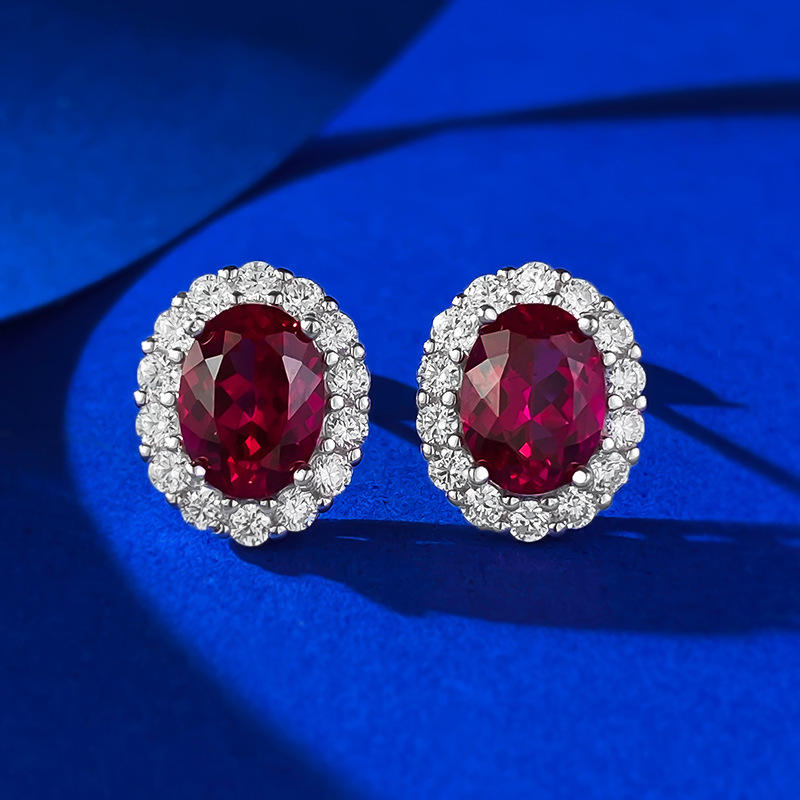
Buy Jewelry Online with Certificate Number for Verified Value
Buying Fine Jewelry Online feels easier when the details are clear. If you want to Buy Jewelry Online with certificate number, you’re already looking for proof you can Check Before You pay. That matters for diamond rings, lab-grown diamonds, necklaces, earrings, and any piece where value depends on what’s actually in the setting.
A certificate number links the item to a grading report or authenticity record. It helps you compare specs, confirm details, and spot listings that don’t add up. When you’re spending real money on a meaningful piece, that transparency matters.
It also helps you avoid a common online mistake: judging a piece by photos alone. A close-up image can make a stone look larger, brighter, or whiter than it is. A certificate number gives you a second layer of proof you can check against the listing, the seller’s description, and, when needed, the issuing lab.
Buy jewelry online with certificate number: what it means
A certificate number is a unique ID printed on a grading report, authenticity card, or gemological document. It often comes from a lab like GIA or IGI, or from a retailer’s system tied to outside verification. If you want to Buy Jewelry Online with certificate number, that number should connect to a real record you can trace.
For diamond jewelry, the report often lists carat weight, Cut, Color, Clarity, measurements, polish, symmetry, and fluorescence. In many cases, you’ll also see the stone inscription. For finished jewelry, the paperwork may include metal type, stone shape, setting style, and item details. That gives you a much clearer view of what you’re buying.
Online shopping leaves less room for guesswork. You can’t hold every piece before checkout, so the certificate becomes part of the trust check. If the report and the listing match, you’re in better shape. If they don’t, pause.
This also helps later. Insurance claims, appraisals, and resale are simpler when the piece has clean documentation. Our customers often say they feel more relaxed once they can verify the report themselves.
One useful nuance: not every certificate means the same thing. A Diamond Grading Report from a top-tier lab is different from a store-issued authenticity card. The first is a detailed gemological assessment. The second may simply confirm the item was sold by the retailer and tied to an internal inventory system. Both can be helpful, but they are not interchangeable.
How to verify jewelry by certificate number
If you want to Buy Jewelry Online with certificate number safely, verification should happen before checkout. Start on the product page and look for the certificate number, issuing lab, report type, and any downloadable document.
Match the listing to the report
Check the stone shape, carat weight, color grade, clarity grade, and metal type line by line. For rings, look at the setting style and center stone details too. The product photos should also look like the item described in the report.
Pay attention to details that are easy to overlook. For example, a round diamond and a cushion diamond can look similar in some listing photos, but the way they face up, the amount of sparkle, and the price behavior can be very different. A halo setting may also make a center stone look larger than it is, which is why the actual measurements matter.
Search the lab database
Most major labs let you search reports by certificate number. GIA and IGI are two of the most recognized names, and both are widely used in fine jewelry. The database result should match the seller’s listing. If it doesn’t, stop and ask questions.
For diamond buyers, this step is especially important with popular stones in the 1.00 to 2.00 carat range, where price jumps can be steep and grade differences become more noticeable. A small difference in cut or clarity may change the value by hundreds or even thousands of dollars, depending on the piece.
Compare the item with the document
A certificate only helps if the finished piece matches it. Look at the setting, visible stone shape, side stones, and overall proportions. Even small differences can matter, especially with higher-value pieces.
If the certificate lists one center stone and the photos show a halo with multiple accent stones, make sure the product page clearly explains whether the report covers the center stone only or the whole piece. Many buyers assume the report covers everything in a ring, but that is not always true.
Ask for more detail before you buy
If something feels off, ask for extra photos, video, or a fresh copy of the report. Reputable sellers should be able to explain how to Buy Jewelry Online with certificate number and verify it. That’s a normal request, not a nuisance.
You can also ask for a view of the certificate number engraving on the girdle of a loose diamond, or a macro image of the setting if the stone is already mounted. A real seller should be able to show whether the item in hand matches the record.
Red flags to watch for
- The certificate number is missing from the listing.
- The report image is blurry or cropped.
- The lab name is vague or unfamiliar.
- The grades on the page don’t match the report.
- The photos show a different shape, setting, or metal color.
- The seller can’t explain where the number is verified.
- The price is far below similar certified pieces without a clear reason.
If a listing makes verification hard, treat that as a warning sign. A good seller makes the process simple.
What to check before you buy jewelry online with certificate number
The certificate matters, but it’s not the only thing to review. You still need strong product details so you can compare one piece with another.
Key specs to review
- Metal type — Look for exact details like 14K white gold, 18K yellow gold, platinum, or sterling silver.
- Center stone details — Confirm stone type, shape, carat weight, color, clarity, and cut grade when available.
- Setting style — Prong, bezel, halo, pavé, channel, solitaire, and three-stone settings all wear differently.
- Total carat weight — For multi-stone pieces, total carat weight matters just as much as the center stone.
- Measurements — Exact dimensions help you compare pieces that may look similar online.
- Certification source — GIA, IGI, or another recognized lab can change how buyers read the report.
- Ring size or chain length — Fit matters. A beautiful piece still has to wear well.
- Finish and profile — High-polish, matte, low-profile, or raised settings all affect comfort and appearance.
Why metal choice matters
Metal choice affects price, durability, color, and daily wear. Platinum is dense and naturally white, which makes it a strong option for someone who wears a ring every day and wants a premium feel. It usually costs more than gold and can develop a soft patina over time. Many buyers like that look, but others prefer periodic polishing.
14K gold is a practical Choice for Everyday wear because it balances durability and price well. It is harder than 18K gold in many jewelry applications, which can make it better for rings and bracelets that take more contact. 18K gold has a richer gold color and a more luxurious feel, but it is softer and often carries a higher price. Sterling silver is more affordable, but it needs more care and is best for buyers who accept occasional tarnish maintenance.
Why certificate-backed listings compare better
A certificate-backed page gives you a cleaner way to compare similar pieces. If two diamond rings look alike but one has better cut quality or a more trusted report, the price difference makes more sense. That helps You Buy Jewelry Online with certificate number without paying extra for vague wording.
It also helps you avoid “spec inflation.” Some listings lean on broad language like “excellent sparkle” or “premium quality” without showing the measurable details behind those claims. A verified report keeps the comparison grounded in objective data.
When to ask for more photos
Ask for more detail if:
- The listing uses a stock image instead of the actual item.
- You want to see the stone in different light.
- The setting has small side stones or fine details.
- You need to check prong placement or band thickness.
- The report is available, but the description feels thin.
- You want to judge how the color looks against the chosen metal.
A careful seller should welcome those questions. Better questions now mean fewer surprises later.
| Feature | What to Check | Why It Matters |
|---|---|---|
| Certificate number | Matches report and listing | Confirms traceability |
| Stone grading | Cut, color, clarity, carat | Supports fair comparison |
| Metal type | 14K, 18K, platinum, etc. | Affects durability and price |
| Setting style | Solitaire, halo, pavé, bezel | Changes appearance and wear |
| Measurements | Exact dimensions | Helps confirm accuracy |
| Return policy | Clear terms and timing | Reduces purchase risk |
Diamond specs that matter most online
For diamond jewelry, the certificate number is only useful if you know how to read the specs behind it. The most important factors are Cut, Color, Clarity, and carat, but the way those factors interact Matters More Than any single line item.
Cut quality
Cut is usually the biggest driver of sparkle in a round diamond. A well-cut stone returns light efficiently, which can make it look brighter and more lively. When you Buy Jewelry Online with certificate number, cut grade is one of the first things to compare because it often influences the look of the diamond more than color or clarity does.
If a report lists Excellent or Ideal cut, that’s generally a stronger starting point than a lower cut grade. Still, cut grade alone doesn’t tell the full story. Table size, depth, crown angle, and pavilion angle can affect how the diamond faces up, especially in round brilliants and fancy shapes.
Color and clarity
Color grades usually run from D to Z for natural and lab-grown diamonds in the same broad system. Near-colorless grades, often G through J, can offer strong value because they may appear white in many settings while costing less than top-color grades. In yellow gold or rose gold, a slightly lower color grade can sometimes look perfectly balanced.
Clarity grades range from Flawless to Included. For many buyers, VS and SI grades are sweet spots because the stone can look clean to the eye without the premium attached to very high clarity. The key is whether the inclusions are visible face-up, easy to spot without magnification, or positioned where they affect durability.
Carat and face-up size
Carat is weight, not visual size, and that distinction matters. Two diamonds with the same carat weight may look different depending on cut proportions. A well-proportioned 1.00 carat diamond can face up larger than a deep 1.00 carat stone. When you shop by certificate number, compare measurements in millimeters, not carat alone.
Many buyers also watch price jumps around common thresholds such as 0.50, 0.70, 1.00, 1.50, and 2.00 carats. If your budget is fixed, a stone just below a popular weight may offer better value than one that hits the round number on paper.
Fluorescence and polish
Fluorescence can affect how a diamond looks under UV-rich light. In many stones it has little practical impact, but strong fluorescence may be worth reviewing closely in higher-color diamonds. Polish and symmetry matter too because they can influence finish and light performance. These are the kinds of details that a real certificate number helps you verify.
Setting tradeoffs that change wear and value
The setting is more than a design choice. It changes how secure the stone is, how easy the piece is to clean, how large the center stone appears, and how much daily maintenance it may need.
Prong settings
Prongs are common because they expose more of the stone and allow maximum light return. They can make a diamond appear larger and brighter, but they may require periodic checking to make sure the tips remain tight. If you want a classic Engagement Ring Look, prongs are a strong choice. If you’re hard on your jewelry, make sure the prongs are substantial enough for daily wear.
Bezel settings
Bezel settings wrap metal around the stone’s edge. They’re excellent for security and can be a smart choice for active wearers or anyone who wants a sleek, modern look. The tradeoff is that a bezel may hide a bit of the diamond’s visible area, making the center stone look slightly smaller than it would in prongs.
Halo and pavé
Halo settings make the center stone look larger by surrounding it with smaller stones. Pavé adds sparkle along the band or other surfaces. These styles often create a high-impact look at a lower center-stone size, but they can require more care because many small stones and tiny prongs are involved. For buyers who love visual sparkle, that tradeoff may be worth it. For buyers who want minimal upkeep, a simpler design may be better.
Three-stone and channel settings
Three-stone rings symbolize past, present, and future and also spread visual weight across the finger. Channel settings protect side stones well and work nicely in bands and some bridal designs. Both styles can be excellent for durability, but they should still be checked for symmetry and stone alignment before purchase.
Why certificate-backed jewelry is worth a closer look
There’s a simple reason serious shoppers like certified pieces: the paperwork reduces doubt. You get a clearer path to the facts, not just polished sales language.
When you buy jewelry online with certificate number, you’re not only buying the setting or the sparkle. You’re buying a record of what the piece is, how it was graded, and how it can be checked later.
What buyers gain
- Confidence — You can verify the item before and after purchase.
- Quality transparency — You see the data behind the design.
- Easier comparison — Similar styles are easier to evaluate.
- Insurance support — Documentation helps with appraisals and claims.
- Resale support — A traceable report can help later.
Industry grading also matters here. GIA and IGI use structured gemological review, and that gives buyers a familiar reference point. It doesn’t replace your own review, but it does add another layer of trust.
A 2023 Bain & Company report found that online luxury sales kept growing, even as shoppers became pickier about proof and product detail. That fits what we hear from buyers all the time: they want beauty, but they also want receipts, reports, and clear specs. Certified shopping gives them both.
For engagement rings, that matters even more. The same is true for diamond earrings, pendants, tennis bracelets, and other fine jewelry where small differences can change price a lot. If you want less guesswork, buy jewelry online with certificate number and verify the details first.
Pricing, value, and what changes the cost
Price is always part of the decision. Still, the lowest price doesn’t always mean the best value.
Main pricing drivers
- Stone quality — Better cut, color, clarity, or carat weight can raise the price.
- Certification type — Reports from respected labs can support stronger pricing.
- Metal choice — Platinum usually costs more than gold, and 18K gold often costs more than 14K.
- Craftsmanship — Secure prongs, clean finishing, and detailed work add value.
- Brand support — Service, warranty, and return terms shape the full experience.
A certificate number can justify a higher price when it gives you verified quality and clearer documentation. That’s especially true if the listing includes a full grading report, sharp images, and fair return terms.
According to the Federal Trade Commission’s jewelry guidance, Shoppers Should Compare written disclosures, not just photos or claims. That advice lines up with common sense. A bright image can hide a lot, but a report tells you what you’re really comparing.
Ask yourself a simple question: what am I getting for the price besides the setting? If the answer includes traceable documentation and complete product information, the value may be stronger than a cheaper listing that leaves gaps.
For a realistic budget view, many shoppers find that smaller but better-cut stones often deliver more visible beauty than a larger stone with weaker proportions. A 0.90-carat diamond with strong cut and good face-up dimensions may look more impressive than a poorly proportioned 1.00-carat stone, especially once it’s set.
If you want to compare certified pieces, you can browse our jewelry collection or shop our lab-grown diamonds to see how metal, grade, and setting affect value.
Sizing, shipping, and returns
Even a verified piece can become a bad purchase if the logistics are weak. Sizing, Shipping, and Return policies are part of the value equation, especially for rings and high-ticket items.
Ring sizing
Ring sizing is one of the easiest places to make an expensive mistake. A half-size can change comfort, spinning, and security. Wider bands often fit more snugly than thin bands, and fingers can swell during the day or in warm weather. If you’re between sizes, ask the seller whether the design can be resized and whether resizing affects the warranty.
Some settings are harder to resize than others. Eternity bands, tension settings, and bands with full pavé may have limits. Before You Buy jewelry online with certificate number, make sure the seller tells you whether the piece can be adjusted without compromising the design.
Shipping and insurance
For valuable jewelry, shipping should be trackable and insured. Signature-required delivery is standard for most Fine Pieces and Protects both you and the seller. Ask whether the package is sent in plain packaging, whether it is insured during transit, and how quickly the order will ship once payment clears.
If a seller offers overnight shipping for a certified ring or diamond pendant, that can be helpful for security. Still, speed should not replace verification. You want the report, the images, and the item details checked before the box leaves the seller.
Returns and exchanges
Returns matter because online jewelry can look different in person. A good return policy gives you enough time to inspect the piece under normal lighting, confirm the fit, and verify the Certificate Number one more time. Read for restocking fees, return windows, excluded items, and whether custom orders can be returned at all.
For custom or engraved jewelry, exchange options may be limited. That doesn’t mean you should avoid custom work, but it does mean you should confirm every detail before checkout. Once a piece is engraved or specially made, your options may narrow fast.
Care and maintenance after delivery
Certified Fine Jewelry still needs good care after it arrives. Store pieces separately so they don’t scratch each other. Keep diamond jewelry away from harsh chemicals and rough surfaces.
Soft cloths, mild soap, and warm water are usually enough for routine Cleaning At Home, but use caution with delicate stones like opals, emeralds, pearls, and some treated gems. Ultrasonic cleaners can be appropriate for some diamonds and sturdy settings, but not for every piece. If the stone type is not obvious, check before cleaning.
The paperwork matters after delivery too. Keep the report, invoice, and any appraisal documents in one secure folder. If you ever need an insurance claim, a replacement appraisal, or a resale estimate, that file saves time.
If sizing is a concern, it’s smart to learn about ring sizing Before You Order. A great report won’t fix a ring that doesn’t fit.
Common mistakes when shopping certified jewelry online
Most bad experiences come from avoidable errors, not bad luck. If you want to buy jewelry online with certificate number successfully, watch for these common mistakes.
Chasing the biggest carat weight
Carat obsession can lead buyers to sacrifice cut, color, or setting quality. In many cases, a slightly smaller stone with better proportions and a more secure setting is the smarter choice. Visual beauty and durability matter more than a round number on a certificate.
Ignoring the lab
Not all reports carry the same market trust. If you don’t know the issuing lab, the certificate number is less useful. Always check whether the report comes from a well-known gemological organization and whether the seller clearly identifies it.
Skipping the return policy
Some buyers spend all their time on the stone and never read the terms. That’s risky. A certified piece can still be the wrong size, the wrong tone, or the wrong proportion once it’s in hand. The return policy is part of the value, not an afterthought.
Overlooking setting durability
A delicate pavé band may look amazing, but it can require more maintenance than a plain solitaire. Tiny stones and fine prongs can loosen over time. If You Wear Jewelry daily, ask whether the design is built for regular use or occasional wear.
Assuming all certificates prove the same thing
A true grading report is different from a generic authenticity statement. A Certificate Number only helps if it connects to verifiable data. If the seller won’t say what exactly is being certified, keep looking.
FAQ: buy jewelry online with certificate number
How do I buy jewelry online with certificate number and make sure it’s real?
Check the certificate number against the seller’s listing and, when possible, the issuing lab’s database. The stone details, metal type, and grade information should match exactly. If the seller can’t show a verifiable report, don’t rush the purchase.
Where do I find the certificate number on diamond jewelry?
It’s usually printed on the grading report, authenticity card, or product paperwork that comes with the piece. Many retailers also show it on the product page so you can verify the item before checkout. If it’s missing, ask for it.
Is it safe to buy jewelry online with certificate number listed?
Yes, as long as the number is verifiable and the listing matches the report. Look for secure checkout, clear return terms, and recognized third-party grading. Those details matter just as much as the certificate itself.
What should I check before buying a certified diamond ring online?
Review the certificate number, grading report, carat weight, Cut, Color, Clarity, metal type, ring size options, and return policy. Then compare the photos with the report so you can spot any mismatch. If anything seems unclear, ask for more photos or a video.
Can a certificate number help with insurance or resale later?
Yes, it can make both easier. A valid report gives you a traceable record of the item’s details, which helps with appraisals, insurance claims, and future resale. Keep the certificate and invoice together so you can find them fast.
Should I choose natural or lab-grown diamonds for certified online shopping?
Either can work if the report is clear and the seller is transparent. Lab-grown diamonds often offer more size for the money, while natural diamonds may appeal more to buyers who want traditional rarity and long-term market familiarity. The right choice depends on budget, style, and how you plan to wear the piece.
What if the certificate number doesn’t show up in the lab database?
Do not assume the item is authentic. Sometimes there is a lag after grading, but the seller should be able to explain the issue and provide supporting documents. If the number still cannot be verified, request a refund or choose another listing.
Shop certified jewelry with confidence
If you want verified quality and less guesswork, choose to buy jewelry online with certificate number from listings that make the details easy to confirm. Review the report, compare the specs, and pick the piece that Fits Your Style and your budget.
Ready to start? Explore our engagement rings, browse our jewelry collection, and buy jewelry online with certificate number through certified product pages that make the decision easier.
Ready to Find Your Perfect Diamond?
Explore our collection of certified lab-grown diamonds
Shop Diamonds