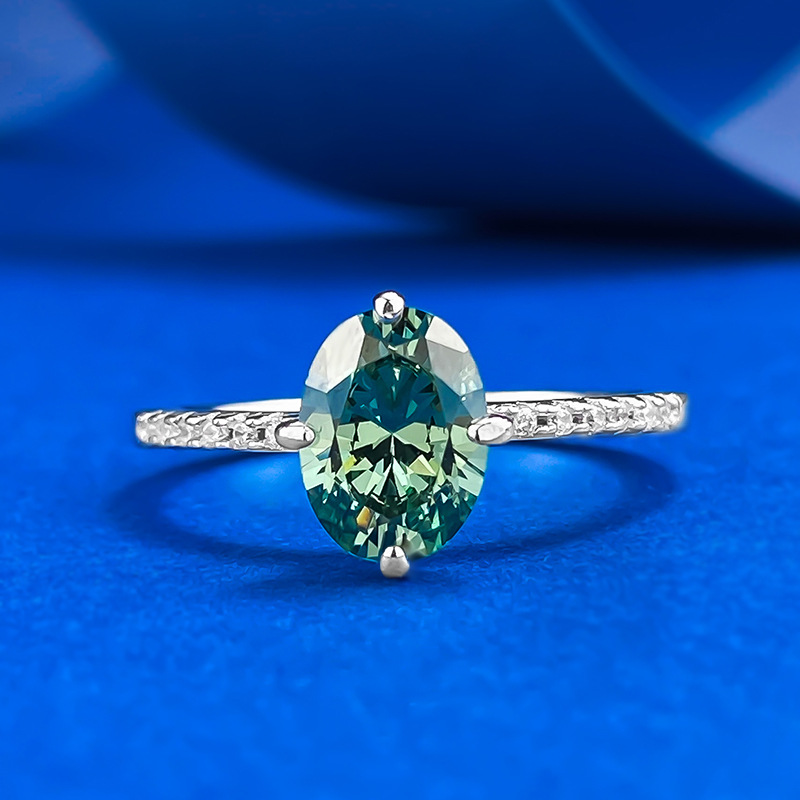
Bridal Jewelry Metal Choices for Brides: How to Choose the Right Metal
Choosing the right metal is one of the most personal parts of bridal styling. It changes how your Engagement Ring Looks, how your wedding band wears, and how the full set feels on your hand.
For many brides, the choice comes down to four things: color, durability, comfort, and budget. Which metal feels right when you picture it on your hand every day?
Some brides want a bright white finish that makes diamonds pop. Others prefer the warmth of yellow gold. Rose gold brings a softer blush tone, and platinum gives a cool, substantial feel.
Bridal Jewelry Metal choices for brides should work for the wedding day and the years that follow. That means thinking beyond color alone.
Why Metal Choice Changes the Whole Look
Metal affects the personality of every piece. A diamond in platinum looks crisp and cool. The same stone in yellow gold feels warmer and more classic.
That difference matters across the whole bridal set. Your ring, band, earrings, and necklace should feel connected, even if they do not match perfectly.
Bridal jewelry metal choices for brides also affect how the jewelry wears over time. Some metals need more upkeep. Some show scratches sooner. Others hold their color with very little fuss.
Price is part of the picture too. Platinum is usually pricier than gold because it is denser and used in higher purity for fine jewelry. White gold gives a similar look for less, which is why many brides compare the two first.
What to Know Before You Choose
Jewelry metal is more than color. Purity, alloy mix, density, and finish all matter. Pure gold is too soft for most bridal pieces, so jewelers mix it with other metals to improve strength.
That is why you usually see 14K or 18K gold instead of 24K gold in bridal settings. The alloy changes how the piece feels, wears, and ages.
Hardness, strength, and tarnish resistance are not the same thing. A hard metal may resist surface marks, while a softer one may hold up well but show wear differently.
GIA advises regular cleaning, safe storage, and careful wear to help jewelry last longer. That advice matters here because rings and bands often get daily use.
If your skin is sensitive, check the alloy Before You Buy. Platinum is often a good option for sensitive wearers because it is usually sold in high purity. Still, reactions vary, and nickel content can differ from one alloy to another.
Our customers often tell us the metal looked one way online and another way in person. Natural light usually settles that debate fast.
The Main Bridal Metals and How They Compare
The most common bridal metals are platinum, white gold, yellow gold, and rose gold. Each one brings a different mix of style, price, and upkeep.
| Metal | Look | Durability | Maintenance | Best For |
|---|---|---|---|---|
| Platinum | Naturally white, dense, premium | Excellent | Low polishing, occasional patina care | Daily wear, heirloom feel |
| White Gold | Bright white with rhodium plating | Very good | Replating over time | Modern looks, tighter budgets |
| Yellow Gold | Warm, rich, classic | Very good | Easy polishing | Traditional and vintage styles |
| Rose Gold | Soft blush, romantic | Very good | Low to moderate | Feminine and modern-romantic styles |
Bridal jewelry metal choices for brides usually start here because these four metals suit most bridal designs. They also support diamond settings well.
Platinum for Bridal Jewelry
Platinum is prized for its natural white color and weight. It does not need rhodium plating to stay white, which is a big plus for brides who want less color maintenance.
It also feels substantial. Many people like that heavier feel on an engagement ring or wedding band they plan to wear every day.
Platinum handles secure settings well, including pavé, halo, solitaire, and three-stone styles. Over time, it can develop a soft patina instead of losing metal the way some lighter alloys do.
That said, platinum usually costs more than gold. If you want the most durable white metal and do not mind the higher price, it is a strong choice.
White Gold for Bridal Jewelry
White gold gives you a bright, clean look at a lower price than platinum. Jewelers usually alloy gold with white metals and finish it with rhodium plating.
That plating creates the crisp white shine many brides want. It may need refreshing later, though, depending on how often you wear the piece.
White gold works with nearly every diamond shape. It also looks especially sharp with lab-grown diamonds when you want a high-contrast, modern finish.
Bridal jewelry metal choices for brides often include white gold because it offers flexibility. If you want the look of platinum but need more room in the budget, white gold is worth a close look.
Yellow Gold for Bridal Jewelry
Yellow gold has a long history in bridal jewelry. Its warm color feels rich, familiar, and easy to wear.
It pairs beautifully with vintage-inspired settings, milgrain details, and romantic designs. It also works well with ivory gowns, satin, lace, and antique-style accents.
Many brides choose yellow gold because it feels timeless rather than trendy. It does not need replating like white gold, which makes care simpler.
If you want a metal that feels classic and easy to coordinate with other jewelry, yellow gold is a safe bet.
Rose Gold for Bridal Jewelry
Rose gold has a soft blush tone that feels romantic and distinctive. Its color comes from copper in the alloy, not a surface coating.
That makes it a great choice if you want warmth without going full yellow gold. It works with oval, pear, cushion, and round stones, and it softens the overall look of a ring set.
Rose gold is often a favorite for brides who want something different but still elegant. It feels personal without being flashy.
How to Match Metal to Your Bridal Style
The easiest way to narrow bridal jewelry metal choices for brides is to start with the full look, not just the ring. Think about your dress, your center stone, your daily style, and how often you’ll wear each piece.
Here’s a simple way to decide:
- Start with the engagement ring. If you already wear one, let it guide the rest of the set.
- Choose matching or mixed metals. Matching feels seamless. Mixed metals create contrast.
- Look at your dress details. Cool crystal work often suits white metals, while vintage trims pair nicely with yellow or rose gold.
- Think about the stone. Bright diamonds often pop in platinum or white gold.
- Be honest about maintenance. Daily wear calls for a metal you can live with long-term.
Bridal jewelry metal choices for brides also work best when the set feels balanced. Earrings, bracelets, and necklaces should support the rings, not compete with them.
If you want a polished, classic look, repeat the same metal family across the set. If you want dimension, use mixed metals in smaller supporting pieces.
Start with the Engagement Ring and Wedding Band
The rings usually set the tone for everything else. They are the pieces you will see most often, so they deserve the most thought.
Matching metals can create a clean stack with very little visual interruption. That works especially well for solitaire, halo, and three-stone styles.
Mixed metals can look stylish too, as long as they feel intentional. A yellow gold band can warm up a white gold ring, and a rose gold accent band can add soft contrast to platinum.
The key is balance. Pay attention to band width, setting height, and how the stack looks from the side.
Think About Skin Tone, Hair Color, and Dress Details
Skin tone can help narrow your options, but it should not make the decision for you. Cool undertones often look lovely in platinum and white gold, while warm undertones can glow in yellow and rose gold.
Dress details matter as well. Champagne lining, pearl accents, and antique lace often pair beautifully with warm metals. Clean crystal embroidery usually works well with white metals.
Hair color can change the overall effect too. Dark hair can make warm metals stand out, while lighter hair may soften the contrast of white metals.
Bridal jewelry metal choices for brides should support the whole look. If the dress feels sleek and modern, a polished white metal often fits best. If the gown feels romantic, a warm metal may feel more natural.
Balance Beauty with Real-Life Wear
Bridal jewelry should be beautiful, but it also has to work in daily life. If you garden, lift weights, type all day, or work with your hands, durability matters.
Platinum and gold alloys both perform well, but they age differently. White gold may need replating. Yellow and rose gold keep their color through the alloy itself. Platinum can develop patina, which some people love.
That is why maintenance matters before purchase, not after the first scratch. Choose the metal you can actually live with.
Common Mistakes Brides Make
Many brides focus on color and forget about wear. That can lead to regret later.
A few mistakes come up again and again:
- Choosing a metal only because it is trending.
- Assuming all white metals age the same way.
- Ignoring replating, polishing, or resizing costs.
- Forgetting that stacked rings rub against each other.
- Picking a metal that clashes with the rest of the set.
One common surprise is expecting a finish to stay unchanged forever. White gold, for example, often needs rhodium replating to keep its bright white look.
Don’t Choose a Trend First
Trends are fun, but bridal jewelry usually lasts for decades. A metal that looks great on social media may not feel right after a few years.
Bridal jewelry metal choices for brides should lean on comfort, durability, and personal taste first. If you love a trend, use it in a detail instead of making it the only reason you choose a metal.
Don’t Skip Maintenance Questions
Every metal has a care routine. White gold may need replating. Platinum may need polishing. Gold alloys should be cleaned regularly.
Ask about service Before You Buy. A lower price can lose its appeal if upkeep is more than you expected.
Don’t Forget Metal Compatibility
Stacked rings and layered jewelry can wear unevenly if the metals behave differently. A harder ring next to a softer one can create extra friction.
The easiest fix is also the simplest: keep your main pieces in one metal family and use mixed metals as accents.
Practical Tips Before You Buy
Seeing pieces in person makes a big difference. Bridal jewelry metal choices for brides get much easier once you compare real samples in natural light.
Use this Checklist Before You decide:
- Compare metals in natural light.
- Hold the pieces against your skin.
- Ask about purity, plating, and finish.
- Confirm whether the piece is 14K, 18K, or another standard.
- Ask how often maintenance is needed.
- Check whether cleaning or replating is included.
A 1.00-carat center stone can look different in platinum than in yellow gold because the setting color changes the visual effect. The same is true for lab-grown diamonds, where cut quality and metal tone both shape the final look.
Ask for Samples or View Pieces by a Window
Store lighting can flatter every metal. It may make white gold look brighter and yellow gold look richer than it really is.
Step near a window or go outside if you can. That small move often makes the best choice obvious.
Check the Specs and Care Details
Read the product details closely. Look for karat weight, plating, and finish. Those details affect both wear and value.
A higher-karat gold may have a deeper color but be a little softer than 14K gold. A plated finish may look brighter but need renewal later.
Ask a Jeweler for Help
A good jeweler can help you compare stack height, comfort, and proportions. That matters a lot if you are building a mixed-metal bridal set.
If you want to compare styles, browse our jewelry collection, explore engagement rings, or build your ring design with help from our team.
FAQs About Bridal Jewelry Metal Choices for Brides
What is the best metal for bridal jewelry for brides who wear their rings every day?
The best metal depends on how you live, but daily wear calls for something durable and comfortable. Platinum is a strong pick if you want a dense, naturally white metal with very little color maintenance. White gold can also work well, especially if you want a bright look at a lower price.
Bridal jewelry metal choices for brides should also factor in how much upkeep you want. If you prefer less maintenance, yellow gold or platinum may feel easier to live with. If cost matters most, white gold is often the practical choice.
Is platinum better than white gold for a bridal set?
Platinum is usually more durable and stays naturally white without plating. White gold gives a similar look for less money, which is why many brides compare them side by side.
If long-term wear is your top priority, platinum often wins. If upfront budget matters more, white gold may be the better fit.
Bridal jewelry metal choices for brides often come down to that tradeoff. Both metals can look beautiful in engagement rings and wedding bands.
Can I mix metals in my bridal jewelry without it looking random?
Yes, you can mix metals and still keep the look polished. The key is to make one metal the lead and use the others as accents.
For example, a white gold ring with a yellow gold band can look intentional if the proportions feel balanced. You can also repeat one metal in earrings or a necklace to tie everything together.
Bridal jewelry metal choices for brides work best when mixed metals feel planned, not accidental. Natural light helps you see whether the combo looks balanced.
Does rose gold work for a wedding band and engagement ring?
Yes, rose gold works beautifully for both pieces. It creates a soft, romantic look that many brides love.
It also pairs well with oval, pear, cushion, and round stones. Since the color comes from the alloy itself, it does not fade the way plated finishes can.
Bridal jewelry metal choices for brides often include rose gold when the goal is warmth with a fresh feel. It is a strong option for brides who want something personal but still timeless.
How do I choose a metal that fits my skin tone and dress?
Start by trying on a few metals in natural light. Cool skin tones often look great in platinum and white gold, while warm tones can glow in yellow and rose gold.
Then look at your dress fabric, embellishments, and neckline. Crystal-heavy gowns often lean white-metal, while lace, pearl, and champagne details often suit warm metals.
Bridal jewelry metal choices for brides should feel flattering on your skin and right for your dress. When both line up, the choice usually feels easy.
Choosing the Right Metal
Bridal jewelry metal choices for brides come down to style, durability, maintenance, budget, and how you want the pieces to feel every day. Platinum offers a premium white look and strong wear. White gold gives you a similar finish for less. Yellow gold brings warmth and tradition. Rose gold adds a softer, romantic tone.
The best choice is the one that fits your life after the wedding, not just the photo on the day. Compare pieces in natural light, check the specs, and think about how the jewelry will wear over time.
If you are still narrowing down bridal jewelry metal choices for brides, start with your engagement ring and build from there. Then explore pieces that match your style at StoneBridge Jewelry or browse engagement rings to see what feels right.
Ready to Find Your Perfect Diamond?
Explore our collection of certified lab-grown diamonds
Shop Diamonds