Best Bridal Jewelry for Couples: Rings, Bands, and Wedding-Day Pieces Compared
Choosing the best bridal jewelry for couples is not only about finding one beautiful ring. Most couples are building a small collection: an engagement ring, wedding bands, and sometimes earrings, a bracelet, or a necklace for the ceremony.
The right pieces should feel connected without looking forced. They also need to fit your budget, your daily routine, and your style as a couple. What looks perfect in wedding photos should still feel comfortable on a normal weekday.
At StoneBridge Jewelry, many couples start with lab-grown diamonds because they offer strong value, verified quality, and serious sparkle. The best bridal jewelry for couples often starts with one well-chosen center stone, then grows into a set that feels personal.
What Counts as the Best Bridal Jewelry for Couples?
The best bridal jewelry for couples usually falls into three groups. The first is a lab-grown diamond engagement ring with a coordinated wedding band. The second is a pair of matching or complementary couple bands. The third is a full bridal jewelry suite with rings, earrings, necklaces, bracelets, and partner accessories.
Each route serves a different purpose. An engagement ring set gives one clear focal point. Couple bands put equal focus on both partners. A full suite creates a polished wedding-day look from ceremony photos to the reception.
The best bridal jewelry for couples should balance beauty with practical details. Look closely at metal choice, diamond certification, setting height, ring width, comfort, and long-term care. A stunning ring can still be the wrong choice if it catches on clothing or feels bulky at work.
How to Compare Bridal Jewelry Before You Buy
Start with the pieces you will wear most. For many couples, that means the engagement ring and wedding bands. Earrings, necklaces, and bracelets can come later if the budget allows.
Use these buying criteria before you choose the best bridal jewelry for couples:
- Design match: Repeat one detail, such as metal color, band profile, finish, or engraving.
- Diamond quality: Review cut, color, clarity, and carat weight.
- Certification: Ask for GIA or IGI reports for center diamonds.
- Metal durability: Compare platinum, 14k gold, and 18k gold for daily wear.
- Comfort: Check ring width, inner fit, and setting height.
- Maintenance: Know whether prongs, pavé, or halos need extra inspections.
- Budget: Decide which pieces matter most before you shop.
GIA explains diamond quality through the 4Cs: cut, color, clarity, and carat weight. Cut is especially important because it affects brightness, fire, and sparkle. A well-cut 1.20 carat diamond can look livelier than a poorly cut 1.50 carat diamond.
IGI and GIA reports typically list measurements, carat weight, color, clarity, cut grade, polish, symmetry, and fluorescence. That paperwork helps with comparison, insurance, and appraisals. Treat it as part of the value, not a formality.
Diamond Specs That Matter Most
For Round Lab-Grown Diamonds, many buyers do well with an Excellent or Ideal cut grade, G-H color, and VS1-VS2 clarity. If you want the cleanest look without paying for grades you cannot easily see, VS2 is often a practical starting point. SI1 can be a value choice only when the diamond is eye-clean and the inclusions are not near the center of the stone.
For oval, pear, emerald, radiant, cushion, and marquise shapes, cut grades are not always listed the same way as round diamonds. In those cases, compare the diamond’s video, measurements, depth, table, symmetry, and overall shape appeal. Ovals and pears can show a bow-tie effect, so avoid stones with a dark, distracting band through the center. Emerald cuts reveal clarity more easily because of their open step facets, so many shoppers prefer VS1 or better for that shape.
Color is partly personal and partly tied to metal. A D-F diamond gives an icy white look, especially in platinum or white gold. G-H usually looks bright and offers better value. I-J can still look beautiful in yellow gold or rose gold settings because the warm metal softens the color contrast. Carat weight should come after cut and appearance; a slightly smaller diamond with better proportions often looks larger and brighter on the hand.
Metal Choices, Allergies, and Daily Wear
Metal choice affects color, cost, weight, and maintenance. Platinum is naturally white, dense, and durable, making it a strong option for prongs and daily wear. It costs more than gold in many designs and develops a soft patina rather than staying mirror-bright. Some couples love that lived-in finish; others prefer periodic polishing.
Fourteen-karat gold is a popular bridal choice because it balances durability and price. It contains more alloy than 18k gold, which can make it slightly harder for everyday rings. Eighteen-karat gold has a richer color, especially in yellow gold, but it can show wear a little faster in high-contact pieces. White gold is usually rhodium-plated for a bright white finish, so expect replating over time if you want it to stay crisp.
If either partner has metal sensitivities, ask about nickel content before ordering, especially in white gold. Platinum and many nickel-free gold alloys are better choices for sensitive skin. For hands-on jobs, gym routines, gardening, or frequent travel, consider smoother settings, fewer exposed pavé stones, and profiles that are easy to clean.
Option A: Lab-Grown Diamond Engagement Ring and Wedding Band
For most shoppers, the best bridal jewelry for couples is a lab-grown diamond engagement ring paired with a coordinated wedding band. This route feels classic, emotional, and easy to build on later with anniversary bands or diamond accessories.
A strong set starts with the engagement ring. Choose the diamond shape, setting style, metal, and band profile first. Then select a wedding band that fits the ring properly.
Some engagement rings work with a straight band. Others need a contoured or notched band so the two rings sit close together. If you want a clean stack, ask about fit Before You Buy.
Popular Lab-Grown Diamond Shapes include round, oval, emerald, cushion, pear, radiant, princess, and marquise. Round diamonds feel timeless. Ovals often look larger for their carat weight. Emerald cuts have a crisp, elegant look with step-cut flashes.
Pros of an Engagement Ring Set
This choice gives you strong symbolism and plenty of sparkle. It also gives the bridal look a clear center point. Many couples like that it feels traditional but still leaves room for custom details.
Pros include:
- High visual impact
- Strong sentimental value
- Many stone shapes and settings
- Easy pairing with future anniversary bands
- Good options for engraving or hidden diamonds
- Certified lab-grown diamond choices
Cons to Check First
An engagement ring set can cost more than simple bands. It may also need more care, especially with pavé, halos, or delicate prongs. High-set rings can snag, so active wearers may prefer low-profile or bezel settings.
Jewelers often recommend professional ring inspections every 6 to 12 months. That schedule helps catch loose stones, worn prongs, and fit issues early. It is a small habit that protects a meaningful purchase.
Setting Tradeoffs to Know
A solitaire is the most flexible setting because it works with many diamond shapes and band styles. It is also easier to clean than a heavily detailed ring. A six-prong solitaire gives round diamonds extra security, while a four-prong setting shows more of the stone and can look lighter on the hand.
A bezel setting wraps metal around the diamond edge. It is excellent for active wearers because it protects the stone and reduces snagging. The tradeoff is that it can make the diamond look slightly more framed and less open than prongs. Pavé bands add sparkle from every angle, but tiny diamonds require more care and should be checked regularly. Halo settings can make the center diamond look larger, but they create more edges, prongs, and cleaning points.
If you plan to wear the engagement ring next to a wedding band every day, ask about the height of the basket and whether a straight band can sit flush. A beautiful ring that forces an awkward gap may still be right for you, but it should be a choice rather than a surprise.
Best For Classic Couples
This is the best bridal jewelry for couples who want a standout ring and a polished wedding stack. A round solitaire with a pavé band looks timeless. An oval hidden halo with a contoured band feels romantic.
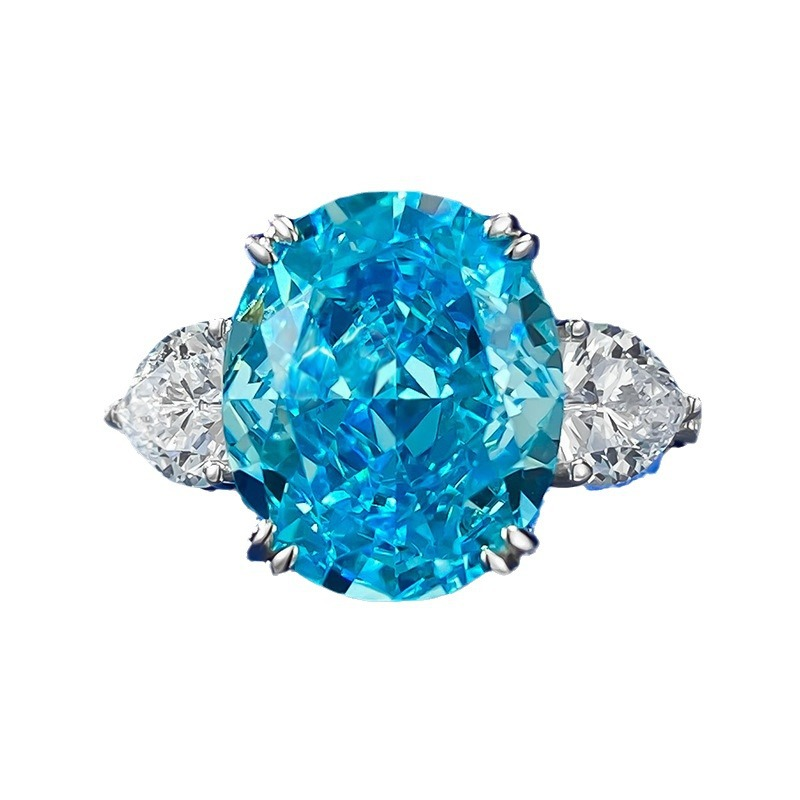
A three-stone ring can add meaning, too. Many couples see it as past, present, and future. If you want a ring that feels special now and wearable for decades, this route is hard to beat.
Explore lab-grown diamond engagement rings, compare styles in our ring builder, or browse all engagement rings to start narrowing your options.
Option B: Matching or Complementary Couple Wedding Bands
Couple bands are another strong choice. They work well for partners who want equal emphasis, lower maintenance, and jewelry that fits daily life. For some couples, the best bridal jewelry for couples is a pair of bands that feels simple, solid, and deeply personal.
Matching bands use the same design. Complementary bands share one or two details while allowing each partner to choose their own width, finish, or diamond accents. In real life, complementary bands often feel more natural than identical ones.
For example, one partner may choose a 2 mm pavé band in yellow gold. The other may choose a 6 mm brushed yellow gold band. The shared metal ties the look together, while each ring still fits the person wearing it.
What to Compare in Couple Bands
Band width changes the entire feel. A 2 mm band looks delicate. A 4 mm band feels balanced on many hands. A 6 mm to 8 mm band makes a stronger statement.
Compare these details:
- Metal: platinum, 14k white gold, yellow gold, rose gold, or 18k gold
- Profile: domed, flat, beveled, rounded, or comfort fit
- Finish: polished, satin, matte, brushed, or hammered
- Diamonds: plain, pavé, channel-set, or hidden stones
- Engraving: initials, dates, vows, coordinates, or private symbols
Platinum develops a soft patina over time. Gold can show scratches, but it can often be polished during routine service. If you are hands-on at work, ask about the lowest-maintenance finish.
Sizing Tips for Wedding Bands
Band sizing should be handled carefully because wedding bands are worn for long hours and through temperature changes. Fingers can swell in heat, after exercise, during travel, and at certain times of day. Try to measure when your hands are at a normal temperature, not first thing in the morning or right after a workout.
Wider bands usually feel tighter than narrow bands. If you are choosing a 6 mm, 7 mm, or 8 mm band, you may need a slightly larger size than you wear in a thin ring. Comfort-fit bands have a rounded interior and slide over the knuckle more easily, which many people prefer for daily wear. Eternity bands with diamonds all the way around are harder to resize, so confirm sizing before ordering that style.
Pros of Couple Wedding Bands
Couple bands are comfortable, meaningful, and flexible. They can also be easier to budget than a full bridal suite. Many customers choose this route when they want rings they do not have to think about every day.
Pros include:
- Strong shared identity
- Excellent daily wearability
- Easy engraving options
- Lower maintenance in plain styles
- Flexible pricing
- Good fit for minimal or active lifestyles
Cons to Consider
Plain bands may not offer enough sparkle for some shoppers. Exact matching can also feel limiting if each partner has a different style. Finishes like matte or brushed textures may need refreshing after regular wear.
This may be the best bridal jewelry for couples who value comfort over drama. A secure, low-profile band can be just as meaningful as a larger diamond ring.
Browse wedding bands or visit our ring sizing guide Before You Order. Sizing matters, especially for wider bands.
Option C: Complete Bridal Jewelry Suite
A complete bridal jewelry suite includes rings plus wedding-day pieces such as diamond studs, a pendant, a tennis bracelet, or partner accessories. This choice works best for formal weddings, detailed photography, and couples who want heirloom pieces beyond the rings.
The best bridal jewelry for couples in a full suite should look planned, not crowded. Each piece needs a job. Stud earrings frame the face. A necklace draws attention to the neckline. A bracelet adds sparkle during bouquet and ring-exchange photos.
Partner accessories can echo the same metal tone. Think cufflinks, a chain, a subtle bracelet, or a watch-style piece. The goal is connection, not costume.
How to Style a Bridal Jewelry Suite
Choose one focal point first. If the engagement ring is bold, keep the necklace or earrings simple. If the gown is clean and minimal, a diamond necklace or tennis bracelet can add the right amount of shine.
Match jewelry to the gown and venue. A strapless dress can support a necklace or statement earrings, but usually not both at full volume. A high neckline often looks better with earrings and a bracelet.
Cool color palettes tend to pair well with platinum or white gold. Warm palettes often look beautiful with yellow gold or rose gold. If you are unsure, try pieces near the dress fabric instead of judging them alone.
Choosing Earrings, Necklaces, and Bracelets
Diamond studs are the safest wedding-day jewelry add-on because they suit nearly every neckline and can be worn often after the wedding. A classic pair in the 1.00 to 2.00 total carat weight range gives visible sparkle without overpowering the face. For a tighter budget, smaller lab-grown diamond studs can still look bright when the cut is strong.
A pendant works best when it follows the neckline rather than competing with it. A solitaire pendant is clean and reusable, while a station necklace or tennis necklace feels more formal. Tennis bracelets are popular because they photograph well during close-up moments, including the bouquet, vows, and ring exchange. Check the clasp security, bracelet length, and flexibility so the piece does not twist or slide too much during the day.
If you are mixing accessories with rings, keep the diamond shapes and metal tone in conversation. They do not have to match perfectly. A Round Diamond Pendant can pair beautifully with an Oval Engagement Ring when both pieces share the same metal color and overall level of polish.
Pros of a Full Bridal Suite
A complete suite creates a finished wedding-day look. It can also give you jewelry you will wear again for anniversaries, formal events, and family celebrations.
Pros include:
- Strong photo impact
- Heirloom potential
- Easy styling for formal weddings
- More ways to personalize the look
- Useful jewelry beyond the ceremony
Cons to Consider
A full suite costs more and takes more planning. Some pieces may not be worn as often as the rings. Too much matching can also feel stiff.
For many couples, the smartest version is simple: choose the engagement ring, wedding bands, and one extra diamond piece. Diamond studs or a bracelet often give enough polish without stretching the budget.
Shop bridal jewelry, view loose lab-grown diamonds, or browse fine jewelry to complete the look.
Side-by-Side Comparison: Which Option Fits You?
The best bridal jewelry for couples depends on what you care about most. You may want a classic diamond ring, low-maintenance bands, or a full wedding-day look.
| Option | Typical Budget | Sparkle | Daily Wear | Maintenance | Best Fit |
|---|---|---|---|---|---|
| Lab-grown diamond engagement ring and band | $1,500-$8,000+ | High | Strong with the right setting | Moderate | Classic couples who want a bridal stack |
| Matching or complementary wedding bands | $400-$3,500+ per pair | Low to medium | Excellent | Low to moderate | Minimal, active, or budget-focused couples |
| Complete bridal jewelry suite | $2,500-$12,000+ | Medium to very high | Rings daily, accessories occasional | Moderate | Formal weddings and styled bridal looks |
Price depends on metal, diamond size, setting, and the number of pieces. Lab-grown diamonds can help stretch the budget because they often allow a larger carat weight or extra jewelry within the same spend.
The best bridal jewelry for couples is not always the most expensive choice. It is the set that looks good, feels secure, and fits how you live.
Budget Planning, Timing, and Order Details
Before You Buy, separate the budget into daily-wear pieces and wedding-day extras. If the total budget is $2,500, you might spend most of it on the engagement ring and choose simple bands. If the budget is $6,000 to $8,000, you may have room for a larger certified lab-grown diamond, two bands, and a pair of studs or a bracelet. A higher budget can go toward platinum, custom details, larger diamonds, or a more complete suite.
Do not leave wedding bands until the final month. Custom sizes, engraving, contour bands, and special-order metals can take extra production time. Order early enough to allow for sizing adjustments, shipping, and a final try-on before the ceremony. If you are planning a destination wedding, build in additional time so the rings are in hand before you travel.
Review shipping, return, resizing, and warranty details before checkout. Confirm whether the item is made to order, whether engraved rings are returnable, and whether resizing is included or available for a fee. Ask how the jewelry will be packaged and insured during shipment. For higher-value pieces, use a shipping address where an adult can sign for delivery.
Care and Maintenance After the Wedding
Bridal jewelry lasts longer when it is cleaned and stored correctly. At home, clean diamond rings with warm water, mild dish soap, and a soft brush. Rinse well and dry with a lint-free cloth. Avoid harsh chemicals, bleach, and abrasive cleaners, especially around pavé, rhodium plating, pearls, or delicate finishes.
Remove rings before lifting weights, swimming, gardening, heavy cleaning, or working with tools. Chlorine can affect certain metals, and hard impact can bend prongs or loosen stones. Store rings and fine jewelry separately so diamonds do not scratch softer metals or other gemstones.
Schedule professional inspections at least once or twice a year for pieces with prongs, pavé, halos, or tennis bracelet links. A jeweler can check stone security, tighten settings, polish metal, and advise when white gold needs rhodium replating. Keep diamond reports, receipts, appraisal documents, and clear photos in a safe place for insurance.
Common Bridal Jewelry Mistakes to Avoid
One common mistake is choosing carat weight before cut quality. A bigger diamond is not automatically more beautiful. If the cut is weak, the stone may look dull in normal lighting. Another mistake is buying a wedding band without checking how it sits next to the engagement ring. Ring stacks should be comfortable from the side as well as attractive from the top.
Couples also sometimes choose exact matching bands when their hands, jobs, and personal styles are very different. Complementary designs usually solve this better. You can match the metal or engraving while choosing different widths, finishes, or diamond details.
Finally, do not ignore maintenance. Pavé, halos, high settings, and eternity bands are beautiful, but they ask for more attention than plain bands. If you want the lowest-care option, choose a smooth band, a secure solitaire, or a bezel setting. If you want maximum sparkle, accept the care routine that comes with it.
Expert Recommendation: The Strongest Choice for Most Couples
For most shoppers, our recommendation is a certified lab-grown diamond engagement ring with a coordinated wedding band. This gives the best mix of symbolism, sparkle, comfort, and long-term flexibility.
Start with the center diamond. Choose a shape you love, then compare cut quality and certification. Next, pick a setting that suits your lifestyle. A low-profile solitaire, bezel setting, or secure pavé design can make daily wear easier.
Then match the band to the ring profile. Do not match only by metal color. A band that sits poorly can bother you every day, even if it looks right online.
A simple buying plan looks like this:
- Choose a GIA or IGI-certified lab-grown diamond.
- Prioritize cut quality over carat size when you must choose.
- Pick a setting height that fits your routine.
- Test whether the wedding band sits flush or has an intentional gap.
- Add engraving, hidden stones, or one wedding-day accent if it fits the budget.
The best bridal jewelry for couples should feel shared but not identical. One partner may want sparkle, while the other wants a plain band. That is perfectly fine. Repeat one detail, then let each person's style show.
Shop the Best Bridal Jewelry for Couples at StoneBridge Jewelry
Ready to compare the best bridal jewelry for couples? Start with the pieces you will wear every day: the engagement ring and wedding bands. Then decide whether earrings, a bracelet, or a necklace will support the wedding-day look.
Shop these StoneBridge Jewelry collections:
- Shop lab-grown diamond engagement rings
- Shop wedding bands
- Shop bridal jewelry
- Compare loose lab-grown diamonds
If you want help with fit, diamond reports, metal choice, or styling, contact our jewelry experts. We will help you compare rings, bands, and finishing pieces so your jewelry feels beautiful on the wedding day and natural for years after.
Ready to Find Your Perfect Diamond?
Explore our collection of certified lab-grown diamonds
Shop Diamonds