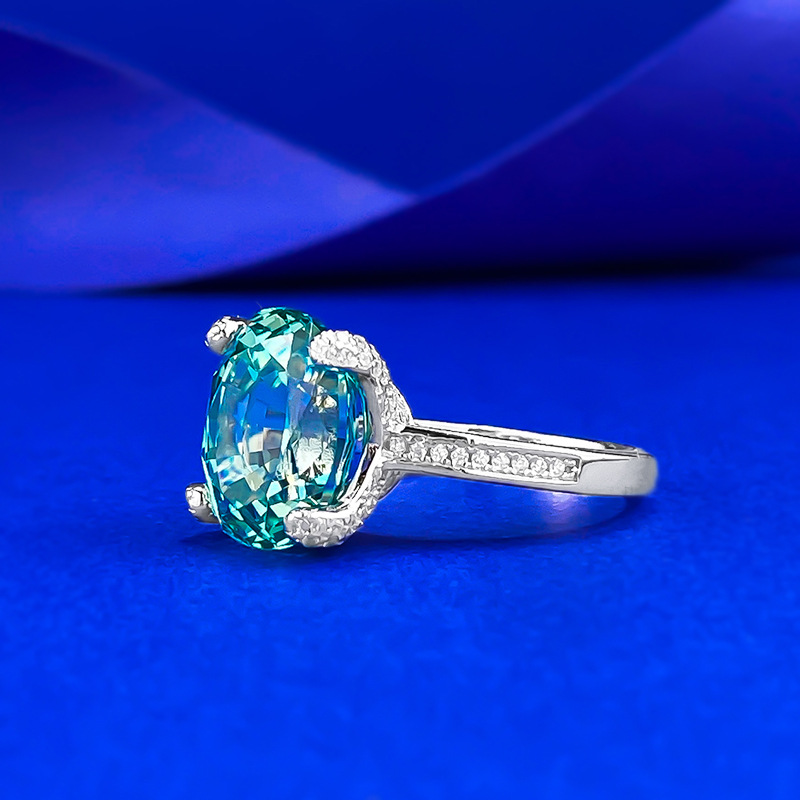
Asscher Cut Three Stone Ring Metal Comparison
An Asscher Cut Three Stone Ring metal comparison helps you choose more than a color. The metal affects how white the diamonds look, how the ring feels on your hand, and how much care it needs over time.
Asscher cuts have broad step facets and open tables. That clean geometry is beautiful, but it also shows diamond color and clarity more clearly than many brilliant cuts. The setting metal deserves attention from the start.
This asscher cut three stone Ring Metal Comparison covers platinum, 14k and 18k White Gold, Yellow Gold, rose gold, and mixed metals. You’ll see how each option affects appearance, durability, upkeep, skin tone, budget, and daily wear.
Asscher Cut Three Stone Ring Metal Comparison: The Quick View
The main choices are Platinum, White Gold, Yellow Gold, rose gold, and mixed metal. Each one changes the mood of an asscher cut Three Stone Ring. Platinum feels crisp and secure. White gold looks bright at a lower starting price. Yellow gold adds vintage warmth. Rose gold brings a soft blush tone. Mixed metal lets you keep white metal near the diamonds while adding warmth to the band.
Why does this matter so much with asscher cuts? Unlike round brilliant diamonds, asscher diamonds do not hide much behind sparkle. Their step-cut facets create broad flashes, straight lines, and a hall-of-mirrors look. If the diamond has warmth, you will often see it faster.
A three-stone setting adds another layer. The center stone, side stones, prongs, baskets, and shoulders all interact with the metal color. More visible metal means more influence on the final look.
GIA grades diamond color on the D-to-Z scale, and those small color steps can be easier to notice in step cuts. IGI and GIA reports also list clarity details, which matter because asscher cuts have open tables. For many shoppers, VS2 clarity or better is a comfortable starting point, though every diamond should be judged in person or by detailed video.
In my years helping couples compare engagement rings at StoneBridge, I’ve seen one pattern again and again: people often choose the metal too late. The better move is to compare metal and diamond together, especially if you are choosing lab-grown diamonds. You can review color and clarity options in our lab-grown diamond collection before you finalize the setting.
Why Metal Choice Matters for Asscher Cut Three Stone Rings
An asscher Cut Three Stone Ring metal comparison should start with diamond color. White metals usually keep the ring looking crisp. Warm metals can make the design feel richer, but they may also highlight warmth in the diamonds.
Yellow or rose gold can still be the right choice. The goal is to choose with intention. If you love vintage style, a warm metal may be exactly what the ring needs.
The side stones matter too. Matching asschers, emerald cuts, trapezoids, and tapered baguettes all show color differently. If the center stone is bright and the side stones are warmer, the contrast can stand out (trust me, I’ve seen it happen).
What To Check Before You Pick Metal
Ask three questions before choosing a setting. Do you want the diamonds to look icy white? Do you want low maintenance? Will you wear the ring every day?
If the answer to all three is yes, platinum usually moves to the top. If budget is the main concern, 14k white gold deserves a close look. If style matters most, yellow gold, rose gold, or mixed metal can give the ring more personality.
Here’s what nobody tells you: the “best” metal is not always the one that looks prettiest in a single product photo. It is the one that still feels right during dinner, at work, on vacation, and years after the proposal when the ring has become part of your everyday life.
Platinum Asscher Cut Three Stone Rings
Platinum is the premium choice in an asscher Cut Three Stone Ring Metal comparison. It is naturally white, dense, durable, and hypoallergenic. It does not need rhodium plating, so the color you see comes from the metal itself.
That natural white tone works beautifully with asscher diamonds. It keeps D, E, F, G, and H color diamonds looking clean and bright. It also pairs well with lab-grown diamonds because many buyers can choose a higher color grade within budget.
Platinum is practical, too. Most platinum jewelry alloys are 90% to 95% platinum, depending on the alloy. The metal is dense and tends to move rather than wear away quickly when scratched. Over time, it develops a soft patina that many people like.
Platinum is not perfect for every buyer. It costs more than most gold options, and it feels heavier on the finger. Some wearers love that weight. Others prefer the lighter feel of gold.
For daily wear, platinum gives strong peace of mind. Three-stone rings have more prongs and more stone edges than solitaires. A secure metal matters, especially for a ring that may be worn through a proposal, wedding planning, honeymoon travel, and all the small ordinary days that come after.
Platinum is best for:
- Buyers who want a naturally white metal
- Sensitive skin and hypoallergenic wear
- Daily-wear engagement rings
- Colorless and near-colorless asscher diamonds
- Heirloom-style three-stone settings
Platinum may not be best for:
- Shoppers with a strict starting budget
- Buyers who dislike a heavier ring
- People who want a mirror polish at all times
White Gold Asscher Cut Three Stone Rings
White gold is the most common platinum alternative. It gives a bright white look for less money upfront. In most engagement rings, white gold is finished with rhodium plating to create that crisp, reflective surface.
In an asscher Cut Three Stone Ring Metal comparison, white gold scores well for style and value. It looks modern, clean, and easy to pair with diamond jewelry. It also leaves more budget for a larger center stone, higher color grade, or better-matched side stones.
The trade-off is maintenance. Rhodium plating wears with use, especially on the palm side of the band and areas that rub against skin or other jewelry. Many wearers refresh rhodium every 12 to 24 months, depending on lifestyle and body chemistry.
White gold can also contain nickel. If you have metal sensitivity, ask about the alloy before buying. Some jewelers offer nickel-safe options, but you should confirm the details.
14k vs. 18k White Gold
14k white gold contains 58.3% pure gold. The rest is alloy metal, which often makes it harder and practical for everyday wear. It is a smart pick if you use your hands often or want a strong value choice.
18k white gold contains 75% pure gold. It has a richer fine-jewelry feel, but it can be a bit softer than 14k. With a three-stone setting, prong design and craftsmanship become especially important.
Honestly, I think 14k white gold is underrated for engagement rings. It may not sound as luxurious as platinum or 18k gold, but for someone who wants a bright asscher three-stone ring and a little more room in the diamond budget, it can be a very smart choice (yes, even on a budget).
White gold is best for:
- A bright white look without platinum pricing
- Modern asscher three-stone designs
- Buyers who want more budget for diamond quality
- 14k strength for active daily wear
White gold may not be best for:
- Buyers who do not want rhodium upkeep
- People with nickel sensitivity
- Shoppers who want a naturally white metal
Yellow Gold Asscher Cut Three Stone Rings
Yellow gold gives an asscher Cut Three Stone Ring warmth and character. It suits Art Deco-inspired settings, engraved shoulders, milgrain, claw prongs, and geometric side stones. The look feels classic without being plain.
The color contrast can be gorgeous. A bright asscher center stone in yellow gold feels deliberate and romantic. It softens the diamond’s straight lines while keeping the ring elegant.
Yellow gold also avoids rhodium plating. That makes care simpler than white gold. Routine cleaning, polishing, and prong checks are still needed, but you will not have to maintain a white surface.
The key issue is diamond color. Yellow gold can make warmer diamonds look even warmer, especially in step cuts. If you want a bright white face-up look, compare the actual diamond next to yellow gold Before You Buy.
A mixed-metal setting can solve this. Choose a yellow gold shank with a platinum or white gold head. You get warmth on the band and a white frame around the stones.
I’ve helped plenty of couples who thought they had to choose platinum for an asscher ring, then completely changed their minds once they saw a yellow gold shank with a white metal head. That combination can feel warm, personal, and still beautifully clean around the diamonds.
Yellow gold is best for:
- Vintage or Art Deco ring styles
- Warm and olive skin tones
- Buyers who already wear yellow gold jewelry
- Low-plating maintenance
- Strong contrast with white diamonds
Yellow gold may not be best for:
- Buyers who want the iciest diamond look
- Lower-color asscher diamonds without comparison
- Shoppers who prefer a cool, modern style
Rose Gold Asscher Cut Three Stone Rings
Rose gold brings a romantic tone to an asscher cut Three Stone Ring. The blush color comes from copper in the alloy. It can make a structured asscher design feel softer and more personal.
This metal works well with antique-inspired details. Think milgrain, bezels, engraving, and petite claw prongs. It also flatters many skin tones, especially if you like warm jewelry.
The same warmth that makes rose gold pretty can affect diamond appearance. It may add a pink or warm reflection near the basket and prongs. If you want a very white diamond look, use a higher color grade or choose a white metal head.
Some wearers react to copper. If your skin is sensitive, ask about the alloy before choosing rose gold.
Rose gold can be a lovely choice for a proposal ring when the person wearing it already gravitates toward soft, warm, sentimental pieces. It feels a little less expected than white metal, and for the right hand, that is exactly the charm.
Rose gold is best for:
- Romantic and personal ring styles
- Warm, blush, or antique-inspired looks
- Buyers who want something less common
- Mixed-metal designs with white metal heads
Rose gold may not be best for:
- Copper-sensitive skin
- Buyers who want a neutral resale profile
- Shoppers who prefer icy white diamonds only
Mixed Metal Asscher Cut Three Stone Rings
Mixed metal is one of the most useful options in an asscher cut three stone ring metal comparison. It lets you split the job between two metals. A white metal head protects diamond brightness, while a yellow or rose gold shank adds warmth.
This is especially helpful for asscher cuts. The white head limits warm reflection around the stones. The warm band still gives the ring personality.
A common choice is platinum prongs with a yellow gold band. Another is a white gold basket with a rose gold shank. Both can look balanced if the transition is designed with care.
Mixed metal is best for:
- Buyers who want diamond whiteness and warm style
- Vintage-inspired three-stone rings
- Custom engagement ring designs
- People who mix metals in everyday jewelry
Mixed metal may not be best for:
- Buyers who want one uniform metal color
- Very simple settings where contrast may feel distracting
- Shoppers who want the lowest possible price
You can compare setting directions in our engagement ring collection, browse everyday pieces in fine jewelry, or use our ring builder to test metal, diamond size, and side-stone proportions.
Side-by-Side Asscher Cut Three Stone Ring Metal Comparison
Use this asscher cut three stone ring metal comparison as a shortlist before you choose. Photos help, but they do not show the full ownership story. Maintenance, sensitivity, and wear matter too.
| Metal | Look | Upkeep | Best Diamond Match | Best For |
|---|---|---|---|---|
| Platinum | Naturally white and crisp | Patina or polish as desired | D-H color asscher diamonds | Daily wear and heirloom strength |
| 14k white gold | Bright white with rhodium | Replate about every 12-24 months | Colorless and near-colorless diamonds | Value and active wear |
| 18k white gold | Bright and refined | Rhodium plus careful wear | Higher color grades | Fine-jewelry feel |
| Yellow gold | Warm and classic | No rhodium, routine polish | Carefully chosen near-colorless diamonds | Vintage style and contrast |
| Rose gold | Blush and romantic | No rhodium, check copper sensitivity | Higher color or warm-toned designs | Personal style |
| Mixed metal | Warm band, white stone area | Depends on metals used | Strong for step cuts | Balanced brightness and warmth |
For daily wear, schedule a professional prong and setting inspection every 6 to 12 months. Three-stone rings have more contact points than solitaires, so small shifts matter. If you work with your hands, travel often, or wear your ring during exercise, check it more often.
Who Should Choose Each Metal?
Choose platinum if you want the safest luxury pick. It is naturally white, durable, hypoallergenic, and strong for daily wear. In this asscher cut three stone ring metal comparison, platinum is the best all-around recommendation.
Choose 14k white gold if you want a bright white look and a smarter starting price. It works well for active lifestyles and helps keep more budget available for the diamonds.
Choose 18k white gold if you like a richer gold content and a more elevated feel. Rhodium upkeep still applies.
Choose yellow gold if you love vintage warmth. It pairs beautifully with asscher geometry and Art Deco details, especially when the diamond color is chosen carefully.
Choose rose gold if you want romance and personality. It is less neutral than platinum or white gold, but that can be the whole point.
Choose mixed metal if you want both. A white metal head with a warm shank is often the most flexible solution.
StoneBridge Recommendation
Our top recommendation is platinum. It gives the best balance of diamond brightness, durability, comfort, and long-term security. For an asscher cut three stone engagement ring, those details count.
The best value pick is 14k white gold. It keeps the look bright and leaves room in the budget for a stronger diamond color, better clarity, or more balanced side stones.
The best warm-metal choice is yellow gold. It gives the asscher cut a vintage edge and looks especially good with thoughtful detailing.
The most personal choice is rose gold. The most flexible choice is mixed metal. If you are torn between icy diamonds and a warm band, mixed metal may be the answer.
Ready to compare the leading option? Shop asscher cut three stone rings at StoneBridge Jewelry. If platinum stretches the budget, compare a 14k white gold version before you lower diamond quality.
Need a second opinion on G-H color, VS clarity, or side-stone shape? Our jewelry team can help you compare proportions, prongs, and metal color Before You Order. We love this part of the process, because the small choices are often what make a ring feel like it was made for one person, not pulled from a case.
Final Buying Notes
A good asscher cut three stone ring metal comparison should make the choice easier, not more confusing. Start with the look you love, then test it against daily wear, budget, and maintenance.
Platinum is the strongest overall choice. White gold is the best value white metal. Yellow gold brings vintage warmth. Rose gold feels romantic and distinctive. Mixed metal gives you room to balance brightness and personality.
Do not choose from a product photo alone. Compare the metal with your diamond color grade, side stones, skin tone, and lifestyle. The right metal makes the asscher cut look intentional from every angle.
FAQ
What is the best metal for an asscher cut three stone engagement ring?
Platinum is the best overall metal for most asscher cut three stone engagement rings. It is naturally white, hypoallergenic, and strong enough for daily wear. It also helps colorless and near-colorless asscher diamonds look bright without rhodium plating. If the budget is tighter, 14k white gold is the best value alternative.
Is platinum or white gold better for an asscher cut three stone ring?
Platinum is better if you want durability, natural whiteness, and less finish maintenance. White gold is better if you want a similar bright look at a lower upfront price. Keep in mind that white gold usually needs rhodium replating every 12 to 24 months. For active daily wear, compare platinum and 14k white gold first.
Does yellow gold make an asscher cut diamond look yellow?
Yellow gold can make an asscher cut diamond look warmer because step-cut facets show body color more clearly. This is most noticeable in lower color grades or in stones with large open tables. If you love yellow gold but want a whiter look, choose a higher color grade or use a platinum or white gold head. Always compare the center stone and side stones next to the metal before buying.
Is rose gold good for an asscher cut three stone ring?
Rose gold is a good choice if you want a romantic, warm, and distinctive ring. It softens the clean lines of an asscher cut while keeping the design elegant. A white metal head can help the diamonds look brighter if you are worried about warmth. If your skin reacts to copper, ask about the rose gold alloy first.
Which metal makes lab-grown asscher diamonds look brightest?
Platinum and rhodium-plated white gold usually make lab-grown asscher diamonds look brightest. Their white tone reduces warm reflection around the stones, which helps step cuts look crisp. This is especially helpful for D-H color diamonds graded by GIA or IGI. Yellow gold and rose gold can still look beautiful, but they create a warmer overall effect.
Ready to Find Your Perfect Diamond?
Explore our collection of certified lab-grown diamonds
Shop Diamonds