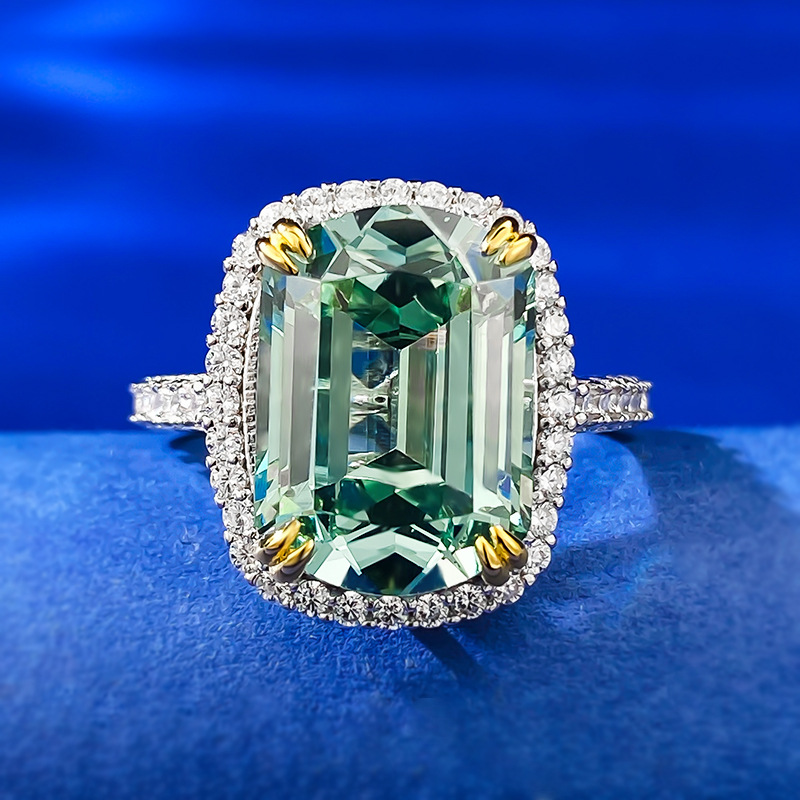
White Gold vs Platinum Halo Rings: Which Metal Wins?
A halo ring asks a lot from its metal. The setting has to frame the center diamond, hold tiny accent stones, and stand up to years of daily wear. That makes the white Gold vs Platinum halo choice about much more than color. It affects price, upkeep, weight, allergy risk, prong strength, and long-term value.
Most shoppers compare two strong options. White gold gives you a bright, polished look at a lower starting price. Platinum costs more, stays naturally white, and feels heavier on the hand. Both metals can work beautifully in halo engagement rings when the setting is well made.
The right choice comes down to budget, skin sensitivity, lifestyle, and how much maintenance you want over time.
White Gold vs Platinum Halo: The Quick Answer
For daily wear and long-term durability, platinum is usually the stronger white gold vs platinum halo pick. It is naturally white, highly dense, and often used in 950 purity, which means 95% platinum and 5% alloy metals. It also does not need rhodium plating to keep its white color.
For value, white gold often wins. A 14K white gold ring contains 58.3% gold, while 18K white gold contains 75% gold. Most white gold halo rings are coated in rhodium, giving them the crisp white shine many buyers love.
If you want the lowest color maintenance and have room in the budget, choose platinum. If you want a bright look and would rather spend more on the center diamond, choose white gold. That is the clearest white gold vs platinum halo comparison.
What We Mean by a Halo Ring Metal
The white gold vs platinum halo question is about the metal used for the setting, not the center diamond. A halo setting surrounds the main stone with small accent diamonds or gemstones. Those accents may sit in micro-prongs, shared prongs, bead-set pavé, or scalloped detail.
Halo rings need strong metal work because they have many small contact points. A solitaire may have four or six main prongs. A halo can have dozens of tiny beads and prongs around the center stone, plus more diamonds on the band.
White gold is an alloy. Jewelers mix gold with white-toned metals such as palladium, silver, zinc, or nickel, then often finish it with rhodium plating. Platinum is naturally white and is commonly used in fine bridal jewelry as 950 platinum.
Customers often notice the difference as soon as they try both on. White gold feels lighter and looks very bright after plating. Platinum feels more substantial and has a softer white tone.
Why Halo Settings Need Extra Care
Halo rings are detailed by design. A classic halo adds one row of diamonds around the center stone. A hidden halo places diamonds below the center stone. A double halo adds another ring of sparkle.
More detail means more tiny areas of metal doing important work. If you wear your ring at the gym, work with tools, lift heavy bags, or knock your hand against hard surfaces, the halo takes stress. Even a well-made ring needs routine checks.
A jeweler should inspect a daily-wear halo about every six months. That check can catch lifted prongs, loose pavé stones, worn beads, or buildup under the setting before the repair becomes costly.
White Gold Halo Rings: Best for Bright Shine and Value
White gold halo rings are popular because they look polished, Clean, and Elegant without the higher starting price of platinum. The rhodium finish creates a cool white surface that pairs well with lab-grown diamonds and pavé accents.
In a white gold vs platinum halo comparison, white gold gives you more budget flexibility. You may be able to choose a larger lab-grown center diamond, a higher cut grade, or a more detailed halo design. For many buyers, that tradeoff makes sense.
14K white gold is often the practical pick for daily wear because it has more alloy metal than 18K white gold. That can make it a bit harder, depending on the alloy recipe. 18K white gold has more gold content and a richer feel, though it may be softer.
The key detail is rhodium plating. White gold is not naturally bright white in the same way platinum is. As the plating wears, the metal underneath may look warmer or slightly gray.
Pros of White Gold Halo Rings
White gold works well if you want a premium look at a more approachable price. It is widely available in classic halo, oval halo, cushion halo, hidden halo, double halo, and vintage-inspired styles.
White gold also feels lighter on the finger. Some people love that, especially if they do not wear rings often. It also matches many wedding bands and everyday fine jewelry pieces.
The biggest benefit is budget control. Choosing white gold may help you move from a 1.50 carat lab-grown diamond to a 2.00 carat option, or from a plain shank to a pavé band.
If sparkle is the top goal, put some of those savings toward cut quality. GIA explains that cut has a major effect on a diamond's brightness, fire, and scintillation, so metal should not be the only focus.
Cons of White Gold Halo Rings
White gold needs more appearance maintenance than platinum. Most daily-wear white gold rings need rhodium replating every 12 to 24 months, though timing depends on wear habits. If you want a bright white finish all the time, plan for that service.
White gold may also contain nickel. Nickel can irritate sensitive skin, so ask whether the alloy is nickel-free. Palladium-based white gold can be a better option for some wearers.
Over many years, gold alloys can lose tiny amounts of metal through friction, polishing, and daily wear. That matters in halo settings because small diamonds depend on tiny prongs and beads. White gold can last for decades, but it rewards buyers who keep up with inspections.
Platinum Halo Rings: Best for Longevity and Sensitive Skin
Platinum halo rings are often chosen for engagement rings meant to be worn every day. Platinum is naturally white, dense, and prized for fine bridal settings. It does not need rhodium plating, so its color maintenance is simple.
Most platinum engagement rings use 950 platinum. That means the alloy is 95% platinum, with 5% other metals such as ruthenium, iridium, or cobalt. This high purity is one reason platinum costs more than white gold.
Platinum also wears differently. When it scratches, the metal tends to shift rather than disappear quickly. That creates a soft patina over time, but much of the metal remains in place.
For the white gold vs platinum halo decision, that trait matters. A halo ring may hold dozens of tiny accent diamonds. Dense metal around those stones can give buyers extra confidence, especially in pavé-heavy designs.
Pros of Platinum Halo Rings
Platinum stays white without plating. If you do not want to schedule rhodium services, that is a real advantage. You can polish platinum for more shine, or let it develop a soft patina.
Platinum is also a strong choice for sensitive skin. Because fine platinum jewelry is usually high purity and generally nickel-free, it works well for many people with metal allergies. No metal suits every person, but platinum is one of the safest fine jewelry choices.
The heavier feel can also be a plus. Many buyers describe platinum as more substantial or luxurious. It suits heirloom-style rings and delicate halo designs that need reliable metal support.
Cons of Platinum Halo Rings
Platinum costs more upfront. It is denser, often purer, and more labor-intensive to work with. A platinum halo ring usually uses more metal by weight than the same design in white gold.
The weight is personal. Some wearers love it. Others prefer the lighter feel of white gold, especially in a thicker band or double halo design.
Platinum repairs and resizing may also cost more. Bench jewelers need the right tools and experience, and complex halo settings require careful stone protection during service. If you choose platinum, ask about resizing policies Before You Buy.
White Gold vs Platinum Halo Comparison Chart
The white gold vs platinum halo choice becomes easier when you compare the day-to-day details.
| Factor | White Gold Halo | Platinum Halo |
|---|---|---|
| Color | Bright white after rhodium plating | Naturally white |
| Maintenance | Replating often needed every 12 to 24 months | No rhodium plating needed |
| Durability | Strong, especially in 14K | Excellent for prongs and pavé |
| Scratch behavior | Can lose tiny bits of metal over time | Metal tends to shift instead of wearing away fast |
| Starting price | Usually lower | Usually higher |
| Weight | Lighter | Heavier |
| Skin sensitivity | Depends on alloy | Hypoallergenic for most wearers |
| Repairs | Often simpler and less costly | May cost more |
| Best fit | Value and bright shine | Longevity and low color care |
White gold wins on initial price and icy shine. Platinum wins on natural whiteness, dense metal, and long-term wear. Neither is wrong; the better choice is the one that fits your life.
For a daily-wear ring with micro-pavé, a hidden halo, or a double halo, platinum is hard to beat. For a beautiful ring with a firm budget, white gold is a smart choice.
Appearance: Bright White or Naturally White?
Rhodium-plated white gold has a crisp, mirror-like finish. It can make a halo look icy, especially with colorless or near-colorless diamonds. If you love a high-polish look, white gold delivers it beautifully right after plating.
Platinum looks white too, but the tone is softer. It is elegant rather than flashy. Some buyers prefer that because the color does not depend on a surface coating.
Both metals pair well with lab-grown diamonds. IGI and GIA diamond reports can help you compare color, clarity, polish, symmetry, and cut information. Still, cut quality usually affects sparkle more than the metal color alone.
Durability and Maintenance in Real Life
White gold is durable enough for everyday rings when the setting is well built. The main upkeep is rhodium replating and routine prong checks. If the shank looks yellowish or dull, it may be time for service.
Platinum scratches, but it usually holds onto its metal well. That makes it a favorite for prongs, pavé, and delicate halo architecture. A platinum halo can still need tightening or polishing, but it avoids color replating.
Listen to your ring. If you hear a rattle, feel a snag, or see a dark gap where a small diamond used to sparkle, stop wearing it and call a jeweler. Quick action can save the stone and the setting.
Price and Long-Term Value
Platinum usually costs more because it is dense, high purity, and harder to work. The price gap depends on the design, metal market, diamond count, and band style. A slim halo may show a smaller gap than a double halo with pavé down the shank.
White gold can offer better value at purchase. If choosing white gold lets you buy a better-cut center diamond or a larger lab-grown diamond, the visual payoff can be strong. Many StoneBridge Jewelry shoppers compare both metals before they commit for that reason.
Long-term value is not only about the receipt. It also includes comfort, upkeep, allergy risk, repair costs, and how happy you will be wearing the ring year after year.
Who Should Choose White Gold vs Platinum Halo Rings?
Choose white gold if you want bright shine, a lighter feel, and a lower starting price. It is also a good fit if you want more budget available for the center stone. Plan for rhodium replating and regular inspections.
Choose platinum if you want a naturally white metal, low color maintenance, and a strong setting for daily wear. It is especially helpful for sensitive skin and pavé-heavy halo rings. If your budget allows, platinum is the stronger long-term white gold vs platinum halo choice.
Try both metals before ordering if you can. Weight, color, and comfort are easier to judge on your hand than on a screen. You can also compare styles through our halo engagement ring collection or build a custom pairing with our ring builder.
Choose White Gold if You Want More Diamond Budget
White gold may be the better choice if you want a larger center stone, a detailed halo, or a lower starting price. It is also a good option if you prefer a bright, high-polish finish. Many buyers like that it feels lighter than platinum.
The tradeoff is care. Ask about the alloy, especially if you have sensitive skin. Then budget for rhodium replating and prong inspections.
Choose Platinum if You Want Less Color Upkeep
Platinum may be the better choice if you want a ring that stays white without plating. It is also the stronger pick for many hidden halo, double halo, and micro-pavé designs. The higher price can be worth it if the ring will be worn every day.
Platinum is also a smart option for nickel-sensitive shoppers. If you want heirloom potential and a heavier feel, it deserves serious consideration.
Expert Recommendation from StoneBridge Jewelry
Our recommendation is simple: choose platinum for the best long-term white gold vs platinum halo performance, and choose white gold for the best starting value. Platinum gives you durability, natural white color, and strong support for detailed halo settings. White gold gives you bright shine and more room in the budget.
For an intricate halo, pavé band, or ring worn every day, platinum is usually worth the upgrade. For a budget-focused ring where the center diamond matters most, white gold can be the smarter buy.
Keep your paperwork, too. Save diamond grading reports from GIA, IGI, or another respected lab. Update your appraisal after major repairs, upgrades, or insurance changes.
Shop White Gold and Platinum Halo Rings
Ready to compare both metals in real designs? Start with similar halo rings in each metal so the price, feel, and finish differences are clear. Look at the same diamond shape, similar carat weight, and comparable band details.
You can shop lab-grown diamonds, browse engagement ring styles, or view more fine jewelry options in our jewelry collection. If you want help choosing the better white gold vs platinum halo ring, our team can walk you through metal, setting, and diamond options Before You Buy.
The right ring should look beautiful on day one and still suit your life years later. Pick the metal that matches how you wear jewelry, not just how it looks in the case.
FAQ
Is white gold or platinum better for a halo engagement ring?
Platinum is usually better for a halo engagement ring that will be worn every day. It stays naturally white, works well for small prongs, and is hypoallergenic for most wearers. White gold is better if you want a lower starting price and a bright rhodium finish. The best white gold vs platinum halo choice depends on budget, skin sensitivity, and maintenance habits.
How often does a white gold halo ring need rhodium plating?
Most daily-wear white gold halo rings need rhodium plating about every 12 to 24 months. Some wearers need it sooner if they work with their hands or prefer a very bright white finish. Others can wait longer if the ring sees lighter wear. Ask your jeweler to check the prongs during each plating visit.
Why does platinum cost more than white gold in halo rings?
Platinum costs more because it is dense, high purity, and more demanding to work at the bench. Many platinum bridal rings use 950 platinum, so the alloy contains 95% platinum. A ring made in platinum also uses more metal by weight than the same design in white gold. For buyers who want durability and low color maintenance, the added cost can make sense.
Will white gold or platinum make my lab-grown diamond look bigger?
Metal choice will not truly change diamond size, but it can affect contrast and style. Rhodium-plated white gold can create a bright, icy frame that makes the halo look crisp. Platinum gives a softer white look that stays consistent without plating. To make a lab-grown diamond appear larger, focus on cut quality, halo proportions, and the right setting shape.
Is platinum worth it over white gold for a hidden halo?
Platinum is often worth it for a hidden halo because the design has small accent stones tucked under the center diamond. Those tiny stones need careful metal support and regular inspection. Platinum's density and natural white color make it a strong match for detailed settings. White gold can still work well if the ring is well made and you are comfortable with replating.
Ready to Find Your Perfect Diamond?
Explore our collection of certified lab-grown diamonds
Shop Diamonds