Tennis Necklace vs Solitaire Pendant: Which Diamond Necklace Fits You Best?
Choosing between a Tennis Necklace vs solitaire pendant usually comes down to one thing: do you want a full line of sparkle or one standout diamond? Both styles are classic, and both can feel special. Still, they wear very differently.
A tennis necklace gives you diamonds across the neckline. A solitaire pendant keeps the focus on one stone. If you're comparing tennis necklace vs solitaire pendant for everyday wear, gifting, comfort, and price, the details matter more than most shoppers expect.
This guide breaks down the difference in plain English so you can Buy with Confidence.
Tennis Necklace vs Solitaire Pendant: Quick Overview
A tennis necklace is made with a continuous row of diamonds, usually matched for size, color, and overall look. The effect is bright and polished because the sparkle stretches across the neck instead of sitting in one spot.
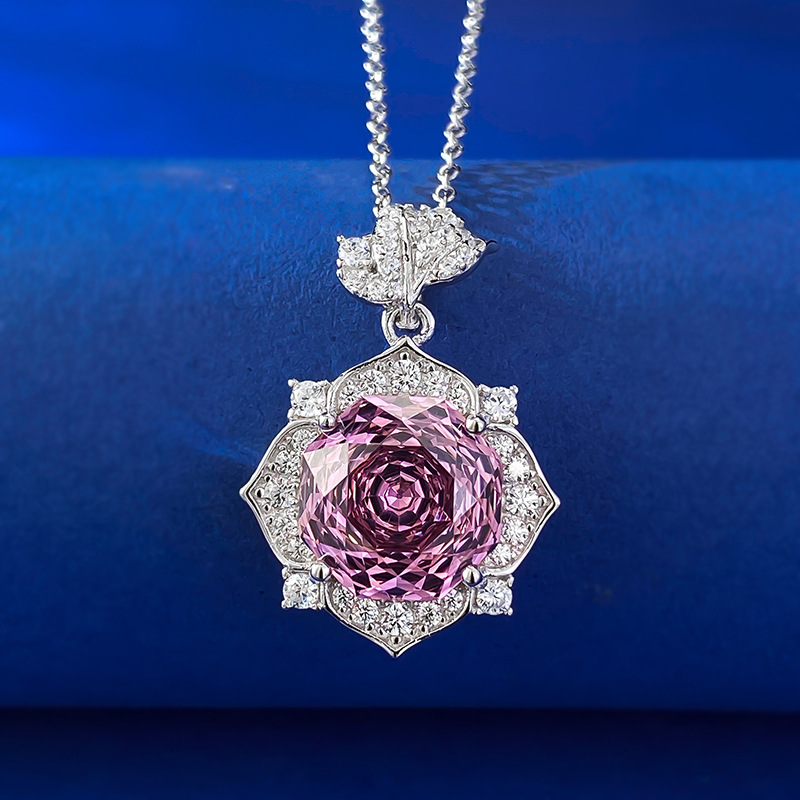
A solitaire pendant is simpler. It features one center diamond on a chain, often set in prong or bezel style. The appeal is easy to understand: clean lines, timeless shape, and no styling fuss.
Why do so many shoppers compare tennis necklace vs solitaire pendant? Because both sit in the fine-jewelry category, and both work as gifts, self-purchases, and event jewelry. They serve different style needs, though.
Here is the short version:
- Tennis necklace: more sparkle, more presence, higher cost
- Solitaire pendant: more flexibility, lighter feel, lower entry price
What Makes These Two Necklace Styles So Different?
The biggest difference in tennis necklace vs solitaire pendant is how each piece creates impact. A tennis necklace uses many diamonds to create a ribbon of light. A solitaire pendant relies on the beauty of one stone.
That changes more than appearance. It affects maintenance, comfort, and how often you'll reach for the piece. Want one necklace that works with a T-shirt, blazer, and dinner dress? A pendant often wins. Want something that looks dressed up the second you put it on? A tennis necklace usually does that better.
We've found that first-time fine-jewelry buyers often lean toward a solitaire pendant. Customers shopping for an anniversary or milestone gift often gravitate to a tennis necklace because it feels more substantial.
Another key difference is how value is distributed. In a pendant, most of your budget goes into one center diamond and a relatively simple chain and setting. In a tennis necklace, your budget is spread over many stones, metal links, and the labor required to match and set each diamond evenly. That means buyers judge the two styles differently: with a pendant, you tend to inspect one stone closely; with a tennis necklace, you step back and assess the overall line, consistency, and drape.
Tennis Necklace Features, Pros, and Cons
A tennis necklace is all about consistency. Each stone should look balanced with the next one. If the diamonds don't match well, your eye will catch it fast.
Most tennis necklaces include:
- Round diamonds in shared-prong, four-prong, bezel, or box settings
- Lengths from 14 to 18 inches
- Flexible links for smoother drape
- Safety clasps with figure-eight locks or double latches
- Matched color and clarity across the necklace
In a tennis necklace vs solitaire pendant comparison, the tennis necklace has more moving parts. Craftsmanship matters a lot because of that.
Why shoppers love a tennis necklace
It has strong sparkle
Diamonds reflect light across the whole neckline, not just at the center.It looks luxurious right away
Even a modest tennis necklace gives off a dressed-up feel.It works for big occasions
Weddings, anniversaries, black-tie events, and milestone birthdays are natural fits.It makes a memorable gift
For major celebrations, this style often feels more dramatic than a pendant.
Drawbacks to keep in mind
It usually costs more
You're paying for many diamonds, matching labor, and a more complex setting structure.It needs more upkeep
More stones mean more prongs, more links, and more places to inspect.It can feel less casual
Some people love that. Others find they don't wear it as often as they expected.Layering takes more thought
A tennis necklace is often the main piece, not the supporting one.
The Gemological Institute of America (GIA) recommends regular jewelry inspections, especially for multi-stone pieces, because normal wear can loosen settings over time. That's a real factor in tennis necklace vs solitaire pendant shopping, not just a footnote.
Diamond quality details to check on a tennis necklace
Tennis necklaces are rarely sold the same way solitaire diamonds are sold. Instead of one individual grading report for each small stone, sellers often provide a range for color, clarity, total carat weight, and metal content. That makes it important to ask sharper questions.
- Total carat weight: This refers to the sum of all diamonds, not the size of each stone. A 5.00 ctw necklace may use many small diamonds or fewer larger ones.
- Color range: Fine pieces commonly fall in the G-H, H-I, or I-J range. Whiter grades generally cost more.
- Clarity range: SI to VS is common. In a tennis necklace, eye-clean appearance matters more than microscope-level perfection.
- Cut consistency: Even when every melee stone is not individually certified, they should look lively and reasonably well matched.
- Graduated vs uniform layout: Some necklaces keep the same stone size all around; others use larger stones in front that taper smaller toward the clasp to manage cost and weight.
A well-made tennis necklace does not need every diamond to be rare on its own. It needs the complete necklace to look even, bright, and fluid from end to end.
Best Times to Wear a Tennis Necklace
A tennis necklace works best when you want visible shine. Think bridal looks, formal dinners, holiday parties, and anniversary celebrations. It can also dress up a simple blouse or knit top if you like a polished look during the day.
Neckline shape matters too:
- Strapless and scoop necklines: great match
- Open square necklines: very flattering
- V-necks: best with the right length and drop
- Crew necks: often better with a slightly longer style
If your wardrobe is minimal and low-key, a tennis necklace may feel like more jewelry than you want for daily use. That's not a flaw. It's just a clue.
It also helps to think about lifestyle. If you frequently travel, commute in active clothing, or prefer jewelry you never have to think about, a tennis necklace may end up being more of an occasion piece than an everyday staple. If your calendar includes galas, weddings, client dinners, or you simply enjoy polished dressing, you'll likely get more use from it.
Solitaire Pendant Features, Pros, and Cons
A solitaire pendant puts the spotlight on one diamond. Because of that, the center stone has to carry the whole look. In the tennis necklace vs solitaire pendant debate, this is where quality becomes very visible.
Most solitaire pendants use round brilliant diamonds, though oval, pear, emerald, and princess cuts are common too. Popular settings include:
- Four-prong or six-prong: classic and open
- Bezel: smooth, modern, and secure
- Martini: low metal presence and a floating look
- Basket: traditional support with a bit more structure
Chain balance matters. A 0.50-carat pendant on a heavy chain can look undersized. A 1.50-carat pendant on an ultra-thin chain can feel risky. Most buyers choose 16, 18, or 20 inches, with 18 inches being the usual middle ground.
Why shoppers choose a solitaire pendant
It never feels overdone
A good solitaire pendant works at almost any age and with almost any wardrobe.It's easy to wear often
It sits lightly, layers well, and pairs with workwear, denim, or evening looks.It's easier on the budget
Compared with a tennis necklace, the price is usually lower.It makes gifting simple
Not sure about someone's style? A pendant is usually the safer bet.It layers beautifully
Add a plain chain or a station necklace and you're done.
Trade-offs of a solitaire pendant
It has less total sparkle
The shine is concentrated in one place.The stone quality matters more
Poor cut is harder to hide when there's only one focal diamond.It may feel too quiet for some buyers
If you want instant wow factor, a small pendant may not scratch that itch.
GIA's diamond grading guidance consistently points to cut as a major driver of brightness and fire. For round stones, that matters a lot. A well-cut 0.75-carat diamond can look livelier than a poorly cut 1.00-carat stone.
Diamond specs that matter most in a solitaire pendant
With a pendant, it pays to shop much like you would for a center stone in a ring. The diamond is visible from close range, and there is no surrounding design to distract from its quality.
- Cut: For round diamonds, prioritize Excellent or Ideal cut whenever possible. This is usually the first spec to protect.
- Color: D-F looks very icy, while G-H often gives an excellent balance of brightness and value, especially in white gold or platinum.
- Clarity: VS2 to SI1 can be a smart target if the stone is eye-clean. Higher clarity may not change the look much once worn.
- Shape: Round brilliants deliver the most sparkle; oval and pear can look larger face-up; emerald cuts show clarity more easily and offer a cleaner flash.
- Certification: GIA and IGI are the most commonly requested reports for natural and lab-grown center stones.
One practical tip: if you're deciding between a slightly larger stone and a better cut, many buyers are happier long-term with the better cut. Pendants sit where light hits directly, so lively performance shows.
Tennis Necklace vs Solitaire Pendant on Price, Comfort, and Upkeep
The tennis necklace vs solitaire pendant choice gets practical here.
A tennis necklace almost always costs more. Even with lab-grown diamonds, you're buying more total carat weight and more labor. A solitaire pendant gives many shoppers a lower starting point while still offering real diamond impact.
Comfort is different too. A pendant is usually lighter and easier to forget you're wearing. A tennis necklace can feel amazing, but weight and fit matter more. If it flips, pinches, or sits too stiffly, you won't love it for long.
Upkeep is another separator. A pendant has one center setting and one chain. A tennis necklace may have dozens of stones plus link connections and a clasp system that deserves regular checks.
According to IGI and GIA grading standards, buyers should focus on cut quality, secure settings, and clear specs before chasing size alone. That advice applies to both styles.
There is also a repair difference many shoppers overlook. If a Solitaire Pendant Chain breaks, the center setting can often be reattached or the chain replaced without affecting the diamond itself. If a tennis necklace link is damaged or a matched stone is lost, repair can be more specialized because replacement stones must blend with the rest of the necklace.
Typical Price Ranges: What Buyers Can Expect
Prices vary widely based on diamond origin, total carat weight, quality range, metal, and brand markup, but realistic starting points help set expectations.
Tennis necklace price ranges
- Lab-grown diamond tennis necklaces: often start around $2,500 to $5,000 for lighter styles and can rise well beyond $10,000 depending on length, total carat weight, and quality.
- Natural diamond tennis necklaces: often begin around $6,000 to $12,000 for smaller total weights and can climb into the mid-five figures or higher.
- Heavy, luxury-grade pieces: larger natural diamond tennis necklaces in platinum or high color/clarity ranges can reach $20,000, $30,000, or more.
Solitaire pendant price ranges
- Lab-grown solitaire pendants: commonly start around $500 to $1,500 for smaller sizes and move into the $2,000 to $4,000 range for larger certified stones.
- Natural diamond solitaire pendants: often begin around $900 to $2,500 for modest sizes and increase significantly with stronger cut, color, and carat weight.
- 1.00-carat and above center stones: can range from a few thousand dollars into much higher territory depending on certification and quality.
These are broad estimates, not fixed rules, but they highlight why the tennis necklace vs solitaire pendant comparison often comes down to budget reality. If you have a set amount to spend, a pendant lets you direct more of it into the quality of one visible stone. A tennis necklace uses that budget to create distributed sparkle and greater overall presence.
Metal Choices and How They Change the Look
Metal selection affects color, maintenance, price, and the way diamonds appear against the skin. It matters more than many buyers think.
- 14K white gold: popular for both styles, durable for regular wear, and usually more affordable than platinum. It may need occasional rhodium replating to maintain a bright white finish.
- 18K white gold: richer precious-metal content with a slightly softer feel. It can look luxurious but may show wear a bit faster than 14K.
- Yellow gold: warmer, classic, and especially attractive if you like contrast between metal and diamond. It can make near-colorless diamonds still look beautiful while softening an icy look.
- Rose gold: romantic and distinctive, though less common for tennis necklaces than white metals. It suits many skin tones and can make a pendant feel more personal.
- Platinum: naturally white, dense, and premium-priced. It is an excellent option for buyers who want weight, durability, and no replating routine.
For tennis necklaces, white metals usually emphasize the uninterrupted line of sparkle. For solitaire pendants, yellow and rose gold can make the piece feel more individual and less formal. If you wear mixed metals often, a solitaire pendant is generally easier to blend into your wardrobe than a high-impact tennis necklace.
Side-by-Side Comparison Table
| Factor | Tennis Necklace | Solitaire Pendant |
|---|---|---|
| Sparkle | Continuous shine across the neckline | Focused shine from one center stone |
| Visual impact | Bold and dressy | Clean and refined |
| Comfort | Can feel heavier | Usually light and easy |
| Layering | Often best alone | Very easy to layer |
| Upkeep | More settings and links to inspect | Simpler care overall |
| Price | Higher in most cases | Lower starting price |
| Gift style | Great for milestones | Great for broad gifting |
| Best use | Events, bridal, statement dressing | Daily wear, office, travel |
If you're still stuck on tennis necklace vs solitaire pendant, ask yourself one question: how often will I really wear it? That answer usually clears things up fast.
Length, Fit, and Sizing Considerations
Both necklace types look better when the length suits your neckline and proportions.
Tennis necklace sizing
Most buyers choose between 14 and 18 inches. A 14-inch style fits like a close collar and works best on smaller neck sizes or for a very tailored look. A 16-inch tennis necklace is the classic choice for many women because it sits at the base of the neck and shows well with open necklines. An 18-inch version feels slightly more relaxed and may pair better with higher necklines or layering.
Before buying, use a soft tape measure or a piece of string to test where the necklace will sit. With a tennis necklace, half an inch can change the look. You want enough room for comfort, but not so much length that the line of diamonds drops awkwardly or twists.
Solitaire pendant sizing
For pendants, the usual 16-, 18-, and 20-inch options create different effects:
- 16 inches: higher and more delicate-looking, good for smaller pendants and open collars
- 18 inches: the most versatile everyday length
- 20 inches: a more relaxed look, useful for layering or taller frames
The center stone size should also match the chain. A 0.25 to 0.50-carat pendant often looks best on a fine chain around 0.8 to 1.2 mm. Larger pendants usually benefit from a slightly sturdier chain, especially if worn daily.
Who Should Buy a Tennis Necklace?
Choose a tennis necklace if you:
- Love obvious sparkle
- Dress up often or want one standout necklace
- Are shopping for an anniversary or milestone gift
- Want stronger presence in event photos
- Prefer a finished, luxurious look over a layered one
Our customers often choose this style for 10th anniversaries, wedding weekends, and milestone birthdays. It feels celebratory in a way a smaller pendant sometimes doesn't.
It's also a smart choice for someone who already owns everyday diamond basics and wants the next step up. If the recipient already has stud earrings, a simple pendant, or a classic ring, a tennis necklace can feel like a meaningful upgrade rather than a repeat of what they own.
Who Should Buy a Solitaire Pendant?
Choose a solitaire pendant if you:
- Want a diamond necklace for weekly or daily wear
- Prefer simple, timeless styling
- Like layering with other chains
- Need a more approachable price point
- Are buying a graduation, birthday, or first fine-jewelry gift
For many buyers, this is the easiest answer in the tennis necklace vs solitaire pendant conversation. It fits more wardrobes, takes less maintenance, and usually gives better cost-per-wear.
If you want to compare center stone options, you can shop lab-grown diamonds or browse diamond jewelry styles. If you're also weighing ring and necklace budgets together, it's smart to explore engagement rings or try the custom ring builder before you finalize your purchase.
Which Necklace Style Gives Better Value?
For most shoppers, the better all-around value in tennis necklace vs solitaire pendant is the solitaire pendant. It costs less to get into, works with more outfits, and tends to be worn more often. That's hard to ignore.
Value isn't just about lower cost, though. If you want maximum visual impact and a piece that feels unmistakably special, the tennis necklace may be the better buy for you. Why spend less on something you'll always wish had more presence?
Here's the simple verdict:
- Best for everyday wear: solitaire pendant
- Best for sparkle: tennis necklace
- Best for layering: solitaire pendant
- Best for milestones: tennis necklace
- Best for most first-time buyers: solitaire pendant
One more way to think about value: divide price by expected wears. A pendant bought for daily use may end up being worn hundreds of times a year. A tennis necklace may cost more but still feel worth it if it becomes your signature event piece and you wanted that exact level of glamour from the start.
Buying Tips Before You Choose
No matter where you land on tennis necklace vs solitaire pendant, check the basics Before You Buy.
- Look for certified diamonds from recognized labs such as GIA or IGI
- Ask for exact specs: total carat weight, color, clarity, length, and metal type
- Check clasp security on tennis necklaces
- Check chain thickness and setting balance on pendants
- Ask how often the piece should be inspected
A few numbers help here. Common solitaire pendant sizes range from 0.50 to 1.50 carats. Common tennis necklace lengths run from 14 to 18 inches. Those details affect both look and wearability more than many buyers expect.
If you want practical elegance, start with the pendant. If you want a necklace that announces itself the moment it catches light, go for the tennis necklace.
Common buying mistakes to avoid
- Buying only by carat weight: Two pieces with the same carat weight can look very different depending on cut, spread, and setting style.
- Ignoring clasp quality: On a tennis necklace, a weak clasp is not a minor issue.
- Choosing the wrong length: A beautiful necklace can go unworn if it lands at an awkward point on your neckline.
- Overpaying for clarity you won't see: Especially in smaller tennis necklace stones, eye-clean appearance matters more than elite clarity grades.
- Underestimating chain durability: A delicate pendant needs an appropriate chain and secure jump rings if it will be worn often.
- Skipping return policy details: Fine jewelry should come with a clear inspection window in case the scale, length, or look feels different in person.
Care, Cleaning, and Inspection
Diamond necklaces are durable, but settings and chains still need attention.
How to care for a tennis necklace
- Store it flat in a fabric-lined box or pouch to reduce tangling and stress on the links.
- Fasten the clasp before storing so the necklace does not knot with other pieces.
- Clean it gently with warm water, mild soap, and a soft brush, then dry it fully with a lint-free cloth.
- Have prongs, links, and the clasp inspected periodically, especially if you wear it often.
- Remove it before exercise, sleeping, swimming, or applying lotions and perfume.
How to care for a solitaire pendant
- Check the chain for thinning near the clasp and jump ring.
- Inspect prongs or bezel edges occasionally to make sure the stone is secure.
- Clean the back of the diamond where oils collect, since buildup can dull sparkle quickly.
- Store it separately to avoid chain tangling and scratching from other jewelry.
Professional cleaning once or twice a year is a good habit for either style. If you hear a faint rattle, notice a snag, or see the pendant sit crookedly all of a sudden, stop wearing it until it's inspected.
Shipping, Returns, and Purchase Policies Worth Checking
When buying Fine Jewelry Online, product specs are only part of the decision. Policies matter too, especially for high-value pieces.
- Shipping method: Look for insured shipping with signature confirmation. Fine jewelry should not be left unattended.
- Processing time: Some necklaces are in stock, while others are made to order. Tennis necklaces in particular can have longer production timelines.
- Return window: Check the number of days allowed for inspection and whether worn items, resized chains, or custom lengths are final sale.
- Certification paperwork: For solitaire pendants with a certified center stone, confirm whether the grading report is included.
- Warranty or service policy: Ask whether complimentary inspections, tightening, or rhodium finishing are offered after purchase.
A solid return policy can make a real difference in the tennis necklace vs solitaire pendant decision because fit and scale are easier to judge in person. Many buyers feel certain once they actually try the necklace with their own wardrobe.
FAQ: Tennis Necklace vs Solitaire Pendant
Is a tennis necklace or solitaire pendant better for everyday wear?
A solitaire pendant is usually better for everyday wear because it's lighter, easier to style, and less fussy to maintain. It works well with work clothes, sweaters, casual outfits, and layered chains. A tennis necklace can still be worn often, but most buyers save it for days when they want more polish.
What is the main sparkle difference between a tennis necklace and a solitaire pendant?
The sparkle in a tennis necklace spreads across the neckline because the diamonds run in a full line. A solitaire pendant puts all the attention on one diamond, so the shine feels more focused. If you want a bigger visual effect from across the room, the tennis necklace usually wins.
Is a solitaire pendant cheaper than a tennis necklace?
In most cases, yes. A solitaire pendant usually costs less because it uses one featured stone instead of many matched diamonds. Price still depends on cut, carat weight, certification, metal type, and whether you're buying natural or lab-grown.
Can you wear a tennis necklace and solitaire pendant together?
Yes, but proportion matters. Most people get the best result by choosing different lengths so the two pieces don't compete. If the tennis necklace is bold, keep the pendant delicate and the neckline clean.
Which necklace style makes a better gift?
A solitaire pendant is often the easier gift because it suits a wide range of ages and personal styles. A tennis necklace makes a stronger luxury statement, which is why buyers often choose it for anniversaries, wedding jewelry, and major milestones. If you're unsure, the pendant is usually the safer pick.
Which setting is more secure: bezel or prong?
In general, bezel settings offer more protection because the metal surrounds the diamond. Prong settings show more of the stone and can maximize light return, but they need periodic checks to make sure the tips stay secure. For active daily wear, many buyers like a bezel pendant. For classic sparkle, prongs remain the most popular choice.
Should you choose lab-grown or natural diamonds for these necklaces?
That depends on your budget and priorities. Lab-grown diamonds often let buyers choose larger sizes or better specs for the same spend. Natural diamonds appeal to buyers who prefer traditionally formed stones and long-established rarity. Both can be beautiful choices when well cut and clearly represented.
Shop the Necklace Style That Matches Your Life
Still deciding on tennis necklace vs solitaire pendant? Start with how you dress, how often you'll wear the piece, and the budget that feels comfortable.
If you want daily versatility, a solitaire pendant is hard to beat. If you want statement sparkle, a tennis necklace delivers it fast. StoneBridge Jewelry can help you compare both, whether you're focused on lab-grown value, classic styling, or a milestone-worthy piece.
Ready to Find Your Perfect Diamond?
Explore our collection of certified lab-grown diamonds
Shop Diamonds