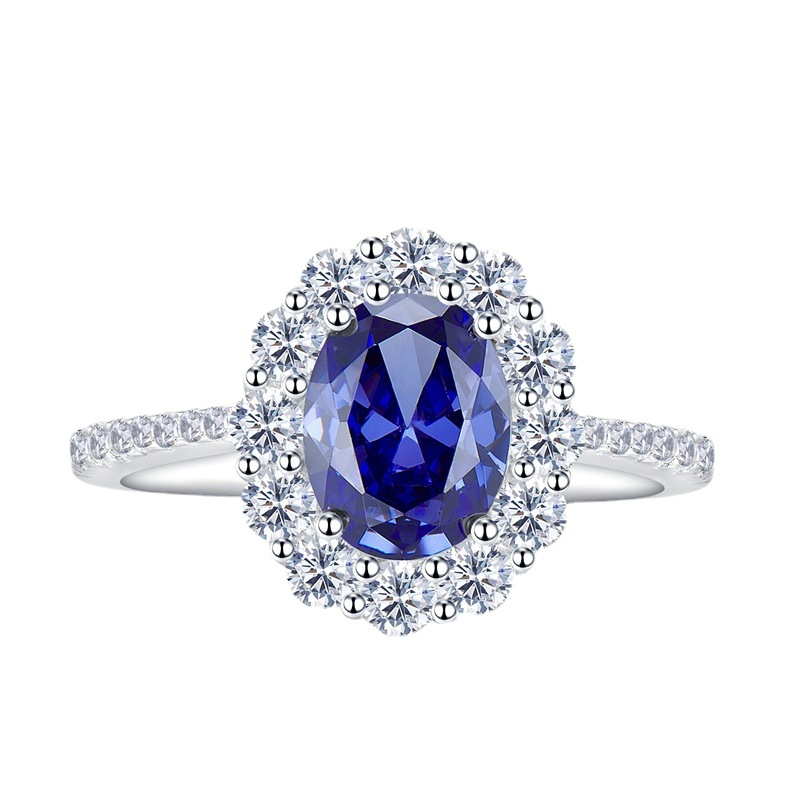
Certified Bridal Jewelry for Couples: How to Buy with Confidence
Bridal jewelry is emotional, personal, and expensive enough that most couples want proof behind the sparkle. That’s why Certified Bridal Jewelry for couples stands out. The right paperwork helps you compare quality, understand price, and feel better about what you’re bringing home.
For some pieces, certification means an independent diamond grading report. For others, it means metal hallmarks, authenticity records, warranty paperwork, or a detailed appraisal. Each document covers something different, so the goal isn’t to collect papers for the sake of it. The goal is to know what each one proves.
This matters because two rings can look nearly identical online and still be priced far apart. One may have a GIA or IGI report. Another may use broad descriptions and little else. Without good documentation, it’s hard to tell whether you’re paying for better quality, heavier metal, stronger workmanship, or just better marketing.
If you want a place to start comparing, you can explore engagement rings, shop lab-grown diamonds, or browse fine jewelry styles while you review the details that matter most.
Why certified bridal jewelry for couples matters
A ring isn’t just for the proposal or wedding day. You’ll wear it for years, maybe every day. That makes quality, comfort, and durability just as important as style.
Certified bridal jewelry for couples gives both partners a clearer way to judge what they’re buying. Instead of relying only on photos or sales language, you can compare measurable details such as cut grade, metal purity, setting structure, and service policies.
Many couples shop with far less stress when they decide on standards before they fall in love with a specific ring. What do you actually want to verify before spending hundreds or thousands of dollars? That’s the question certification helps answer.
It also helps you ask smarter questions:
- Is the center stone independently graded?
- Does the report number match the listing?
- What metal is used in the setting or band?
- Is the ring built for daily wear?
- Can it be resized later?
- What happens if a prong loosens?
What certification means in bridal jewelry
The word certified gets used loosely in jewelry, so it helps to be specific. A diamond grading report is not the same as an appraisal. A metal hallmark is not the same as a warranty. All are useful, but they serve different purposes.
For diamond engagement rings, the most valuable document is usually an independent grading report. It measures cut, color, clarity, carat weight, proportions, and other identifying details. That gives you a more objective way to compare stones.
For wedding bands and settings, metal stamps matter more. Marks such as 14K, 18K, and 950 tell you what the ring is made from. That affects color, wear, maintenance, and value over time.
Here is a quick breakdown:
| Document Type | What It Verifies | Best For |
|---|---|---|
| Diamond grading report | 4Cs, proportions, measurements, identity details | Diamond engagement rings |
| Metal hallmark | Precious metal purity | Wedding bands and ring settings |
| Appraisal | Estimated replacement value | Insurance after purchase |
| Warranty or seller paperwork | Service terms, care guidance, authenticity | All bridal jewelry |
Certified bridal jewelry for couples makes more sense when you know which proof belongs with which piece. A plain wedding band won’t need a stone report, but it should still have clear metal information and seller-backed documentation.
Diamond reports couples should know
Most shoppers will come across GIA and IGI first. GIA, the Gemological Institute of America, is widely known for its grading standards and educational resources. IGI, the International Gemological Institute, is also common, especially for lab-grown diamonds and bridal jewelry sold online.
These labs grade the 4Cs:
- Cut
- Color
- Clarity
- Carat weight
They also list measurements, polish, symmetry, proportions, and sometimes fluorescence. GIA education materials consistently stress the value of cut because it has a major impact on brightness and sparkle. A smaller diamond with an excellent cut can look better than a larger stone with poor proportions.
That applies to lab-grown stones too. Certified bridal jewelry for couples often includes lab-grown center stones because the grading process makes side-by-side comparison much easier.
Metal hallmarks and seller documentation
Metal quality matters more than many first-time buyers expect. A bridal ring takes daily knocks, frequent hand washing, and years of wear. A hallmark tells you whether you’re buying 10K, 14K, 18K gold, or platinum.
You should also look for supporting paperwork such as:
- A detailed sales receipt
- Warranty terms
- Care instructions
- Return and exchange policies
- Appraisal paperwork for insurance
An appraisal usually comes into play after the purchase. A grading report matters more during the shopping stage. Both help, but they are not interchangeable.
How bridal buyers started expecting more proof
Years ago, many couples bought from a local jeweler and relied on trust, reputation, and in-person inspection. That still has value. Online shopping changed the way people compare bridal jewelry.
Now you can review dozens of rings in one evening. You can sort by price, shape, metal, and carat weight in minutes. That convenience is great, but it also raises the bar for transparency.
Certified bridal jewelry for couples has become a practical trust signal in that setting. Product listings with real details make it easier to compare value. Listings that stay vague tend to create more doubt than excitement.
Data backs this up. According to The Knot’s 2023 Jewelry and Engagement Study, most proposal shoppers spend months researching before they buy. GIA also notes that standardized grading gives buyers a common language for evaluating diamonds. Those two points explain why certification now feels less like a bonus and more like a baseline.
Why lab-grown diamonds keep growing in bridal
Lab-grown diamonds have become a major part of the bridal market for simple reasons: price, transparency, and flexibility. In many cases, couples can choose a larger or better-cut stone for the same budget.
Industry reports from analysts such as Tenoris and trade coverage from JCK have shown rising consumer comfort with lab-grown bridal jewelry over the last few years. That trend lines up with what many shoppers want: compare quality on paper first, then decide how much size, color, or setting detail to prioritize.
Certified bridal jewelry for couples fits that shift well because a documented lab-grown diamond can be judged using the same core quality markers as a mined one.
How to shop for certified bridal jewelry for couples
The easiest way to shop well is to make decisions in stages. Start broad. Then narrow your choices with facts.
A simple framework works well:
- Set your shared priorities.
- Review stone quality and reports.
- Check metal, setting, and build quality.
- Confirm return, shipping, and repair policies.
- Recheck fit, comfort, and long-term care.
This approach keeps the process grounded. You still get the fun part of ring shopping, and you protect yourself from buying on emotion alone.
Step 1: Set shared priorities first
Before comparing rings, decide what matters most to both of you. Some couples want the biggest visual look for the budget. Others care more about durability, matching style, or lower maintenance.
Common priorities include:
- Strong sparkle and cut quality
- Budget control
- Durable metal for daily wear
- Matching or coordinated bands
- Lab-grown or mined diamond preference
- Ethical sourcing details
- Easy future resizing
Certified bridal jewelry for couples gets easier to compare once you know your non-negotiables. It also helps to separate engagement ring priorities from wedding band priorities. They don’t always need to solve the same problem.
Step 2: Review the stone report carefully
If you’re buying a diamond center stone, read the report instead of skimming it. Look at the lab name, report number, carat weight, measurements, color, clarity, cut grade, polish, and symmetry.
Check these details side by side:
- Report issuer, such as GIA or IGI
- Shape and cutting style
- Carat weight
- Color grade
- Clarity grade
- Cut grade if listed
- Measurements and proportions
- Fluorescence and comments
- Laser inscription if available
The report should match the product listing exactly. If the numbers don’t line up, pause and ask questions.
Step 3: Check setting, metal, and structure
A beautiful stone still needs a secure home. Prongs, gallery height, band thickness, and overall build quality affect how the ring wears over time.
Ask practical questions Before You Buy:
- Are the prongs even and secure?
- Is the band thick enough for regular wear?
- Is the ring comfort fit?
- Will the setting snag easily?
- Is the metal a good choice for sensitive skin?
- Can the ring be resized?
Platinum is dense and popular for everyday bridal wear. Fourteen-karat gold is also a common choice because it balances strength, color, and price. Eighteen-karat gold has a richer tone but may be softer, depending on the alloy.
If sizing is still uncertain, review our ring size guide before placing the order.
Step 4: Compare policies before checkout
Documentation doesn’t end with the stone report. Store policies shape the full buying experience.
Before ordering, confirm:
- Return window length
- Resizing availability
- Warranty coverage
- Shipping insurance
- Production timeline
- Maintenance services
- What paperwork is included in the box
Many bridal shoppers ask about resizing and long-term care before they ask about color or clarity. That makes sense. A bridal ring has to work in real life, not just in a product photo.
If you want to test different size and setting combinations, you can build a ring online and compare how design changes affect the final price.
Key factors that affect value
Once you’ve narrowed the list, four things usually decide the purchase: documentation, craftsmanship, style, and budget. The trick is finding the right balance.
A ring can look perfect and still be overpriced. Another can be technically strong but miss the personal style you’re after. Certified bridal jewelry for couples works best when you weigh both the numbers and the feeling.
Budget and smart trade-offs
Certification makes price differences easier to understand. If two rings look similar but one costs much more, the gap may come from stronger cut quality, better color, heavier metal, or a more complex setting.
Areas where spending more often pays off:
- Excellent cut quality
- Durable metal
- Secure setting work
- Independent grading for the center stone
Places where flexibility can save money:
- Slightly lower color grades
- Eye-clean clarity choices
- Lab-grown diamonds
- Simpler setting styles
For many shoppers, certified bridal jewelry for couples with lab-grown diamonds offers one of the strongest value plays in bridal. You may be able to increase size or improve cut while staying within budget.
Matching style without forcing it
Some couples want matching bands. Others prefer rings that only share a few design cues. Both approaches can work.
Popular ways to coordinate include:
- Matching metal color
- Similar finish, such as polished or matte
- Shared silhouette or profile
- Coordinated engraving
- Accent diamonds in both rings
- Repeated design lines
The goal isn’t identical jewelry unless that’s what you both want. The best bridal set usually feels connected without looking forced.
How to shop online without second-guessing every detail
Online shopping gives you more options, but it also asks you to read product pages more carefully. If the listing doesn’t tell you who graded the stone, what metal was used, or what arrives with the ring, slow down.
Strong listings for certified bridal jewelry for couples usually include:
- Full stone specifications
- Metal type and purity
- Ring width and dimensions
- Close-up photos
- Video or 360-degree views
- Certificate details
- Delivery estimates
- Return and warranty terms
Good support matters too. A reliable jeweler should answer clear questions with clear answers.
What to look for on a bridal product page
A strong product page should answer most buyer questions without back-and-forth emails. Look for the basics first, then the details.
Must-have information includes:
- Stone shape, carat, color, clarity, and cut
- Independent certification source
- Metal type and purity
- Ring width and band dimensions
- Setting style and accent stone details
- Photos from multiple angles
- Paperwork included with the order
If a listing says certified diamond, make sure it names the lab. If it says appraisal included, remember that an appraisal is not the same as a grading report.
Questions worth asking before you buy
Even a strong listing won’t answer everything. A quick message to customer support can tell you a lot about the seller.
Ask these questions:
- Which lab issued the report?
- Does the stone have a laser inscription?
- What alloy is used in the band or setting?
- Is resizing included?
- How long will production and shipping take?
- Is the ring suited for daily wear?
- How should it be cleaned?
- What should be insured after purchase?
Clear answers are a good sign. Vague reassurance usually isn’t.
Common mistakes couples make
The biggest mistake is buying based on appearance alone. Photos matter, but they don’t tell you everything about cut quality, metal purity, ring thickness, or service coverage.
Other common mistakes include:
- Assuming every certificate means the same thing
- Focusing only on carat weight
- Ignoring cut quality
- Skipping the return policy
- Forgetting to ask about resizing limits
- Confusing an appraisal with a grading report
- Choosing a delicate style without thinking about daily wear
- Overspending before comparing similar options
Sizing errors are also common. Wider bands can fit differently than thin ones, and matching bands may need extra planning if the engagement ring has a low or unusual profile.
Certified bridal jewelry for couples helps reduce these mistakes because it gives you more than a pretty photo. It gives you facts you can check.
A clear way to choose with confidence
Buying bridal jewelry should still feel exciting. It just shouldn’t feel confusing.
Certified bridal jewelry for couples gives you a better way to compare rings, understand pricing, and decide what matters most. Start with your priorities, Verify the Stone and metal details, check the policies, and make sure the ring fits your daily life.
That balance matters. You want a piece that feels meaningful, but you also want one that holds up well and makes sense on paper. If you’d like help comparing styles, documentation, or diamond options, StoneBridge Jewelry is here to help.
FAQ
How do couples know if bridal jewelry is really certified?
Start by asking what type of certification comes with the piece. For a diamond ring, look for an independent grading report from a recognized lab such as GIA or IGI, then verify that the report number matches the listing. For bands and settings, check for metal hallmarks, detailed specs, and warranty paperwork. Certified bridal jewelry for couples should come with documentation you can read, compare, and confirm.
Is certified bridal jewelry for couples worth the extra cost?
In many cases, yes, because certification helps you see what you’re actually paying for. A documented diamond or clearly marked precious metal ring is easier to compare against similar options, which can help prevent overpaying. It also supports resale, insurance, and repair conversations later. For budget-conscious shoppers, certified bridal jewelry for couples often leads to smarter trade-offs rather than higher spending.
What certification should I look for in an engagement ring and wedding bands?
For an engagement ring, the top priority is usually an independent diamond grading report that covers cut, color, clarity, carat weight, and measurements. For wedding bands, focus on metal purity marks, detailed craftsmanship specs, and seller-backed policies. A plain band won’t need a diamond report, but it still should have clear documentation. This mix gives couples better buying confidence across the full bridal set.
Are lab-grown diamonds a good option for certified bridal jewelry for couples?
They can be an excellent option if you want strong visual impact and better budget flexibility. Many lab-grown diamonds come with IGI or GIA grading reports, so you can compare them using the same quality markers used for other certified bridal jewelry. That makes it easier to judge cut, clarity, color, and size in a fair way. Many couples choose lab-grown stones to stretch budget without giving up documentation.
What should couples compare before buying certified bridal jewelry online?
Compare the grading report, metal type, ring dimensions, setting style, shipping protection, return terms, and resizing policy. Save a few similar rings side by side so you can compare facts before making a final emotional decision. It’s also smart to ask whether the ring is built for daily wear and what paperwork will arrive with it. Those steps make certified bridal jewelry for couples much easier to judge online.
Ready to Find Your Perfect Diamond?
Explore our collection of certified lab-grown diamonds
Shop Diamonds