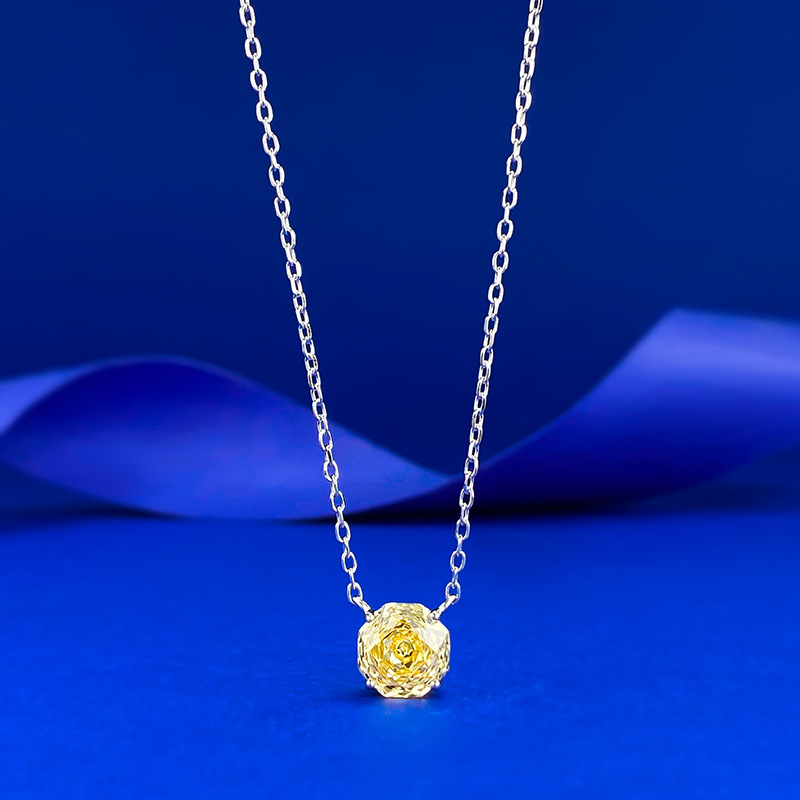
Tennis Necklace Storage for Diamonds: Best Ways to Protect Your Piece
Choosing Tennis Necklace Storage for diamonds is not only about keeping a dresser tidy. A Diamond Tennis Necklace has flexible links, exposed settings, and a clasp that needs care every time you take it off. The wrong storage can lead to scratches, kinks, residue buildup, or pressure on delicate metalwork.
The safest setup depends on how you wear the necklace. Do you reach for it three times a week, or only for weddings and formal dinners? Most owners need a flat padded jewelry box at home and a structured travel case for trips.
Tennis Necklace Storage for Diamonds: What Matters Most
Good tennis necklace storage for diamonds protects the stones and the metal holding them. GIA notes that diamond ranks 10 on the Mohs hardness scale, which makes it the hardest natural material. That does not mean the full necklace is damage-proof.
Gold, platinum, prongs, bezels, solder joints, and clasp parts are softer than the diamonds. They can bend, wear down, or rub against other jewelry. A necklace with dozens of settings needs more support than a simple pendant chain.
Before You Buy storage, compare these factors:
- Scratch protection
- Kink prevention
- Clasp security
- Dust and humidity control
- Travel safety
- Ease of daily use
- Room for the necklace length and total carat weight
A 2 carat total weight tennis necklace may fit easily in a slim box. A 12 or 15 carat statement necklace needs more depth and width. Larger stones sit higher, so the lid should never press against the settings.
Why diamond tennis necklaces need separate storage
A tennis necklace is built as a line of linked settings. That flexible structure gives it a smooth drape, but it also means the necklace can twist if you drop it into a pouch or tray.
Diamonds can also scratch softer pieces. Pearls, opals, emeralds, gold chains, and silver jewelry should not sit loose against a diamond tennis necklace. Separate storage protects the necklace and everything around it.
Lab-grown and natural diamonds need the same care. They share the same chemical composition and crystal structure, so tennis necklace storage for diamonds does not change based on origin.
Customers who store their necklaces flat are more likely to notice issues early. A quick glance before storage can reveal a lifted prong, a bent link, or a clasp that does not close smoothly.
Option 1: Flat Padded Jewelry Box for Diamond Tennis Necklaces
A flat padded jewelry box is the best everyday choice for tennis necklace storage for diamonds. It lets the necklace rest in a soft, low-stress position instead of hanging from one point or bunching inside a pouch.
Look for a box with a long necklace channel or a wide compartment. The necklace should follow a gentle curve, not a tight coil. If the box forces the piece into a small circle, choose a larger one.
Soft lining matters. Velvet, microsuede, and padded fabric help reduce rubbing against metal and stones. A structured exterior also helps protect the necklace from bumps inside a drawer or safe.
For daily wear, convenience matters too. If the box is easy to open and sits near your dressing area, you will use it. If storage feels annoying, the necklace may end up on a nightstand, vanity tray, or bathroom counter.
Features to look for in a jewelry box
Not every jewelry box works well for tennis necklace storage for diamonds. Some boxes focus on rings and earrings, then leave necklaces with a shallow open tray.
Choose a box with:
- A dedicated necklace compartment
- Soft, non-abrasive lining
- Enough length for 15 to 18 inch necklaces
- Enough depth for larger total carat weights
- A secure lid to limit dust
- Separate zones for rings, bracelets, earrings, and necklaces
The necklace should not touch other jewelry. It also should not sit under watches, bracelets, or gemstone pieces. Pressure can stress the clasp and settings.
For a graduated necklace, check the center stone area. The largest stones need extra clearance. Close the lid slowly the first time and make sure nothing presses down.
Pros and cons of flat jewelry boxes
Pros:
- Best home protection for most diamond tennis necklaces
- Helps reduce tangling and kinking
- Keeps the necklace easy to inspect
- Protects other jewelry from diamond scratches
- Looks polished for gifting or long-term storage
Cons:
- Takes more space than a travel case
- Quality boxes can cost more
- Some designs are too shallow for larger necklaces
- Not ideal for packing in luggage
For home use, the benefits usually win. A flat padded box gives tennis necklace storage for diamonds the right mix of protection, visibility, and ease.
Option 2: Travel Case or Jewelry Roll for Tennis Necklace Storage for Diamonds
A dedicated travel case is the best short-term option for trips, events, and secure transport. It should support the necklace and stop it from sliding around.
Structured cases work better than loose pouches. A hard-shell or firm-sided case helps protect the necklace from pressure in a tote, carry-on, or weekender bag. Soft jewelry rolls can work for short trips, but do not overpack them.
Movement is the main problem during travel. If the necklace shifts inside the case, it can rub against itself or tangle with earrings. It can also bunch into a corner, which places stress on the links.
Use a travel case as a companion, not a replacement. Keep your main tennis necklace storage for diamonds at home, then use the travel case only when the necklace leaves the house.
Best travel case features
A good travel case keeps the necklace still without squeezing it. Small pouches often look elegant, but they rarely give enough control for fine diamond jewelry.
Look for:
- Snap tabs or elastic loops near the clasp
- Padded necklace channels
- A necklace card for flat or gently curved storage
- Separate zippered sections for rings and earrings
- Firm exterior walls
- Soft interior lining
- A zipper or snap that stays closed
Clasp the necklace before placing it inside. Then secure the clasp under the tab or loop. That one step can prevent knots and reduce rubbing.
For flights, keep fine jewelry in carry-on luggage instead of checked baggage. Many insurance providers also recommend keeping valuable jewelry under your personal control while traveling.
Pros and cons of travel storage
Pros:
- Best option for trips and special events
- Compact and easy to pack
- Keeps the necklace organized in transit
- Hard cases protect better than pouches
- Useful for weddings, vacations, and business travel
Cons:
- Not as roomy as a home jewelry box
- Soft rolls can compress inside luggage
- Small sections may force tight coiling
- Less ideal for long-term storage
If you travel often, choose a structured case. It gives tennis necklace storage for diamonds more support than a pouch and more control than a general jewelry roll.
Option 3: Hanging Organizers and Necklace Stands
Hanging organizers look neat because every piece stays visible. They can work for light chains, but they are usually the weakest choice for tennis necklace storage for diamonds.
A diamond tennis necklace has weight. Even moderate total carat weight creates pull when the necklace hangs from a hook. Over time, that position can stress the clasp, end links, or jump ring.
Open storage also exposes the necklace to dust, humidity, sunlight, perfume, lotion, and cleaning sprays. Bathroom hooks are especially risky because steam and product residue collect around prongs and bezels.
Could you hang a necklace briefly while getting ready? Yes. Just do not use hanging storage as the main long-term plan for a valuable diamond tennis necklace.
When hanging storage is acceptable
Hanging storage may work for a few minutes before an event. It may also work for lower-value fashion jewelry in a dry closet.
For fine diamond jewelry, use it rarely. Keep the necklace clasped, away from other pieces, and far from sinks or windows. Then return it to a flat padded box after wear.
Avoid these spots:
- Bathroom hooks or vanity trays
- Open wall organizers
- Crowded necklace trees
- Drawer knobs and closet handles
- Areas near perfume, hairspray, lotion, or cleaners
- Decorative bowls or trays with mixed jewelry
Hanging organizers score well for visibility. They score poorly for protection.
Side-by-Side Storage Comparison
The best tennis necklace storage for diamonds depends on your routine, necklace size, and travel habits. The home-care winner is clear.
| Storage Option | Scratch Protection | Kink Prevention | Travel Use | Daily Convenience | Long-Term Care |
|---|---|---|---|---|---|
| Flat padded jewelry box | Best | Best | Fair | Best | Best |
| Structured travel case | Good | Good | Best | Good | Good |
| Hanging organizer | Fair | Fair | Poor | Good | Fair |
A flat padded jewelry box protects the necklace from several risks at once. It separates the piece from other jewelry, limits dust, supports the links, and makes inspection easy.
A travel case wins for portability. Use it for a wedding, gala, anniversary dinner, vacation, or business trip. Choose one with necklace tabs or padded channels.
A hanging organizer is useful only for short display. For premium tennis necklace storage for diamonds, visibility alone is not enough.
If you are still choosing your necklace, browse our diamond jewelry collection and match storage to the exact style you buy. You can also compare lab-grown diamonds if you are planning a custom look or future upgrade.
Who Should Choose Each Storage Option
Daily wearers should choose a flat padded jewelry box with a dedicated compartment. The box should sit where you will actually use it. After each wear, clasp the necklace, wipe it, and lay it flat.
Occasional wearers should also choose a flat box. If the necklace comes out only for events, store the box in a safe, secure drawer, or lined jewelry cabinet. Check the clasp and settings before each wear.
Frequent travelers need two storage tools. Use a flat jewelry box at home and a structured travel case on the road. For high-value pieces, review your jewelry insurance before leaving home.
Collectors should avoid stacking tennis necklaces together. Each necklace needs its own soft-lined space. If you own several pieces, a compartmentalized safe insert can work well.
Gift buyers should include care advice with the necklace. A beautiful gift feels even more thoughtful when the recipient knows how to protect it from day one. If you need help choosing a necklace and care plan, contact our jewelry experts.
Care Steps Before You Store a Diamond Tennis Necklace
Good tennis necklace storage for diamonds starts before the necklace goes into the box. A simple 60-second routine can prevent residue and catch small issues early.
Follow these steps:
- Wipe the necklace with a clean, lint-free cloth.
- Check that the clasp closes firmly.
- Look for lifted prongs, bent links, or gaps.
- Make sure the necklace is dry.
- Clasp it, then lay it flat in its own lined space.
GIA's diamond education explains why diamonds resist scratching, but jewelry care includes the full piece. The metal setting, clasp, and links need just as much attention as the stones.
For necklaces worn often, schedule a professional inspection every 6 to 12 months. A bench jeweler can check for loose stones, worn prongs, clasp fatigue, and link damage.
Keep the necklace away from humidity, heat, direct sunlight, household chemicals, and cosmetics. A bedroom drawer or safe is usually better than a bathroom cabinet.
Storage Mistakes to Avoid
Most storage damage comes from simple habits. The good news? They are easy to fix.
Do not toss a diamond tennis necklace into a mixed tray. Diamonds can scratch softer gems and metals, and other pieces can press against the settings.
Do not store it loose and unfastened in a pouch. A loose necklace can knot, twist, and rub against itself.
Do not keep it in the bathroom. Steam, soap, perfume, hairspray, sunscreen, and lotion can leave residue that dulls sparkle.
Do not hang heavy tennis necklaces for long periods. Gravity can place steady stress on the clasp and end links.
Do not overpack travel rolls. Compression can push on prongs, bezels, and clasp parts.
Do not scrub aggressively before storage. If buildup sits around the diamonds, choose professional cleaning instead. Ultrasonic cleaners may help some jewelry, but they can worsen problems if a stone is already loose.
Shop the Necklace, Then Protect It Properly
The best tennis necklace storage for diamonds is simple: use a flat padded jewelry box at home and a structured travel case on the road. That pairing protects the necklace without making daily care difficult.
StoneBridge Jewelry offers lab-Grown Diamond Tennis Necklace styles that deserve careful storage, including classic prong-set designs, sleek bezel settings, graduated silhouettes, and statement pieces. Start with the necklace style, then choose storage based on length, total carat weight, setting type, and travel plans.
Shop these StoneBridge Jewelry collections:
You can also explore engagement rings or design a future piece with our ring builder. The same care mindset applies across fine jewelry: keep pieces dry, separated, supported, and checked by a professional.
Choose the necklace you love. Store it flat. Travel with it secured. Inspect it regularly. That is how you protect the sparkle and the craftsmanship behind it.
FAQ
What is the best tennis necklace storage for diamonds at home?
The best home option is a flat padded jewelry box with a dedicated, soft-lined compartment. It supports the necklace without hanging pressure and keeps diamonds away from softer jewelry. Choose a box long enough for the necklace to rest in a gentle curve, not a tight coil. For larger total carat weights, make sure the lid does not press on the stones or settings.
Should I store a diamond tennis necklace flat or hanging?
Store a diamond tennis necklace flat for long-term care. Hanging can be fine for a few minutes while you are getting dressed, but it exposes the necklace to dust, bumps, and gravity-related strain. Flat tennis necklace storage for diamonds protects the clasp, end links, and flexible settings better. A padded box or lined drawer insert is the safer everyday choice.
Can a lab-grown diamond tennis necklace be stored with other jewelry?
Store a lab-grown diamond tennis necklace separately whenever possible. Lab-grown diamonds have the same hardness as natural diamonds, so they can scratch softer metals and gemstones. Use an individual compartment, necklace channel, or dedicated case. This also helps prevent tangles and reduces pressure on prongs or bezels.
How do I pack a diamond tennis necklace for travel?
Use a structured travel jewelry case with necklace tabs, loops, or padded channels. Clasp the necklace first, then secure it so it cannot slide around. Pack it in carry-on luggage instead of checked baggage, and keep it separate from rings and bracelets. If the necklace has a high replacement value, review your insurance coverage before the trip.
Should I clean my diamond tennis necklace before putting it away?
Yes, give it a quick wipe with a soft, lint-free cloth before storage. This removes skin oils, perfume residue, lotion, and surface dust that can dull the necklace over time. Make sure the piece is dry before closing it inside a box or case. If you see buildup around the stones or clasp, ask a jeweler about professional cleaning instead of scrubbing hard at home.
Ready to Find Your Perfect Diamond?
Explore our collection of certified lab-grown diamonds
Shop Diamonds