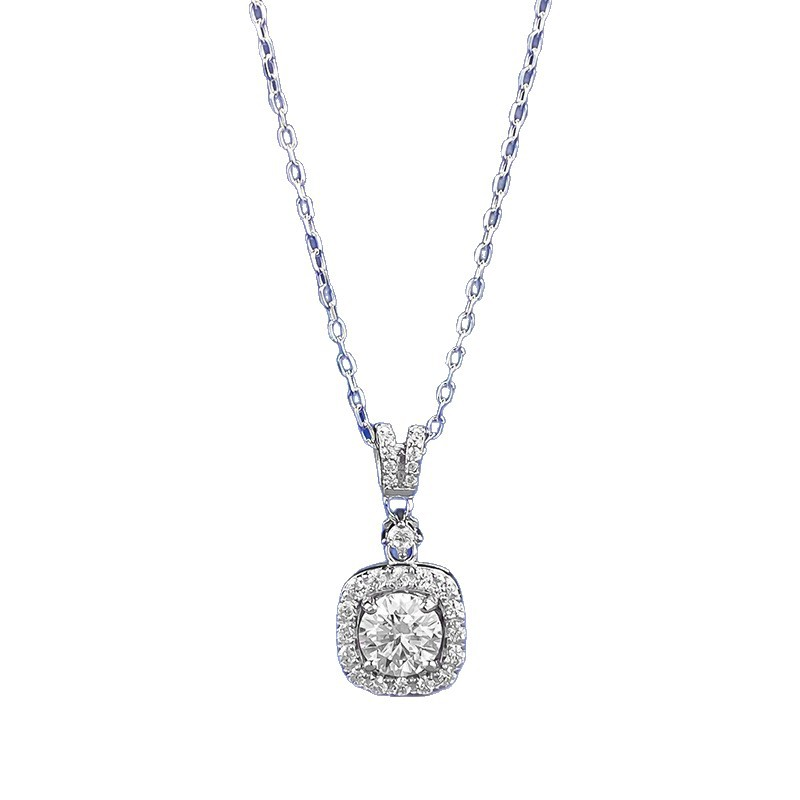
Tennis Necklace Storage for Diamonds: Best Options Compared
Choosing Tennis Necklace Storage for diamonds takes more thought than most buyers expect. A Diamond Tennis Necklace has flexible links, a full line of stones, and a clasp that can bend if it gets pressed, twisted, or packed with other jewelry. The right storage keeps the piece flat, cushioned, and separate, so the setting stays protected and the necklace keeps its shape.
If you wear the necklace often, travel with it, or keep it in a safe, the storage method matters just as much as the necklace itself. Most buyers want the same three things: less tangling, less scratch risk, and a setup that does not slow them down. The best tennis necklace storage for diamonds usually comes down to four choices: a dedicated necklace box, a travel jewelry case, a hanging organizer, or a lined drawer.
Tennis Necklace Storage for Diamonds: What Matters Most
Tennis necklace storage for diamonds is about more than where the piece sits at night. It protects the clasp, keeps the links from kinking, and stops the diamonds from rubbing against metal, fabric, or other stones. A tennis necklace is built differently from a simple chain, so it needs a storage plan that matches the construction.
GIA notes that diamonds rank 10 on the Mohs scale, which makes them the hardest common gemstone. The main storage risk usually is not the diamond itself. It is the mounting, the clasp, and the other jewelry nearby. A Diamond Tennis Necklace can scratch softer metals, snag on a chain, or press into a tray if it is stored the wrong way.
Here are the risks to watch for:
- Kinking that changes the necklace's natural drape
- Twisting near the clasp
- Prongs snagging on other jewelry or rough fabric
- Clasp bending inside a crowded pouch or tray
- Diamond-to-metal contact that leaves marks on other pieces
Tennis necklace storage for diamonds should always favor separation and cushioning. That rule holds whether the piece is a gift, a daily-wear favorite, or part of a larger fine jewelry collection.
How We Compared the Storage Options
Not every storage product works for a diamond tennis necklace. Some look neat but leave too much movement inside the case. Others protect well but take up more room than most people want to spare.
To compare tennis necklace storage for diamonds fairly, focus on these factors:
- Protection: Does it shield the clasp, links, and stones?
- Anti-tangle performance: Does it keep the necklace flat and separate?
- Ease of access: Can you put it away and take it out quickly?
- Travel use: Will it hold up in a suitcase or carry-on?
- Presentation: Does it feel right for fine jewelry?
- Space: Will it fit in a drawer, safe, or cabinet?
- Value: Does the price match the level of protection?
The best choice also depends on how you wear the necklace. A piece you put on three times a week needs a different setup than one you save for weddings. Tennis necklace storage for diamonds works best when it fits your routine, not just your shelf space.
Option 1: Dedicated Necklace Box
A dedicated necklace box is the strongest all-around answer for tennis necklace storage for diamonds. It gives the necklace a fixed place, soft support, and a cleaner presentation than most other options. For home storage, a good box is usually the first place to start.
Look for velvet, microfiber, or another soft lining. A quality box often includes a channel, retaining tabs, or a shaped insert that keeps the necklace flat. A rigid exterior helps prevent crushing, while a separate compartment keeps the necklace away from earrings, rings, and bracelets.
This option is especially useful for higher-value pieces. Tennis necklace storage for diamonds should not force hard bends into the links, and a well-made box helps the necklace rest in a gentle line. If your necklace came in a premium StoneBridge Jewelry box, keep using it at home whenever you can.
Price usually starts around $30 for a basic lined box and can climb to $150 or more for lockable or designer versions. That range makes it a smart purchase next to the necklace itself, especially if you are storing a piece worth several thousand dollars.
Pros of a Dedicated Necklace Box
Tennis necklace storage for diamonds is at its safest in a dedicated box because the necklace gets stable support.
- Strong protection against crushing and contact damage
- Keeps the necklace polished and presentable
- Makes it easier to inspect the clasp before wear
- Works well for home storage, gifting, or safekeeping
- Fits easily inside many safes and drawers
Cons of a Dedicated Necklace Box
A dedicated box protects well, but it may not suit every space or packing routine.
- Takes more space than a pouch
- Not as compact for frequent packing
- Needs a drawer, shelf, or safe location
Option 2: Travel Jewelry Case
A travel jewelry case is the best pick for tennis necklace storage for diamonds on the move. It gives you structure when you are packing for a weekend trip, a destination wedding, or a business flight. A soft pouch can work in a pinch, but it usually does not give enough support for a valuable necklace.
Choose a case with a hard or semi-rigid shell, padded dividers, a zipper or clasp closure, and a necklace channel or hooks. Those details keep the necklace from sliding around with rings or earrings. The more the piece moves, the more likely it is to kink or press against something hard.
Keep the clasp fastened before you pack it. Lay the necklace flat in its own section and do not stack heavy items on top. Tennis necklace storage for diamonds during travel should stay simple: one necklace, one space, one secure closure.
Travel cases usually cost about $20 to $80, with leather or hard-shell versions priced higher. Many customers prefer a home box plus a travel case, since that two-piece setup covers almost every use case.
Pros of a Travel Jewelry Case
Tennis necklace storage for diamonds gets much easier when the case is built for movement.
- Compact and easy to pack
- Helps reduce knots and clasp strain
- Great for weddings, trips, and formal events
- Easier to carry than a full jewelry box
Cons of a Travel Jewelry Case
Tennis necklace storage for diamonds still depends on the case quality.
- Protection varies a lot by design
- Small cases can force tight bends
- Not ideal as the main home storage method
Option 3: Hanging Jewelry Organizer or Necklace Stand
A hanging organizer or necklace stand can be handy, but it is not the strongest answer for tennis necklace storage for diamonds. These products are popular because they keep necklaces visible and easy to grab. They can also cut down on tangles if every piece has its own hook.
That convenience has limits. Open-air storage leaves the necklace more exposed to dust, sunlight, humidity, and accidental pulls. It can also place tension on the clasp or links if the piece is heavy.
For costume jewelry or lower-risk chains, a hanging organizer may be fine. For a diamond tennis necklace, it works better as a short-term spot than a primary home solution. If you use one, keep it stable, lined, and away from steam, sun, and crowded foot traffic.
Pros of Hanging Storage
Tennis necklace storage for diamonds can benefit from visibility, but only in the right setting.
- Keeps necklaces easy to see and separate
- Helps reduce tangling when each piece has its own hook
- Useful for quick staging before or after wear
Cons of Hanging Storage
Hanging storage gives up too much protection for many high-value diamond necklaces.
- Limited protection from dust and impact
- Can add stress to the clasp or links
- Not a good long-term choice for valuable diamond necklaces
Option 4: Lined Jewelry Drawer or Anti-Tarnish Cabinet
A lined jewelry drawer or anti-tarnish cabinet works well for collectors who want a cleaner home system. For tennis necklace storage for diamonds, this option makes sense when you want daily access and a better way to organize several pieces at once.
The best versions include individual channels, velvet-lined trays, anti-tarnish fabric, and lockable compartments. Diamonds will not tarnish, but the metal settings can stay in better shape when they are not rubbing against other jewelry. Gold, platinum, and white gold all do better in a dry, separate space.
Tennis necklace storage for diamonds works best in a drawer when each necklace gets its own slot. Do not overcrowd the tray. If pieces are pressed together, they can still bend, twist, or scratch one another. The goal is controlled separation, not hidden clutter.
A good drawer insert may start around $50, while a premium cabinet can run into the hundreds. That price makes sense if you own several fine pieces, including other diamond jewelry or a growing fine jewelry collection.
Pros of a Lined Jewelry Drawer or Cabinet
Tennis necklace storage for diamonds can work very well in a careful drawer system.
- Great for organizing multiple pieces
- Reduces contact damage with individual spaces
- Supports a lockable, more secure home setup
- Good for daily use without leaving jewelry out
Cons of a Lined Jewelry Drawer or Cabinet
A drawer or cabinet works best when you have enough room to keep each piece separated.
- Higher upfront cost than a single box
- Needs drawer space and good organization
- Not portable, so you will still need a travel case
Side-by-Side Comparison of the Best Storage Options
This comparison makes tennis necklace storage for diamonds easier to judge at a glance. The safest storage keeps the necklace fastened, cushioned, dry, and separate from the rest of your jewelry.
| Storage option | Protection level | Anti-tangle performance | Travel suitability | Typical cost | Ideal owner | Drawbacks | Overall recommendation |
|---|---|---|---|---|---|---|---|
| Dedicated necklace box | Best | Excellent | Fair | Low to mid | Daily wearers, home storage, gifting | Takes more space | Best overall |
| Travel jewelry case | Excellent | Excellent | Best | Low to mid | Travelers, weddings, formal events | Less ideal for home storage | Best secondary option |
| Hanging organizer | Fair | Good | Not ideal | Low | Lower-risk necklaces, quick access | Dust, tension, exposure | Not ideal for valuable diamond necklaces |
| Lined jewelry drawer or cabinet | Excellent | Excellent | Fair | Mid to high | Collectors, multi-piece storage | Higher cost, not portable | Best premium home system |
The verdict is clear. Tennis necklace storage for diamonds should put protection first, travel second, and display last. A hanging organizer may look tidy, but it gives up too much protection for a high-value piece. A lined drawer is excellent at home, though it does not travel. For most buyers, a dedicated necklace box stays the most balanced option.
If you are building a wider jewelry wardrobe, shop our jewelry collection or browse lab-grown diamonds to compare pieces that deserve the same care.
Which Storage Option Fits Your Routine?
Tennis necklace storage for diamonds should match the way you actually use the necklace. There is not one perfect setup for everyone, but there is usually a clear winner for each type of owner.
Best Choice for Daily Wearers
If you wear your necklace often, a dedicated box is usually the safest choice for tennis necklace storage for diamonds. Keep it in the same place every day so putting it away becomes automatic.
Before storing it, wipe the necklace with a soft lint-free cloth to remove lotion, perfume, or skin oil. Check the clasp and the setting now and then before you wear it again. A simple routine like that protects both the look and the security of the piece.
Tennis necklace storage for diamonds works best when it is easy to repeat. If the system feels fussy, people stop using it.
Best Choice for Travelers
If you travel for events or business, choose a structured case for tennis necklace storage for diamonds. Look for padded separation, a secure closure, and a channel that holds the necklace flat.
Keep the case in your personal bag or carry-on, not checked luggage. That way, you stay in control of it the whole trip. Separate the necklace from rings and bracelets so hard surfaces do not bump together in transit.
Tennis necklace storage for diamonds gets much easier once you pair the right home box with the right travel case. That two-part setup handles almost every buying scenario.
Best Choice for Collectors
If you own several fine pieces, a lined drawer or cabinet may be the smartest long-term system. It gives each necklace its own place and keeps the whole collection easier to manage.
Collectors often like the speed of a drawer setup because it cuts down on searching and resetting. A locked drawer also adds peace of mind. Just make sure the compartments stay roomy enough that the necklace does not get bent or pressed.
Expert Recommendation
The best tennis necklace storage for diamonds is a soft-lined necklace box for home, paired with a structured travel jewelry case for transport. That combination gives you the strongest protection, the cleanest presentation, and the most practical balance between daily use and travel.
For high-value pieces, that setup helps preserve the look of the stones and the integrity of the setting. It also reduces clasp stress, keeps the necklace from tangling, and protects the finish of the metal. Storage should match the value of the necklace, not the other way around.
StoneBridge Jewelry focuses on lab-grown diamond fine jewelry that is meant to be worn and enjoyed for years. Proper tennis necklace storage for diamonds helps keep that experience intact.
Why Storage Matters After You Buy
Tennis necklace storage for diamonds matters long after checkout. Good storage protects the piece between wears and supports a longer useful life for the setting, links, and clasp.
GIA and other gemological authorities often recommend separate, soft-lined Storage for Fine jewelry. That advice is simple, but it works. Keep the necklace dry, cushioned, and away from other pieces. If the clasp feels loose or the setting looks worn, have a jeweler inspect it before the next formal event.
A diamond tennis necklace is not a throw-it-in-the-drawer piece. It deserves the same attention you would give any fine purchase. If you want more style and care advice, contact our jewelry team or read more on our blog.
FAQ: Tennis Necklace Storage for Diamonds
What is the safest way to store a diamond tennis necklace at home?
The safest tennis necklace storage for diamonds at home is usually a dedicated soft-lined box or a lined drawer with an individual compartment. Both options keep the necklace fastened, cushioned, and separated from other jewelry. That cuts down on tangling, clasp stress, and contact with sharp edges. If your collection is small, a box is often the easier and more affordable choice.
Can I keep a tennis necklace in a jewelry pouch overnight?
A pouch can work for very short-term tennis necklace storage for diamonds, but it is not the best long-term option. Soft fabric lets the necklace twist or rub against itself if the pouch has no structure. A dedicated box or travel case supports the piece better and keeps the links in a cleaner line. For valuable necklaces, that extra support is worth it.
How do I pack a tennis necklace for a trip without tangling?
Fasten the clasp before you pack it and place it in its own channel or pocket inside a structured travel case. Keep it flat and do not stack heavier items on top. Tennis necklace storage for diamonds works best when the necklace has one dedicated spot and does not share space with earrings or bracelets. If the case has hooks or straps, use them so the necklace stays still.
Is a hanging organizer bad for tennis necklace storage for diamonds?
A hanging organizer is not always bad, but it is not the safest option for a valuable necklace. It leaves the piece more open to dust, pulls, and sunlight than a closed box or drawer. For tennis necklace storage for diamonds, a hanging setup is better as a temporary holding spot than as your main system. If you do use one, keep it stable and out of busy areas.
Should I store my diamond tennis necklace separately from other fine jewelry?
Yes, separate storage is the safer choice for tennis necklace storage for diamonds. Diamonds can scratch softer metals, and other pieces can snag the prongs or links. A soft-lined compartment or dedicated channel protects both the necklace and the rest of your collection. That is the simplest way to avoid small damage that adds up over time.
Ready to Find Your Perfect Diamond?
Explore our collection of certified lab-grown diamonds
Shop Diamonds