Tennis Bracelet Clasp Buying Guide: How to Choose the Best Clasp for Security, Comfort, and Style
A Tennis Bracelet Clasp buying guide should help you choose more than a closure type. It should help you choose a bracelet that stays secure, feels comfortable, and still looks refined on the wrist. If you are comparing a diamond bracelet for daily wear or a gift that may cost several thousand dollars, the clasp deserves careful attention.
The closure affects how easy the bracelet is to fasten, how well it resists accidental opening, and how clean the finished piece looks. A loose clasp can put the whole bracelet at risk, especially on a piece that gets worn often. Service requests for worn clasps tend to show up long before dramatic stone damage, which tells you where small problems usually begin.
If you want to compare styles side by side, start with our jewelry collection and diamond bracelet options. If you need help matching clasp style to budget or wear habits, contact our jewelry experts.
What a Good Clasp Has to Do
A strong clasp does three jobs at once. It keeps the bracelet closed, supports the bracelet's weight, and stays easy enough to use that you will actually wear it.
GIA recommends regular inspection of settings and closures, and that advice fits here. On repair benches, worn springs, loose tongues, and safety catches that no longer click firmly are common problems. A clasp that weakens can put the entire bracelet at risk.
Use these checks in any Tennis Bracelet Clasp Buying Guide:
- The closure should make a firm, audible click.
- The safety catch should fully engage.
- The clasp should sit flat and not snag sleeves.
- You should be able to fasten it without strain.
- The mechanism should match the bracelet's price and weight.
Bracelets worn four or more days a week usually need a clasp that is easy to inspect by touch. A bracelet worn less often can lean more toward visual finesse, as long as the closure still feels solid.
Tennis Bracelet Clasp Buying Guide: The 3 Main Options
The choice usually comes down to three options: the lobster clasp, the box clasp with safety catch, and the hidden box or push-button safety clasp. Each one solves a different problem.
The lobster clasp is familiar and simple. The box clasp is the classic choice on many Diamond Tennis Bracelets. Hidden or push-button safety clasps focus on a cleaner look and a more discreet finish.
Lobster Clasp
A lobster clasp uses a spring-loaded arm that opens when you press the lever. It is easy to understand and easy to use, which is why many buyers like it for everyday jewelry.
In a Tennis Bracelet Clasp buying guide, the lobster clasp usually earns points for convenience. It tends to work well for shoppers who want straightforward fastening and a closure that feels familiar right away.
Its strengths are practical:
- Simple one-hand operation in many cases
- Broad availability across price points
- Solid daily durability when made well
- Easy to replace compared with more complex closures
The tradeoff is appearance. A lobster clasp usually looks heavier and more visible than a box clasp, so it can interrupt the smooth line of a tennis bracelet. On a delicate bracelet, that visual break may stand out more than you want.
Choose it if convenience matters more than a fully seamless look. It makes more sense on value-focused or casual pieces than on a classic high-jewelry design.
Box Clasp with Safety Catch
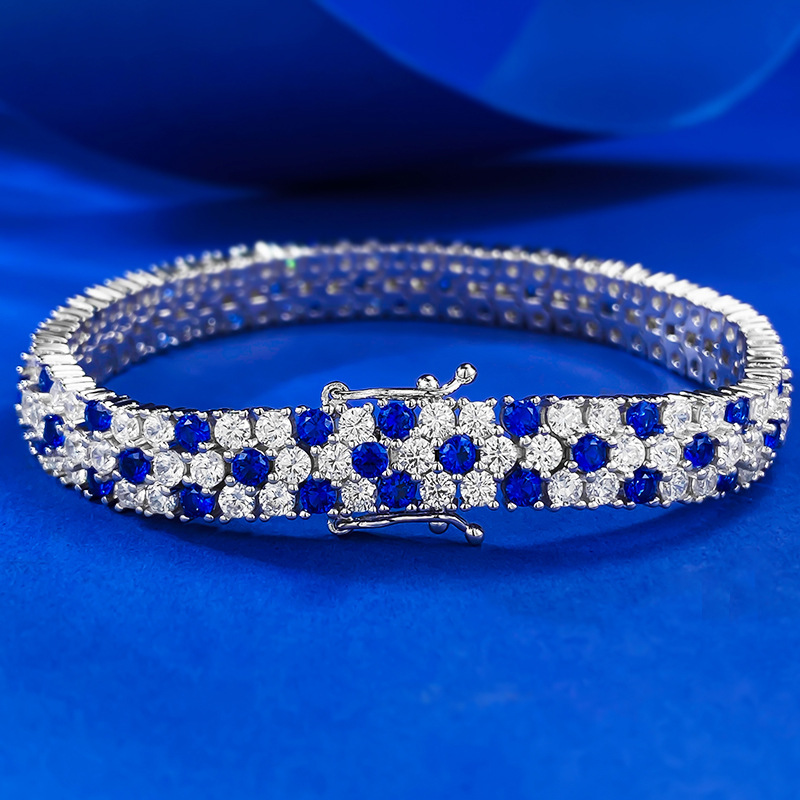
The box clasp is the classic answer in a serious Tennis Bracelet Clasp buying guide. One end of the bracelet slides into a shaped box, then a tongue locks in place. A safety catch adds a second layer of retention.
That structure is why many buyers trust it. The clasp sits flatter than a lobster clasp, and it blends better with the slim shape of a tennis bracelet. On diamond bracelets, that cleaner profile feels intentional rather than added on.
This style also gives you a useful backup. If the safety catch is closed, the bracelet has two points of retention instead of one. On pieces above 2 carats total weight, that extra confidence matters because the replacement cost is real.
The tradeoffs are worth knowing. Box clasps can wear if the tongue or box wall loosens, and repairs may take more care than a basic lobster clasp. Even so, this remains the most balanced choice for many buyers.
Hidden Box Clasp or Push-Button Safety Clasp
A hidden box clasp or push-button safety clasp goes one step further. The goal is to keep the closure out of sight so the eye stays on the diamonds. For a refined tennis bracelet, that can look excellent.
This option often feels the most luxurious because it reduces visual bulk. It also gives the bracelet a cleaner line, which many buyers prefer on a premium piece.
There is a catch. Hidden systems use more moving parts, so they need more attention over time. Dirt, misalignment, or repeated stress can make the mechanism less reliable if nobody checks it.
IGI paperwork may confirm a lab-grown diamond's grading details, but it will not tell you how the clasp will age in wear. If you choose a hidden closure, ask whether the jeweler can service it later and whether the warranty covers clasp repair.
What to Check Before You Buy
A strong clasp is only one part of the purchase. The rest of the bracelet affects how much stress the closure has to absorb. In practice, the best Tennis Bracelet Clasp buying guide is one that also asks how the bracelet is built, not just how it opens and closes.
Start with the stones. For natural diamonds, ask for GIA reports on center stones or any diamond above a meaningful threshold, even if the bracelet uses many small melee diamonds. For lab-grown pieces, IGI is common, but the report should still state the color, clarity, cut, and total carat weight clearly. On a bracelet, uniformity matters more than a single standout stone, so look for even color and matched size across the line.
For diamond quality, many buyers are well served by near-colorless grades in the G-H range and clarity in the VS-SI range, especially in small stones where inclusions are not visible without magnification. If the bracelet uses larger diamonds, step up clarity and cut scrutiny accordingly. A lower-quality clasp on an otherwise well-made bracelet is a warning sign, because jewelry makers usually reserve better hardware for better construction.
Price is also informative. As a rough market guide, a sterling silver or lower-diamond-content bracelet may sit in the low hundreds to low thousands, while gold tennis bracelets with natural diamonds commonly move into the several-thousand-dollar range and can rise much higher with larger stones or premium grading. If the bracelet is priced aggressively low, check whether the clasp is hollow, whether the links are thin, and whether the safety catch is real or decorative.
Metal Choices and Construction Details
The metal determines how much wear the clasp can take and how the bracelet feels on the wrist. In a tennis bracelet clasp buying guide, metal is not a side note. It affects durability, color match, and long-term maintenance.
14k gold is often the practical sweet spot for everyday bracelets because it is harder than 18k gold and generally better at resisting dents and deformation. 18k gold has richer color and a more luxurious feel, but it is softer, so it can show wear sooner at hinge points and on the tongue of the clasp. Platinum is the toughest premium option in many cases and offers strong security for high-value bracelets, though it is heavier and typically more expensive.
If you are matching clasp and bracelet, keep the metal consistent. White gold clasps on white gold bracelets blend better, and the same is true for yellow gold and rose gold. Mixed-metal designs can work, but the clasp should still look intentional. If the bracelet is platinum and the clasp is white gold, make sure the difference is not causing a mismatch in color, weight, or wear rate.
Construction matters just as much as alloy. A solid clasp or reinforced clasp usually lasts better than a hollow one, especially on bracelets with substantial diamond weight. Hollow components can keep the bracelet lighter, but they often feel less secure and can dent more easily. If a seller does not specify whether the clasp is solid, assume you need to ask.
How Bracelet Size Changes the Right Clasp
Fit changes the whole buying decision. A bracelet that is too tight puts extra load on the clasp every time you bend your wrist. A bracelet that is too loose increases the chance that it catches on clothing or slides into a vulnerable position where the closure can be tugged.
For most wrists, a tennis bracelet should sit comfortably without rotating constantly. Many buyers add about half an inch to one inch beyond the exact wrist measurement, depending on how they like the bracelet to drape. If you want a close fit for stacking, stay on the lower end of that range. If you want a more relaxed fit, choose the higher end, but make sure the clasp still sits in a secure position.
Some clasps are easier to handle at certain sizes. Smaller bracelets can make larger closures feel bulky, which is one reason the box clasp is popular: it tends to sit flat even when the bracelet is narrow. For larger wrist sizes, a slightly larger clasp can actually improve usability because there is more surface area to grip.
If the bracelet will be gifted, sizing flexibility is worth asking about before purchase. Resizing a tennis bracelet can be expensive, especially when the stones are closely matched along the full length. A good retailer should explain whether a size adjustment will affect the clasp, the links, or the balance of the bracelet.
Setting Tradeoffs That Affect the Clasp
The diamond setting influences how the bracelet moves, how much weight the clasp carries, and how much stress the end links absorb. Shared-prong settings are common because they maximize sparkle and keep the stones close together, but they also depend on precise craftsmanship. Channel settings offer a smoother edge and more protection against snagging, though they can make the bracelet feel a little heavier.
Prong-set bracelets often need closer inspection because each prong has to Hold Up Under daily movement. If the bracelet uses delicate prongs, a stronger clasp and a more secure safety catch become even more important. Bezel or semi-bezel settings can be a good choice for buyers who prioritize durability, especially if the bracelet will be worn frequently around clothing, bags, or work equipment.
The key point is that the clasp should match the setting style. A refined hidden clasp on a bracelet with fragile end links may not be enough if the rest of the construction is light. Likewise, a very heavy clasp on a slim bracelet can pull the bracelet out of balance and make it rotate on the wrist. Ask the seller whether the end caps are reinforced and whether the clasp has been matched to the bracelet's total weight.
Tennis Bracelet Clasp Buying Guide: Security vs Comfort
Security should come first in any tennis bracelet clasp buying guide. A clasp has to resist accidental opening during normal movement, coat changes, travel, and brief pulls at the wrist.
Box clasps with safety catches usually score best for balance. Hidden clasps can score even higher for concealment and finish, but only if the mechanism is well made and maintained. Lobster clasps can still be secure, though they rely more on spring tension and exposed hardware.
Comfort matters just as much. A box clasp usually sits flatter than a lobster clasp, while a hidden clasp can disappear almost completely once the bracelet is on. That lower profile helps with sleeves, bags, and the small moments that can turn into snag points.
Wrist size changes the answer. Smaller wrists often notice extra hardware right away, while larger wrists may care more about fast, easy fastening. For a bracelet you plan to wear often, the best clasp is the one you can close confidently every time.
Quick Comparison
| Clasp type | Security | Comfort | Style | Ease of use | Maintenance | Best for |
|---|---|---|---|---|---|---|
| Lobster clasp | Good | Good | Fair | Excellent | Good | Practical wear, simpler budgets |
| Box clasp with safety catch | Very good | Very good | Excellent | Good | Good to moderate | Classic diamond tennis bracelets |
| Hidden box clasp / push-button safety clasp | Excellent | Excellent | Excellent | Good to fair | Moderate to high | Luxury buyers, discreet styling |
A few patterns stand out. Security usually improves as the mechanism becomes more specialized. Comfort tends to rise when the clasp sits flatter. Style follows the same pattern, but maintenance does too.
If you are comparing bracelets online, ask for close-up clasp photos and exact specs. A seller should tell you whether the clasp is solid, reinforced, or hollow, and whether the safety catch is functional or decorative. That kind of detail separates a useful tennis bracelet clasp buying guide from generic product copy.
How to Read the Product Listing Like a Buyer
Listings often emphasize diamond total carat weight and leave the hardware vague. That is a problem, because a bracelet can have attractive stones and still be risky if the closure is underspecified. Read the description with the clasp in mind.
Look for terms such as “double safety,” “figure-eight safety,” “box clasp,” or “push-button lock.” If the listing only says “clasp closure,” ask what kind. Check whether the bracelet is described as solid gold, hollow gold, or plated. A plated clasp on a diamond bracelet is not automatically wrong, but it should be priced and disclosed honestly.
Also look for weight and dimensions. A bracelet that is 3.0 mm wide and has a substantial clasp will behave differently from a 1.8 mm bracelet with a delicate closure. The width, total carat weight, and metal thickness should all feel proportionate. If they do not, ask whether the piece was designed for daily wear or occasional use only.
When shopping online, find out what the seller offers after the sale. A good return window, insured shipping, and clear warranty language matter more on jewelry than on many other purchases. If the bracelet arrives and the clasp feels loose, you need a path to resolution without a fight.
Maintenance, Repairs, and Long-Term Care
Even the best clasp needs upkeep. Springs fatigue, tongues wear, and safety catches loosen with repeated use. Regular maintenance extends the life of the bracelet and helps protect the diamonds themselves.
Inspect the closure every few weeks if you wear the bracelet often. Close it and pull gently to confirm the latch holds. Look for metal thinning, bent safety arms, or a tongue that no longer clicks cleanly into place. If the bracelet has a safety chain, check that the chain is intact and that its jump rings are closed securely.
Cleaning should be careful. Use mild soap, warm water, and a soft brush, then dry the bracelet completely before storing it. Dirt can build up inside the clasp and reduce the spring action. Avoid harsh chemicals and ultrasonic cleaning unless the jeweler says the bracelet and settings can tolerate it, especially if the piece has fragile prongs or internal glue anywhere in the construction.
Service intervals matter too. For a frequently worn tennis bracelet, an annual inspection is a reasonable baseline. If the bracelet is expensive, worn daily, or bought secondhand, inspect it sooner. Replacement of a clasp is usually less expensive than replacing lost diamonds, so small repairs should not be delayed.
Shipping, Returns, and Warranty Questions
Shipping and return policy should be part of the buying decision before you click purchase. A bracelet with a valuable clasp and many small stones should be shipped fully insured, packed securely, and tracked. Signature confirmation is a good sign, especially for higher-ticket pieces.
For returns, ask whether the bracelet can be returned after trying it on, and whether the clasp must remain unworn beyond inspection. Some jewelers will not accept returns once sizing or engraving has been done, so confirm the policy before requesting any customization. If you are ordering for a gift and are unsure about fit, a flexible return window is useful.
Warranty terms should explicitly address clasp repair, spring failure, and safety latch adjustment. A strong seller should be able to tell you whether routine tightening is covered or whether only manufacturing defects are included. If the warranty is vague, budget for future service yourself.
Secondhand and vintage bracelets need extra caution. Ask for a recent jeweler inspection, and if possible, a written note that the clasp passes basic retention checks. Vintage hardware can be beautiful, but older springs and box mechanisms often need preventive service before daily wear.
Which Clasp Fits Your Life?
The right clasp depends on how you actually wear the bracelet, not just how it looks in a product photo. A tennis bracelet clasp buying guide works best when it matches the closure to the person.
For everyday wear, the box clasp with safety catch is usually the safest default. It gives you a classic look, strong retention, and a closure that feels familiar. If you will wear the bracelet to work, dinner, and weekend events, this is the most balanced choice.
For a luxury piece, the hidden box clasp or push-button safety clasp is the strongest style choice. It keeps the bracelet visually clean and supports a more elevated feel. If the bracelet has high total carat weight, the extra refinement may be worth the extra care.
For a gift, the box clasp is the easiest all-around pick. It looks timeless, suits many ages, and is simple for the recipient to understand. For a value-focused buy, a lobster clasp can still make sense if the bracelet is well made and the rest of the construction is solid.
Lifestyle matters too:
- Active wear: choose a clasp with a safety latch and low snag risk.
- Travel: choose a closure you can inspect by touch.
- Frequent self-fastening: choose the simplest mechanism you can operate with confidence.
- Occasional wear: style can carry more weight than convenience.
Common Mistakes to Avoid
One common mistake is choosing the prettiest clasp without checking how it locks. A hidden closure may look better in the product photo, but if the mechanism feels stiff or the safety button is tiny, daily use becomes frustrating. Style should not come at the expense of reliable fastening.
Another mistake is assuming all clasps are equal because the bracelet has the same diamond weight. Two bracelets with the same carat total can behave very differently if one uses a solid, reinforced box clasp and the other uses a light lobster clasp. The quality of the hardware should match the value of the stones.
Buyers also overlook sizing. A bracelet that is too large can flip and twist, which puts pressure on the clasp and makes the bracelet more likely to catch on objects. A bracelet that is too tight can be uncomfortable and may force the closure to bear more strain than intended.
Finally, do not skip after-sale questions. If the clasp fails, you want to know whether repairs are covered and whether the jeweler can service the exact mechanism. That matters more than a generic promise of “lifetime support” that does not name clasp repair specifically.
Our Recommendation
For most shoppers, the box clasp with a safety catch is the best choice in a tennis bracelet clasp buying guide. It balances security, comfort, and classic style better than the other options. It looks refined, sits well on the wrist, and gives you a second layer of protection without feeling fussy.
If your top priority is a seamless luxury look, choose the hidden box clasp or push-button safety clasp. It wins on visual cleanliness and can feel more special on a premium bracelet. Plan on more inspection and more careful service over time.
The simple rule is this: match the clasp to the bracelet's value and how often you will wear it. A bracelet with fine diamonds or a high replacement cost should not rely on the loosest closure available. Ask three questions Before You Buy: does it close firmly, does the safety catch fully engage, and will I actually enjoy wearing it?
FAQ: Tennis Bracelet Clasp Questions
What is the safest clasp for a tennis bracelet with diamonds?
A box clasp with a safety latch is usually the safest choice for a Diamond Tennis Bracelet because it combines a secure main closure with a backup lock. That extra layer helps if the bracelet gets tugged during daily wear. In a tennis bracelet clasp buying guide, this style usually sits at the top for protection and balance.
Is a lobster clasp strong enough for everyday tennis bracelet wear?
A lobster clasp can work well for everyday wear if it is well made and the spring still snaps shut firmly. It is often easier to use than a box clasp, especially if you fasten the bracelet yourself. If your priority is convenience over a seamless look, it can be a smart option.
Why do many tennis bracelets use box clasps instead of other clasps?
Box clasps sit flatter, look cleaner, and fit the slim shape of a tennis bracelet better than many bulkier closures. The safety catch also gives buyers extra peace of mind. That is why the box style shows up so often in a serious tennis bracelet clasp buying guide.
How do I know if my tennis bracelet clasp needs repair?
If the bracelet opens too easily, feels loose, or the safety catch no longer clicks firmly, it is time for a jeweler to inspect it. Worn springs and alignment issues are common, and they usually show up before a full failure. Do not keep wearing a clasp that feels inconsistent.
Can I replace my tennis bracelet clasp with a safer style?
Yes, a qualified jeweler can often replace or upgrade the clasp, as long as the new piece matches the bracelet's metal and weight. A better closure can improve both security and day-to-day wearability. If the bracelet is valuable, ask the jeweler to check the links and end caps at the same time.
Finish Strong
If you want the safest all-around choice, start with a box clasp and safety catch. If you want the cleanest luxury finish, look at a hidden box clasp or push-button safety clasp. Either way, the right tennis bracelet clasp buying guide should leave you with a bracelet that feels secure, looks polished, and gets worn often.
Browse our jewelry collection to compare styles, or explore diamond bracelet options if you are narrowing the field. If you would like a second opinion, contact our jewelry experts for direct help Before You Buy.
Ready to Find Your Perfect Diamond?
Explore our collection of certified lab-grown diamonds
Shop Diamonds