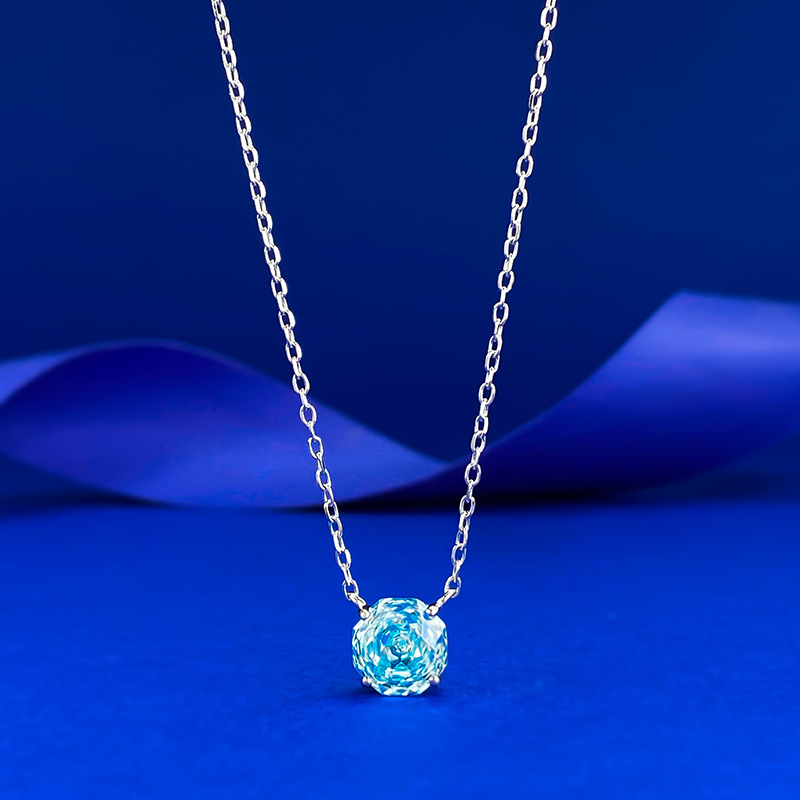
Shipping Insurance for Jewelry Price Checklist Before You Buy
Jewelry is small, valuable, and easy to misplace. That changes the math fast. A Shipping Insurance for Jewelry price checklist helps you compare coverage before checkout, so you don't guess at the final total.
It also keeps the claim rules, exclusions, and delivery terms in one place. Why pay for protection if the policy won't pay when a package goes missing? The checklist gives you a clean way to compare the true cost of Shipping Insurance for Jewelry before a ring, necklace, or custom piece leaves the seller.
We've seen buyers save a few dollars on coverage and lose days later because the policy required a signature they never asked for. That is why this Shipping Insurance for Jewelry price checklist focuses on the parts that matter: coverage amount, claim rules, exclusions, and delivery proof.
Why Jewelry Shipments Cost More Than a Normal Parcel
Most standard parcel services include only about $100 of built-in liability. That works for a shirt or a book, but not for a $1,000 ring or a $7,500 custom bracelet. A shipment can weigh just a few ounces and still carry a lot of value.
Carriers look at declared value, route, handling, and delivery method. A 1.00 ct diamond ring, a gold pendant, and a bridal set do not carry the same risk. A Shipping Insurance for Jewelry price checklist should reflect that difference instead of treating every package the same.
The route matters too. Domestic shipping is usually simpler than cross-border shipping, where customs delays, longer transit windows, and extra handoffs can raise the risk. A shipment that stays visible from scan to signature is easier to defend if something goes wrong.
There is also a practical reason jewelry shipping costs more: the replacement problem. A lost sweater can be reordered. A pair of matched diamond studs in a specific metal color, post style, and carat weight may need to be remade. That adds time, labor, and paperwork, which is why coverage needs to match the real replacement cost, not just the item line on a cart.
Shipping Insurance for Jewelry Price Checklist: What to Compare First
Start with the four items that shape most quotes: declared value, policy type, delivery service, and claim rules. Once those are clear, the rest of the quote is easier to read. That is the simplest way to use a Shipping Insurance for Jewelry price checklist without getting lost in fine print.
Declared Value, Tiers, and Minimum Fees
Declared value usually sets the first price tier. A $500 band and a $5,000 engagement ring often sit in different brackets, so the premium can jump at certain thresholds. A flat minimum fee can also make a small order look expensive.
For example, a $15 minimum on a $120 pendant can feel steep even if the percentage rate is low. That is why the Shipping Insurance for Jewelry price checklist should always include the minimum charge, not just the headline rate. If a quote looks cheap, check whether the policy hides a floor, deductible, or service fee.
It also helps to compare the replacement value to the order value. A 14k gold chain may have a lower retail price than a platinum version, but the platinum piece can cost more to replace if the exact alloy, length, and clasp style are no longer in stock. If the item is made to order, the declared value should reflect what it would cost to remake it, not just the raw metal weight.
Carrier Coverage vs Third-Party Coverage
Carrier coverage is easy to buy because it is often built into the label flow. Third-party coverage is separate, but it can offer higher limits and more jewelry-friendly terms. The better choice depends on the item, the route, and the level of risk.
| Factor | Carrier Coverage | Third-Party Coverage |
|---|---|---|
| Purchase flow | Fast, usually at checkout | Separate purchase |
| Coverage limit | Often capped | Often higher |
| Jewelry terms | Can be narrow | Usually more flexible |
| Claims support | Tied to carrier scans | May ask for more paperwork, but often fits jewelry better |
For higher-value rings, loose diamonds, and custom pieces, third-party shipping insurance for jewelry often makes more sense. Carrier coverage can still work for simpler orders, but read the limits before you rely on it.
One practical distinction is the type of proof each option expects. A carrier may lean heavily on scan events and delivery confirmation. A third-party policy may ask for the invoice, appraisal, grading report, and packaging photos. If you already keep good records, that extra documentation is not a burden. If you do not, the cheapest option may become the most frustrating one.
Diamond, Metal, and Setting Details That Affect Shipping Risk
Not every jewelry order should be evaluated the same way. A shipping insurance for jewelry price checklist works better when you factor in what is actually being shipped, because the replacement difficulty changes by stone, metal, and setting type.
Diamond Specs and Certification
For diamond jewelry, the four Cs matter because they shape both value and replacement. A 1.00 ct round brilliant with excellent cut, near-colorless grades, and strong clarity can cost significantly more than a similar-looking stone with lower proportions or weaker finish. If the piece is insured as a diamond ring or pendant, the policy should reflect the actual specifications, not an approximate retail guess.
Certification matters too. A GIA report is widely recognized and often easier to use in a claim because it documents the stone's measurements, grade, and identifying number. IGI reports are common as well, especially for lab-grown diamonds and some retail lines. If the stone has a grading report, keep the number, report image, and invoice together. For loose diamonds, the report is often the easiest proof of value if the package is lost or delayed.
Buyers should also watch for diamond shape and cut style. A round brilliant is easier to source than some fancy shapes in matching color and clarity. An emerald cut, marquise, or heart shape may require more specific matching. If the item is custom, the replacement can take longer than the initial purchase, which is another reason shipping insurance for jewelry should be set at the correct value before the box moves.
Lab-grown diamonds can be less expensive than natural diamonds of the same size, but the paperwork still matters. A lab-grown ring with a 1.50 ct center stone may ship with the same risk profile as a natural stone if the setting and craftsmanship are similar. Do not underinsure it just because the stone type is different.
Metal Choices: Gold, Platinum, and Silver
Metal choice affects both the price and the chance of a replacement mismatch. 14k gold is common because it balances durability and price. 18k gold has a richer color and higher gold content, but it can be softer and more expensive. Platinum is dense, durable, and often preferred for high-value engagement rings, but it typically raises the replacement cost. Sterling silver is less expensive, though it still deserves coverage if the design is custom or includes stones that are hard to replace.
When comparing metal choices, consider the finish and the color match. White gold may need rhodium replating over time. Yellow gold ages differently and can show wear in a distinct way. A replacement piece that looks close but not identical may not satisfy the buyer if the policy only pays what was insured. That is why the shipping insurance for jewelry price checklist should line up the exact metal, karat, finish, and any plating requirements.
For heavier pieces, the metal weight itself matters. A thick platinum band or a gold cuff bracelet can carry more intrinsic value than a thin setting with the same stone. If the metal alone would be expensive to remake, insure accordingly. The cost of the setting is not an afterthought; it is part of the item.
Setting Tradeoffs: Solitaire, Halo, and Pavé
The setting changes the shipping risk because it changes how easily the piece can be damaged and how hard it is to inspect on arrival. A solitaire ring is simpler to pack and inspect. A halo setting, pavé band, or cluster design has more small stones that can loosen in transit or during handling.
Pavé and micro-pavé styles look delicate and need careful inspection when the package is opened. If a tiny accent stone is missing, the issue may not be obvious from the outside of the box. Halo rings can also create more claim questions because the center stone and surrounding accents may need separate evaluation. If you are buying this kind of piece, make sure the insurer will accept photos taken immediately on receipt and that the seller has a documented return window in case of damage.
Bezel settings and low-profile designs can be better for shipping because they often protect the stone more effectively than tall prongs. Prong settings, especially on raised solitaires, are more exposed. That does not make them unsafe to ship, but it does mean the packaging and inspection steps matter more.
Coverage, Claims, and Exclusions
Price only matters if the policy pays. A shipping insurance for jewelry price checklist should confirm loss, theft, and damage coverage before you check out. It should also show the exact delivery rules that keep the claim valid.
Here are the items to Verify Before You pay:
- Loss in transit is covered
- Theft is covered under the stated shipping method
- Damage is covered if the box arrives intact but the item is broken
- Signature rules are clear
- Packaging standards are written into the policy
- Claim deadlines are realistic
- Declared value matches the invoice or appraisal
Documentation matters just as much as the premium. GIA and IGI reports list the report number, measurements, and stone details, which makes it easier to prove what shipped. For a high-value diamond ring, those details can save time if the insurer asks for proof.
Check exclusions carefully. Some policies exclude mysterious disappearance, unattended deliveries, inherited damage, or items shipped in unapproved packaging. Others may not cover repairs done before shipping, loose stones sent without a secure container, or packages left outside a signed delivery process. The policy language is only useful if it matches how the parcel will actually travel.
What to Keep for a Claim
Keep the invoice, appraisal, and tracking record in one place from the moment the item ships. Add photos of the piece before packing, the box after sealing, and the shipping label. If the item has a diamond report, save that file too.
A clean paper trail speeds up shipping insurance for jewelry claims. If the carrier or insurer asks for proof of value, you won't have to search through old emails. For custom work, keep design approvals, metal weight notes, and any order messages that describe the finished piece.
If the item is a ring, capture the ring size on the invoice or order confirmation. If it is an earring pair, note whether the studs use screw backs, friction backs, or a custom post length. For necklaces, include chain length and clasp type. Those small details can become relevant if a claim turns into a replacement discussion.
Common Denials and Claim Deadlines
The most common denials are not subtle. Misdeclared value, weak packaging, missing signatures, and late claim filing cause a lot of problems. Some policies want notice within 3 to 10 days after loss or suspected theft, so waiting can hurt your case.
A lower premium is not a good deal if the policy has a short claim window. Read the deadline Before You Buy shipping insurance for jewelry. If the terms feel vague, ask for them in writing before the package leaves.
Another frequent issue is mismatch between the shipper and the insured party. If the seller sends the package but the buyer expects to file the claim, the policy may require specific authorization language. That is common with direct-to-consumer shipments, repair returns, and custom orders. Confirm who owns the claim right before the item ships.
Is the Fee Worth It?
That depends on replacement cost, rarity, and how hard the item is to replace. A shipping insurance for jewelry price checklist helps you compare the fee against the downside of losing the piece. For a mass-produced chain, a small premium may feel optional. For a custom engagement ring, it usually does not.
The decision gets easier if you break it into three questions:
- What would it cost to replace the item?
- How likely is the claim to be approved?
- Is the premium smaller than the loss you would take without coverage?
A $30 premium on a $3,000 ring is not the same thing as a $30 premium on a $120 pendant. We often see shoppers focus on the fee and ignore the claim rules, but the rules are what decide whether the policy works.
It also helps to think about the item's replacement timeline. If the ring can be reordered from inventory, the inconvenience is lower. If the piece requires a new CAD file, hand setting, polish, and hallmarking, the delay can be substantial. The premium starts looking smaller when you compare it to a lost month of production.
Simple Price Bands
These broad bands can help you plan before checkout. They are not a quote, but they do make the numbers easier to compare.
| Order Value | Common Premium Range | Notes |
|---|---|---|
| Under $500 | Small flat fee or low percentage | Minimum fees can raise the effective rate |
| $500 to $2,500 | Modest percentage-based premium | Often reasonable for rings and earrings |
| $2,500 to $10,000 | Higher tier with stricter rules | Signature and full paperwork matter more |
| Over $10,000 | Specialized coverage recommended | Third-party shipping insurance for jewelry is often the safer fit |
Those brackets also explain why a shipping insurance for jewelry price checklist should go beyond the premium itself. Delivery speed, route, and signature requirements can change the quote. International shipping usually costs more because customs and transit time add risk.
When Paying More Makes Sense
Pay more when the item is custom, rare, or hard to replace quickly. That includes custom engagement rings, loose diamonds, antique pieces, and repaired settings that need careful handling. It also includes shipments that cross borders or sit in transit for several days.
If a ring has a 1.25 ct center stone in a bespoke platinum setting, the real replacement cost is not just the stone. It is the new search, the new mount, and the new production time. In that case, shipping insurance for jewelry is part of the purchase, not a nice-to-have extra.
Paying for more robust coverage also makes sense when the seller's return policy is short. If you only have a narrow inspection window, and the piece is expensive enough that any problem would be painful to absorb, the extra premium is easier to justify. The point is not to buy the most expensive policy. The point is to buy the one that fits the actual risk.
How to Compare Jewelry Quality Before You Ship
Insurance is only one part of the decision. The item itself should be easy to identify, appraise, and replace if needed. If you're buying a diamond or a fine jewelry item online, quality details should be specific enough that an insurer, appraiser, or bench jeweler could understand the piece without guessing.
Diamond Quality Basics Buyers Should Check
For diamonds, start with cut, color, clarity, and carat weight. Cut has the biggest effect on sparkle in a round diamond, so a smaller well-cut stone can look brighter than a larger stone with a poor cut. Color and clarity matter too, but the best choice depends on budget and ring design. In many engagement rings, a near-colorless stone with eye-clean clarity is a practical sweet spot.
Ask whether the diamond is natural or lab-grown, and confirm whether the stone is graded by GIA, IGI, or another lab. Check fluorescence, measurements, and whether the report number is laser inscribed. If you need to make a claim later, the exact report details reduce ambiguity.
For loose stones, make sure the seller lists the shape, measurements, and table and depth percentages when available. Those details are important because a replacement stone with the same carat weight can still look very different if the proportions change.
Ring Size and Fit
Ring size affects both wearability and shipping risk. A ring that arrives too loose may need immediate resizing, which adds another transit cycle and another chance for loss or damage. If you are buying a surprise engagement ring, know the likely size range and ask the seller about temporary sizing or post-purchase resizing terms.
Wide bands usually fit tighter than narrow bands, and comfort-fit interiors can change the feel of the ring. Men’s bands, eternity bands, and stackable rings often need more precise sizing than a simple solitaire. If the seller offers a sizing kit or printable sizer, use it before shipping to reduce return risk.
Some settings should not be resized easily. Full pavé, eternity bands, and certain cathedral styles can be difficult or expensive to alter. If the ring is one of those designs, getting the size right before shipping matters even more because a return or repair can create another insurance and shipping event.
Bracelets, Necklaces, and Earrings
Bracelets and necklaces have their own issues. Chains can kink, clasps can open if they are not secured, and bracelets can be damaged if packed too tightly. For a tennis bracelet, the quality of the clasp and safety latch should be documented. For a necklace, note the chain length, chain style, and whether the pendant is detachable.
Earrings are especially easy to misplace if the package opens or a backing is loose. For studs, confirm the backing type and whether the pair is matched by shape and size. For hoop earrings, check the hinge and closure. A shipping insurance for jewelry price checklist is stronger when the item description is specific enough to support a claim.
Before the Parcel Leaves
The best time to fix a claims problem is before you hand over the box. Use discreet outer packaging, strong inner padding, and a label that does not reveal jewelry contents. Choose a service with end-to-end tracking and a signature requirement if the policy calls for it.
The shipping trail should be easy to follow from drop-off to delivery. If a scan goes missing, your claim gets harder to defend. A shipping insurance for jewelry price checklist should always include tracking quality, not just the premium.
Packaging, Tracking, and Signature Rules
Use a sturdy outer box, seal every seam, and keep the item from moving inside the package. Tamper-evident tape helps if the parcel is opened in transit. Keep the drop-off receipt until the delivery scan shows the item arrived.
A signed delivery record can matter as much as the insurance itself. A package left on a porch is a bigger risk than one handed to an adult signature recipient. If the policy requires a signature, do not skip it to save a few dollars.
Also check whether the insurer accepts indirect signatures, front desk delivery, or held-at-location pickup. Some carriers treat those differently. A signature from a neighbor may not be enough if the policy requires the buyer's residence or place of business. That detail can determine whether a claim pays.
Returns, Repairs, and Custom Orders
Returns and repair shipments need extra care because ownership and value can be less obvious. Follow the seller's label rules, keep before-and-after photos, and save the service ticket. For custom orders, keep the invoice, design approval, center stone details, and any engraving notes.
If you are returning a piece or sending a ring back for repair, the value should match the paperwork, not a rough memory. That is where a shipping insurance for jewelry price checklist saves real time. It forces the details to line up before the box moves.
For custom rings and redesigns, note the pre-shipment condition. If the piece already has a chip, worn prongs, or a loose accent stone, document that before mailing. Otherwise, a preexisting issue can be mistaken for transit damage. The same is true for repair returns that already contain a replaced stone or refurbished setting.
Care After Delivery
Once the package arrives, inspect it immediately in good light. Check the box for tampering, then inspect the item against the invoice and photos. On rings, look at prongs, stone alignment, and any surface scratches. On chains, test the clasp carefully. On earrings, verify that both backs and posts are present.
If something looks wrong, stop wearing the item and document the issue right away. Delay makes disputes harder. After inspection, store the piece in a dry, lined box or pouch, away from perfume, lotions, and humidity. For platinum and gold pieces, a soft cloth is usually enough for routine cleaning, but don't use aggressive chemicals near gemstones or glued components.
For diamonds, a mild soap solution and soft brush are typically safe for many settings, but opals, pearls, emeralds, and other delicate stones need more caution. If the item contains multiple stone types, ask the seller for cleaning guidance. A replacement claim is one thing. Avoiding damage after the package arrives is better.
Common Mistakes Buyers Make
The most common mistake is buying coverage after the fact. If the item is already in transit, the window may be closed. Another mistake is underdeclaring value to save a little on premium. If the package is lost, the payout may match the lower declared amount, not what you paid.
Buyers also forget to check return-shipping terms. A piece may be covered in outbound transit but not on the return leg, or vice versa. Another issue is assuming all signatures are equal. A delivery note can show the package was dropped off, but that is not the same as a signed handoff.
One more frequent mistake is failing to match the invoice to the item description. If the invoice says "diamond ring" but the order actually includes a 1.20 ct round center stone, side stones, and platinum band, the insurer should have those details in the file. Specific paperwork is easier to defend than vague labeling.
Finally, some shoppers choose a policy without checking the seller's packing standards. If the seller uses thin boxes, loose fillers, or plain tape, the claim process becomes harder. Coverage is not a substitute for good shipping practices.
Frequently Asked Questions
How much does shipping insurance for jewelry cost for a $1,000 ring?
The price usually depends on declared value, destination, and whether the coverage comes from the carrier or a third party. A flat fee may be fine if the policy is clear and the claim process is simple. For a $1,000 ring, compare the premium against the replacement cost and check for a deductible or claim cap. A shipping insurance for jewelry price checklist helps you spot the hidden costs before you pay.
Does shipping insurance for jewelry cover loss or theft in transit?
Often yes, but only if you follow the policy rules for packaging, declaration, and delivery confirmation. Some insurers are strict about unattended deliveries, so the signature rule matters. Read the theft language closely before checkout. The shipping insurance for jewelry price checklist should confirm the exact trigger for a covered loss.
What documents do I need to file a jewelry shipping insurance claim?
Keep the invoice, receipt, tracking number, proof of shipment, and photos of the piece and packaging. For diamond jewelry, a GIA or IGI report can help prove the stone details and value. Claims move faster when the paperwork is complete from the start. That is why the shipping insurance for jewelry price checklist should include document storage as part of the process.
Is third-party shipping insurance better than carrier insurance for jewelry?
It can be, especially for higher-value pieces or custom orders. Third-party policies often offer stronger limits and terms that fit jewelry shipments better. Carrier coverage can still work for lower-value items if the limits, exclusions, and claim rules are clear. The right answer depends on the order, not just the price.
Can I insure a custom engagement ring or a repair return shipment?
Yes, but you need clear proof of value and a documented handoff. Save design approvals, invoices, photos, and any grading paperwork before the box ships. Custom pieces and repair returns can be hard to replace, so a shipping insurance for jewelry price checklist matters even more there. If the ring has a lab-grown or natural diamond, keep the stone paperwork with the file.
What if the item is being resized after delivery?
Resizing adds another shipping step, which means another risk point. If the seller handles the resize, confirm whether the outbound return is covered and whether the insurance applies while the ring is at the bench. Rings with delicate pavé, full eternity bands, or thin shanks may be poor candidates for repeated shipping if the resize can be avoided. Ask about local resizing options when possible.
How do I know if the price is fair for the piece?
Compare similar items by stone size, grade, metal, and setting style. A 1.00 ct round diamond in 14k white gold will not price the same as a 1.00 ct oval in platinum. If the seller includes grading reports, metal weight, and measurements, you can compare more accurately. A fair price is easier to judge when the jewelry description is specific enough to replace the item.
Shop with Clear Shipping Terms
If you are ready to buy, choose a seller that shows shipping terms before checkout. Compare diamonds, browse jewelry, or build a custom piece in the ring builder. You can also review engagement rings with the paperwork you need for shipping insurance for jewelry.
The best checkout is the one that leaves no guesswork. Review the coverage, confirm the delivery rules, and keep the documents together. That is the simplest way to use a shipping insurance for jewelry price checklist and avoid preventable delays.
Before you finalize the order, match the shipping terms to the item itself. A simple gold band may only need standard tracking and a modest premium. A custom diamond ring, an antique pendant, or a repair return with a loose center stone deserves tighter controls, better documentation, and a more careful look at the policy. If the seller can answer questions about packaging, signatures, claims, and return timing without hesitation, that is usually a good sign that the shipping process is being handled properly.
Ready to Find Your Perfect Diamond?
Explore our collection of certified lab-grown diamonds
Shop Diamonds