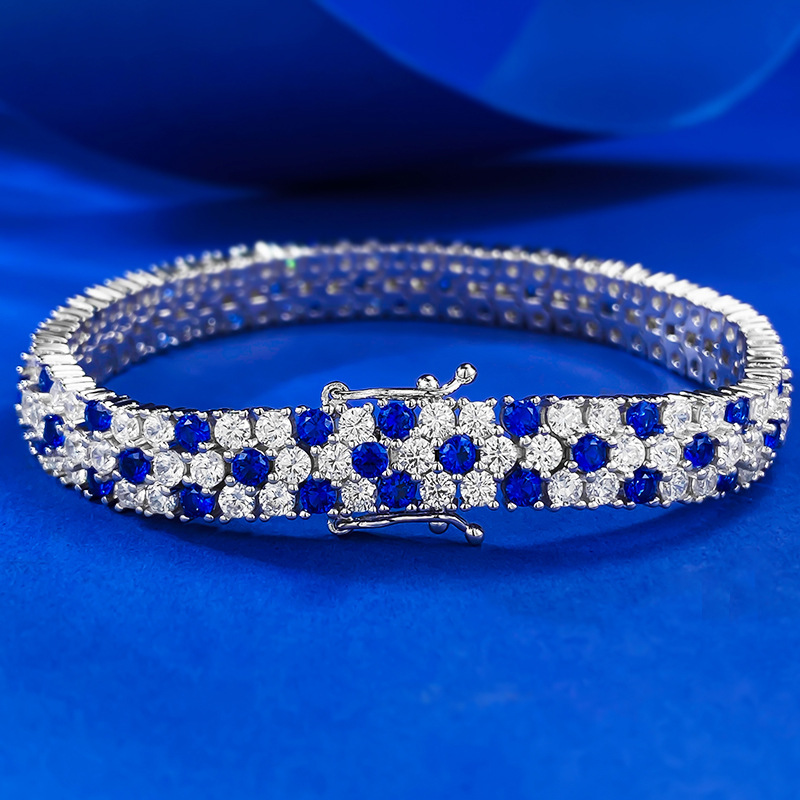
Sustainable Tennis Bracelet Buying Tips for Ethical Sparkle
A tennis bracelet should feel easy to love. It has polish, movement, and enough sparkle to work with jeans, a black dress, or a wedding guest look. A smart purchase takes more than choosing the brightest row of diamonds. These sustainable tennis bracelet buying tips will help you compare beauty, ethics, comfort, and long-term wear Before You Buy.
A single bracelet can hold 40, 50, or more diamonds, plus gold or platinum in every link. That makes each sourcing choice matter. Where did the diamonds come from? Is the metal recycled? Can the clasp handle daily wear? Will the jeweler service the bracelet years from now?
The best sustainable tennis bracelet buying tips look at the whole piece. Lab-grown diamonds, traceable stones, recycled gold, recycled platinum, grading details, secure prongs, smooth links, and repair options all work together. A bracelet can be responsible and still feel luxurious. It can also be practical enough to become the piece you reach for most.
Why Sustainable Tennis Bracelet Buying Tips Matter
Tennis bracelets are different from many fine jewelry pieces because they repeat the same choice over and over. A solitaire ring may focus on one center stone. A tennis bracelet creates its look through a long line of matched diamonds. If the sourcing, setting, or clasp quality is weak, the whole bracelet suffers.
Sustainability in fine jewelry usually includes five points: diamond origin, metal sourcing, labor standards, honest marketing, and product life. A bracelet that lasts 20 years with normal care is often a better choice than one that needs frequent repair after a few months. Longevity is part of responsibility.
Lab-grown diamonds appeal to many buyers because they have the same chemical, physical, and optical properties as mined diamonds. They also rate 10 on the Mohs hardness scale, the same as natural diamonds. Recycled precious metals can reduce demand for newly mined gold or platinum while keeping the same karat purity and beauty.
One label doesn't tell the whole story. A lab-Grown Diamond Bracelet with thin links, loose prongs, or an unclear clasp design isn't automatically the better buy. Sustainable tennis bracelet buying tips should help you sort real value from nice-sounding claims.
For quality context, the Gemological Institute of America, or GIA, is one of the most trusted authorities in diamond grading. Its 4Cs system covers cut, color, clarity, and carat weight. The Federal Trade Commission Jewelry Guides also require jewelry claims to be clear and not misleading. Those two references give shoppers a practical way to question product pages and sales language.
A Quick Background on Tennis Bracelets and Responsible Sourcing
The tennis bracelet is a flexible line bracelet, usually set with diamonds from end to end. The style existed long before its famous name. It became widely known after tennis champion Chris Evert paused a match to find her diamond bracelet after it broke. Since then, the design has carried a mix of elegance and everyday movement.
Classic Diamond Tennis Bracelets often range from 1.00 to 10.00 total carat weight. Many everyday styles sit between 2.00 and 5.00 total carat weight because they offer visible sparkle without feeling too heavy. The right size depends on wrist shape, budget, lifestyle, and how much presence you want.
Natural diamonds form deep in the earth over long periods of geologic time. Lab-grown diamonds form in controlled settings through methods such as CVD, short for Chemical Vapor Deposition, or HPHT, short for High Pressure High Temperature. Both are real diamonds. The difference is origin.
Responsible sourcing needs a closer look. Lab-grown diamonds avoid traditional diamond mining, but energy use, cutting practices, and shipping still matter. Natural diamonds may come with traceability programs, but buyers need proof, not broad promises. Metals matter too because gold mining can carry serious environmental and labor concerns.
Our customers often tell us they want a bracelet they can wear often without second-guessing the purchase. Sustainable tennis bracelet buying tips keep the conversation grounded in details you can inspect, document, and maintain.
Sustainable Tennis Bracelet Buying Tips: What to Check First
Start with the basics before falling for a photo. A responsible tennis bracelet should be transparent, comfortable, sturdy, and serviceable. If a retailer can't explain the diamonds, metal, clasp, and warranty, keep looking.
Use these sustainable tennis bracelet buying tips as your first filter:
- Confirm whether the diamonds are lab-grown, natural, or traceable gemstones.
- Check total carat weight, stone count, color, clarity, and cut details.
- Ask whether the gold or platinum is recycled or responsibly sourced.
- Review the setting style, link movement, clasp type, and safety locks.
- Look for grading reports, product specifications, and metal purity marks.
- Read the warranty, return policy, resizing terms, and repair options.
- Ask the jeweler to define every sustainability claim in plain language.
| Feature to Compare | What to Look For | Why It Matters |
|---|---|---|
| Lab-grown diamonds | Clear origin, matched stones, grading details | Supports transparency and strong value |
| Recycled gold | 14k or 18k purity with metal disclosure | Reduces demand for newly mined gold |
| Recycled platinum | 950 platinum mark and sourcing notes | Offers durability and a naturally white color |
| Clasp quality | Box clasp, hidden clasp, double safety lock | Helps prevent accidental loss |
| Documentation | GIA, IGI, appraisals, product specs | Backs up quality and sourcing claims |
| Construction | Even stones, smooth links, finished underside | Improves comfort and wear life |
These sustainable tennis bracelet buying tips work best together. A bracelet with responsible diamonds still needs a strong clasp. A recycled metal bracelet still needs good stone matching. The finished piece should make sense from every angle.
Choose Lab-Grown Diamonds or Traceable Stones
Lab-grown Diamond Tennis Bracelets are popular because they offer diamond brilliance with clearer origin details. They are not simulants. They have the same crystal structure and hardness as mined diamonds, so they suit fine jewelry that sees regular wear.
For a tennis bracelet, matching matters more than one dramatic stone. Look for diamonds that stay consistent in brightness, diameter, color, and clarity. Near-colorless ranges such as F-G or G-H often look bright in white gold or platinum. VS and SI clarity ranges can both work well, depending on stone size and how visible inclusions are.
A 3.00 total carat weight bracelet may use dozens of small diamonds. A 7.00 total carat weight bracelet uses larger stones and creates a bolder look. If the stones vary too much, the line can look uneven on the wrist.
One of the most useful sustainable tennis bracelet buying tips is simple: ask for clear disclosure. The product page should state whether stones are lab-grown or natural. It should also show total carat weight, metal type, bracelet length, diamond quality range, and grading information when available.
If you want to compare diamond quality before choosing a bracelet, review StoneBridge’s lab-grown diamond education and options. You’ll get a better feel for color, clarity, carat weight, and grading terms.
Pick Recycled Gold, Recycled Platinum, or Responsible Metal
Metal choice affects sustainability, strength, feel, and color. A tennis bracelet uses metal in every link, setting, hinge, clasp, and safety feature. Thin or poorly finished metal can shorten the bracelet’s life.
Recycled gold and recycled platinum are strong options because these metals can be refined without losing quality. Recycled 14k gold is still 14k gold. Recycled 950 platinum still has high platinum purity. The benefit comes from lowering demand for newly mined material.
Common choices include 14k gold, 18k gold, and platinum. 14k gold is durable and practical for daily wear. 18k gold has richer gold content and a warmer tone, though it can be slightly softer. Platinum is dense, naturally white, and often preferred by people with metal sensitivity.
White gold usually has rhodium plating to create a bright white surface. That finish may need replating over time. Yellow gold feels classic, rose gold has warmth, and platinum offers lasting white color without rhodium.
Sustainable tennis bracelet buying tips should always include metal questions. Ask whether the retailer uses recycled metal, responsible refiners, or documented sourcing standards. If a listing says only “eco-friendly metal,” ask what that means.
Look for Clear Claims, Not Vague Labels
Words like ethical, green, conflict-free, and responsible can be helpful, but only when the seller explains them. A good listing gives you enough detail to check the claim. A weak listing asks you to trust the mood of the marketing.
Look for these details:
- Diamond origin, such as lab-grown, natural, or traceable gemstone source
- Diamond specs, including color, clarity, cut notes, total carat weight, and stone count
- Laboratory reports from GIA, IGI, or another respected grading source when relevant
- Metal purity, such as 14k, 18k, or 950 platinum
- Construction notes, including setting style, clasp type, and safety locks
- Retailer policies for returns, repairs, warranties, and inspections
The FTC Jewelry Guides are useful here because they discourage misleading claims about gemstones, metals, and origin. If a claim sounds broad, ask for the specific proof behind it. Good jewelers won't mind.
Sustainable Tennis Bracelet Buying Tips for Fit and Durability
Sustainability also means the bracelet can handle real life. A piece that snags, flips, loses stones, or feels awkward may sit in a drawer. A better bracelet feels secure enough to wear often.
Fine jewelry professionals usually inspect four areas first: stone security, link movement, clasp function, and finishing. Prongs should hold stones firmly without catching on sweaters. Links should move smoothly without feeling flimsy. The clasp should close with a clean, confident click.
Think about your routine. Do you type all day? Do you travel often? Will you stack the bracelet with a watch or other bracelets? Do you want a low-profile piece, or do you prefer a larger carat weight that gets noticed?
Service matters too. Ask whether prongs can be tightened, clasps can be repaired, links can be adjusted, and replacement stones can be matched. Sustainable tennis bracelet buying tips should protect you from pieces that look good online but lack long-term support.
Check Settings, Links, and Stone Security
Setting style changes the look and care needs of a tennis bracelet. Prong settings let in plenty of light and create a bright, airy line. Shared-prong settings use less metal between stones, which can make the diamonds look almost continuous. Bezel settings surround each stone with metal and offer a sleek, protective feel.
Each style can work well if made properly. The key is construction. Stones should sit evenly, with no obvious tilting. Prongs should feel smooth, not sharp or lifted. Links should flex without gaps, stiffness, or twisting.
If you're shopping online, ask for close-up photos or a short video. You want to see the clasp, side profile, underside, link movement, and how the bracelet sits on a wrist. It's fair to ask. A tennis bracelet is too personal to judge from one front-facing image.
These sustainable tennis bracelet buying tips are especially helpful for higher-carat styles. Larger stones have more presence, but they also add height and weight. Good engineering keeps the bracelet comfortable.
Choose the Right Length and Clasp
Fit affects both comfort and durability. A bracelet that's too loose can catch on sleeves, hit hard surfaces, and twist around the wrist. A bracelet that's too tight can pull on links and feel restrictive.
Many women’s tennis bracelets range from 6.5 to 7.5 inches, with 7 inches being a common ready-to-wear length. Men’s and larger wrist styles may run 8 inches or longer. To measure, wrap a soft tape around your wrist and add about 0.25 to 0.5 inches, depending on how much movement you like.
Clasp quality deserves serious attention. Look for a box clasp with a safety latch, a hidden clasp with double safety locks, a fold-over safety, or a secure push-button clasp with backup protection. A hidden clasp looks elegant, but it still needs strong mechanics.
One of the simplest sustainable tennis bracelet buying tips is to choose security over a perfectly invisible closure. Losing a bracelet is far more painful than choosing a clasp with a little extra strength.
Balance Carat Weight, Budget, and Daily Wear
Total carat weight affects appearance, price, comfort, and practicality. A 1.00 to 2.00 total carat weight bracelet feels delicate and easy for daily wear. A 3.00 to 5.00 total carat weight bracelet gives more sparkle without feeling too large for many wrists. A 7.00 total carat weight bracelet or larger makes a stronger statement.
Lab-grown Diamond Tennis Bracelets often let buyers choose a larger carat weight or higher color and clarity range at a more accessible price than similar natural diamond styles. Bigger isn't always better. Cut, matching, metal quality, and clasp strength can matter more than size alone.
Ask yourself one honest question: will I wear this bracelet often? If the answer is yes, choose a size, setting, and clasp that match your routine. Sustainable tennis bracelet buying tips should lead to a piece you enjoy, not one you worry about.
For styling ideas across bracelet stacks, rings, and necklaces, browse StoneBridge’s fine jewelry collection. If you're pairing a bracelet with bridal jewelry, you may also like our engagement ring styles.
Smart Buying Checklist Before You Purchase
Before checkout, turn sustainable tennis bracelet buying tips into a short checklist. Two bracelets with the same total carat weight can differ a lot in matching, metal weight, clasp design, warranty, and repair support.
Use this list Before You Buy:
- Confirm diamond origin and ask for lab-grown, natural, or traceable details.
- Review color, clarity, total carat weight, cut notes, and stone count.
- Verify 14k, 18k, or platinum details, plus recycled metal disclosure.
- Inspect setting style, link flexibility, clasp design, and safety locks.
- Save grading reports, receipts, appraisals, and product specifications.
- Compare return windows, warranty terms, repair services, and shipping insurance.
- Ask about packaging if recyclable or minimal materials matter to you.
- Plan cleaning and inspection before the bracelet needs repair.
Price matters, but it shouldn't be the only deciding factor. A lower price may hide lighter metal, weaker links, inconsistent stones, or limited aftercare. A reputable jeweler should answer questions clearly and explain the bracelet without pressure.
Questions to Ask a Jeweler
Clear questions lead to better answers. Ask whether the diamonds are lab-grown or natural. Ask who graded them, what the color and clarity ranges are, and whether documentation is available.
Then move to the bracelet itself. What metal is used? Is it recycled or responsibly sourced? What clasp protects the bracelet? Can replacement stones be matched later?
Ask what the warranty covers and whether cleaning, tightening, appraisals, or repairs are available. Ask what the jeweler means by ethical, eco-friendly, conflict-free, or responsibly sourced. These sustainable tennis bracelet buying tips make vague claims easier to spot.
Online Shopping Tips for Better Confidence
Online shopping can work well if the product page gives you enough proof. Look for high-resolution photos, wrist shots, side views, underside views, clasp close-ups, and video if possible. The listing should show metal type, total carat weight, stone count, diamond origin, length, setting style, clasp details, and return terms.
Read reviews for comfort, sparkle, sizing, shipping, and service. Check for insured shipping and signature delivery. Save every record, including receipts, grading reports, appraisal papers, warranty details, and maintenance notes.
Keep a digital folder for the bracelet. That one small habit can help with insurance, repair, appraisal, and future resale. Sustainable tennis bracelet buying tips don't stop after purchase; good ownership protects the piece too.
Common Mistakes to Avoid
The first mistake is treating every lab-grown diamond bracelet as automatically sustainable. Lab-grown diamonds can offer clearer origin and avoid traditional diamond mining, but energy use, metal sourcing, packaging, shipping, and wear life still count.
The second mistake is accepting vague language. “Ethical” sounds good, but according to which standard? “Eco-friendly” might refer to packaging, stones, metal, or nothing specific. Ask for details before you trust the claim.
The third mistake is chasing the lowest price. A very low price may mean lighter metal, less secure settings, uneven stones, weak clasp construction, or limited service. Repairs and lost stones can erase savings quickly.
The fourth mistake is ignoring fit. A loose bracelet can snag and bang against desks. A tight bracelet can strain links. Measure before buying and ask whether length adjustments are possible.
The fifth mistake is skipping maintenance. Even a well-made bracelet needs care. If you wear it often, plan professional inspections once or twice a year. At home, clean gently with warm water, mild soap, and a soft brush unless your jeweler gives different advice.
Use sustainable tennis bracelet buying tips as a filter. If a bracelet looks beautiful but lacks clear origin, secure construction, or service support, it may not be the right one.
Buy for Beauty, Responsibility, and Longevity
A tennis bracelet should feel special every time you fasten it. The most helpful sustainable tennis bracelet buying tips focus on sparkle, comfort, ethics, and wear life at the same time.
Look for lab-grown diamonds or traceable stones, recycled gold or platinum, clear grading details, secure settings, smooth links, and a reliable clasp. Check the warranty, repair options, return terms, and care guidance. Those practical details protect the bracelet after the excitement of buying it fades.
No single claim should make the decision for you. A sustainable label still needs craftsmanship. A big carat weight still needs matching and security. A beautiful design still needs the right fit.
Choose the bracelet that fits your values, style, and daily routine. If you'd like help comparing diamond quality, metal choices, or bracelet length, contact StoneBridge’s jewelry experts. A thoughtful purchase can become more than an accessory; it can become part of your story.
FAQ
What are the best sustainable tennis bracelet buying tips for first-time buyers?
First-time buyers should start with diamond origin, metal sourcing, construction, and documentation. Look for lab-grown diamonds or traceable stones, recycled gold or platinum, secure settings, and a clasp with a safety feature. Compare total carat weight, color, clarity, stone count, bracelet length, warranty, and repair support. The best sustainable tennis bracelet buying tips help you buy a bracelet that looks beautiful and holds up over time.
Are lab-grown diamond tennis bracelets more sustainable than natural diamond bracelets?
Lab-grown Diamond Tennis Bracelets can be a responsible choice because their origin is usually easier to verify and they avoid traditional diamond mining. Sustainability also depends on energy use, cutting practices, recycled metal, shipping, packaging, and long-term durability. Ask for clear product details rather than relying on the lab-grown label alone. A well-built bracelet with transparent sourcing is the stronger choice.
How do I know if a tennis bracelet is ethically made?
Ask for specific details about diamond origin, metal sourcing, grading reports, setting quality, and retailer policies. A trustworthy jeweler should explain terms such as ethical, conflict-free, eco-friendly, and responsibly sourced in plain language. Look for GIA or IGI documentation when available, plus metal purity marks such as 14k, 18k, or 950 platinum. If the seller avoids details, keep comparing.
Is recycled gold good for a sustainable diamond tennis bracelet?
Yes, recycled gold can be a smart choice because it reduces demand for newly mined gold while keeping the same karat quality. Recycled 14k gold is still durable, and recycled 18k gold still offers a richer gold content. Ask the retailer to confirm recycled metal use and provide clear metal specifications. Also check clasp security, setting quality, and repair options because sustainability includes long wear life.
What should I avoid when buying a sustainable tennis bracelet online?
Avoid listings with unclear diamond origin, vague sustainability claims, limited photos, missing carat details, weak clasp information, or no return policy. A trustworthy online listing should show clear images, metal type, total carat weight, stone count, bracelet length, setting style, clasp design, and warranty terms. Save receipts, grading reports, appraisals, and care notes after purchase. Those records help with insurance, maintenance, and future service.
Ready to Find Your Perfect Diamond?
Explore our collection of certified lab-grown diamonds
Shop Diamonds