A sustainable jewelry buying checklist: claims to verify helps separate real proof from polished language. Jewelry brands use terms like sustainable jewelry, ethical diamonds, recycled gold, eco-friendly packaging, and carbon neutral shipping, but those phrases do not always explain what was measured, what was sourced, or what was independently verified.
Fine jewelry is personal and often costly. A 1.00 carat diamond engagement ring can range from the low thousands to well over $10,000, depending on origin, cut quality, color, clarity, and setting. A purchase at that level deserves clear documentation.
The right way to evaluate sustainability claims is the same way you would evaluate diamond quality: look for specifics, records, and consistency. If a jeweler can provide a grading report for carat weight and clarity, they should also be able to explain what their sourcing, metal, packaging, and carbon claims actually cover.
Why This Checklist Matters
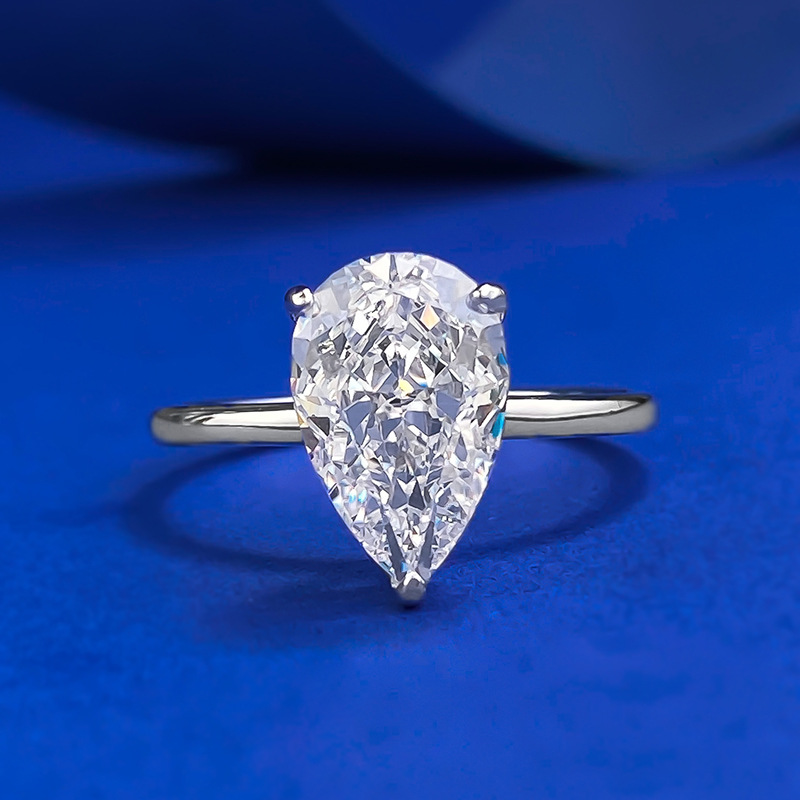
A sustainable jewelry buying checklist: claims to verify keeps the decision grounded in facts. Jewelry supply chains can include mining, lab growth, refining, cutting, polishing, casting, setting, packaging, shipping, and retail handling. Each stage can affect labor conditions, energy use, waste, traceability, and product durability.
The goal is not to find a piece with zero impact. Fine jewelry uses materials, skilled labor, transport, and energy. The goal is to choose a jeweler that explains its claims clearly and backs them with credible records.
Many shoppers start by asking about lab-grown diamonds, then realize the setting metal, grading report, warranty, and repair policy matter just as much. That instinct is right. A ring that lasts for decades, can be resized, and comes with clear documentation is usually a stronger responsible purchase than one built around a vague slogan.
Start with the claims that affect the actual piece: stone origin, metal source, supplier standards, carbon disclosures, packaging, and aftercare.
What Sustainable Jewelry Really Means
Sustainable jewelry can refer to lower-impact materials, responsible sourcing, repairable design, ethical labor standards, reduced packaging waste, or transparent carbon reporting. It is not one universal certification. A brand should define the claim every time it uses it.
Sustainable does not always mean ethical. Ethical does not always mean recycled. Recycled does not automatically mean carbon neutral. These ideas overlap, but they answer different questions.
| Claim | What It Usually Means | What to Verify |
|---|---|---|
| Sustainable jewelry | Lower-impact sourcing, production, packaging, or durability | Which parts of the product or company are covered |
| Ethical diamonds | Broader social and sourcing standards | Origin, supplier rules, grading reports, and traceability |
| Conflict-free diamonds | Diamonds not funding armed conflict | Kimberley Process baseline plus any added checks |
| Recycled metal | Gold, platinum, or silver from reclaimed sources | Recycled-content policy, refinery statement, or supplier record |
| Carbon neutral | Emissions measured, reduced, and offset | Scope, third-party review, and offset quality |
| Eco-friendly packaging | Lower-waste boxes, mailers, or inserts | Materials, certifications, and whether the claim stops at packaging |
The Federal Trade Commission's Green Guides say environmental claims should be clear, truthful, and supported. That matters because broad claims like green or eco-friendly can mislead shoppers if the brand does not name the exact benefit.
GIA and IGI reports help too, though they serve a different purpose. These reports document diamond characteristics such as carat weight, measurements, color, clarity, cut, polish, symmetry, fluorescence, and whether the diamond is mined or laboratory-grown. They do not prove every sustainability claim, but they give you a reliable starting point for stone identity and quality.
Sustainable Jewelry Buying Checklist: Claims to Verify
Use this sustainable jewelry buying checklist: claims to verify while you compare product pages, diamond listings, customer service answers, and brand policies. Strong claims share three traits: they are specific, documented, and consistent.
A specific claim tells you what it covers. A documented claim points to a report, policy, supplier statement, audit, or certification. A consistent claim sounds the same on the product page, FAQ, support email, and checkout page.
1. Responsible Sourcing of Stones and Metals
Responsible sourcing should explain origin, labor expectations, supplier screening, chain of custody, and environmental controls where available. For diamonds and gemstones, ask where the stone was sourced and what standards the supplier follows. For precious metals, ask whether recycled gold, recycled platinum, or responsibly mined options are available.
A responsible sourcing statement is useful only if it says something concrete. Look for supplier codes of conduct, audit language, human rights policies, anti-corruption rules, or membership in recognized industry programs such as the Responsible Jewellery Council.
Ask these questions:
- Where was the diamond, gemstone, or metal sourced?
- Does the jeweler use suppliers with written ethical standards?
- Are recycled precious metals available for this specific piece?
- Is any chain-of-custody documentation available?
- Does the jeweler publish a responsible sourcing policy?
Traceability differs by material. Some diamonds have origin information or inscriptions tied to grading records. Colored gemstones can be harder to trace because supply chains may include smaller mines, brokers, cutters, and dealers. Recycled metal claims often rely on refinery or supplier documentation rather than a certificate for each ring.
2. Ethical Diamonds and Conflict-Free Claims
Ethical diamonds and conflict-free diamonds are related, but they do not mean the same thing. Conflict-free diamonds refer to diamonds that are not used to finance armed conflict. Ethical diamonds usually involve wider concerns, including labor conditions, safe workplaces, sourcing transparency, and environmental care.
The Kimberley Process includes more than 80 participating countries and was created to reduce the trade in conflict diamonds. It is an important baseline, but it does not cover every human rights, labor, or environmental concern a shopper may care about.
That is why this sustainable jewelry buying checklist: claims to verify should push past one phrase. If a jeweler says a diamond is conflict-free, ask what standard supports that claim. If they call a diamond ethical, ask whether they mean lab-grown origin, supplier checks, traceability, recycled metals, or company policy.
Lab-grown diamonds can be a strong option for many shoppers. They are grown using technology rather than mined from the earth, and they have the same carbon crystal structure as mined diamonds. Still, you will want a grading report from GIA, IGI, or another recognized lab, plus clear answers about any energy or carbon claims.
3. Lab-Grown, Recycled, and Lower-Impact Materials
Lab-grown diamonds differ from mined diamonds by origin. Mined diamonds form naturally underground and are extracted through mining. Lab-grown diamonds are produced through Chemical Vapor Deposition or High Pressure High Temperature methods.
Many customers choose lab-grown diamonds because they want ethical diamonds with clearer origin details. They also often cost less than mined diamonds with similar grades, which can leave more room in the budget for cut quality, a stronger setting, or better aftercare.
Recycled precious metals can reduce demand for newly mined Gold, Platinum, and Silver. Recycled gold may come from previously refined jewelry, industrial materials, or other reclaimed sources. Recycled platinum can be refined and reused without losing its precious metal properties.
Ask what the claim covers. Does recycled gold apply to all rings, only select collections, or only certain components? Does the setting use recycled metal, newly mined metal, or a mix? A clear jeweler will not make you guess.
4. Carbon Neutral and Lower-Carbon Claims
Carbon neutral means a defined set of greenhouse gas emissions was measured, reduced where practical, and balanced through offsets or removals. The word defined matters. A carbon claim may apply to the whole company, one product, shipping only, packaging only, or a short campaign.
Use these questions:
- What emissions were measured?
- Did the calculation include manufacturing, offices, packaging, and shipping?
- Were reductions made before offsets were purchased?
- Who reviewed or verified the carbon accounting?
- What offset projects were used?
Be careful with lower-carbon jewelry claims that lack a comparison. Lower than what? A mined diamond, an older production method, a similar product, or a company average? The stronger the comparison, the better the evidence should be.
Carbon neutral jewelry does not mean zero impact. It means a stated footprint was balanced through a stated method. That distinction belongs on any sustainable jewelry buying checklist: claims to verify before a serious purchase.
5. Packaging, Shipping, and Delivery Details
Packaging matters, but it should not carry the whole sustainability story. A recycled paper box is a useful detail. It does not prove that the diamond, gemstone, or metal was sourced responsibly.
Useful packaging proof points include recycled paper, FSC-certified materials, reduced plastic, reusable pouches, right-sized cartons, and clear shipping options. Shipping can matter too. In some cases, slower ground delivery may have a lower footprint than rush air shipping.
If a brand talks mostly about tissue paper but avoids questions about diamond origin, metal sourcing, or production energy, pause. Packaging should support the claim, not distract from the harder questions.
Diamond Specs That Affect Value and Wearability
Jewelry sustainability is only part of the buying decision. Diamond quality and setting design can determine whether the piece feels worth the price and survives everyday wear. If you are comparing engagement rings or fine jewelry with diamonds, check the full set of specs, not just the carat number.
Cut is usually the most important value driver for a round diamond because it affects brightness, fire, and overall sparkle. A well-cut 0.90 carat stone can look better than a poorly cut 1.00 carat stone, and it may cost less. Color and clarity matter too, but they often have less visible impact than cut until you reach higher grades or larger sizes.
As a practical guide, many buyers look for excellent or ideal cut grades, G to H color for white metal settings, and VS2 to SI1 clarity if the inclusion is not visible without magnification. That range is not a rule, but it is a useful starting point when balancing budget and appearance.
Shape also matters. Round brilliant diamonds usually cost more per carat than oval, pear, marquise, or emerald cuts because demand is higher and cutting rough into a round shape can waste more material. If sustainability and budget both matter, fancy shapes can sometimes provide better visual size at a lower price point.
Fluorescence, measurements, and depth percentages also matter. A stone with strong fluorescence may appear hazy in some lighting, while a diamond with better spread can look larger face-up than its carat weight suggests. These details are not sustainability claims, but they help you judge whether a piece is a smart buy.
Setting Choices, Metal Tradeoffs, and Durability
The setting determines how well a ring protects the stone and how comfortable it is to wear. Prong settings usually use less metal and show more of the stone, which can reduce cost and maximize brilliance. Bezel settings add metal around the stone for protection, which can be better for daily wear but may reduce light return and make the stone look slightly smaller.
For active wearers, the tradeoff is usually between appearance and security. A thin cathedral setting may look elegant, but if the prongs are delicate, the ring may need more maintenance. A low-profile bezel or semi-bezel can be more durable, especially on rings that are worn every day.
Metal choice changes both sustainability questions and long-term wear. Platinum is dense and durable, making it a strong choice for engagement rings, but it is often more expensive than gold. 18K gold has a richer color and higher gold content, while 14K gold is generally harder and more scratch-resistant for everyday use. Recycled versions of either metal can reduce the need for newly mined material if the supplier can document the claim.
For sensitive skin, nickel content matters. Some white gold alloys contain nickel, which can irritate some wearers. If the jeweler offers nickel-free or palladium-based white gold, ask for the alloy details. That is a comfort issue, but it also affects whether you will keep wearing the piece for years.
Design features like hidden halos, pavé shoulders, and intricate basket work can add beauty, but they can also increase maintenance because tiny stones or delicate prongs may loosen over time. A simpler setting can be a stronger choice if you want lower repair risk and easier resizing.
Sizing, Resizing, and Care
Size is part of sustainability because a piece that fits well is more likely to be worn often. Before ordering a ring, confirm the size range, whether the style can be resized, and how much the jeweler charges. Some eternity bands and channel-set rings are difficult or impossible to resize without changing the design.
If you are between sizes, ask whether the jeweler recommends sizing beads, spring inserts, or a half-size adjustment. Those options can improve comfort and reduce the chance of loss. Wide bands also tend to fit tighter than narrow bands, so the same finger may require a different size depending on the design.
Care should be simple enough that you will actually follow it. Most fine jewelry benefits from gentle cleaning, periodic inspections, and safe storage. Diamonds can be cleaned with mild soap and warm water, but ultrasonic cleaners may not be appropriate for all gemstones, fracture-filled stones, or delicate settings. Pearls, opals, emeralds, and some antique pieces need more caution.
Ask whether the jeweler offers free inspections, prong tightening, polishing, or rhodium replating. A repair-friendly policy is part of a responsible purchase because it extends the life of the piece and reduces the chance of replacement.
How to Check the Proof
The best sustainable jewelry buying checklist: claims to verify is practical. It tells you what to ask for and how to read the answer. Product pages, diamond listings, brand policy pages, and support emails should give you the same basic story.
Strong proof may include:
- A GIA, IGI, or other recognized diamond grading report
- Lab-grown or mined diamond disclosure
- Diamond origin information when available
- Supplier code of conduct or sourcing policy
- Recycled-metal statement or refinery documentation
- Carbon disclosure or third-party verification
- Packaging material statement
- Warranty, repair, resizing, and return policies
A grading report can confirm a 2.00 carat lab-grown diamond, G color, VS2 clarity, excellent cut, excellent polish, and excellent symmetry. It may also list measurements to the hundredth of a millimeter. That helps you compare quality and price.
Still, one report cannot prove everything. A diamond report will not usually verify recycled metal, packaging materials, or a company-level carbon claim. Treat each document as one piece of evidence.
For StoneBridge shoppers, useful starting points include the lab-grown diamond selection, the fine jewelry collection, engagement rings, and the ring builder. Those pages help you compare stone details, styles, settings, and purchase options in one place.
Shipping, Returns, and Insurance
Shipping and returns are not side issues on a fine jewelry purchase. They determine how safely the piece reaches you, how much flexibility you have if the size or style is wrong, and whether the brand stands behind the product after checkout.
For higher-value pieces, look for insured shipping, signature confirmation, and discreet packaging. If the jeweler offers a return window, confirm whether the clock starts on delivery or the ship date, whether custom work is final sale, and whether return shipping is insured.
Return policies should be easy to read. If a ring is engraved, altered, resized, or made-to-order, returns may be limited. That is normal, but it should be stated clearly Before You Buy.
Insurance matters too. Even a well-made ring can be lost or stolen. Ask whether the item can be appraised, whether the jeweler provides an appraisal document, and what coverage options exist through your homeowner, renter, or specialty jewelry policy. A responsible purchase is easier to maintain when the paperwork is complete.
Red Flags in Green Jewelry Marketing
Green jewelry language can be helpful, but only when it has details behind it. Watch for words like clean, conscious, eco, ethical, earth-friendly, and sustainable with no explanation. The claim may still be true, but it is not verified yet.
Absolute promises need extra proof. Phrases such as zero impact, 100% sustainable, fully guilt-free, or completely ethical are hard to support because jewelry production uses materials, labor, energy, packaging, and transport.
Hidden tradeoffs are another warning sign. A jeweler may highlight recyclable packaging while saying little about diamond origin. Another may promote conflict-free diamonds but skip metal sourcing and labor standards.
Clear limits can build trust. A jeweler who says, "This report verifies the diamond, but our recycled-metal statement comes from the refinery," is being more useful than one who treats one document as proof of everything.
Practical Tips Before You Buy
A smart buying checklist should support the full purchase, not just the sustainability claim. Style, comfort, craftsmanship, fit, warranty, and care all affect how long the piece lasts.
Start with your priorities. Do you care most about ethical diamonds, recycled metals, lab-grown origin, lower-carbon shipping, or a ring that can handle daily wear? Rank your top two or three before you compare products.
Then follow a simple process:
- Set a budget that includes the stone, setting, taxes, resizing, insurance, and maintenance.
- Compare lab-grown diamonds, mined diamonds, recycled gold, platinum, and gemstone options.
- Review GIA, IGI, or other recognized grading reports for diamond details.
- Ask what each sustainability claim covers and what proof is available.
- Check durability, including prong security, metal choice, shank thickness, and clasp quality.
- Read the warranty, return, resizing, repair, and care policies.
- Choose a piece you will wear often, because long use is part of real value.
Craftsmanship matters. A fragile ring that needs major repair after a few years is not a strong responsible choice, even if one material claim sounds good. Look for secure settings, smooth finishing, balanced proportions, and practical wearability.
Fit matters too. A Ring That Fits correctly is less likely to slip off or need repeated resizing. If you are unsure, review a ring sizing process before ordering and ask the jeweler how future resizing would work.
Questions to Ask Any Jeweler
Use this quick sustainable jewelry buying checklist: claims to Verify Before You place an order:
- Is the diamond lab-grown or mined?
- If mined, what conflict-free standards apply?
- If lab-grown, which grading report comes with it?
- What makes this diamond an ethical diamond option?
- Where were the gemstones sourced?
- Are the gold, platinum, or silver components recycled?
- What responsible sourcing standards do your suppliers follow?
- Does this piece have chain-of-custody documentation?
- Does any carbon neutral claim apply to the product, shipping, or company?
- Who verifies the carbon claim?
- What packaging materials are used?
- Can the ring be resized or repaired?
- What warranty, return, and exchange policies apply?
- What care steps will help the piece last?
Clear answers build confidence. Vague answers do not always mean the jewelry is poor, but they do mean the claim still needs work.
Buy With Confidence
A sustainable jewelry buying checklist: claims to verify turns a big purchase into a clearer decision. Start with the materials. Ask whether the diamond is lab-grown or mined, whether the metal is recycled, and what supplier standards apply.
Then check the documents. Review grading reports, sourcing policies, recycled-metal statements, carbon disclosures, and warranty terms. Finally, judge the piece itself. A ring, bracelet, necklace, or pair of earrings should be well made, repairable, comfortable, and suited to long-term wear.
Sustainable jewelry is not about perfection. It is about better questions, better proof, and a piece you can wear with confidence. At StoneBridge Jewelry, the strongest purchase is beautiful, documented, and built for real life.