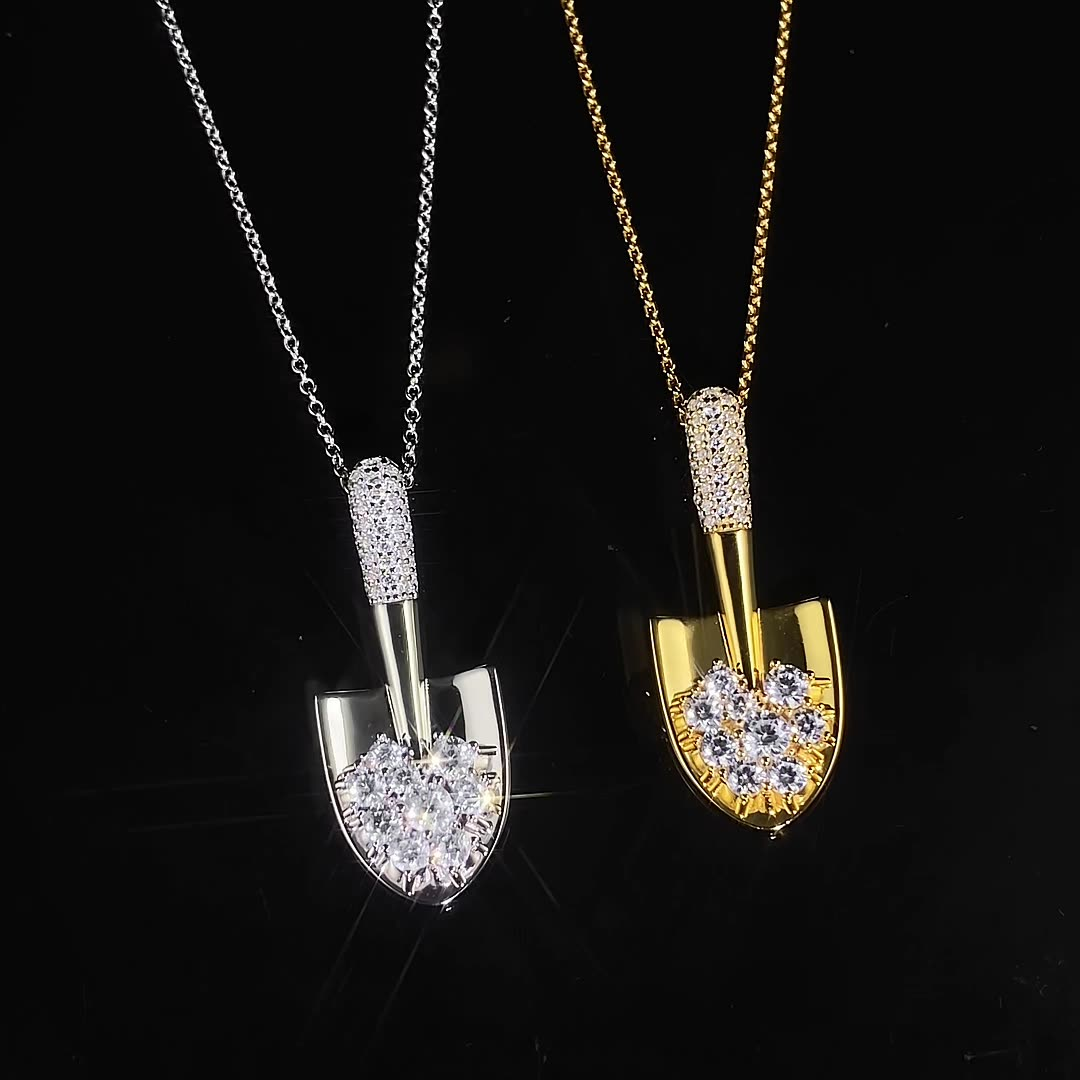
Sustainable Diamond Pendant Buying Guide for Ethical, Lasting Style
A sustainable diamond pendant buying guide should help you judge more than sparkle. It should show you how the stone was sourced, how the metal was made, and whether the pendant is built to last. If you want to compare options as you read, you can shop lab-grown diamonds or browse our jewelry collection.
Pendants are easy to wear, easy to gift, and easy to live with. That is also why they deserve a closer look. Two pieces can look almost identical in a photo and still have very different footprints, repair needs, and long-term value. Why buy something pretty if it will not hold up for years?
The FTC Jewelry Guides have shaped jewelry claim standards since 1996, so vague language should make you pause. Clear sourcing, lab reports, and metal disclosures make comparison easier and cut down on guesswork.
Why This Sustainable Diamond Pendant Buying Guide Matters
A sustainable diamond pendant buying guide starts with one simple idea: sustainability in fine jewelry is about the full life of the piece. That includes where the diamond came from, how the metal was produced, how the pendant wears over time, and whether the seller is clear about each step.
Words like sustainable, ethical, conflict-free, and responsibly sourced do not mean the same thing. A conflict-free claim may address a narrow risk, while ethical jewelry usually points to labor, transparency, and sourcing practices. Responsible sourcing is broader still, because it covers the diamond, the setting metal, and the chain.
Real proof matters more than broad claims. Traceability can show up in a GIA or IGI report, a metal disclosure, an origin statement, or a clear explanation of how a stone entered the supply chain. The more specific the details, the easier it is to compare pieces on equal footing.
What Sustainable Means in Diamond Jewelry
A sustainable diamond pendant buying guide should separate facts from marketing language. In practical terms, sustainability usually means:
- Responsible sourcing of the diamond and metal
- Clear production and supply-chain disclosure
- Long wear life through smart design and repairable parts
- Reliable grading or certification from a trusted lab
- Honest claims that do not overstate environmental benefits
A seller should tell you whether the stone is lab-grown or mined, what metal is used in the setting, and whether the pendant comes with documents that back up those claims. That level of detail is not extra. It is what a useful sustainable diamond pendant buying guide depends on.
Why Pendants Are a Smart Entry Point
This guide matters even more because pendants are a practical first fine-jewelry purchase. A 0.25 ct, 0.50 ct, or 1.00 ct stone can deliver strong presence without feeling heavy or overdone.
Pendants also need to survive everyday wear. The chain, clasp, and setting should be durable enough for repeated use, not just a product photo. Many shoppers prefer a slightly smaller stone when it allows for a stronger chain and a better setting, and that tradeoff usually pays off.
Sustainable Diamond Pendant Buying Guide: Lab-Grown Diamonds and Responsible Metals
For many shoppers, a sustainable diamond pendant buying guide begins with lab-grown diamonds. Lab-grown diamonds are real diamonds with the same crystal structure and chemical makeup as mined stones. The main difference is origin, since they are created in controlled environments instead of pulled from the earth.
That difference matters for traceability. Lab-grown stones usually have a clearer origin story, which helps many buyers feel better about the purchase. They also avoid the land disruption and extraction intensity tied to traditional mining. Even so, the final sustainability picture still depends on energy use, factory practices, and metal sourcing.
If you are comparing a lab-grown and mined pendant side by side, look at the whole piece. A well-made lab-Grown Diamond Pendant in recycled gold can be a strong lower-impact option, but only if the retailer is honest about the setting, the chain, and the certification.
How Lab-Grown Diamonds Are Made
Two methods dominate lab-grown diamond production: HPHT and CVD.
- HPHT, or high pressure high temperature, uses extreme heat and pressure to form carbon into diamond crystal.
- CVD, or chemical vapor deposition, grows diamond layers in a chamber where carbon-rich gases build on a diamond seed over time.
Both methods can produce fine-jewelry stones. A sustainable diamond pendant buying guide should not treat one process as automatically better for every buyer. What matters most is the finished quality, the retailer's disclosure, and whether the stone is graded by a respected lab such as GIA or IGI.
For buyers, the key benefit is confidence. A lab-Grown Diamond Pendant usually comes with a clearer story from the start, and that traceability helps many shoppers shop with less stress.
Choosing Recycled or Responsibly Sourced Metals
A sustainable diamond pendant buying guide should never focus only on the stone. The setting metal matters just as much.
Recycled gold is a strong choice because it reduces demand for newly mined material while still giving you the look and durability of fine gold. Platinum is another solid option for a long-wearing pendant, especially if you want a naturally white metal with a dense feel and strong resistance to wear. Sterling silver can work at a lower price point, though it usually needs more care for daily wear.
Gold color also changes the final look:
- Yellow gold gives a warm, classic feel
- White gold creates a bright, modern look
- Rose gold adds a softer, romantic tone
Ask for metal specifications Before You Buy. A transparent seller should tell you the karat weight, whether the metal is recycled, and how the finish is plated or polished. That level of detail belongs in any sustainable diamond pendant buying guide you trust.
How to Judge Diamond Quality for a Pendant
A strong sustainable diamond pendant buying guide puts the 4Cs in the right order for necklace shopping. For pendants, cut usually matters most because it drives brilliance, fire, and sparkle. GIA grades cut on a five-step scale, from Excellent to Poor, and that grading is especially useful when you want a stone that looks lively from a normal viewing distance.
Carat weight matters too, but not on its own. Face-up size, shape, and setting style all change how large the pendant appears. A 0.50 ct round diamond often measures about 5 mm across, while a 1.00 ct round is closer to 6.4 to 6.5 mm, so the visual jump is smaller than many buyers expect.
Color and clarity should match pendant wear. You do not need to overpay for grades that are hard to see once the stone is set at the neck. For many buyers, near-colorless color and an eye-clean clarity grade give the best mix of beauty and value.
Which of the 4Cs Matter Most for Pendants
A sustainable diamond pendant buying guide should rank the 4Cs like this for most shoppers:
- Cut
- Carat
- Color
- Clarity
That order can shift a little based on design. A solitaire pendant worn on a short chain sits closer to the face, so color may matter more. A halo pendant can make the center stone seem larger, which lets you choose a slightly smaller diamond without losing impact. A bezel setting can also soften visible edge details and make an eye-clean stone look even cleaner.
The distance from the eye changes what you notice. Tiny inclusions that would bother a ring buyer may disappear in a pendant. That is why a smart sustainable diamond pendant buying guide helps you avoid paying for details you may never see.
Finding the Right Shape, Size, and Sparkle Balance
Popular pendant shapes each create a different look:
- Round: classic, bright, and versatile
- Oval: elegant, lengthening, and easy to style
- Pear: soft, graceful, and full of movement
- Princess: modern, geometric, and crisp
If you wear V-necks and open collars often, pear or drop shapes can create a nice line. If you want the most familiar sparkle, round usually performs best. A pendant should suit your wardrobe and your proportions, not just your wish list.
If you are comparing diamond shapes Before You Buy, our engagement rings and ring builder pages show how cut and setting choices change the look of a stone. That same logic helps when you are sizing up a pendant.
Pendant Settings, Chains, and Everyday Wear
A sustainable diamond pendant buying guide should treat the setting and chain as part of the purchase, not as afterthoughts. The stone may be the star, but the setting protects it and shapes how the piece behaves day to day.
Solitaire pendants are timeless and easy to wear with almost anything. Bezel settings wrap the stone in metal, which adds protection and gives the pendant a clean, modern edge. Halo styles surround the center diamond with smaller stones to boost perceived size and sparkle. Drop pendants create more movement and can feel dressier.
For shoppers who want versatility, a simple solitaire or bezel often delivers the best long-term value. They are easier to layer, easier to clean, and less likely to snag on clothing.
Settings That Protect the Stone
For a sustainable diamond pendant buying guide, the best setting is the one that balances sparkle with protection.
- Prong settings show more of the diamond and usually allow more light into the stone.
- Bezel settings guard the edges and often suit active lifestyles.
- Halo settings make the center stone look larger, but they add more small parts to clean and maintain.
If you plan to wear the pendant often, choose a secure setting and a chain that feels sturdy in the hand. Many jewelers would rather see a slightly thicker chain and a better clasp than a delicate style that looks beautiful for a week and then starts to fail.
Chain Length, Metal Color, and Styling
Standard chain lengths usually fall around 16, 18, 20, and 22 inches. A 16-inch chain sits higher at the base of the neck, while 18 inches is the classic everyday length for many shoppers. Longer chains feel more relaxed and work well for layering.
Metal color changes the final style as much as the diamond. White metals tend to suit cooler wardrobes and tailored looks. Yellow gold pairs well with warm skin tones and classic styling. Rose gold softens the overall look and brings a romantic feel to minimalist outfits.
A simple example: an 18-inch white gold bezel pendant can read clean and modern over a blouse or sweater. A 16-inch yellow gold solitaire can look elegant with a low neckline and a fine layered chain. This sustainable diamond pendant buying guide should help you picture the pendant in your actual wardrobe, not only in a product photo.
Sustainable Diamond Pendant Buying Guide Checklist
This guide becomes most useful when it turns into a checklist you can use while comparing pieces. Start with the diamond, then check the setting, then review the seller.
- Set a realistic budget for the full piece, not just the center stone.
- Decide whether you want a lab-grown or mined diamond.
- Ask for a grading report from GIA, IGI, or another recognized lab.
- Confirm the metal type, karat, and whether recycled material was used.
- Review the setting style, chain thickness, and clasp quality.
- Read the return policy and warranty before checkout.
- Check whether cleaning, inspection, or repair services are included.
The best sustainable diamond pendant buying guide also asks one more question: will this piece still feel right in five years? If the answer is yes, you are probably looking at a stronger purchase than a cheaper option that only looks good on the screen.
Documents and Disclosures to Request
A reputable retailer should be able to provide clear paperwork. Expect to see:
- Diamond grading report or certification
- Metal content and karat disclosure
- Lab-grown or mined origin disclosure
- Warranty or service terms
- Return and exchange policy
- Care instructions
Grading reports help you compare cut, color, clarity, and carat in a shared language. Material disclosures matter just as much for trust. If a seller is vague about origin or metal content, that is a warning sign. A sustainable diamond pendant buying guide should be built on verifiable information, not brand poetry.
How to Compare Value Beyond Price
A low price can be tempting, but the cheapest pendant is not always the best value. Craftsmanship affects how the pendant wears, how often it needs repair, and how long it stays beautiful.
Consider the total ownership cost:
- Initial price
- Expected maintenance
- Repair risk from weak parts
- Warranty coverage
- Heirloom potential
We have found that the best-value pendants are often the ones with the strongest chain and clasp, not the biggest carat. A sustainable diamond pendant buying guide should reward solid construction as much as visual appeal.
Common Mistakes to Avoid When Shopping for a Sustainable Diamond Pendant
A sustainable diamond pendant buying guide should also show you what not to do. The most common mistakes are easy to miss because they often happen during a rushed online checkout.
- Buying on vague sustainability language without proof
- Focusing on carat weight while ignoring cut quality
- Choosing a thin chain or weak clasp to save a little money
- Skipping the grading report or metal disclosure
- Forgetting to read the return policy and warranty
- Paying for brand prestige instead of craftsmanship and transparency
Greenwashing is one of the biggest risks. A seller may use words like eco-conscious or responsibly made without sharing any data. A reliable sustainable diamond pendant buying guide asks for specifics: Where was the diamond sourced? Is it lab-grown or mined? Is the metal recycled? Which lab graded the stone? Are the claims documented?
Greenwashing and Vague Claims
Spotting weak claims gets easier once you know what to ask:
- Is the sustainability claim tied to a certificate or disclosure?
- Does the retailer explain what part of the product is sustainable?
- Is the metal source mentioned, or only the diamond?
- Does the language describe facts, or only feelings?
A brand can say a pendant is green without proving it. A trustworthy seller makes the sourcing story clear.
Quality Tradeoffs That Reduce Long-Term Value
A pendant can look affordable and still cost more over time if the construction is weak. A 0.8 mm chain, a loose clasp, or a setting with very little metal around the stone can shorten the life of the piece.
Picture a buyer who chooses a slightly larger diamond but accepts a fragile chain and a thin prong setting. The pendant may look good on delivery, then need repair after a few months of normal wear. That is the opposite of sustainable. A better sustainable diamond pendant buying guide would favor a smaller stone with stronger construction when the budget is tight.
Frequently Asked Questions About Sustainable Diamond Pendants
How do I know if a diamond pendant is truly sustainable?
Look for clear proof, not just polished language. A real sustainable diamond pendant should come with details about the diamond origin, the metal used, and the grading report or certification. Ask how the pendant was made, then check whether the seller can back up the answer with documents. If the details stay vague, move on.
Is a lab-grown diamond pendant a better choice for daily wear?
For many shoppers, yes, because lab-grown stones often offer strong traceability and good value. That can make it easier to choose a better setting, a sturdier chain, or a higher cut grade within your budget. Daily wear still depends on the build, so inspect the clasp, chain thickness, and setting style Before You Buy. A well-made lab-grown pendant can be a smart everyday piece.
What metal lasts longest on a sustainable diamond pendant?
Platinum and gold are usually the most durable choices for a pendant you plan to wear often. Recycled gold is a strong pick if you want a warmer look, while platinum gives you a naturally white tone and a dense feel. Sterling silver can work, but it usually needs more upkeep. The right choice depends on budget, style, and how often you will wear it.
What size diamond works best for a pendant I will wear often?
A 0.25 ct to 0.50 ct pendant often gives you the best mix of presence and comfort for daily wear. A 1.00 ct stone makes a bigger statement, but it also puts more pressure on the budget and sometimes on the setting. Think about your neckline, your wardrobe, and how much sparkle you actually want. A sustainable diamond pendant buying guide should push you toward balance, not just size.
Final Sustainable Diamond Pendant Buying Tips
This guide works best when you treat source, construction, and service as one decision. If those three line up, the pendant has a much better chance of becoming a long-term favorite.
Start with the diamond. Decide whether a lab-grown or mined stone fits your goals, then check cut quality, face-up size, and the amount of sparkle you want for daily wear. After that, inspect the setting and chain with the same care you would give the stone itself.
The best pieces are rarely the flashiest. They are the ones that balance beauty, ethics, and wearability in a way that feels easy to live with. That is the real promise of a sustainable diamond pendant buying guide: not just to help you buy, but to help you choose well.
If you want to keep learning, explore more pendant styles, compare lab-grown options, or read more on our blog for jewelry education that helps you Shop with Confidence.
Ready to Find Your Perfect Diamond?
Explore our collection of certified lab-grown diamonds
Shop Diamonds