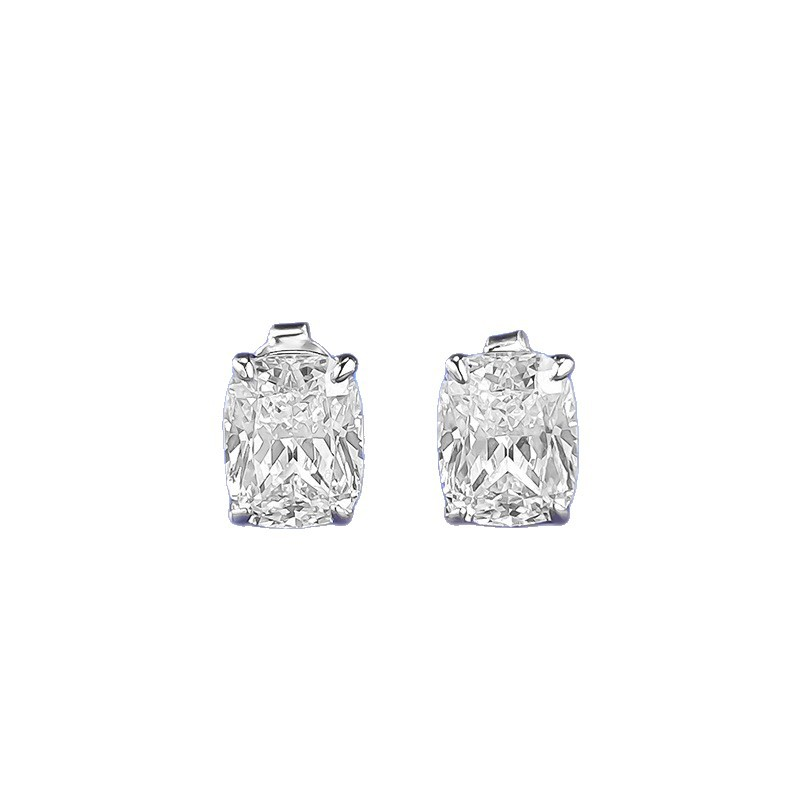
Stud Earrings Metal Choices for Durability: What to Buy First
Choosing stud earrings metal choices for durability affects far more than appearance. The right metal changes how secure the posts feel, how well the prongs hold up, how comfortable the earrings are for all-day wear, and how long the finish looks clean and polished. If you’re comparing stud earrings for daily use, diamond studs for a long-term purchase, or a simple pair for sensitive ears, the metal matters as much as the stone or design.
The best choice depends on three main factors: hardness, scratch resistance, and maintenance. You also need to think about tarnish resistance, hypoallergenic properties, and whether the metal can support the setting without bending or wearing down too quickly. Some metals excel in luxury diamond studs. Others are better for budget-friendly fashion pieces or active lifestyles. The right answer is rarely one-size-fits-all.
Why Metal Choice Matters for Stud Earrings
Stud earrings wear differently from hoop earrings, drop earrings, dangle earrings, and huggie earrings. A hoop or dangle moves with the body, so its stress points spread across more of the design. Studs concentrate wear in a smaller area: the post, the backing, the basket or prong head, and the tiny connection points that keep the stone secure.
That small format makes metal strength especially important. A soft post can bend in a bag or during sleep. Weak prongs can spread open over time, which increases the chance of losing a stone. Loose backs can make even a beautiful pair feel unreliable. For diamond studs, the setting metal must support the stone without warping while still allowing precise craftsmanship.
Durability also shapes how the earrings look over time. Softer metals can scratch and lose their clean finish faster. Plated metals may fade, revealing the base alloy underneath. Even premium metals develop wear patterns, but the rate and type of wear vary widely. A jeweler can often see whether a pair has been worn daily by the shape of the post, the smoothness of the back, and the condition of the prong tips.
There’s also long-term value to consider. Fine metals like gold and platinum tend to hold value better than lower-cost alternatives, especially in diamond studs. That doesn’t mean every shopper needs the most expensive option. It does mean the metal should match how often you plan to wear the earrings, how much maintenance you’ll tolerate, and whether you want a piece that can potentially be repaired, resized in its components, or passed down later.
How Jewelry Metals Affect Durability
Metal durability in jewelry depends on a few properties that are often confused with each other. Hardness measures how well a metal resists scratches and surface dents. Malleability describes how easily it can be shaped without cracking. Tensile strength refers to how well it resists pulling or stretching.
A harder metal sounds like the obvious winner, but that’s not always true. Very hard metals can be more brittle or difficult to repair. A slightly softer alloy may bend before it snaps, which can actually protect the stone or setting. For stud earrings, that balance matters because posts and prongs need both strength and a degree of flexibility. You want a metal that holds shape, but not one that becomes impossible to adjust if the backing loosens or a prong needs tightening.
Alloy composition changes the picture again. Pure 24K gold is soft, so jewelry makers mix it with stronger metals to create 18K or 14K gold. Platinum is often used in high-purity jewelry alloys that resist wear well, while sterling silver is usually alloyed with copper to give it structure. Plating can improve the look of a piece and sometimes help with tarnish resistance, but it doesn’t change the base metal’s long-term structural behavior. Once plating wears away, the underlying material takes over.
Industry standards from organizations such as GIA and other gemological authorities consistently treat metal choice as part of the overall setting quality, not as an afterthought. For diamond studs, the setting should protect the stone from impact, keep the prongs even, and support regular wear without distortion. That’s why the same carat weight can feel more secure in one metal than another.
Comparison Table: Common Stud Earrings Metals
| Metal | Durability | Scratch Resistance | Tarnish Resistance | Sensitive-Ear Friendliness | Best Use Case |
|---|---|---|---|---|---|
| 14K Gold | High | Good | Good | Good | Daily stud earrings, value-focused fine jewelry |
| 18K Gold | Medium-High | Moderate | Good | Very good | Luxury look, richer color, occasional to regular wear |
| 24K Gold | Low | Low | Good | Good | Special pieces, not ideal for frequent wear |
| Platinum | Very high | High | Excellent | Excellent | Diamond studs, heirloom jewelry, long-term wear |
| Sterling Silver | Moderate-Low | Low | Low | Variable | Fashion stud earrings, lower-cost short-term wear |
| Titanium | Very high | High | Excellent | Excellent | Sensitive ears, active lifestyles, lightweight wear |
| Stainless Steel | Very high | High | Excellent | Good | Everyday practical studs, low-maintenance wear |
Best Metal Options for Stud Earrings
Stud earrings metal choices for durability usually come down to five core options: gold, platinum, sterling silver, titanium, and stainless steel. Each has a clear place in the market. Some are better for fine diamond studs, while others make more sense for casual or highly active wear.
If you’re shopping for diamond studs, the metal should support secure prongs and resist deformation over time. If you’re buying simple fashion studs, comfort and price may matter more than heirloom-level performance. The best choice depends on how you’ll wear the earrings most often.
Gold Stud Earrings: 14K vs 18K vs 24K
Gold remains one of the most popular choices for stud earrings because it offers a strong mix of beauty, repairability, and prestige. But not all gold is equally durable. The karat number tells you how much pure gold is in the alloy. Higher purity means richer color, but usually less hardness.
14K gold is often the practical favorite for daily stud earrings. It contains more strengthening alloys than 18K or 24K, so it generally resists scratches and bending better. That makes it a smart option for people who want a fine-jewelry look without babying the earrings. It’s especially good for posts that get inserted and removed often.
18K gold has a deeper yellow tone and higher purity, which many buyers prefer for luxury styling. It is still durable enough for regular wear, but it scratches a bit more easily than 14K. For buyers who prioritize color and feel over maximum toughness, 18K can be a refined middle ground.
24K gold is soft. It’s beautiful, but not ideal for frequent stud earrings wear. It may suit ceremonial pieces or collectors who value purity over practicality. For most shoppers, 24K is not the best answer for stud earrings metal choices for durability.
If you’re comparing gold options, here’s the simplest rule: 14K for daily durability, 18K for richer color and quality feel, 24K for special use only.
Platinum Stud Earrings: Premium Strength and Longevity
Platinum is a top-tier choice for diamond studs because of its density, stability, and long service life. It feels substantial in the hand, and that weight often translates into a strong, secure setting. Platinum is less likely to wear away than softer metals, which is one reason it remains popular in fine diamond jewelry.
Over time, platinum develops a patina. That’s a soft satin-like finish that many buyers like because it shows natural wear without looking damaged. The metal displaces instead of losing significant mass, which can help prongs stay in place longer than you might expect from a lighter alloy.
Maintenance is still part of the picture. Platinum can scratch, and the patina may need polishing if you prefer a brighter finish. But the wear pattern is usually graceful, not flimsy. For diamond studs that you plan to keep for years, platinum is one of the strongest long-term options.
The tradeoff is cost. Platinum usually costs more than gold, and repairs can be more specialized. Still, for buyers who want a premium setting with excellent durability, it’s hard to beat.
Sterling Silver and Silver Alternatives
Sterling silver gives you an attractive look at a more accessible price, but it is not the most durable choice for stud earrings. Silver is softer than gold alloys used in higher-end jewelry, and it tarnishes more readily when exposed to air, moisture, lotions, and skin oils.
For occasional wear, silver stud earrings can be perfectly acceptable. For everyday wear, the extra cleaning and polishing may become annoying. The posts can also bend more easily than those made from stronger metals, especially if the earrings are removed often or stored loosely.
Rhodium plating can improve the surface appearance and slow tarnish, but it’s not permanent. Once the plating wears thin, the piece needs maintenance. Alternative metals can solve some of these concerns, especially if you want a lower-maintenance pair that still looks polished.
If you want a fashion piece and don’t mind upkeep, silver can work. If you want frequent wear or a secure setting for diamond studs, it usually ranks below gold, platinum, titanium, and stainless steel for durability.
Titanium, Stainless Steel, and Other Modern Metals
Titanium and stainless steel are strong choices for buyers who want practical stud earrings with excellent durability. Titanium is especially known for its strength-to-weight ratio. It’s light, tough, corrosion-resistant, and widely used in jewelry for people with sensitive ears. Stainless steel is also highly durable, resists tarnish well, and holds up nicely in daily wear.
These metals are attractive for active lifestyles, travel, and low-maintenance routines. If you exercise often, work long shifts, or simply don’t want to worry about jewelry care every day, they make sense. They’re also a good fit for someone building a rotation of simple stud earrings that don’t need frequent polishing.
The downside is style flexibility. Titanium and stainless steel are less common in luxury diamond studs because they don’t carry the same prestige as gold or platinum. They may also offer fewer options for fine detailing, stone setting styles, or a classic high-jewelry look. Even so, if durability is your top priority, they deserve serious consideration.
How to Choose the Right Metal for Your Lifestyle
Stud earrings metal choices for durability should match how you actually live, not just how you shop. A beautiful pair that sits in a box won’t help you. A solid pair that fits your daily routine will.
Start with wear frequency. If you plan to wear the earrings every day, pick a stronger metal with good scratch resistance and strong posts, such as 14K gold, platinum, titanium, or stainless steel. If the earrings are for occasional events, you can prioritize color or luxury feel over raw toughness.
Then think about your environment. Jobs that involve frequent handwashing, lotions, cleaning products, or physical movement can be hard on jewelry. Sports and travel also increase the chance of bending or losing backs. In those cases, a sturdy setting and a reliable backing style matter as much as the metal itself.
Sensitive ears are another key factor. Titanium and platinum are often excellent choices for people prone to irritation, while high-quality gold can also work well depending on alloy composition. If you’ve reacted to cheap earrings before, avoid assuming every gold-colored piece is safe. Some low-cost alloys contain nickel or other irritants.
A simple decision framework can help:
- Choose platinum or 14K gold for fine diamond studs you’ll wear often.
- Choose titanium if sensitivity and lightness matter most.
- Choose stainless steel for durable, practical, low-maintenance studs.
- Choose silver only if you’re comfortable with more maintenance.
- Choose 18K gold if color and luxury are more important than maximum hardness.
If you’re still comparing styles, think about how stud earrings differ from hoop earrings, huggie earrings, drop earrings, and dangle earrings. Hoops and dangles often accept more visible movement, while studs depend on compact strength at the post and setting. That’s why a metal that performs well in a hoop may not be the same metal you’d choose for diamond studs.
If you’re browsing options beyond studs, you can also browse our jewelry collection to compare different earring styles and materials. For shoppers narrowing down fine jewelry, shop our lab-grown diamonds can help you pair a durable setting with the right stone quality.
Care Tips to Maximize Durability
Even the best metal won’t last as well without basic care. Stud earrings need regular attention because the smallest parts often wear first. Posts, backs, prongs, and hinges in the backing system can loosen over time, especially in fine diamond studs.
A few habits go a long way:
- Wipe earrings after wear with a soft, lint-free cloth.
- Store each pair separately to avoid scratching.
- Check backs and posts before putting them on.
- Remove earrings before swimming, cleaning, or sleeping if the setting is delicate.
- Avoid harsh chemicals on plated or silver pieces.
For diamond studs, inspect prongs regularly. A secure prong should look even and hold the stone firmly without sharp shifts or visible bending. If a prong catches on fabric or appears tilted, have it checked by a jeweler. The same is true if the post feels thin, the backing slips too easily, or the setting shows signs of thinning.
Plated jewelry needs extra caution. Once plating wears down, the base metal can become visible and tarnish or irritate the skin. Don’t over-clean plated pieces with abrasive cloths or brushes. Use gentle methods and expect that re-plating may eventually be necessary.
Professional checkups make sense for fine jewelry, especially diamond studs. Jewelers can identify wear patterns before they become problems and tighten settings when needed. For expensive or sentimental pairs, that small service can preserve value and security.
Common Mistakes to Avoid When Choosing Stud Earring Metals
The biggest mistake is choosing based only on price. A lower-cost pair can be fine for occasional wear, but if you expect daily use, the cheaper option may cost more over time in repairs, tarnish, or replacements. Durability should be part of the purchase decision from the start.
Another common error is assuming all gold is equally strong. 18K and 24K gold are not the same as 14K gold in real-world wear. Purity, hardness, and scratch resistance differ enough to change how the earrings age.
Buyers also sometimes trust “hypoallergenic” labels without checking the actual metal content. Those claims can be broad. If you have sensitive ears, look for proven materials like titanium, platinum, or well-made high-karat gold alloys.
A final mistake is using soft metals for heavy stones. Larger diamond studs place more stress on the setting. If the metal is too soft, the prongs may loosen faster and the post may flex. That risk rises with frequent wear, travel, and sleep-in use.
Frequently Asked Questions
What is the most durable metal for stud earrings?
Platinum and titanium are often among the most durable choices, though the best option depends on whether you want luxury, comfort, or maximum everyday toughness. For many buyers, 14K gold offers the best balance of strength and fine-jewelry appeal. For diamond studs, platinum is especially strong because it supports secure settings well.
Are 14K gold stud earrings better than 18K for daily wear?
Yes, 14K gold is usually better for daily wear because it is harder and more scratch-resistant than 18K gold. That extra durability helps the posts and settings keep their shape longer. 18K gold has richer color and higher purity, but it is slightly softer.
Is platinum good for diamond stud earrings?
Platinum is an excellent choice for diamond studs. It has strong density, good wear performance, and a reputation for holding secure settings well. Many buyers also like the natural patina it develops over time.
What metal is best for sensitive ears and long-lasting stud earrings?
Titanium and platinum are often top choices for sensitive ears because they’re durable and generally well tolerated. High-quality gold can also work, depending on the alloy. If sensitivity is your main concern, avoid mystery alloys and look for clearly identified metal content.
Do stud earrings last longer than hoop earrings or huggie earrings?
Stud earrings can last a very long time because their structure is simpler, but longevity depends on the metal and setting. Hoop earrings, huggie earrings, and drop earrings wear differently because they move more and distribute stress in other ways. Studs are often easier to maintain, but the posts and prongs still need regular inspection.
Conclusion: Choosing Durable Stud Earrings With Confidence
The best stud earrings metal choices for durability depend on your priorities. Platinum and titanium stand out for strength and long-term wear. 14K gold offers an excellent balance of durability, beauty, and value. 18K gold suits buyers who want a richer look and don’t mind a slightly softer metal. Silver works for occasional wear, while stainless steel gives you a practical, low-maintenance option.
If you’re buying diamond studs, prioritize secure prongs, strong posts, and a metal that can hold up to regular use. If you’re shopping for everyday stud earrings, pick a metal that matches your lifestyle, skin sensitivity, and care routine. The right choice will look better, wear longer, and feel more secure every time you put it on.
If you’d like help comparing metals or matching a setting to a diamond, contact our jewelry experts or read more on our blog for more guidance Before You Buy.
Ready to Find Your Perfect Diamond?
Explore our collection of certified lab-grown diamonds
Shop Diamonds