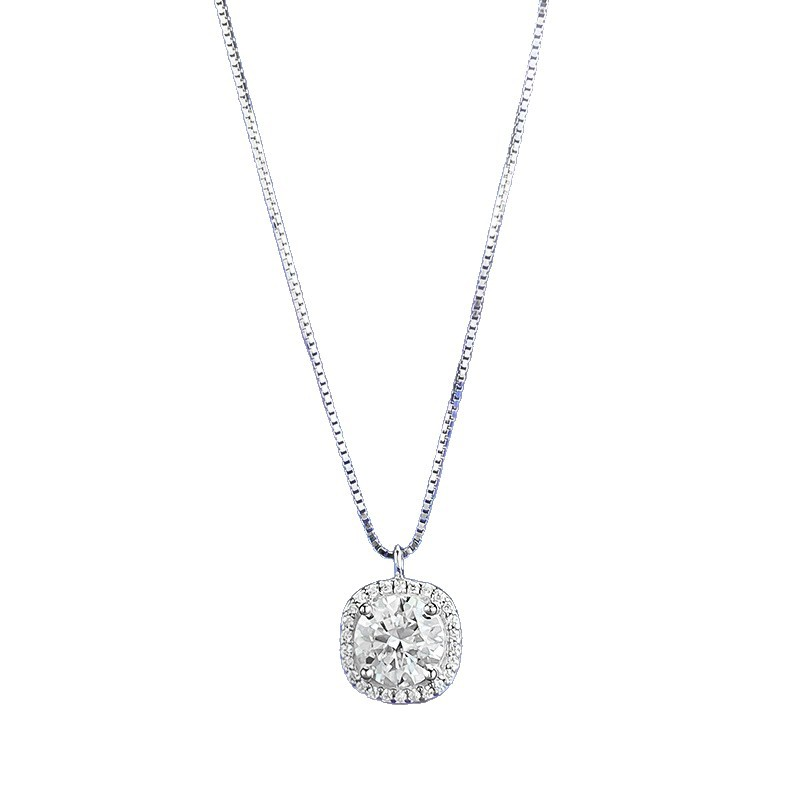
Solitaire Pendant Price in White Gold: Compare Before You Buy
The solitaire pendant price in white gold depends on four main factors: the diamond, the metal, the setting, and the chain. The overall cost can shift quite a bit when any of those change. A clean white gold solitaire pendant looks elegant, works well as a gift, and feels easy to wear every day.
If you are comparing options, look at value instead of carat weight alone. A well-cut 0.25-carat pendant can look brighter than a larger stone with weak proportions. Many buyers save money by choosing better cut quality and a sensible metal grade rather than chasing the biggest number on the tag.
White gold works well because it gives the diamond a crisp look without stealing attention. It also usually sits below platinum in price, which helps keep the solitaire pendant price in white gold accessible for more shoppers. Paying more for features you cannot see rarely makes sense.
Why White Gold Solitaire Pendants Stay Popular
A solitaire pendant puts one stone front and center. That is the whole appeal. Nothing busy gets in the way, so the diamond gets all the attention.
White gold adds to that effect with a bright, cool finish. It blends smoothly with a diamond’s sparkle and works with casual outfits as well as dressier looks. According to GIA, cut quality has a major impact on how much light a diamond returns, which is one reason a simple pendant can still look striking.
The style also makes sense for gifting. It works for birthdays, anniversaries, graduations, bridal moments, and milestone gifts. Customers often choose this style because it feels personal without being hard to wear.
A few reasons shoppers keep coming back to it:
- It looks classic and stays in style.
- It pairs easily with most wardrobes.
- It puts the diamond first.
- It fits everyday wear and special occasions.
- It usually offers strong visual value for the price.
For many buyers, the solitaire pendant price in white gold feels fair because the design is simple, yet the result still looks polished. The right piece can appear more expensive than it is when the stone and setting work well together.
What Drives the Solitaire Pendant Price in White Gold
The solitaire pendant price in white gold is shaped by more than carat weight. Two pendants with the same size stone can land at very different prices if one has a better cut, stronger clarity, a sturdier chain, or cleaner craftsmanship.
Diamond size and carat weight
Carat weight has the biggest impact on price. Bigger stones cost more, but the jump is not linear. A 1.00-carat pendant is not four times the price of a 0.25-carat pendant. Rarity rises quickly as size goes up.
That matters because pendant buyers often want a size that feels right on the body, not just on paper. Smaller stones can look refined and subtle. Larger stones create more presence. The best choice depends on how often the pendant will be worn.
Diamond cut quality
Cut affects sparkle more than most people expect. GIA grades cut because it determines how well a diamond returns light. In a solitaire pendant, that matters even more because there is only one stone to notice.
A smaller diamond with excellent cut can outshine a larger stone with poor proportions. If sparkle is the main goal, cut should stay near the top of the list.
Diamond color and clarity
Color and clarity also affect the solitaire pendant price in white gold. White gold pairs nicely with near-colorless diamonds because the metal supports a clean, bright look. Many buyers stay in the near-colorless range and still get a beautiful result.
Clarity works a little differently for pendants than for rings. Since the stone sits farther from the eye, you can often choose an eye-clean stone with a modest clarity grade and still be happy with the look. That can lower cost without hurting beauty.
Setting style and craftsmanship
The setting holds the diamond in place and shapes how much light reaches it. A prong setting can open the stone up to more light. A bezel setting gives a sleeker look and more protection.
Craftsmanship matters just as much. If prongs are uneven or the setting is bulky, the pendant may not sit well. That affects comfort and daily wear, which lowers value even if the diamond is decent.
White gold purity
White gold is usually sold in 10K, 14K, or 18K. The higher the karat, the more pure gold is in the alloy. That usually means a higher price, a richer feel, and a slightly softer metal.
For the solitaire pendant price in white gold, 10K is often the budget-friendly choice, 14K is the balanced middle, and 18K brings a more premium feel. Many shoppers land on 14K because it offers a strong mix of durability and appearance.
Chain quality and length
The chain matters more than many buyers expect. A lightweight chain can lower the price, but it may also feel less substantial. Strong links and a secure clasp improve daily wear.
Check whether the chain is included in the price, since that can change the real value. A pendant with a better chain may cost more, but it can also feel much more finished.
Lab-grown vs. mined diamonds
Lab-grown diamonds can lower the solitaire pendant price in white gold while keeping the same mineral structure and a very similar look. That can free up budget for a larger stone or better cut.
Mined diamonds usually cost more because natural rarity still drives the market. If origin matters to you, the higher price may be worth it. If visual Size and Value matter more, lab-grown often wins.
| Factor | Lower Price Impact | Higher Price Impact |
|---|---|---|
| Diamond carat | Smaller stones | Larger stones |
| Cut quality | Good to very good | Excellent to ideal |
| Color | Near-colorless range | Higher color grades |
| Clarity | Eye-clean, modest grades | Higher clarity grades |
| Metal | 10K white gold | 18K white gold |
| Diamond type | Lab-grown | Mined |
| Chain | Simple included chain | Heavier or premium chain |
A good comparison looks at the whole piece. A smaller, well-cut diamond in 14K white gold may be a better buy than a larger stone with a weak setting. That is where real value shows up.
What to Compare Before You Buy
Start with the specs. That is the easiest way to judge the solitaire pendant price in white gold without getting distracted by pretty photos or a single headline number.
Diamond specs by budget goal
If you want an everyday pendant, a smaller stone with strong cut quality may be the best fit. If you want more presence, choose a slightly larger stone and keep the setting simple. If you are buying a gift, aim for a mix of size, sparkle, and good metal quality.
A practical order works well:
- Pick the size range that fits the wearer’s style.
- Choose cut before chasing carat weight.
- Stay in a near-colorless range for a bright look.
- Use eye-clean clarity for regular wear.
- Confirm whether the chain is included.
That approach keeps the solitaire pendant price in white gold tied to the way the pendant will actually be worn.
10K vs. 14K vs. 18K white gold
Each karat level has a place.
- 10K white gold: Usually the lowest price and the toughest daily-wear option.
- 14K white gold: The sweet spot for many buyers, with a strong balance of price, durability, and color.
- 18K white gold: Richer in gold content and often chosen for a more premium feel.
For most shoppers, 14K gives the best mix of value and beauty. It keeps the solitaire pendant price in white gold reasonable while still looking polished.
Setting types, chain lengths, and clasps
Prong settings show more of the stone, so they often look brighter. Bezel settings protect the diamond and create a clean outline. Basket settings can add height and a more finished profile.
Chain length changes how the pendant sits. A 16-inch chain usually sits higher and feels more visible. An 18-inch chain is a common, versatile choice. Longer lengths create a softer look and work well for layering.
The clasp should feel secure. Lobster clasps are sturdy and common. Spring ring clasps are lighter and more traditional. Either can work well if the chain is well made.
Solitaire Pendant Price in White Gold by Budget
The solitaire pendant price in white gold usually falls into three useful ranges: entry-level, mid-range, and premium. These are not strict rules, but they make comparison shopping easier.
Entry-level
Entry-level pendants usually use smaller stones, simpler settings, and practical metal choices. This tier often includes 10K white gold or basic 14K designs, especially with lab-grown diamonds or modest mined stones.
This range is a good fit for:
- First-time fine-jewelry buyers
- Smaller milestone gifts
- Everyday wear
- Shoppers who want a lower price point
At this level, a well-cut small diamond can still look lovely. The solitaire pendant price in white gold is often driven more by craftsmanship than by size alone.
Mid-range
Mid-range pendants often deliver the best balance of look and price. You usually get stronger cut quality, better chain construction, and a more polished setting. Many 14K pieces land here.
This tier suits buyers who want noticeable sparkle without moving into premium pricing. In this range, the solitaire pendant price in white gold often feels fair because the stone, metal, and finish line up well.
Premium
Premium pendants use larger stones, higher grades, or 18K white gold. Some include certified natural diamonds with stronger grading details. The price climbs fast because each upgrade adds cost.
These pieces often make sense for major anniversaries or milestone gifts. The solitaire pendant price in white gold at this level reflects rarity, craftsmanship, and often a more luxurious finish.
Quick budget rule
Use this simple guide:
- Choose entry-level if you want a giftable look at the lowest practical price.
- Choose mid-range if you want the best blend of sparkle, size, and value.
- Choose premium if you want higher-grade materials and a more elevated finish.
Sometimes the smartest buy is not the most expensive one. A balanced mid-range pendant can beat a poorly planned premium piece.
How to Judge Value Beyond the Sticker Price
The solitaire pendant price in white gold is only part of the story. Value also depends on how the piece wears, how it looks over time, and how much support you get from the seller.
Wearability matters
A pendant that sits comfortably gets worn more often. That is real value. A chain that fits well and a setting that hangs correctly make the piece easier to enjoy every day.
Certification helps buyers compare
Diamond grading reports from GIA or other respected labs help you compare stones more fairly. They give you a clearer view of cut, color, clarity, and carat. That makes the solitaire pendant price in white gold easier to judge.
Craftsmanship affects long-term satisfaction
Smooth edges, secure prongs, and a solid clasp all matter. A pendant can look great in a product photo and still feel flimsy in person. Buyers notice the finish quickly once they start wearing the piece.
Retailer trust matters too
Return policies, warranties, and service support all affect value. A lower listed price can be less appealing if the seller offers weak support. A slightly higher price may be worth it if the buying experience is easier and safer.
Look at the whole package. A smaller certified diamond with strong craftsmanship can be the better deal if it gives you more sparkle and better daily wear.
Fit, Care, and Gift Planning
The best pendant fits the wearer, suits the occasion, and stays beautiful with simple care.
Fit and neckline
Chain length changes the look a lot. A 16-inch chain usually sits higher and draws attention to the face and collarbone. An 18-inch chain is a classic option for many wardrobes. Longer lengths can feel softer and work well with layered necklaces.
If you are buying a gift, mid-length is usually the safest choice. It gives flexibility without feeling too short or too long. Fit matters because a pendant that sits well gets worn more often.
Care for white gold and diamonds
White gold needs gentle cleaning and the occasional inspection. Over time, it may also need rhodium maintenance to keep its bright finish. Diamonds pick up oils and lotion, which can dull sparkle.
A simple care routine helps:
- Wipe the pendant with a soft cloth after wear
- Store it separately to avoid scratches
- Check the clasp and prongs often
- Clean it with mild soap and warm water
- Have it inspected when needed
That kind of care helps protect the value behind the solitaire pendant price in white gold.
Gift planning details
If the pendant is a gift, the details matter. Box quality, shipping timing, and return policy all shape the experience. Make sure the piece arrives gift-ready and that exchanges are possible if needed.
Before You Buy, confirm:
- Whether the chain length is standard or adjustable
- Whether certification paperwork is included
- How long the return window lasts
- Whether the packaging works for direct gifting
Those checks make the purchase feel complete and reduce stress later.
If you need help comparing options, you can contact our jewelry experts before you decide. You can also shop our jewelry collection or browse loose diamonds if you want to compare center stones first.
FAQ: Solitaire Pendant Price in White Gold
How much does a solitaire pendant in white gold cost?
The solitaire pendant price in white gold depends on diamond size, cut, clarity, color, and whether the stone is natural or lab-grown. A smaller lab-grown pendant usually sits at a lower price point, while a larger mined-diamond version can cost much more. The clearest way to compare is to review the full spec sheet, not just carat weight.
Is 14K white gold good for a solitaire pendant?
Yes, 14K white gold is one of the best choices for this style. It balances durability, brightness, and price well, which is why so many shoppers choose it for daily wear. For many buyers, it keeps the solitaire pendant price in white gold at a practical level without sacrificing appearance.
Why does a solitaire pendant cost more in white gold?
The price includes the diamond, the metal, the setting work, and the chain. White gold adds precious-metal value, and better craftsmanship can raise the cost too. If the diamond quality is stronger, the final price climbs as well.
Are lab-grown diamond solitaire pendants cheaper than mined ones?
Yes, lab-Grown Diamond Pendants are usually cheaper than mined diamond pendants with similar visible quality. That price difference can help you choose a larger stone or a better cut without moving into a much higher budget. It is one of the easiest ways to get more look for your money.
What diamond size is best for a white gold solitaire pendant?
The best size depends on style, budget, and how bold you want the pendant to look. Smaller stones feel refined, while larger stones create more presence. For many shoppers, a mid-size stone gives the best balance of sparkle, versatility, and price.
Ready to Find Your Perfect Diamond?
Explore our collection of certified lab-grown diamonds
Shop Diamonds