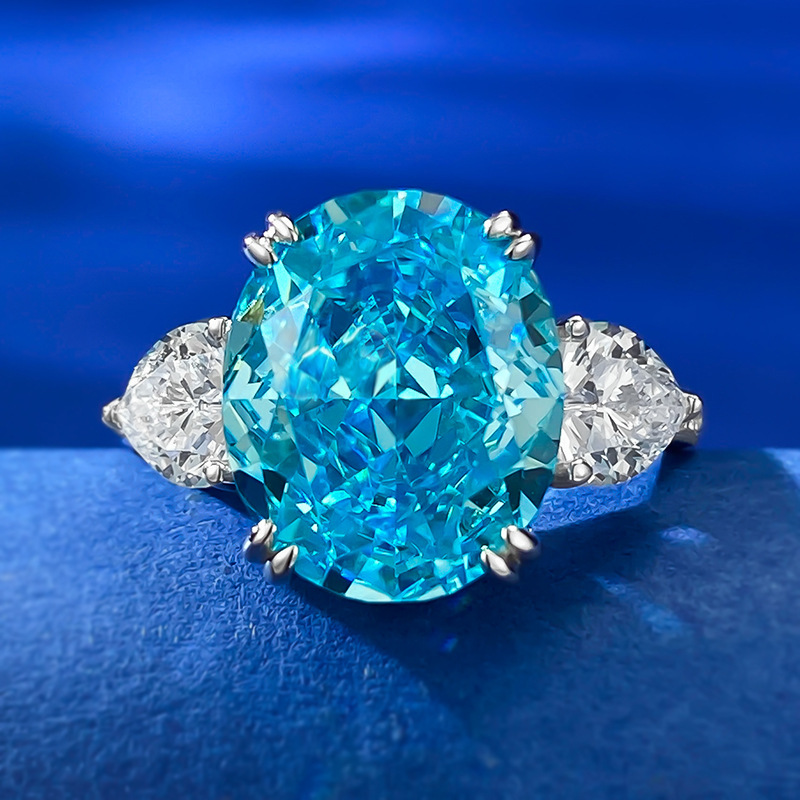
Solitaire Engagement Ring Setting Comparison: Prong, Cathedral, Basket, Tulip, and Bezel
A solitaire engagement ring may look simple, but the setting changes almost everything. It shapes sparkle, security, profile height, comfort, cleaning, wedding band fit, and how easy the ring feels to wear every day.
This solitaire Engagement Ring Setting comparison looks at the styles StoneBridge customers ask about most: classic prong, six-prong, cathedral, basket, tulip, full bezel, and partial bezel settings. The goal is not to pick a single winner. The better question is Which Setting Fits the diamond, the hand, and the life behind the ring.
I’ve helped hundreds of couples compare solitaire settings, and one pattern shows up again and again: many shoppers start with a top-view photo, then change their minds after seeing the side profile. That angle shows how high the diamond sits, how much metal supports it, and whether a wedding band can sit close beside it. Those details matter long after the proposal glow fades into daily wear.
Solitaire Engagement Ring Setting Comparison: What Matters Most
A solitaire ring features one main center stone. It may include hidden details under the diamond, but the face-up look stays focused on a single lab-grown or natural diamond. That clean style is a big part of the appeal.
The word solitaire describes the layout, not one exact setting. A four-prong solitaire and a full bezel solitaire can feel completely different on the hand. One leaves more of the diamond open to view. The other gives smoother edges and stronger girdle protection.
A useful solitaire engagement Ring Setting Comparison should weigh five practical factors: sparkle visibility, security, profile height, comfort, and maintenance. A sixth factor often decides the purchase: whether the setting works with the diamond shape you love.
GIA notes that diamond brilliance depends heavily on cut quality, proportions, polish, and symmetry. The setting can showcase that performance, but it cannot rescue a poorly cut stone. IGI and GIA reports also list measurements, color, clarity, and growth origin for lab-grown diamonds, which gives buyers more confidence when comparing stones.
Diamonds rank 10 on the Mohs hardness scale, but hardness does not mean damage-proof. Thin girdles, pointed tips, and exposed corners still need smart support. That is why this solitaire engagement Ring Setting Comparison focuses on protection as much as appearance.
Classic Prong Solitaire Settings
Classic prong settings use small metal claws to hold the diamond at its girdle. Most designs use four or six prongs. Fancy shapes may need V-prongs, claw prongs, double prongs, or protected corners.
The appeal is easy to understand: less metal usually means more diamond visible. Prongs let you see more of the stone from the top and side, which makes them a favorite for shoppers who want a bright, traditional solitaire.
A classic prong solitaire works well with round brilliant, oval, cushion, radiant, emerald, pear, and marquise diamonds. Round and oval stones look especially open in prongs. Pear and marquise shapes need extra care at the tips.
The trade-off is exposure. Prongs can catch on sweaters, gloves, towels, or hair if they sit high or wear down over time (trust me, I’ve seen it happen with a favorite knit sweater more than once). Most jewelers recommend a professional prong check at least once a year, and sooner if the ring takes a hard knock.
In a solitaire engagement Ring Setting Comparison, classic prongs usually win for sparkle visibility and timeless style. They do not always win for low-maintenance wear.
Four-Prong vs Six-Prong Solitaire Settings
A four-prong setting shows more of the diamond's outline. It can make the ring feel lighter and more modern, especially with oval, cushion, emerald, and radiant-cut diamonds.
A six-prong setting adds two more contact points. That extra grip can feel reassuring for larger round diamonds, such as 1.50 carat, 2.00 carat, or 3.00 carat center stones. Six prongs can also make a round diamond look more circular because the prongs frame the stone evenly.
Which is better depends on your priorities. Choose four prongs if you want an airy look and maximum outline visibility. Choose six prongs if you want a classic round look with added security.
Cathedral Solitaire Settings
A cathedral setting has raised shoulders that sweep up from the band toward the diamond. The shape adds structure and gives the center stone more visual height without adding a halo or side stones.
This style suits buyers who want a solitaire with presence. It can make a slender band feel stronger and can help a larger center stone look more balanced. A 2.00 carat oval or elongated cushion often looks graceful in a cathedral setting because the shoulders support the diamond from the side.
Cathedral settings still leave the diamond open, so they can show strong sparkle. They also offer more architecture than a plain peg head. For many buyers, that middle ground feels just right.
There are a few things to check before buying. Some cathedral rings sit higher than low baskets, so they may catch more easily. The arches and bridge can also collect soap, lotion, and dust.
Wedding band fit needs attention too. Some cathedral settings allow a straight wedding band to sit flush. Others create a small gap. Neither choice is wrong, but you will want to see the pairing before you commit, especially if the wedding band is part of the dream from the start.
In a solitaire Engagement Ring Setting comparison, cathedral designs rank high for elegance, support, and center-stone presence.
Basket Solitaire Settings
A basket solitaire holds the diamond in a supportive metal frame beneath the stone. The top view can still look clean and classic, while the lower gallery gives the diamond more structure.
Basket settings often sit low to medium on the finger. That can reduce snagging compared with a very high prong head. It can also make the ring feel more stable during daily tasks.
This style works well for shoppers who want practical elegance. It does not feel as metal-forward as a bezel, but it can feel sturdier than a very open prong setting. Round, oval, cushion, emerald, and radiant diamonds all pair well with basket designs.
Cleaning matters because the gallery has more metalwork than a simple prong head. Warm water, mild dish soap, and a soft brush can remove buildup under the diamond. For deeper residue, a professional cleaning is safer than aggressive scrubbing at home.
Honestly, I think a low basket is one of the most underrated solitaire choices. It may not sound as dramatic as “cathedral” or as sleek as “bezel,” but it often gives people exactly what they want: a beautiful diamond that feels secure, wearable, and easy to love every day.
A basket often lands near the top of a solitaire engagement ring setting comparison for everyday wear. It balances beauty, support, and comfort without making the ring feel bulky.
Tulip Solitaire Settings
A tulip setting is a romantic version of a prong or basket design. The metal curves upward like petals around the diamond, giving the side profile a softer look.
From the top, the ring still reads as a solitaire. From the side, it has more personality. That is why tulip solitaires appeal to shoppers who want detail without a halo, pavé band, or three-stone design.
Tulip settings can suit round, oval, cushion, and pear-shaped diamonds beautifully. The curved prongs can add movement to the design and make the ring feel more custom.
The main thing to check is symmetry. Petal-style prongs should look even, smooth, and snug against the stone. If the diamond is elongated, the setting should support the length without making the ring feel top-heavy.
A tulip setting is also a lovely choice when the proposal has a sentimental, romantic feel. It gives the ring a little secret detail for the wearer to notice in quiet moments, not just in photos.
In a solitaire engagement ring setting comparison, tulip settings win for side-profile beauty. They may need the same prong checks as other prong-based rings.
Bezel Solitaire Settings
A bezel setting surrounds all or part of the diamond with a smooth rim of metal. A full bezel wraps around the entire outline. A partial bezel protects certain edges while leaving other sections open.
Bezel solitaires are often the best choice for active wearers. The metal rim protects the girdle, reduces snagging, and creates a smooth edge. If you wear gloves, travel often, work with your hands, or do not want to worry about prongs, a bezel deserves serious thought.
The look is clean and modern. A yellow gold bezel around a white lab-grown diamond creates warm contrast. Platinum or white gold gives a crisp, low-profile finish.
The trade-off is metal coverage. A bezel covers more of the diamond edge than prongs do, so the stone can look more framed. Some buyers love that defined outline. Others prefer the openness of prongs.
Cut quality still does the heavy lifting for sparkle. A well-cut round brilliant in a bezel can look bright and lively. A weak cut will not become brilliant just because the setting is protective.
Here’s what nobody tells you: bezel settings can feel incredibly freeing. If the wearer is nervous about snagging the ring, knocking it on a desk, or wearing it during a busy day, that smooth rim can make the whole experience feel calmer.
For security, a bezel usually leads any solitaire engagement ring setting comparison. For maximum exposed diamond, prongs still have the edge.
Full Bezel vs Partial Bezel Solitaire Settings
A full bezel gives the most protection. It works especially well for round, oval, emerald, radiant, and pear-shaped diamonds. It also creates one of the smoothest profiles for daily wear.
A partial bezel feels lighter. It can protect vulnerable areas, such as the tips of a pear or marquise diamond, while leaving part of the stone open. This option suits buyers who like bezel security but want less metal around the diamond.
Emerald and radiant cuts look sharp in bezels because the metal frame echoes their geometric lines. Ovals look sleek, and round diamonds feel modern without losing their classic shape.
Side-by-Side Solitaire Engagement Ring Setting Comparison
Use this solitaire engagement ring setting comparison as a quick starting point before comparing exact rings, stone sizes, and metal colors.
| Setting style | Best for | Sparkle visibility | Security | Profile height | Maintenance | Style feel |
|---|---|---|---|---|---|---|
| Four-prong solitaire | Open diamond views | Very high | Good | Low to high | Moderate | Clean, bright, modern |
| Six-prong solitaire | Larger round diamonds | High | Very good | Low to high | Moderate | Classic, balanced, secure |
| Cathedral solitaire | More presence | High | Very good | Medium to high | Moderate | Elegant, structured |
| Basket solitaire | Everyday comfort | High to moderate | Very good | Low to medium | Moderate | Stable, refined |
| Tulip solitaire | Romantic detail | High to moderate | Good to very good | Medium | Moderate | Soft, personal |
| Full bezel solitaire | Active lifestyles | Moderate | Excellent | Low to medium | Low to moderate | Smooth, modern |
| Partial bezel solitaire | Protection with openness | Moderate to high | Very good | Low to medium | Low to moderate | Sleek, balanced |
For maximum diamond visibility, start with prongs. For height and presence, look at cathedral styles. For daily comfort, compare basket settings. For romance, check tulip profiles. For protection, try full or partial bezels.
Want to see how shape, carat weight, and metal color change the final look? Use the StoneBridge ring builder to compare settings and diamonds together.
Best Solitaire Setting by Diamond Shape
Round diamonds are the most flexible. They work in four-prong, six-prong, cathedral, basket, tulip, and bezel settings. A four-prong round feels more open, while a six-prong round feels more traditional and secure.
Oval diamonds need good length support. Cathedral, basket, and bezel settings help the oval feel balanced on the finger. East-west oval solitaires can also work well for buyers who want a less expected style.
Pear and marquise diamonds need tip protection. V-prongs, protective end prongs, or bezels help guard the pointed ends. These shapes can look delicate, but they should not feel fragile on the hand.
Emerald and radiant cuts pair beautifully with structured settings. Cathedral and basket designs support their shape, while bezels echo their clean lines. Step-cut emerald diamonds also show clarity more easily than brilliant cuts, so many buyers compare VS2 or higher clarity grades, depending on the individual stone.
Cushion diamonds are versatile. A basket setting keeps them classic, a tulip setting softens the look, and a cathedral setting adds presence.
This part of the solitaire engagement ring setting comparison matters because the setting should protect the diamond's weakest points, not just flatter its shape.
Lifestyle, Metal, and Wedding Band Fit
A setting that works for one person may annoy another. A teacher, nurse, chef, climber, frequent flyer, or new parent may prefer a lower profile with fewer snag points. Someone who wears the ring mainly outside hands-on work may be happy with a higher cathedral or open prong design.
In my years working with StoneBridge shoppers, lifestyle has been the detail people underestimate most. They think they are choosing a ring for the proposal photo, but really, they are choosing a ring for grocery runs, office days, vacations, celebrations, and sleepy Sunday mornings.
Metal choice matters too. Platinum is dense and naturally white, which makes it a strong option for prongs and bezels. 14k gold is durable for daily wear and comes in white, yellow, and rose tones. 18k gold has richer color but is softer than 14k gold because it contains a higher percentage of pure gold.
Band width also changes the feel. Thin bands can make the diamond look larger, but very narrow bands may not feel as steady with bigger stones. Many StoneBridge customers comparing 2.00 carat and larger lab-grown diamonds prefer a little more structure in the setting (yes, even if they started out wanting the thinnest band possible).
Do not skip wedding band fit. If you want a flush stack, check the gallery, bridge, and head shape before buying. If you like a small gap, a cathedral or sculptural setting may give the stack more character.
For more ring styles, browse StoneBridge engagement rings. To compare certified lab-grown stones by shape, carat, color, clarity, and report, shop StoneBridge diamonds.
Expert Recommendation: Best Overall Solitaire Settings
The best overall choice for many buyers is a classic prong or cathedral prong solitaire. These settings offer strong sparkle visibility, broad diamond-shape compatibility, and a look that does not feel trendy.
The best practical choice is a low basket or bezel solitaire. A basket gives support while keeping the diamond open. A bezel gives the smoothest wear and the strongest edge protection.
The best romantic choice is a tulip solitaire. It keeps the single-stone look but adds detail you notice from the side. It is a good fit if you want classic, but not plain.
Our recommendation is simple: pick the setting that makes the diamond look beautiful and makes the wearer feel relaxed. If the ring catches, spins, or feels too exposed, it will not be as enjoyable to wear.
A smart solitaire engagement ring setting comparison should end with one real question: will this ring fit the way you live?
Shop Solitaire Engagement Ring Settings
StoneBridge Jewelry can help you compare solitaire settings, lab-grown diamonds, metals, and side profiles Before You Buy. Start with the setting style that fits your top priority.
Shop classic solitaire engagement rings if you want the most open diamond view. Compare cathedral solitaires if you want height and elegant side support. Browse bezel solitaires if you want a smoother, more protective design.
You can also explore fine jewelry gifts if you are planning wedding-day pieces, anniversary jewelry, or a matching diamond band. Those pieces often become part of the story too: the earrings worn at the ceremony, the band exchanged with shaking hands, the anniversary gift that says, “I’d choose you again.” If you are unsure, contact the StoneBridge team for help comparing setting height, stone shape, and daily wear needs.
Final Buying Advice
The right solitaire setting balances sparkle, security, comfort, and style. Prongs show more diamond. Cathedral settings add presence. Basket settings feel stable. Tulip settings add romance. Bezel settings offer the most protection.
A strong solitaire engagement ring setting comparison looks past the first photo. Check the side profile, the prong work, the diamond shape, the band fit, and the cleaning needs. Then compare those details against the wearer's routine.
The best setting is not always the most dramatic one. It is the one that presents the diamond beautifully and feels easy to wear year after year.
Ready to Find Your Perfect Diamond?
Explore our collection of certified lab-grown diamonds
Shop Diamonds