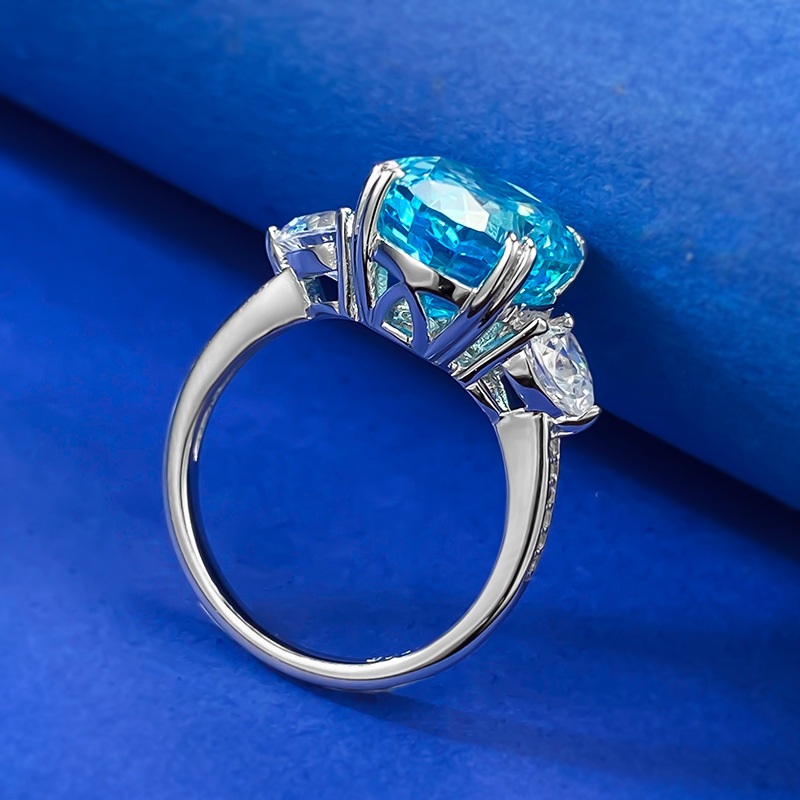
Six Prong Ring Setting Comparison: Which Setting Fits Your Diamond?
A six prong Ring Setting Comparison helps you decide how your diamond should sit, look, and hold up over time. The setting affects security, visibility, maintenance, and the way the ring feels on your hand.
For round brilliant diamonds, the choice usually comes down to six prongs versus four prongs. GIA notes that round brilliants use 57 or 58 facets, so the head you choose can change the overall look without changing the cut itself.
If you're shopping now, you can explore our engagement rings or build a ring with our ring builder to compare both styles on the same stone. That side-by-side view often answers more than photos do, especially when the ring is meant for a proposal, anniversary, or once-in-a-lifetime gift.
Six Prong Ring Setting Comparison: What Actually Changes
A six-prong setting uses six points of contact around the diamond. A four-prong setting uses four. The difference sounds small, but it changes the way the stone is framed, how exposed the edges feel, and how the ring reads from the top.
In a six prong Ring Setting Comparison, the real question is not whether one style is universally better. It is which one fits your priorities. Some buyers want the most open view of the stone. Others want a more wrapped, secure feel.
I've helped hundreds of couples compare these settings, and the decision often gets easier the second they see the setting on the exact diamond shape they want. A round brilliant tends to look especially balanced in six prongs, while a four-prong head can feel lighter and more open.
Honestly, I think six prongs are underrated by shoppers who worry they will hide the diamond. When the prongs are slim and well finished, they create a beautiful frame without making the stone feel covered up.
Six Prong Ring Setting Comparison: Security and Structure
Security is where six prongs usually pull ahead. Six contact points give the stone more wraparound support, and that extra coverage can feel reassuring for an everyday ring.
A simple way to think about it: six prongs give you 50% more contact points than four. That does not automatically make the ring better in every case, but it does spread the hold across more metal.
That difference matters most on larger stones. In my experience at StoneBridge, round diamonds around 1.25 carats and up often look especially steady in a six-prong head. For many shoppers, that visual balance is part of the appeal.
Why six prongs feel reassuring
- More points of contact around the girdle
- A fuller frame around the center stone
- A balanced look from the top view
- Extra peace of mind for daily wear
A six prong Ring Setting Comparison also has to account for workmanship. A well-made four-prong head can be very secure. A poorly finished six-prong head can still loosen if the prongs are thin, uneven, or poorly seated (trust me, I've seen it happen).
That is why the head construction matters as much as the count. Look for prongs that are even in height, cleanly tipped, and thick enough to protect the girdle without swallowing the diamond. If the prongs look sharp or spindly in photos, ask for a closer view Before You Buy.
Sparkle, Visibility, and Diamond Shape
If you want the most open view of the diamond, four prongs usually win. Less metal means more of the stone shows, especially around the edges.
Six prongs frame the diamond more, but they do not automatically reduce sparkle. Sparkle depends far more on cut quality than on prong count. A well-cut round brilliant will still throw plenty of light in a six-prong head.
Here's what nobody tells you: most people will not notice the prong count first. They will notice whether the diamond looks bright, balanced, and right on your hand. That is why proportion matters so much.
The clearest choice usually comes from the look you want first: a clean open face or a more classic frame.
Best fit by look
- Six prongs: classic, balanced, traditional
- Four prongs: minimal, airy, modern
A six prong ring setting comparison is especially useful for round stones because the shape and the setting work together so naturally. Other diamond shapes can be set with six prongs too, but the style feels most at home with a round center stone.
If you are comparing an oval, cushion, or pear shape, the prong layout may shift the visual balance more than you expect. In those cases, a jeweler may recommend a modified head with tab prongs or extra protection at the pointed end. That is one reason the same six-prong count can look very different from one shape to another.
Diamond Specs That Matter Before You Choose
The setting is only part of the purchase. If the diamond itself is weak in cut, the best head in the world will not make it look better. Before you settle on six or four prongs, check the stone's basic specs so you are comparing apples to apples.
Start with cut quality
For round brilliant diamonds, cut is the most important factor for brightness and fire. Look for GIA Excellent or a comparable top cut grade if you want reliable performance. A diamond with weaker cut proportions can look dull even in a six-prong ring, while a well-cut stone will still look lively with either setting.
Use color and clarity wisely
For many buyers, a sweet spot is around G to I color in white gold or platinum, or higher if you want a very icy look. In clarity, VS2 to SI1 often gives the best value if the diamond is eye-clean. That means you do not see distracting inclusions without magnification. If you are shopping lab grown, clarity and color can often be pushed a bit higher at a given budget, which makes setting choice more about style than cost.
Check measurements, not just carat weight
Two diamonds with the same carat weight can face up very differently. A well-proportioned 1.00 carat round may look similar in diameter to a slightly heavier stone with a deeper pavilion. When you compare six prong versus four prong settings, ask for the millimeter spread so the head fits the stone properly. A mismatched head can make the prongs look too cramped or too wide.
Ask for certification
Independent grading reports matter. GIA is the benchmark for natural diamonds, and IGI is common for lab grown stones. The certificate helps you verify cut, color, clarity, carat, polish, symmetry, and fluorescence. It also protects you from overpaying for a stone that looks better on paper than it does in person.
Fluorescence is worth checking too. Medium or strong fluorescence is not always a problem, but on some diamonds it can affect transparency or appearance in certain light. Ask to see whether it changes the stone's look before you commit.
Comfort, Snags, and Everyday Wear
Comfort depends more on craftsmanship than on prong count. Rounded, polished, low-profile prongs usually feel smooth on the hand. Bulky or uneven prongs can snag sleeves and feel awkward, no matter how many there are.
For active wearers, a six prong ring setting comparison often comes down to confidence. Some shoppers prefer the extra coverage when they garden, travel, work with their hands, or wear the ring all day.
Routine care matters here. A professional check every 6 to 12 months is a smart habit, especially if the ring gets bumped often or has been resized. It is a small appointment, but it can save a lot of heartache later.
Height matters too. A high cathedral head can create a more dramatic look, but it may catch on knitwear or gloves more easily. A lower profile sits closer to the finger and usually feels more practical for daily routines. If you know the wearer works at a desk, uses tools, lifts weights, or has young children, a lower profile with smooth shoulders is often the more comfortable choice.
Side-by-Side Comparison
Here is a direct six prong ring setting comparison against four prongs on the factors most buyers care about.
| Category | Six-Prong Setting | Four-Prong Setting | Edge |
|---|---|---|---|
| Security | More coverage and a more balanced hold | Secure when well made, but fewer contact points | Six-prong |
| Sparkle and visibility | Slightly more framed, still bright | Most open view of the diamond | Four-prong |
| Visual style | Classic and polished | Clean and modern | Depends on taste |
| Maintenance | Six prongs to inspect | Four prongs to inspect | Four-prong |
| Durability | Strong support and reassuring structure | Very durable when crafted well | Six-prong |
| Everyday comfort | Comfortable with low-profile prongs | Often feels lighter and streamlined | Four-prong |
| Best diamond match | Round brilliant, especially larger stones | Round brilliant and minimalist styles | Six-prong for classic rounds |
A few takeaways stand out in this six prong Ring Setting Comparison:
- Six prongs usually win on security and classic style.
- Four prongs usually win on openness and a lighter look.
- Sparkle differences are small if the diamond cut is excellent.
- The setter's skill matters as much as prong count.
Best Metal Choices for a Six-Prong Setting
The metal you choose changes the way the head wears over time. It also changes the color of the prongs against the diamond and the total cost of the ring.
Platinum
Platinum is a strong choice for six prongs because it is dense, durable, and naturally white. It is especially good if you want a secure feel and do not want to worry about rhodium plating. Platinum costs more than gold, but many buyers like the extra weight and long-term wear. For a diamond with very high color, platinum tends to keep the look crisp.
14k white gold
14k white gold is one of the most practical choices for engagement rings. It is harder than 18k gold, generally more affordable than platinum, and works well with six-prong heads. The tradeoff is maintenance: most White Gold Rings are rhodium plated, so the finish may need refreshing over time. For buyers who want value and a bright white look, it is a strong middle ground.
18k white gold
18k white gold has a richer gold content and a slightly warmer feel under the plating. It is softer than 14k, so the prongs may wear a bit faster with heavy daily use. Some buyers still prefer it for the color and luxury feel, especially when the ring is meant to be worn less aggressively.
Yellow gold and rose gold
Yellow gold and rose gold can look beautiful in a six-prong setting, especially if you want the prongs to blend into the metal rather than disappear. Yellow gold gives a traditional, warm look. Rose gold adds a softer color that some buyers find romantic. Both can be excellent if the wearer already prefers warm-toned jewelry. The main thing is to make sure the gold karat fits the lifestyle; 14k is usually more durable for daily wear than 18k.
Price-wise, the setting alone often falls into a broad range depending on metal, maker, and whether the head is stock or custom. A simple 14k solitaire mounting may start around a few hundred dollars, while platinum, hand-finished, or designer versions can run much higher. If the price seems unusually low, ask what is included: the center stone, the setting, finishing, sizing, and any warranty or service coverage.
Price Ranges and Value Questions Buyers Should Ask
Many shoppers focus on the prong count first, but the real budget decision is usually the full ring package. A six-prong head can add a small amount of metal and labor compared with a four-prong version, but the difference is usually modest next to the price of the diamond itself.
For example, a round diamond in a six-prong solitaire can vary dramatically in total cost based on carat, cut grade, color, clarity, and whether it is natural or lab grown. A well-cut Lab Grown Diamond may let you move up in size or quality while keeping the setting budget similar. A natural diamond may cost more for the same spread, which makes the mounting choice feel relatively small.
Useful questions to ask before buying:
- What is the cost of the setting versus the center stone?
- Is the head stock or custom made for this exact diamond size?
- Does the price include prong finishing, sizing, and polishing?
- Is the stone certified by GIA, IGI, or another recognized lab?
- Are there any upgrade, trade-in, or warranty options later?
If you are comparing budget levels, think in terms of value rather than just price. A slightly higher setting cost may be worth it if the six-prong head fits the diamond perfectly, sits lower on the hand, and uses a more durable metal.
Which Setting Fits Your Buying Style?
The better choice depends on how the ring will be worn and what you want to notice first when you look down at it. For a proposal ring, that feeling matters. This is the piece someone may glance at during a quiet morning coffee, a wedding toast, or a regular Tuesday that suddenly feels sweeter because the ring is there.
Choose six prongs if you want
- Extra peace of mind for daily wear
- A classic solitaire look with a round brilliant diamond
- A center stone that feels framed and steady
- A design that reads timeless rather than minimal
- A slightly fuller look on larger diamonds
Choose four prongs if you want
- The most open view of the center stone
- A cleaner, lighter profile on the hand
- A modern look with less visible metal
- A style that makes the diamond feel as uncovered as possible
- A simpler design that keeps attention on the stone
If you're still torn, compare both styles in our ring builder and browse matching engagement rings at the same time. Seeing the same diamond in both settings usually makes the answer obvious (yes, even on a budget).
For shoppers who want to pair the setting with the right center stone, our lab-grown diamonds page is a useful place to start. If you want a broader look at other pieces too, visit our jewelry collection.
Sizing, Care, and Shipping Details to Check
A ring can look perfect online and still disappoint if the sizing or service details are weak. Before you place an order, make sure the ring can be worn comfortably and supported after delivery.
Get the size right the first time
Finger size changes with temperature, humidity, and time of day, so a quick guess is risky. If possible, measure at the end of the day when fingers are usually a bit larger. A comfort-fit band may feel looser than a standard band, which matters if you are between sizes. If the ring is for a surprise proposal, use a borrowed ring only as a rough guide, because width and style change the fit.
Ask about resizing before you buy
Some rings can be resized easily. Others, especially those with pavé shoulders or intricate galleries, require more care. A six-prong solitaire is often simpler to resize than a heavily detailed ring, but you still want confirmation before checkout. Ask how many sizes the ring can safely move, whether the warranty stays intact, and whether resizing affects the finish or turnaround time.
Inspect the care instructions
Prongs should be checked regularly for wear, especially on rings worn every day. Clean the ring gently with warm water, mild soap, and a soft brush, then dry it with a lint-free cloth. Avoid harsh chemicals, chlorine, and abrasive cleaners. If the ring has a high-polish head, be extra careful with hard surfaces, because small knocks can bend prongs over time.
Review shipping and return policies
Before purchase, confirm whether shipping is insured, whether delivery requires a signature, and how the ring is packaged. A serious jewelry purchase should arrive with tracking, secure packaging, and a clear timeline. Return policies matter just as much. Look for a reasonable inspection window, clear conditions for returns or exchanges, and straightforward language about custom orders, resized pieces, or special-order diamonds.
If you are buying sight unseen, ask for videos in natural light, a copy of the grading report, and close-ups of the head from multiple angles. That is especially important for a six-prong ring setting comparison, because the prong spacing can look different in real life than it does in a cropped product photo.
Common Mistakes to Avoid
Buyers usually do not regret choosing six prongs or four prongs. They regret overlooking the details around them.
- Choosing prong count before checking diamond cut quality
- Buying without a grading report from a recognized lab
- Ignoring head height and ending up with a ring that catches on clothing
- Picking a setting that is too delicate for the wearer’s lifestyle
- Assuming all white gold is maintenance-free
- Forgetting to ask whether the setting is built for the exact stone dimensions
- Not confirming resizing, shipping, return, and warranty terms before checkout
Another common mistake is focusing only on carat weight. A smaller, well-cut round diamond in a six-prong head can look more impressive than a larger stone with poor proportions. The setting should support the diamond's best qualities, not compensate for weak ones.
Expert Recommendation
For most round solitaire buyers, the six-prong setting is the stronger all-around choice when security and classic presentation matter most. It gives the diamond a well-framed look and a reassuring hold without hiding the stone.
From a jeweler's point of view, the biggest issue is not prong count alone. It is how well the head is made and how often it gets checked. GIA guidance supports routine care, and regular inspection is the habit that keeps a good setting working well.
A practical schedule is every 6 to 12 months. That gives a jeweler time to check prong wear, tighten the head if needed, and catch trouble before a stone loosens.
We've found that buyers with active routines often prefer six prongs for the extra peace of mind. Buyers who love a cleaner, more open look still tend to choose four prongs.
The best choice comes down to the feel you want on your hand. If you want the safer, more classic look, six prongs usually get the nod. If you want the most open face and least visible metal, four prongs may fit you better.
FAQ About Six Prong Ring Setting Comparison
Is a six-prong ring setting more secure than a four-prong setting for a round diamond?
Usually, yes. A six-prong head gives the stone more wraparound support, and many buyers like that on a round brilliant. The real security still depends on prong thickness, alignment, and routine service. A well-made four-prong ring can still be dependable if it is checked on schedule.
Will six prongs hide too much of my diamond?
Not if the prongs are slim and well finished. Six prongs frame the stone more than four prongs, but they should not bury the diamond. If you want the most open look, compare both settings side by side before you choose. That makes the difference much easier to see.
What diamond shape looks best in a six-prong setting?
Round brilliant diamonds are the natural match. The shape and the prong layout feel balanced together, which is why this setting is so common in solitaire engagement rings. We've found that larger round stones often look especially polished in six prongs. Other shapes can work too, but they need careful planning.
Is a six-prong engagement ring practical for daily wear?
Yes, it can be a very solid daily-wear choice. Six prongs can feel reassuring if you wear the ring often or use your hands a lot during the day. A smooth, low-profile head matters just as much as the prong count. Keep up with checks every 6 to 12 months, and you'll catch wear early.
How often should a jeweler inspect a six-prong setting?
A good rule is every 6 to 12 months. If the ring gets knocked around often, has been resized, or feels snaggy, book a check sooner. A jeweler can spot thinning prongs, loose stone movement, and uneven wear before they turn into a bigger repair. That small habit goes a long way.
Which metal is best for a six-prong ring setting?
Platinum is the most durable premium option, especially if you want a naturally white metal with less maintenance. 14k white gold is the practical value pick for many buyers. Yellow gold and rose gold work well if you want warmth or a stronger contrast around the diamond. The best metal depends on the wearer's style, skin tone, lifestyle, and budget.
How much should I expect to pay for the setting itself?
It varies by metal, craftsmanship, and whether the setting is stock or custom. A simple solitaire setting may cost a few hundred dollars, while platinum or designer versions can cost more. The diamond usually drives the biggest part of the total price, so compare the complete ring rather than just the head.
Do I need a GIA or IGI certificate?
If you want confidence in the diamond's grading, yes, a recognized lab report is important. GIA is the standard many buyers expect for natural diamonds, while IGI is widely used for Lab Grown Diamonds. The certificate helps verify the specs and makes comparisons much easier.
Shop the Right Setting
If this six prong ring setting comparison points you toward the classic option, start by exploring our engagement rings and testing six-prong solitaire styles in our ring builder. You can also pair the setting with a center stone from our diamond selection.
If you want help choosing the right metal, head, or diamond size, contact our jewelry experts. We'll help you compare the details and find the setting that feels right in real life, not just on screen.
Ready to Find Your Perfect Diamond?
Explore our collection of certified lab-grown diamonds
Shop Diamonds