A Safe Travel Jewelry case needs to do more than keep pieces in one place. It should separate metal surfaces, cushion delicate settings, cut down on chain tangles, limit moisture exposure, and stay compact enough for a carry-on or personal item. Hard-shell zip cases and locking organizers both help, but they suit different travelers and different collections.
Quick answer: a compact hard-shell case is the best fit for most trips because it is easy to keep close, easy to pack, and protective enough for a small fine-jewelry rotation. A locking organizer makes more sense if you are carrying heirlooms, diamond jewelry, or several event looks at once.
What Makes a Safe Travel Jewelry Case Worth Buying
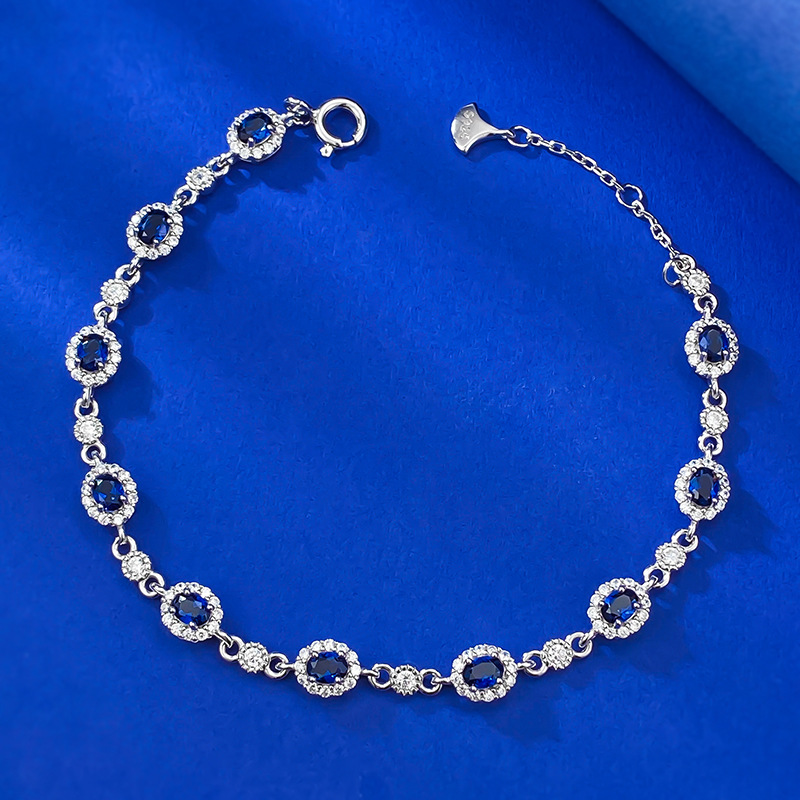
A safe travel jewelry case earns space in your bag only if it prevents real damage and keeps valuables under your control. The best models stop rings from rubbing against bracelets, keep earring backs from drifting loose, hold chains apart, and close tightly enough that nothing spills in transit. GIA jewelry-care guidance also favors soft linings and separate storage because abrasion is one of the most common causes of avoidable wear.
A practical case should be judged on six things:
- Security: does it stay shut, resist casual opening, and keep items from spilling?
- Organization: are rings, earrings, necklaces, and bracelets actually separated?
- Carry-on fit: will it slide into a handbag, tote, backpack, or personal item without becoming a burden?
- Durability: will the shell, zipper, hinge, latch, or lock hold up after repeated trips?
- Capacity: can it hold your real travel lineup without overstuffing?
- Price: do the materials and features justify the cost?
Insurance advice points in the same direction. Valuable jewelry is safest in cabin luggage with the owner, supported by receipts, appraisals, or photos. Checked baggage adds avoidable loss and theft risk, so the case you choose should fit comfortably in something you can keep within reach from airport to hotel.
What "Safe" Should Mean for Fine Jewelry on the Go
For travel, "safe" means fewer scratches, fewer tangles, fewer missing backs, and far fewer chances of a ring or pendant getting crushed under heavier items. A pretty pouch can still fail if one chain knots around another or an earring post bends before you land.
The main risks are predictable:
- Crushed settings from pressure inside a crowded bag.
- Tangled chains that kink or take too long to undo.
- Missing earrings or backs that slip into open corners.
- Tarnish from humidity, sweat, or damp hotel rooms.
- Opportunistic theft when a bag is left unattended.
Soft lining, compartment separation, and a closure that stays shut matter more than decorative fabric or a luxury label. The best case makes careful packing almost automatic.
How This Comparison Judges Each Option
Both styles below are measured against the same standards so the tradeoffs stay clear. The focus is on what affects real travel use, not on shelf appeal.
- Dimensions and weight.
- Shell material and padding density.
- Closure type, including zipper quality or lock design.
- Number of compartments, hooks, slots, and pockets.
- Carry-on convenience in a handbag, tote, or backpack.
- Price band, warranty coverage, and review consensus.
For higher-value pieces, shell rigidity and lock design matter, but access matters too. A travel organizer only helps if it is easy enough to keep with you from departure to arrival.
Option A: Hard-Shell Zip Jewelry Case
The hard-shell zip style is the first option most shoppers should consider. It is usually compact, clamshell-shaped, and built for quick packing. Inside, you will often find ring rolls, earring panels, necklace hooks, and a flat compartment or pocket for bracelets and pendants. Outside, the case relies on a molded shell, a sturdy zipper, and enough padding to keep the interior from collapsing under normal carry-on pressure.
That setup works well for short trips, business travel, and everyday carry because the case disappears into a tote, backpack, or handbag. Review patterns for this format are usually strongest around scratch protection, tidy organization, and portability.
Standout Features of a Hard-Shell Zip Case
A good hard-shell case works because every item has a defined place. Necklace hooks stop chains from nesting together. Ring rolls keep settings upright. Padded dividers reduce metal-on-metal contact. Earring panels keep pairs together, which cuts down on lost backs and mixed-up studs.
The better versions also use anti-tarnish lining or a soft suede-like interior. That does not make jewelry immune to wear, but it reduces friction and keeps polished surfaces cleaner between trips. Size matters too. Cases in the 4 to 6 inch range are much easier to stash in a personal item than larger boxes that sink to the bottom of luggage.
For travelers who want reliable protection without bulk, this format hits the sweet spot.
Pros and Cons of Option A
Pros
- Lightweight and easy to pack.
- Usually more affordable than a locking organizer.
- Strong at preventing surface scratches and tangles.
- Fast access inside a carry-on or handbag.
- Well suited to a small fine-jewelry rotation.
Cons
- Limited capacity.
- Minimal theft deterrence.
- Less flexible for oversized statement pieces.
- Not ideal if you are carrying several coordinated looks.
Best use: weekend trips, business travel, and daily carry for a few rings, studs, a bracelet, and one or two necklaces. If you want a case that stays close without taking over your bag, this is usually the better buy.
Option B: Locking Travel Jewelry Organizer
A locking organizer is built for travelers carrying more value, more pieces, or both. It usually has a reinforced shell, a more rigid frame, and a closure that can be keyed, latched, or paired with a small lock point. Many versions also include deeper trays, denser padding, and more separation between compartments.
You get more structure and more capacity, but you also carry more bulk. That tradeoff makes sense for destination events, longer itineraries, and collections that include heirlooms or several diamond pieces.
Standout Features of a Locking Organizer
The main advantage here is layered protection. Reinforced walls handle pressure better than lighter zip cases. A lock slows casual access. Deeper trays give larger earrings, bracelets, and multiple chains room to sit without being stacked into one crowded layer. Some models also use water-resistant or abrasion-resistant exteriors, which help during rough handling or rainy transfers.
Hidden pockets can hold receipts, appraisal paperwork, or extra earring backs. Dense padding keeps stones and settings from shifting around inside the case. The lock still needs to be viewed realistically. It adds friction, not invincibility, and it works best when the organizer stays in your carry-on rather than out of sight.
Pros and Cons of Option B
Pros
- Stronger overall protection.
- Better deterrence against casual access.
- More room for heirlooms or event jewelry.
- Better separation for delicate pieces.
- Useful for longer or multi-stop trips.
Cons
- Heavier and bulkier.
- More expensive.
- Less convenient for minimalist packers.
- Often unnecessary for a small jewelry rotation.
Best use: destination weddings, formal events, luxury trips, and travel where you need several coordinated looks. If the collection inside would be painful or expensive to replace, the added structure can justify the extra space.
Hard-Shell vs Locking Organizer Comparison
The safest case is not automatically the largest or most expensive one. The right choice depends on how much jewelry you are packing, how often you need access, and whether the case can stay in your carry-on from start to finish.
| Criteria | Hard-Shell Zip Case | Locking Organizer |
|---|---|---|
| Typical size | About 4.5 to 6.5 inches wide | About 6 to 10 inches wide |
| Typical weight | Roughly 4 to 10 ounces | Roughly 12 to 28 ounces |
| Capacity | 3 to 8 pieces | 8 to 20 pieces |
| Closure type | Zipper | Lock, latch, or lockable zipper |
| Shell material | Molded shell, PU exterior, or coated fabric | Reinforced shell, composite, or hard-case build |
| Interior lining | Soft velvet, suede-like, or anti-tarnish lining | Padded lining with deeper trays |
| Scratch protection | Strong | Strong |
| Crush resistance | Good for carry-on use | Better for impact and pressure |
| Water resistance | Moderate | Better, depending on the model |
| Theft deterrence | Basic | Better |
| Carry-on fit | Excellent | Good to fair |
| Price band | About $20 to $60 | About $70 to $250+ |
| Warranty | Often limited or none | More likely to include a warranty |
| Review consensus | Praised for portability | Praised for security and capacity |
The pattern is clear. Hard-shell zip cases win on portability, speed, and everyday practicality. Locking organizers win on capacity, crush resistance, and another layer of access control.
What to Compare Before You Buy
If you are comparing a safe travel jewelry case, focus on how it performs in real packing conditions rather than how polished it looks online.
- Carry-on fit and packing footprint.
- Ease of access during transit.
- Ring slots, necklace hooks, earring storage, and bracelet room.
- Shell rigidity and padding depth.
- Lock strength or zipper quality.
- Moisture resistance and anti-tarnish lining.
- Price band, warranty, and review patterns.
A case can look secure on a dresser and still be a poor travel choice if it is too bulky to stay with you. Portability is part of safety, not a separate convenience feature.
Which Case Fits Your Trip and Jewelry Collection?
Trip type matters almost as much as jewelry value. A case for a two-day work trip does not need the same layout as one packed for a destination wedding. Think about how often you will open it, where it will sit during transit, and how much weight you are willing to carry.
Smaller is often safer for a few everyday pieces because a compact case is easier to keep on your person. Larger is better when the collection needs deeper trays, more padding, and more separation. Irreplaceable jewelry deserves a second question before any purchase: does it really need to travel at all?
If you are transporting pieces with high sentimental or replacement value, make sure your documentation and insurance are current before the trip starts. A well-made case helps a lot, but it does not cancel avoidable risk.
Best for Weekend Trips, Carry-Ons, and Daily Fine Jewelry
For short trips and a small rotation, Option A is usually the smarter choice. It gives you enough organization for a few essentials without forcing you to carry a bulky box. The slim profile matters because a case that fits naturally into your tote, backpack, or personal item is more likely to stay with you all day.
This is the better pick for travelers who value convenience and control. A compact case is easier to monitor, harder to forget, and far less likely to be parked in checked luggage by mistake.
Best for Destination Events, Heirlooms, and Higher-Value Pieces
For destination weddings, formal events, or luxury travel, Option B makes more sense. If you are packing an engagement ring, heirloom earrings, or several coordinated sets with diamonds, the added structure is worth the space. Deeper trays and stronger walls help during airport transfers, rideshares, and hotel changes.
This is also the better choice if you need to organize jewelry by outfit. More compartments mean less rummaging before an event and less chance of damaging a delicate setting while you search.
Best Overall Pick for Most Travelers
For most travelers, the best overall safe travel jewelry case is a compact hard-shell zip case. It balances protection, packing efficiency, price, and day-to-day usability better than the larger locking format.
Most travel damage comes from scratches, tangles, pressure, and rushed packing, not from highly sophisticated theft attempts. A case that stays in your handbag or carry-on solves those everyday problems better than a bigger organizer that gets left in luggage or on a hotel shelf.
Why One Option Wins for Most Travelers
The winning format is the one people are most likely to use correctly. A compact case gets packed, carried, opened, and zipped shut without much friction. That matters more than an impressive feature list that becomes inconvenient halfway through the trip.
The best feature mix is simple: rigid enough to protect, soft enough inside to prevent abrasion, small enough to stay close, and affordable enough that you actually buy one before your next flight.
When the Runner-Up Is the Better Buy
The locking organizer becomes the better purchase when you are carrying expensive diamonds, heirlooms, or a larger event rotation. Extra padding, stronger walls, and a lock all add value when the jewelry itself justifies the upgrade.
Treat the lock as one layer in a broader protection plan that also includes carry-on storage, insurance coverage, and photo documentation. That approach gives the organizer real usefulness instead of false confidence.
Frequently Asked Questions About Safe Travel Jewelry Cases
What is the safest travel jewelry case for flying with diamonds or fine jewelry?
For most travelers, the safest setup is a structured case kept in a carry-on or personal item. A compact hard-shell option gives excellent scratch protection, decent crush resistance, and easy portability. If you are carrying several high-value pieces at once, a locking organizer adds another barrier against casual access.
Can I put a jewelry case in checked luggage?
You can, but it is a poor choice for valuable jewelry. Fine jewelry should stay in your carry-on or personal item whenever possible so you keep control of it. That is the direction most insurance guidance supports as well.
Are hard-shell travel jewelry cases better than soft pouches?
Yes, for most travelers. A hard-shell case usually offers better crush resistance, better scratch protection, and better organization than a soft pouch. Pouches are lighter and cheaper, but they work best for low-value pieces or very minimal packing.
How do I keep necklaces from tangling in a travel jewelry case?
Use necklace hooks, chain separators, and elastic pockets, and avoid stuffing more than one chain into the same open compartment. Cases work best when each necklace has room to lie flat.
Do I need a locking travel jewelry case if I already use a hotel safe?
A hotel safe helps at the destination, but it does not protect jewelry during airport transit, rideshares, or room changes. A locking organizer is a useful extra layer for higher-value pieces, but it does not replace carry-on storage, careful handling, or insurance coverage.
Shop the Right Safe Travel Jewelry Case for Your Next Trip
Start with a compact hard-shell case if you want the best balance of protection and portability. Step up to a locking organizer if you are packing heirlooms, several event pieces, or a higher-value diamond collection.
- Browse our jewelry collection for travel-ready pieces that are easier to pack securely.
- Explore our engagement rings if you are planning destination travel or an event weekend.
- Shop our lab-grown diamonds if you are choosing a piece that deserves careful in-cabin storage.
- Contact our jewelry experts for help matching a case to your jewelry value and trip type.
The right safe travel jewelry case should make travel simpler, not heavier. Pack fewer pieces, keep them with you in the cabin, and choose a format you will actually use on every trip.