A Safe Travel Jewelry Case keeps rings, chains, and earrings from rubbing together when your bag gets tossed, stacked, or rushed through security. Travel is rough on small valuables. SITA's 2023 baggage report put mishandled bags at 5.3 per 1,000 passengers, and the TSA screened more than 858 million travelers that same year. A little structure goes a long way when jewelry is on the move.
Most travelers do not need a large organizer. They need a case that stays shut, keeps pieces separated, and fits in a carry-on without forcing bad packing choices. A compact case with the right layout usually protects better than a loose pouch, even when both take up about the same space.
A travel case is not a vault. It helps prevent scratches, tangles, and pressure damage, but it cannot prevent loss if a checked bag disappears. For fine jewelry, the safest place is still in your carry-on or personal item.
What a Safe Travel Jewelry Case Should Actually Do
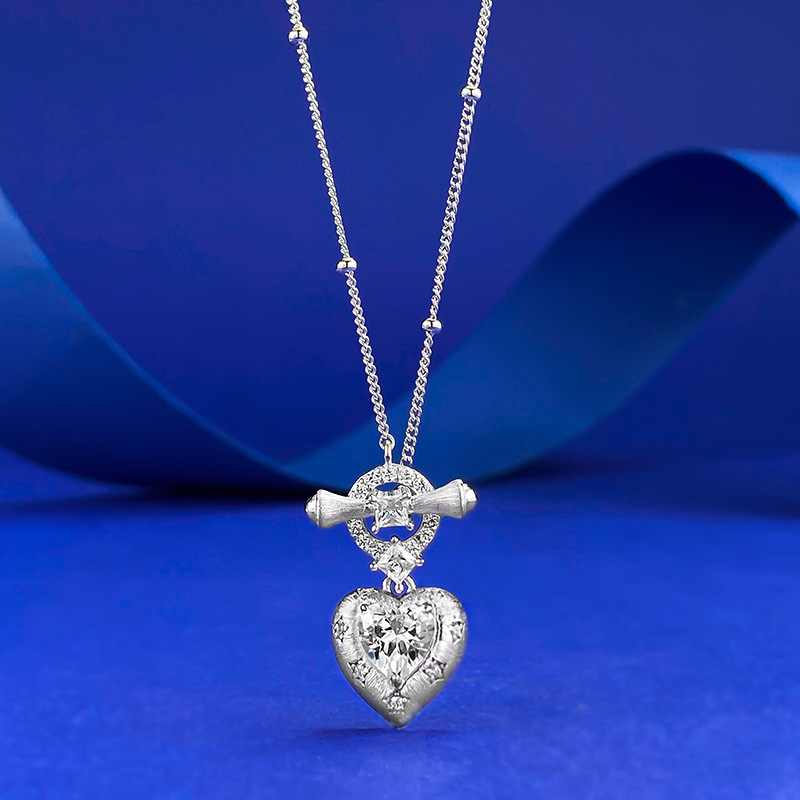
A good safe travel jewelry case should control movement first. It should also protect against pressure, scratches, and small impacts. If a case cannot keep a necklace from sliding into a ring, it is just a prettier pouch.
- Choose a closure that stays closed inside a crowded bag.
- Choose an interior that separates rings, earrings, chains, and bracelets.
- Choose a soft lining that will not scuff polished metal or stones.
Material matters too. A hard shell gives better crush resistance, while a soft shell gives you more flexibility. Silver benefits from an anti-tarnish lining. Diamonds and polished gold benefit most from a snug interior that keeps pieces from knocking together. If you travel with a lot of mixed metals, look for divided compartments so yellow gold, white gold, rose gold, and sterling silver do not rub against one another and leave marks.
The right interior also depends on the jewelry itself. A flat wedding band is easy to store; a ring with a tall center stone needs more depth. A tiny pair of studs needs less security than a long chain with a delicate clasp. Buying the case to match the jewelry you actually carry is the difference between organized packing and a drawer full of tangles.
Security and Closure Details
A smooth zipper with clean corners is usually the safest closure for travel. Snaps and magnetic flaps can work for lighter loads, but they are easier to pop open when a bag gets squeezed. If the case opens with very little pressure, skip it.
For higher-value pieces, look for a zipper that runs all the way around the case without a weak corner gap. If the case includes a handle, make sure the handle is stitched or anchored firmly enough to carry the weight of a full organizer without twisting the body. A good zipper matters more than a decorative clasp because it keeps the case closed when the bag is compressed in an overhead bin or under a seat.
Interior Layout That Prevents Damage
Ring rolls, earring panels, necklace hooks, and small zip pockets each solve a different problem. The best safe travel jewelry case gives every piece its own place, so you are not untangling chains on a hotel nightstand or fishing for a loose stud at the bottom of the case.
Deep ring slots are better than shallow slits when the jewelry has wider bands or larger settings. Hook-and-tab necklace storage works well for chains under 18 inches; longer chains need enough vertical clearance so the clasp and pendant do not pile up at the bottom. If you wear hoop earrings, make sure the storage panel can handle thicker posts or larger latch backs without forcing them at an angle.
Hard Shell vs Soft Roll: Which Style Fits Your Trip?
The choice usually comes down to how much protection you need and how tightly you pack. A hard-shell safe travel jewelry case gives better crush resistance and clearer separation. A soft roll packs flatter and weighs less.
Hard Shell Case
A hard-shell safe travel jewelry case works best for valuable or delicate pieces, especially if you pack several at once. It helps shield prongs, pavé settings, and polished surfaces from pressure. That makes it a strong choice for engagement rings, tennis bracelets, diamond studs, and heirloom jewelry.
The tradeoff is bulk. A structured case takes more room in a tote or carry-on than a slim roll. For flights, destination weddings, longer trips, or any trip built around fine jewelry, the added protection is usually worth the space.
Hard shells vary. EVA shells are light and reasonably firm, while molded or reinforced shells are better when you expect the case to be packed tightly. If the product description says “semi-rigid,” check whether the shell is just padded fabric or a real impact-resistant frame. The better cases keep their shape even when they sit beneath a laptop sleeve or cosmetic bag.
Soft Roll or Pouch
A soft travel jewelry organizer is easier to flatten into an already packed bag. It suits weekend trips, light packers, and lower-value pieces. The better versions still offer slots for studs and tabs for thin chains, though they give you less protection if luggage gets squeezed under a seat or into an overhead bin.
Soft rolls are reasonable for costume jewelry, a backup set, or a short trip with only a few pieces. If you are bringing a ring with a raised setting or a necklace you would hate to replace, a hard-shell safe travel jewelry case is the safer call.
Soft organizers can also be useful when you travel with jewelry sold in softer metals such as 18k gold, which scratches more easily than 14k gold because it is softer. That said, a soft roll should still have enough padding that the jewelry does not press directly against the outside fabric or the zipper teeth.
How to Pick a Safe Travel Jewelry Case by Jewelry Type
Different pieces need different support. A safe travel jewelry case should match the jewelry you actually wear, not the fantasy packing list in the product photo.
Rings
Rings do best in padded rolls or snug slots. Loose storage lets bands rub together and can scratch polished finishes. For diamond rings or wedding bands, choose firm separation so the settings do not touch.
If you travel with an engagement ring, the setting matters. Prong settings show off more of the center stone and often sit higher, which makes them more vulnerable to snagging and pressure. Bezel settings wrap the stone more fully and are usually more travel-friendly because they lower the risk of catching on fabric or banging against another piece. Halo and pavé settings add sparkle, but the small stones and extra edges benefit from a case with firmer padding.
For diamonds, the 4Cs still matter when you buy the ring, even if they are not about the case itself. A round brilliant with excellent cut tends to be the most forgiving choice for sparkle, while step cuts such as emerald cuts can show inclusions more readily and may need a little extra care if you inspect them often. If you are packing a stone with a GIA or IGI report, keep the ring and paperwork together only if the paperwork stays flat and dry; otherwise, store the report separately so it does not bend.
Necklaces
Necklaces need the most planning. Hooks, snap tabs, or short loops help keep chains straight, and a lower pocket catches the extra length. Without that setup, even a short chain can knot fast.
Delicate chains under 1 mm thick tangle more easily than heavier chains, especially if they have a fine spring ring clasp. If you travel with a pendant necklace, clasp it before you place it in the case so the pendant cannot swing free. For longer chains, a compartment that lets the chain lie mostly flat is better than a narrow tube or a pocket that compresses everything into a ball.
Earrings and Bracelets
Earring cards or panels keep pairs together, and padded sections stop posts from bending. Bracelets are less fussy, but heavier pieces still benefit from a section that limits sliding. If you pack studs, hoops, and a bracelet together, the interior layout matters more than the outer look.
For diamond studs, screw backs or locking backs are easier to secure in a travel case because they are less likely to fall off during handling. For larger hoops, choose a panel that keeps the pair from overlapping. For bangles or tennis bracelets, a slim lined section is usually enough, but articulated pieces with many links should have enough room not to press into a zipper or hard corner.
What Jewelry Specs Mean for Travel
Many buyers think only about the case, but the jewelry itself affects how much protection you need. If you are comparing what to pack, these material and stone choices matter.
14k gold is harder and generally holds up better to travel than 18k gold, which has a richer color but is softer and easier to scuff. Platinum is durable and excellent for daily wear, but it can develop a patina and show surface scratches more readily. Sterling silver is attractive and affordable, though it tarnishes faster and benefits from anti-tarnish storage. If you travel often, the best metal is not just the most expensive one; it is the one that balances beauty, durability, and maintenance.
Diamond buyers should pay attention to certification. GIA and IGI are the most recognized reports for lab-grown and mined stones. A travel case will not affect the diamond grade, but if you are carrying a loose stone or a recently purchased ring, the report should be stored flat in a separate document sleeve. For many buyers, a stone in the 1.00 to 2.00 carat range is large enough to notice but still practical for travel when set in a lower-profile mounting. Larger center stones above 2.00 carats deserve especially careful packing because they can create more leverage on the setting when the bag shifts.
If you are buying jewelry specifically for travel, look for lower-profile settings, sturdier prongs, and a finish that is less likely to show wear quickly. A bezel or semi-bezel setting is more travel-friendly than an open cathedral-style setting. A high cathedral setting may be visually appealing, but it is more likely to snag on a zipper pull, scarf, or pocket lining when you unpack in a hurry.
Travel Scenarios Where Structure Pays Off
A safe travel jewelry case helps anyone who wants to unpack without surprises.
For weekend trips, a compact soft roll can be enough if you are carrying a couple of easy pieces. For business travel, a hard-shell case makes packing faster and reduces the chance of waking up to tangled chains. Weddings, honeymoons, anniversaries, and formal events call for more structure because the jewelry usually matters both financially and emotionally.
Keep valuable jewelry in your carry-on whenever possible. A case protects against scratches and bumps, but it cannot protect a bag that never arrives.
If you are traveling for a destination wedding or a proposal, consider the total value of what you are carrying. A ring with a certified center diamond, matching band, and a pair of diamond studs can quickly reach several thousand dollars in total replacement cost even if each item looks compact. That is one reason a small, well-built case is worth more than a larger but flimsy organizer.
How We Judge Quality Before Buying
The details that matter usually show up on the third or fourth trip, not the first unboxing. Zipper wear, loose stitching, stretched ring rolls, and flimsy hooks tell you quickly whether a case was built for real travel or just shelf appeal.
Use a few simple Checks Before You buy:
- Press on the shell to see whether it collapses too easily.
- Open and close the zipper several times to check for snagging.
- Inspect stitching around hooks, pockets, and ring rolls.
- Make sure compartments are deep enough to hold pieces without spilling when the case is turned.
GIA's diamond care guidance is clear on one point: reduce impact and abrasion whenever you can. That advice fits travel perfectly. A well-built safe travel jewelry case gives stones and settings a quieter ride.
Also check the lining material. Velvet, suede-like microfiber, and soft brushed fabrics are all common, but the best option is the one that resists shedding and does not grab at clasps. A cheap lining that pills quickly can leave fibers on polished metal and makes the case look worn long before the shell fails.
Price Ranges and What You Get
Price is a useful shorthand for construction quality, but it is not a guarantee. A cheap case can be decent, and an expensive case can still be badly organized. Still, the price range usually tells you what level of materials to expect.
| Price Range | Typical Build | Best Use | Watch For |
|---|---|---|---|
| Under $25 | Light soft roll or basic pouch | Costume jewelry, short trips, backups | Thin zippers, weak stitching, limited structure |
| $25 to $60 | Better soft organizers and entry hard shells | Occasional travel, mixed jewelry loads | Compartment size and lining quality |
| $60 to $150 | Well-structured hard-shell cases with better interiors | Fine jewelry, frequent travel, gifts | Overbuilt designs that waste space |
| $150 and up | Premium materials, stronger shells, finer finishing | Heirlooms, high-value jewelry, frequent flyers | Paying for branding more than function |
For most buyers, the middle range offers the best value. You usually get a better zipper, more consistent stitching, and a case that holds its shape without becoming heavy. If you are protecting a ring with a certified diamond or a set of pieces you wear daily, it is reasonable to spend more for a case that will last through repeated trips.
Shipping, Returns, and Warranty Checks
Shipping matters more than many shoppers expect because the case can arrive damaged before it ever sees your luggage. A crushed shell, bent zipper track, or warped insert can make a new case useless. If you order online, check whether the seller packs the case inside a shipping box rather than a thin mailer. For structured cases, a small dent can change how the lid closes.
Before You Buy, read the return policy carefully. A good return window gives you time to test the case with your own jewelry. That matters because product photos rarely show whether the ring slots are too shallow for a thicker band or whether a necklace compartment is too short for your chain length. If the store charges restocking fees, factor that into the real cost. For higher-priced cases, a warranty against broken zippers or failed stitching is worth more than a pretty finish.
When you receive the case, test it right away. Put in your heaviest ring, your longest chain, and the pair of earrings that are hardest to store. If the case struggles with those pieces, do not wait until the trip to discover the problem. For travelers who buy jewelry and a case together, keep the invoice and any certification paperwork separate from the packed jewelry so returns or exchanges are easier if the piece or case does not fit the plan.
Common Mistakes Travelers Make
Most jewelry travel problems are preventable. The mistakes are predictable, and they usually come from packing too quickly.
- Using a pouch for a ring with a raised setting.
- Packing multiple necklaces together without clipping or separating them.
- Overstuffing the case so the zipper presses directly against the jewelry.
- Leaving earrings loose instead of pairing them on a card or panel.
- Storing fine jewelry in checked luggage.
- Choosing a case by color or style before checking the layout.
Another common mistake is assuming that all jewelry needs the same level of protection. A plain gold hoop is not the same as a pavé ring, and a sterling silver chain is not the same as a diamond pendant. The more delicate or expensive the piece, the more the case should favor separation and padding over compactness.
Travelers also forget to match the case to the destination. A beach trip creates a different threat profile than a business conference. Sand, humidity, lotion, and sunscreen can all leave residue on metals and stones. If you know you will be near saltwater or a pool, wipe pieces down before storing them so the case does not trap moisture or grit against the metal.
Care and Cleaning After the Trip
A safe travel jewelry case protects jewelry better when it stays clean itself. After a trip, empty the case and shake out dust or grit. Wipe the lining with a dry microfiber cloth if the interior collected lotion, makeup, or loose fibers. Do not soak a structured case unless the manufacturer specifically allows it. Water can warp inserts, loosen glue, or leave the shell misshapen.
Clean the jewelry before you store it long term. Gold and platinum can usually be wiped with a soft cloth. Sterling silver may benefit from a polishing cloth or anti-tarnish storage. Diamonds can be cleaned with mild soap and warm water if the setting is secure, but dry the piece completely before returning it to the case. Moisture trapped in a closed organizer can dull the finish and accelerate tarnish on silver.
If you travel often, inspect the case after each trip. Frayed fabric, bent hooks, or a zipper that starts catching are warning signs. Replacing a case early is cheaper than repairing scratched jewelry or buying a second organizer because the first one failed mid-trip.
Side-by-Side Comparison
| Style | Protection | Size | Weight | Best For | Main Tradeoff |
|---|---|---|---|---|---|
| Hard-shell safe travel jewelry case | High | Compact to medium | Moderate | Fine jewelry, diamonds, weddings, longer trips | More bulk |
| Soft roll or pouch | Medium | Very compact | Light | Weekend trips, fashion jewelry, light packing | Less crush protection |
For most travelers, a compact hard-shell case covers the widest range of needs. A soft roll still makes sense when space is tight and the jewelry is easy to replace.
Practical Buying Tips
Start with the pieces you actually travel with. A case that holds six necklaces is wasted space if you usually pack one ring, two pairs of earrings, and a chain. The better choice is the smallest safe travel jewelry case that still gives each item a separate place.
Check the lining for softness, the zipper for smooth movement, and the compartments for realistic spacing. Too much empty room can be as frustrating as too little because pieces shift around, and shifting leads to tangles.
A simple rule helps: if the jewelry would be expensive, sentimental, or annoying to repair, put it in a hard-shell case. If it is easy to replace, a soft organizer may be enough.
Look at how the case handles the specific shapes you own. Thin stacking bands store differently from a wide anniversary ring. A tennis necklace needs a different pocket shape than a curb chain. If a case only works when you pack very light, it is not versatile enough for regular travel.
For shoppers building a full travel set, start with our jewelry collection and lab-grown diamonds. If you are planning a ring purchase for frequent wear, our engagement rings and ring builder can help you choose a piece that fits your routine.
Best Safe Travel Jewelry Case for Most Buyers
The best safe travel jewelry case for most buyers is a compact hard-shell design with ring rolls, earring storage, one or two necklace hooks, a covered pocket, a soft lining, and a full zipper. That setup gives you the best mix of protection, organization, and ease of use without turning into a bulky organizer.
A soft roll still has a place for light packers and low-risk pieces. For diamonds, heirlooms, or a daily wedding set, the structured case is the smarter buy.
The goal is simple: pack once, unpack without knots, and wear your jewelry without thinking about scratches or repairs.
If you are choosing between two cases that seem similar, pick the one with better compartment depth, a more reliable zipper, and enough room for your largest piece without forcing it. The case should protect the jewelry you own now, not the smaller jewelry you wish you carried.
Frequently Asked Questions
Is a hard-shell safe travel jewelry case better than a soft roll?
For fine jewelry, yes. A hard shell protects against pressure, keeps pieces better separated, and lowers the chance of bent posts, scratched metal, or tangled chains. A soft roll works best for short trips and lower-value pieces.
Can I put jewelry in checked luggage?
It is safer to keep valuable jewelry in your carry-on or personal item. A travel case can prevent damage inside a bag, but it cannot prevent loss if checked luggage is delayed, mishandled, or missing.
Do I need a locking travel jewelry case?
Not usually. Small built-in locks add less protection than most people expect. A sturdy shell, a full zipper, separated compartments, and keeping the case with you do more for real-world safety.
What size travel jewelry case should I buy?
Buy the smallest case that still gives each piece its own compartment. Extra room sounds useful, but empty space lets jewelry slide around and increases the chance of tangles or scratches.
Should I travel with original boxes or jewelry certificates?
Usually no for the boxes, yes for the paperwork if you need it. Original ring boxes are bulky and do not protect jewelry as well as a purpose-built case. Diamond reports from GIA or IGI can be useful, but keep them flat and separate from the jewelry so they do not bend or pick up moisture.
How do I pack a ring with a large center stone?
Use a compartment with enough height that the stone does not press into the lid. A bezel setting or lower-profile prong setting is easier to travel with than a tall cathedral setting. If the ring is very valuable, keep the case in your personal item and avoid stacking anything heavy on top of it.
What is the best metal for travel jewelry?
For many buyers, 14k gold is the most practical balance of durability and appearance. Platinum is strong and long-lasting, but it shows surface marks. Sterling silver is affordable but needs more tarnish care. The best choice depends on how often you wear the piece and how much maintenance you want to do after each trip.