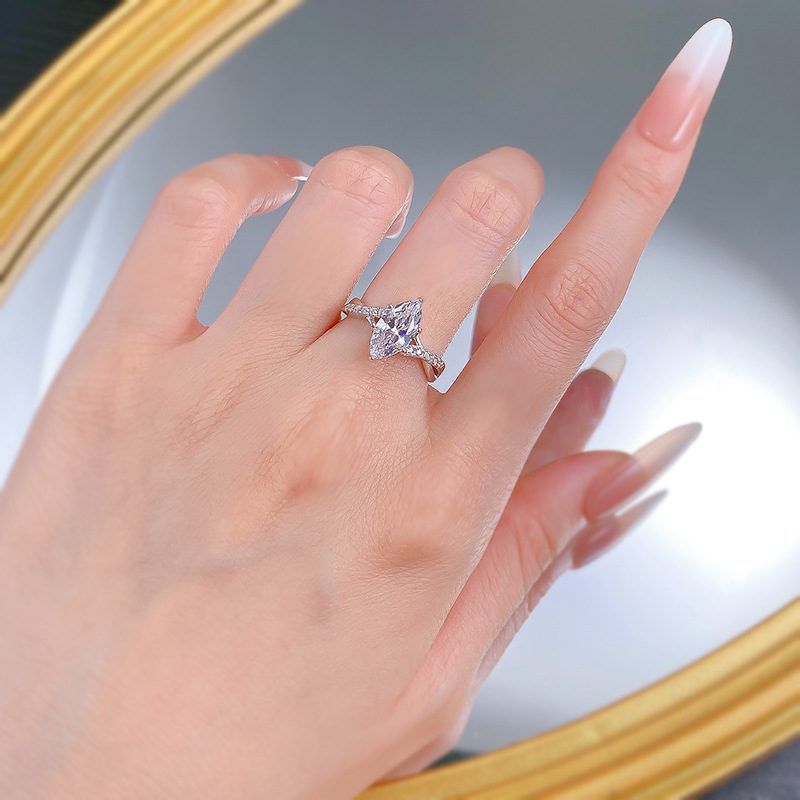
Safe Jewelry Cleaner for Halo Rings: How to Choose the Right One
Halo rings sparkle from every angle, but they also trap grime faster than simpler settings. A safe jewelry cleaner for halo styles needs to lift oil, soap, and lotion from tight spaces without stressing tiny pavé stones or leaving a cloudy film behind.
That balance matters more than many shoppers expect. A 1.2ct F-VS2 round brilliant may be tough, but the halo structure is full of small prongs, narrow gaps, and polished metal that can show wear if you clean too aggressively. In 14K white gold or 950 platinum, those details can shift how a cleaner performs.
I've helped hundreds of couples choose halo engagement rings at StoneBridge, and one thing comes up again and again: people focus on sparkle at the counter, then realize later that upkeep is part of owning a ring with this much detail. A halo around a 1ct lab-grown diamond, often priced around $2,800-$4,200 depending on cut and setting, still needs routine care. The good news is that caring for it at home does not have to be complicated.
Most halo owners don’t need the strongest product on the shelf. They need one they’ll use often, with a formula that fits the ring’s metal, accent stones, and the way the ring is worn day to day. If your ring is an IGI-certified 1.5ct round brilliant in a cathedral setting with pave band, the cleaner should match that level of detail.
Safe Jewelry Cleaner for Halo Rings: What to Compare First
A safe jewelry cleaner for halo rings should protect the whole setting, not only the center stone. Many halo designs combine a main diamond, a ring of accent stones, shared prongs, and a polished finish in white gold, yellow gold, rose gold, or 950 platinum. Certification from GIA, IGI, or GCAL can confirm the center stone, but the cleaner still has to suit the ring’s metal and small stones.
Before You Buy, compare these five points:
- Ingredient safety: Choose a non-abrasive jewelry cleaner with no gritty texture and low residue.
- Stone compatibility: Diamond-safe doesn’t always mean safe for mixed-gem halos with sapphires, emeralds, opals, or pearls.
- Metal compatibility: White gold with rhodium plating can react differently than solid platinum.
- Ease of use: Some people want a soak-and-rinse cleaner. Others prefer a foam or pen for quick weekly care.
- Value over time: Package size, included tools, and how often you’ll use it all affect cost per clean.
Honestly, I think ease of use gets underrated. The best cleaner is usually the one you’ll actually keep by the sink or in your jewelry drawer and use consistently, especially for a 14K white gold halo with a pavé band and 36 accent diamonds.
If you’re comparing ring styles at the same time, you can explore our engagement rings or browse our jewelry collection to find designs that fit your care routine.
Why Halo Settings Need Extra Care
Halo rings collect buildup in places a solitaire simply doesn’t have. Oils cling under the center stone, around the halo edge, and inside the gallery. Add daily handwashing, lotion, sunscreen, or makeup, and sparkle can fade fast on a 1ct round brilliant or a 1.8ct oval halo alike.
A 2023 MVI Marketing jewelry consumer summary found that engagement rings remain among the most frequently worn fine-jewelry pieces, which helps explain why residue builds so quickly on daily-wear styles. GIA also advises gentle, routine cleaning and regular inspections for fine jewelry, especially pieces with small stones and intricate settings. That advice applies whether your halo is set in 18K yellow gold or 950 platinum.
Use the wrong cleaner and you can create problems that are harder to fix than plain dirt. Rough scrubbing may loosen melee stones. Long soaking can stress a delicate setting. A poor rinse can leave film behind and make the ring look dull again.
Here’s what nobody tells you: halo rings often start looking “less sparkly” long before they are truly dirty. Sometimes it only takes a little lotion buildup around the underside to block light and change the whole look of the ring, especially on a 1.2ct F-VS1 round brilliant with micro-pavé shoulders.
What Counts as a Safe Jewelry Cleaner for Halo Styles?
A safe jewelry cleaner for halo jewelry is usually non-abrasive, easy to rinse or wipe away, and made for fine jewelry rather than household use. Soft tools matter too. A baby toothbrush, a jewelry brush, and a lint-free cloth are safer choices than paper towels or stiff bristles, especially around a 14K rose gold halo with 20-40 small accent diamonds.
Most jewelers favor a short, gentle routine:
- Mild liquid cleaner labeled for fine jewelry
- Foam or spray formulas for no-soak touch-ups
- Soft brushing with very light pressure
- Lint-free drying
- Brief contact time instead of long soaking
Lab-grown diamonds rank 10 on the Mohs hardness scale, just like mined diamonds, but that doesn’t give every halo ring a free pass. The setting still drives the decision. If you’re shopping for one, shop our lab-grown diamonds and pair your ring with a cleaner that suits the metal and accent stones too. An ultrasonic cleaner is generally safe for lab-grown diamonds only when the setting is secure and the jeweler approves it.
Option A: Gentle Liquid Cleaner for Deeper Buildup
A gentle liquid cleaner is the classic deep-clean option. You dip the ring, let the solution loosen buildup, then brush around the underside of the halo, rinse, and dry. This works well for a 1ct IGI-certified round brilliant in 14K white gold when the prongs are tight and the finish is intact.
For many owners, this type of safe jewelry cleaner for halo rings gives the biggest visual boost. Liquid reaches the narrow spaces a cloth can’t touch, which helps if your ring sees daily exposure to moisturizer, hand soap, and cosmetics. It is especially useful on cathedral settings with pavé bands where residue settles under the shoulders.
Stronger reach still calls for careful use. If the setting feels loose, skip the soak and ask a jeweler first. A $35 bottle of fine-jewelry cleaner is not worth risking a $3,000-$6,000 halo engagement ring with 18 melee stones.
What to Compare in Liquid Jewelry Cleaners
Buyers usually weigh these details:
- Formula gentleness: Non-abrasive and made for diamonds and precious metals
- Included tools: A basket or soft brush makes cleaning easier and safer
- Rinse needs: Some liquids need a full rinse with lukewarm water
- Drying time: More rinsing means more drying under the gallery
- Value: Larger jars often cost less per use
Pros
- Reaches tight halo and pavé spaces
- Removes heavier buildup more effectively
- Often offers better value per ounce
- Works well for periodic at-home deep cleaning
Cons
- Requires more setup and drying
- Less convenient for travel
- May be too much for delicate mixed-material pieces
- Isn’t ideal for loose or uninspected settings
Many customers keep a liquid cleaner as a backup rather than a daily habit. That makes sense. A deeper clean once every few weeks is useful, but overdoing it can wear on a fragile halo, especially in 14K white gold where rhodium plating may need periodic refreshes.
Option B: Foam, Spray, or Pen Cleaner for Routine Care
Foam, spray, and pen cleaners give you more control. Instead of soaking the whole ring, you place a small amount where grime builds up, brush lightly, and wipe or rinse based on the label. For a 1.5ct GCAL-certified oval halo with a pave band, that control can matter more than raw cleaning power.
For most people, this is the easiest safe jewelry cleaner for halo maintenance. It’s simple, less messy, and easy to repeat. That matters because the best care routine is the one you’ll actually keep, whether your ring is 14K rose gold or 950 platinum.
Want the shortest answer? For weekly upkeep, a foam or pen often wins. A $12-$25 pen cleaner is often enough for quick touch-ups between deeper cleanings.
Why Many Halo Owners Prefer This Format
This category is popular for good reason:
- Precision: Easier to target the halo edge and gallery
- No-soak use: Lower risk of over-soaking delicate settings
- Fast drying: Better for busy routines
- Portability: Handy for travel or desk storage
- Controlled use: Less product waste during touch-ups
Pros
- Easy to control around small details
- Great for frequent touch-ups
- Less mess and less setup
- More travel-friendly
Cons
- Lighter cleaning power on stubborn buildup
- Smaller packages can cost more per use
- May need a second pass on neglected rings
- Some applicators miss deep underside angles
In my years at StoneBridge, I’ve seen nervous first-time ring owners do much better with foam or pen cleaners because the process feels manageable. If you are worried about harming pavé at home, that little bit of confidence matters more than people think, especially on a halo with 24 micro-prongs.
A foam-based safe jewelry cleaner for halo rings is often the better starting point if you’re nervous about cleaning pavé at home. It gives you a safer margin for error.
Safe Jewelry Cleaner for Halo Comparison Table
The best safe jewelry cleaner for halo rings depends on what your ring needs most: stronger cleaning or easier upkeep. A 1ct lab-grown diamond in a cathedral setting with pave band may benefit from a different routine than a 2ct solitaire with no accent stones.
| Comparison Point | Gentle Liquid Cleaner | Foam, Spray, or Pen Cleaner |
|---|---|---|
| Cleaning strength | Better on heavy buildup | Better for light to moderate film |
| Halo-setting safety | Safe on secure settings with brief use | Easier for routine care on intricate settings |
| Ease of use | Moderate | High |
| Residue risk | Low if rinsed well | Low to moderate, based on wipe-off quality |
| Drying time | Longer | Shorter |
| Portability | Lower | Higher |
| Value | Often better per ounce | Often higher cost per use |
| Best buyer profile | Daily wearer needing a stronger clean | Shopper wanting quick weekly upkeep |
Here’s the practical takeaway:
- Choose a liquid safe jewelry cleaner for halo rings if you see visible buildup under the center stone.
- Choose a foam or pen safe jewelry cleaner for halo care if you want a quick, low-mess routine.
- If your ring mixes diamonds with softer gems or plated metal, always check the label and your jeweler’s advice first.
You can also try our ring builder if you’re still deciding which halo style fits your lifestyle and maintenance comfort level. A 1ct F-VS2 lab-grown round brilliant with a pavé halo often lands in a very different maintenance lane than a 2ct emerald-cut center in platinum.
Which Cleaner Fits Your Ring and Routine?
Your lifestyle matters as much as the formula. A ring worn every day picks up more residue than halo earrings worn twice a month, and a 14K white gold engagement ring worn during handwashing will need more upkeep than a dress piece.
A simple breakdown helps:
- Daily-wear halo engagement rings: A gentle liquid cleaner for occasional deep cleaning, plus a foam cleaner for upkeep
- Occasional-wear halo jewelry: A foam or pen may be enough on its own
- Frequent travelers: Pen or compact spray formats are easier to pack
- Nervous first-time cleaners: Foam feels more controlled and less intimidating
- Vintage-inspired or delicate halos: Use the gentlest approved option and lean on professional cleanings
Metal also changes the answer. Platinum is durable, while white gold plating can need a softer touch. Yellow and rose gold can show lotion film around details more quickly than some buyers expect, especially on halos with 0.10ct to 0.30ct of melee spread around the center.
Most owners do well with light cleaning every one to two weeks and a professional inspection every six to twelve months. If a prong snags fabric or a stone shifts even slightly, stop home cleaning and let a jeweler check it. A GIA or IGI report does not replace a setting inspection.
If the ring marks a proposal, anniversary, or wedding, there’s usually some emotion tied up in keeping it beautiful. I always think that matters. A good cleaning routine is not just maintenance; it is a small way to care for something that holds a big memory, whether the ring cost $2,500 or $8,000.
Our Recommendation for Halo Ring Cleaning
For most shoppers, the best safe jewelry cleaner for halo use is a foam, spray, or pen cleaner made for diamond jewelry and delicate settings. That format gives you control, reduces soaking risk, and makes it easier to keep up with regular care on a 1ct lab-grown diamond halo or a 1.25ct mined-diamond halo alike.
A gentle liquid cleaner comes in second, but it’s still valuable. Use it when your ring has visible buildup and the setting is secure. If your ring is 950 platinum with a cathedral setting, liquid can help restore brightness between professional inspections.
Why does this order make sense? Because the weak point usually isn’t the diamond. It’s the tiny stones, the prongs, and the finish that hold the design together.
Honestly, I think most halo owners are happier when they build a simple habit instead of chasing the most powerful cleaner they can find. Gentle and consistent usually beats aggressive and occasional.
How to Clean a Halo Ring Safely at Home
Use this method with any safe jewelry cleaner for halo styles:
- Inspect the ring first. Look for loose stones, bent prongs, or snagging.
- Clean over a bowl or towel. Never work over an open drain.
- Apply light pressure. Let the cleaner do the work.
- Brush softly around the halo and underside. Go slow around pavé.
- Rinse only if the label says to. Use lukewarm water.
- Dry with a lint-free cloth. Make sure moisture doesn’t stay trapped underneath.
- Store the ring properly. Use a soft-lined box or separate pouch.
What to Buy With Your Cleaner
A good care kit doesn’t need much. Keep it simple and focused on safe tools. For a halo ring in 14K yellow gold or 950 platinum, the right brush and cloth can matter almost as much as the cleaner itself.
A practical setup often includes:
- A foam or pen-based safe jewelry cleaner for halo rings
- A soft jewelry brush
- A lint-free drying cloth
- A travel pouch or soft case
- A polishing cloth approved for your metal
If you want a stronger occasional reset, add a gentle liquid cleaner as a second product instead of your only one. That mix works well for many owners: quick foam care most weeks, deeper liquid cleaning only when needed, especially on a $3,500-$5,500 halo ring with a 1ct F-VS2 center.
If you’re shopping for a halo ring that fits a real-life care routine, browse our jewelry collection, shop lab-grown diamonds, or explore engagement ring styles.
FAQ
What is the safest jewelry cleaner for a halo engagement ring?
The safest jewelry cleaner for a halo engagement ring is usually a non-abrasive foam, spray, or pen made for fine jewelry. That format gives you better control around pavé stones and narrow openings, which lowers the chance of rough handling. If your ring has visible grime under the center stone, a gentle liquid cleaner can help, but only if the setting is secure. Match the cleaner to the metal, accent stones, and jeweler guidance before you start. A 14K white gold halo with 20 accent stones may need a gentler formula than a 950 platinum design.
Can I use jewelry cleaner on a lab-grown diamond halo ring?
Yes, you can usually use jewelry cleaner on a lab-grown diamond halo ring if the formula is approved for fine jewelry. Lab-grown diamonds have the same hardness as mined diamonds, but the halo setting still needs care. Check for plated metal, mixed gemstones, or fragile pavé before you clean. A safe jewelry cleaner for halo settings should fit the whole ring, not only the center stone. A GIA, IGI, or GCAL report confirms the diamond, not the cleaner.
Is a foam cleaner or liquid cleaner better for halo rings?
A foam cleaner is often better for weekly upkeep because it’s easy to control and quick to use. A liquid cleaner is often better for deeper buildup, especially under the center setting and inside the halo gallery. Many owners keep both on hand and use each for a different job. If you want one place to start, go with the gentler foam option first. A 1.2ct round brilliant in a pave band usually benefits from that simpler routine.
How often should I clean a halo ring at home?
Most daily-wear halo rings do well with light at-home cleaning every one to two weeks. If you use hand lotion, sunscreen, or liquid soap often, a weekly touch-up may keep buildup from turning stubborn. Professional inspections every six to twelve months are also smart, especially for micro-pavé settings. Regular care helps your cleaner work better and keeps small stones easier to monitor. If your ring is $4,000-$7,000 in 14K white gold, consistent upkeep protects the look and the setting.
What should I avoid when cleaning a halo ring?
Skip harsh chemicals, toothpaste, stiff brushes, and hard scrubbing around pavé stones. Avoid ultrasonic cleaning unless a jeweler says your halo setting can handle it safely. Don’t soak a loose or delicate ring for long periods either. Gentle pressure and the right safe jewelry cleaner for halo jewelry will protect the finish, prongs, and sparkle better than brute force. For mixed-stone halos with emeralds or opals, use extra caution and choose a product labeled for those gems.
Ready to Find Your Perfect Diamond?
Explore our collection of certified lab-grown diamonds
Shop Diamonds