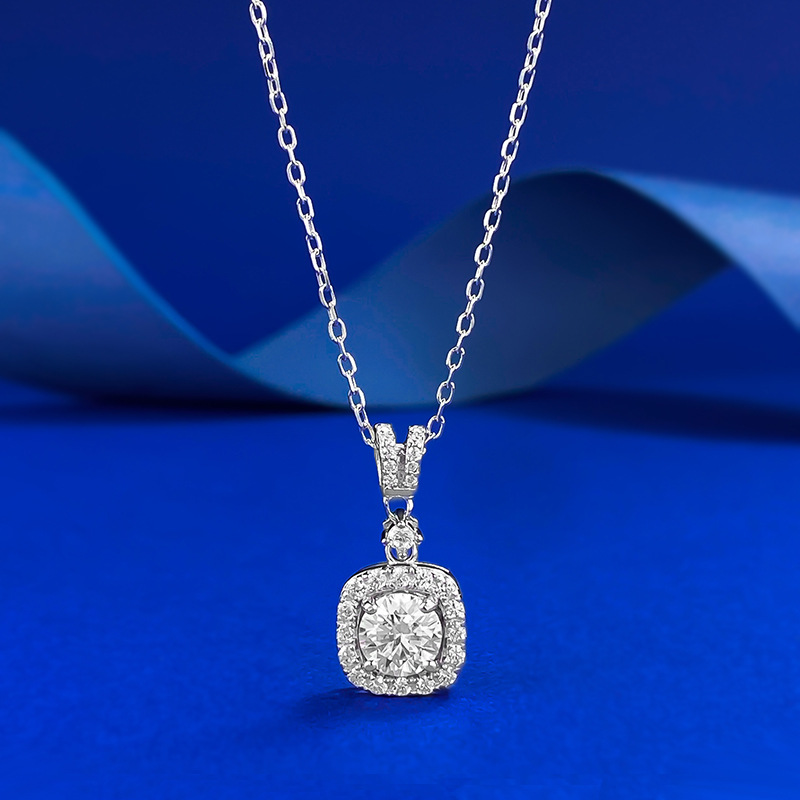
Round Lab Diamond Engagement Ring Price Guide
If you're comparing rings for a proposal or a reset, this round Lab Diamond Engagement Ring price guide keeps the focus on what matters: cut, carat, setting, metal, and the policies behind the price tag. The goal is simple. Put the budget where it shows on the hand and skip the extras that do not change how the ring actually looks.
Lab-grown round diamonds give you classic sparkle with more room to work than many mined stones. I have helped hundreds of couples narrow this exact decision, and the pattern is usually the same: once people see how much a better cut changes the look, the rest of the budget starts making sense. That flexibility often lets you move up in size or choose a cleaner, more polished finish without stretching the budget too far.
Round Lab Diamond Engagement Ring Price Guide: Why Round Stones Hold Their Appeal
Round brilliant diamonds reflect light beautifully and pair well with nearly any setting. GIA's guidance on round diamonds puts cut at the center of the buying decision, and that matches what people notice in person. A well-cut round stone can look lively even at a modest carat weight.
Why pay for a full carat jump if the face-up size barely changes? Lab-grown diamonds make that decision easier. This round lab diamond engagement ring price guide helps you compare the visible result, not just the numbers on the certificate. Honestly, I think that is where most shoppers get the best value.
If you want to start with center stones first, browse our lab-grown diamonds and compare a few shapes side by side. That makes the choice feel more concrete and helps you see where the budget is going.
What Changes the Price of a Round Lab Diamond Ring
A ring's price usually comes from three buckets: the diamond, the setting, and the retailer's service. The same center stone can land at very different totals once you change the metal or add side stones. That is why a round lab diamond engagement ring price guide should always look at the whole ring, not just the center diamond.
One helpful way to think about it is this: the center stone drives the visual impact, the setting controls the silhouette, and the policies behind the sale affect the real-world value. A ring that looks affordable online can become expensive if it has limited resizing support, a short return window, or unclear certificate details. On the other hand, a slightly higher sticker price can be a better deal if it includes insured shipping, a strong warranty, and a straightforward exchange process.
Diamond Quality
Cut matters most because it controls brightness and sparkle. Carat prices often step up around 1.00 ct, 1.50 ct, and 2.00 ct, so a 0.90 ct stone can save real money while looking close in size to a 1.00 ct stone. Color and clarity still matter, but a strong cut usually does more for the eye than chasing a higher letter grade.
When you're comparing stones, start with the certificate and the proportions. IGI and GIA reports give you the details you need to compare apples to apples. If a listing skips that information, treat the price with caution. I've seen shoppers fall for a pretty thumbnail only to find the measurements or grading details were not nearly as strong as the photo suggested (trust me, I've seen it happen).
For round diamonds, useful details on the certificate include table percentage, depth percentage, and measurements in millimeters. Two stones with the same carat weight can face up differently depending on how they are cut. A round diamond that measures slightly wider across the top can sometimes look larger than a heavier stone with more depth. That is one reason why Buyers Should Compare the millimeter spread, not just the carat label.
Color and clarity decisions can also shift depending on the setting. A near-colorless stone in the G to H range often looks bright once mounted, especially in white gold or platinum. For clarity, many shoppers do well with eye-clean VS2 to SI1 grades, as long as the inclusions are not obvious in the center of the stone or under the table. If you are buying online, ask for videos and magnified images so you can judge the actual look, not just the grade.
Setting Style and Metal
A solitaire costs less than a halo or pavé ring because it uses less metal and fewer accent stones. Platinum usually costs more than white gold, and custom details like hidden halos or engraving push the price higher. Want a bigger look without a major jump in budget? A slim halo or a clean six-prong setting can work better than a heavily detailed band.
Metal choice also affects daily wear. White gold gives a bright look for less, while platinum offers weight and durability that many buyers like for everyday use. If the ring is meant to be worn constantly, that comfort and sturdiness can matter more than people expect.
Yellow gold and rose gold are also worth considering if you want a warmer look or if the wearer already loves those tones in other jewelry. A round lab diamond often looks a little more classic in yellow gold, while white gold and platinum create a crisp, bright frame. If the stone is slightly lower in color, a warm metal can make the overall appearance feel more harmonious. That can be a smart move if you are trying to maximize visual appeal without paying for top-tier color grades.
Setting height matters too. A low-profile setting sits closer to the finger and tends to catch less on clothing, which is useful for people who work with their hands. A higher cathedral setting can make the center stone look larger and allow more light underneath, but it may feel more exposed in everyday wear. The best setting is the one the wearer can keep on comfortably all day.
Certification and Store Policies
Certification matters because it shows what you're paying for. A strong report, a clear return window, resizing support, and warranty details can make a lower-priced ring the better buy. Two rings can look similar online and still offer very different value once you read the fine print.
StoneBridge Jewelry lists diamond details and ring specs side by side so you can compare quickly. You can also browse engagement rings next to lab-grown diamonds if you want to build the ring from the stone up.
When you review policies, look for practical details. Is the ring shipped insured and signature-required? Is there a restocking fee? Can the ring be resized without voiding the warranty? Does the seller cover repairs for loose stones or broken prongs? Those questions sound unglamorous, but they directly affect how safe the purchase feels after checkout. A good ring should be easy to own, not just easy to admire on a product page.
Round Lab Diamond Engagement Ring Price Guide: Budget Ranges
Use this round lab diamond engagement ring price guide as a quick budget map. Prices move with the market, but these ranges are a practical place to start.
- Entry level: 0.50 to 0.80 ct, solitaire or simple halo, $800 to $1,800. Good for a clean look and strong sparkle on a tighter budget.
- Mid range: 0.90 to 1.50 ct, solitaire, hidden halo, pavé, $1,800 to $4,500. Best balance of size, quality, and style.
- Premium: 1.75 ct and up, halo, three-stone, custom pavé, $4,500 to $10,000+. Best for shoppers who want presence and more detail.
Many couples land just under a major carat marker. A 0.90 ct stone can feel nearly as substantial as 1.00 ct, and the savings can go toward a stronger setting or an upgrade in metal. That is a smart move if you care more about the finished ring than the number on the certificate.
The same idea applies at larger sizes. A 1.40 ct stone can often feel like the sweet spot if you want presence without entering a much steeper price band at 1.50 ct or 2.00 ct. In lab-grown diamonds, those price steps are usually easier to cross than with mined stones, but they still show up. Comparing stones just below and just above those marks can save real money without sacrificing the look you want.
Entry-Level Price Range: What Shoppers Can Expect
In the lower budget tier, a round lab diamond engagement ring price guide usually points toward classic styling and efficient use of materials. Expect a smaller center stone, a cleaner setting, and a lot of visual payoff from strong cut quality. A well-cut 0.50 ct to 0.80 ct round lab diamond can still look brilliant and balanced, especially in a simple solitaire.
This tier works well for buyers who want a meaningful ring without chasing size at the expense of beauty. White gold solitaires and light halo styles are common here because they keep the total cost manageable. If the budget is tight, focus on the center stone first and keep the setting simple.
In this range, it helps to be selective about accent stones. Tiny side diamonds can be beautiful, but if they push the ring into a thin, fragile structure, they may not be worth the extra spend. A plain band with a strong center stone often gives the best value. If the buyer prefers a more substantial look, choose a setting with a slightly wider shank rather than adding decorative elements that do not improve the ring's longevity.
Mid-Range Sweet Spot: Best Balance of Size and Quality
For many shoppers, the mid-range is the most attractive part of a round lab diamond engagement ring price guide. It usually opens the door to a larger-looking center stone, stronger color and clarity combinations, and a setting with more personality. A 0.90 ct to 1.50 ct round lab diamond often lands in the sweet spot between presence and price.
This tier gives you room to choose a better cut grade, a more durable metal, or a more refined setting profile without pushing into premium territory. It is also where many buyers start to compare ring styles more strategically. A simple solitaire in a higher grade stone can look just as elegant as a more ornate ring while keeping costs in check.
This is also the range where hidden halos, tapered bands, and small pavé accents start to make sense. They add sparkle without turning the ring into a totally different budget category. If the goal is a brighter, fuller look from the top view, a hidden halo can be a particularly efficient upgrade because it adds visual lift without overwhelming the center stone. A delicate pavé band works well too, but ask how the stones are set and whether maintenance or stone loss is covered under warranty.
Premium Price Range: Larger Stones and Custom Details
Premium shopping within a round lab diamond engagement ring price guide is usually about presence, detail, and personalization. Larger center stones, more elaborate settings, and stronger preferences for color and clarity can all lift the price quickly. A 1.75 ct or 2.00 ct round lab diamond paired with a pavé or halo mounting often delivers a bold look that stands out right away.
The biggest price jumps in this tier usually come from a mix of choices rather than one single feature. Platinum, hand-set accent diamonds, custom profiles, and intricate side details all add to the final investment. Buyers who choose this tier often care about a strong visual statement and a ring that feels tailored.
At this level, size should still be balanced with wearability. A very large center stone can look stunning, but the setting needs enough structure to support it. Ask about basket height, prong thickness, and gallery design. If the ring will be worn every day, those details matter as much as the headline carat weight. A beautiful 2.00 ct ring that spins or sits too high can feel less satisfying than a well-proportioned 1.50 ct ring with a stronger profile.
Diamond Specs Worth Comparing Before You Buy
Once you narrow the budget, the next step is comparing the actual stone specs. This is where a round lab diamond engagement ring price guide becomes more useful than a general shopping chart, because the details can change how the ring looks and wears.
Start by checking the exact measurements in millimeters. A round diamond's diameter often tells you more about face-up appearance than the carat number alone. Then review the cut data, because proportions influence how much light returns to the eye. If the listing includes a cut grade, make sure it is accompanied by a report from a recognized lab. For round diamonds, excellent or ideal-style proportions are usually the safest route if you want dependable sparkle.
It also helps to compare fluorescence, symmetry, and polish. Strong fluorescence is not automatically a problem, but it is worth asking how the stone appears in different lighting. Symmetry and polish are usually less important than cut, but they still matter when you are paying for a polished finish. If two stones are close in price, the one with cleaner finishing and a stronger visual video is generally the better pick.
Carat Weight Versus Face-Up Size
Carat weight measures mass, not visible diameter. A round diamond that weighs more is not always the one that looks bigger. Some stones carry more weight in the depth, which can make them face up smaller than expected. If you want the best spread for your budget, compare diameter measurements rather than leaning on carat alone.
Buyers often Find the Best Value by targeting stones just under common pricing thresholds. A 0.94 ct or 1.43 ct stone may cost less than the next obvious jump while still giving nearly the same look once mounted. That is one of the easiest ways to stretch a budget without the ring feeling compromised.
Color and Clarity That Make Sense in Real Life
For most buyers, color in the D to H range covers a lot of ground. D, E, and F grades are very white, but many people cannot tell the difference between those and a well-set G or H stone once the ring is on the hand. If the ring is going into yellow or rose gold, a near-colorless grade can be especially practical because the warm metal softens any tiny color differences.
For clarity, prioritize eye-clean stones over chasing the highest letter. VS1, VS2, and many SI1 stones can look excellent if the inclusions are small, off-center, or hidden near the edge. The key is to see the stone on video and ask whether the inclusions are visible to the naked eye. Many buyers overpay for clarity they will never notice in everyday wear.
Setting Choices That Change the Look and the Cost
The setting changes more than the price tag. It affects how large the diamond appears, how easy the ring is to clean, and how durable it is over time. If you're shopping from this round lab diamond engagement ring price guide, it is worth slowing down here because the setting can make a modest stone feel much more impressive.
Solitaire
The solitaire is the most efficient style if you want the budget to go into the center stone. It is clean, timeless, and easy to pair with almost any wedding band. A four-prong solitaire shows the stone clearly and keeps the profile airy, while a six-prong version adds a slightly more traditional look and some extra security. If you want the classic engagement ring image, this is usually the place to start.
Halo and Hidden Halo
Halo settings add extra sparkle and make the center look larger, though they also introduce more metal and more small stones to maintain. A hidden halo is a subtler option that adds brightness from a side angle without changing the top-down look as much. If you want the impression of a larger diamond but do not want to jump to the next carat bracket, this can be an efficient compromise. Just remember that more small stones can mean more maintenance over the life of the ring.
Pavé and Three-Stone Designs
Pavé bands add a refined shimmer and can help a ring feel more luxurious without increasing center-stone size. Three-stone rings add symbolism and a wider visual footprint, which is nice if the wearer prefers a bolder look. The tradeoff is cost and upkeep. Small accent stones may require periodic checking, and a wider design may need more careful sizing to fit comfortably with a wedding band later.
Ring Size, Fit, and Everyday Wear
Getting the right size matters more than many shoppers expect. A ring that is too loose can twist, while a ring that is too tight becomes uncomfortable in warmer weather. If you are buying for a proposal, it is often better to size slightly larger and plan for a final adjustment afterward than to risk a ring that cannot be worn comfortably.
If you work with your hands, cook regularly, lift weights, or spend time outdoors, think about the setting profile and band width as much as the stone. A taller setting can snag on gloves, sweaters, and pockets. A band that is too thin may look delicate but wear faster over time. A medium-width band with solid prongs usually offers a better balance of comfort and durability.
If sizing feels uncertain, our ring size guide can help before you place the order.
Prongs, Security, and Comfort
Prong style affects both appearance and security. Four prongs tend to show more of the diamond and create a lighter visual feel. Six prongs can give a round stone a more complete frame and a bit more protection. For daily wear, ask whether the prongs are rounded and well-finished, because sharp edges can catch fabric or feel rough against the neighboring finger.
Comfort fit bands, slightly rounded interiors, and well-balanced heads all improve wearability. These details are easy to miss when you shop by image alone, but they are exactly the kinds of things that shape the long-term experience of wearing the ring.
Care, Insurance, Shipping, and Returns
Plan for ownership, not just the purchase. A round lab diamond engagement ring price guide should include the aftercare side of the transaction because it affects how easy the ring is to keep in good condition.
Most rings benefit from gentle cleaning with warm water, mild soap, and a soft brush. Avoid harsh chemicals and skip any cleaning method that feels abrasive. If the ring has pavé or side stones, occasional professional inspection is a good idea to check that prongs remain secure. White gold may need rhodium replating over time, while platinum develops a soft patina that many owners like because it gives the ring a lived-in look.
Insurance becomes more relevant as the price rises. If the center stone is large or the ring is custom-made, make sure you know the replacement terms and appraise the ring promptly. That protects you if the ring is lost, stolen, or damaged. For shipping, ask whether the package is insured, discreetly packaged, and signature-required. Those details matter more than many people realize, especially if the ring is being delivered to a home where the proposal will happen soon.
Returns and resizing are just as important. A thoughtful return window gives you room to view the ring in person, while resizing support makes the purchase less stressful if the first guess is not perfect. Before buying, confirm whether a resize changes the warranty or affects the return policy. Some sellers offer one free resize, while others limit adjustments once the ring has been worn. Reading those terms before checkout can prevent expensive surprises later.
Common Mistakes to Avoid
The most common mistake is paying for carat weight without checking cut quality. A round diamond can be the wrong shape, too deep, or visually dull even if the number looks impressive on paper. Another common issue is choosing a setting that sounds ornate but is uncomfortable or high-maintenance in real life.
Shoppers also sometimes skip the certificate and rely on product photos alone. That is risky, especially with lab-grown diamonds, where lab reports, measurements, and grading consistency make a big difference in comparing values. A third mistake is forgetting about the future: if the wearer wants a wedding band to sit flush, a very tall or unusually shaped setting may not cooperate. Plan for that early.
Finally, do not ignore the return policy. Even a great-looking ring can feel different on the hand than it does online. The safest purchases are the ones that allow you to inspect the ring, check the fit, and confirm the finish before the return window closes.
How to Get Better Value on a Round Lab Diamond Engagement Ring
Spend for what the eye sees first. That means cut, face-up size, and a setting that suits the stone. It does not mean chasing the biggest number on the page.
- Put cut quality at the top of the list.
- Pick metal and setting before you chase size.
- Compare certified stones and full policies, not just a photo.
If you want to test those trade-offs fast, use our ring builder to compare stone size, setting style, and metal in one place. It makes the round lab diamond engagement ring price guide feel much more practical.
Start With Cut
GIA treats cut as the biggest driver of a round diamond's visual performance, and shoppers feel that difference quickly. A smaller stone with excellent cut can outshine a larger stone that lacks balance. If you want the ring to look lively in candlelight, daylight, and everyday motion, start here.
This part of the round lab diamond engagement ring price guide is where the eye test beats the spreadsheet. Video, side-by-side photos, and grading notes matter more than a big carat jump.
Make Smart Trade-Offs
Near-colorless stones often look bright once set, especially in white metals. Eye-clean clarity can save money too, since tiny inclusions usually stay hidden without magnification. A simple setting also pushes more of the budget into the center stone, which many buyers prefer.
In my 10 years at StoneBridge, one of the most common surprises has been how often a well-proportioned 0.90 ct ring gets the stronger reaction than a heavier stone with a weaker cut. That's the kind of detail people notice when the ring is on the hand, not just on a spec sheet.
Compare Full Listings
Do not buy on the thumbnail alone. Read the measurements, metal type, setting style, certificate, return window, and resize policy before you decide. A lower price only counts if the ring still gives you the support you want after checkout.
That habit also helps when you compare a piece from our engagement rings collection with a custom idea from the builder. The best value is the Ring That Fits the budget and the plan.
What to Check Before You Buy
Ring size, daily wear, and care matter more than most people expect. A beautiful ring that spins or catches on everything can get annoying fast, and nobody wants that energy around a proposal or wedding season.
Ring Size and Lifestyle
If you work with your hands, cook often, or stay active, a lower profile can be a better pick. Four-prong settings show more of the diamond, while six-prong settings add a little extra security and a rounder frame. If sizing feels uncertain, our ring size guide can help before you place the order.
The right setting should fit the person, not just the photo. That simple rule saves a lot of regret.
Care, Insurance, and Shipping
Plan for cleaning, prong checks, and the occasional professional inspection. White gold may need rhodium replating from time to time, while platinum develops a soft patina that some people love. For larger stones, insurance and an appraisal are worth lining up early.
Ask about insured shipping, signature delivery, and return timing Before You Buy. If you want help reading a certificate or narrowing options, contact our jewelry team. We get a lot of questions from people choosing a ring for a proposal, and honestly, that is one of the nicest parts of the job.
Shop Certified Styles at StoneBridge Jewelry
If you want the shortest path through this round lab diamond engagement ring price guide, keep it simple: choose a great cut, use a setting that matches your budget, and compare certified stones before you pay. That approach usually leads to a ring that looks better on the hand than the price suggests.
StoneBridge Jewelry makes it easier to shop certified styles, compare details, and move from browsing to buying with less second-guessing. Start with the ring shape you love, then narrow by carat, metal, and setting until the choice feels right. That is usually the point when couples stop shopping and start imagining the proposal, and that part never gets old.
Ready to Find Your Perfect Diamond?
Explore our collection of certified lab-grown diamonds
Shop Diamonds