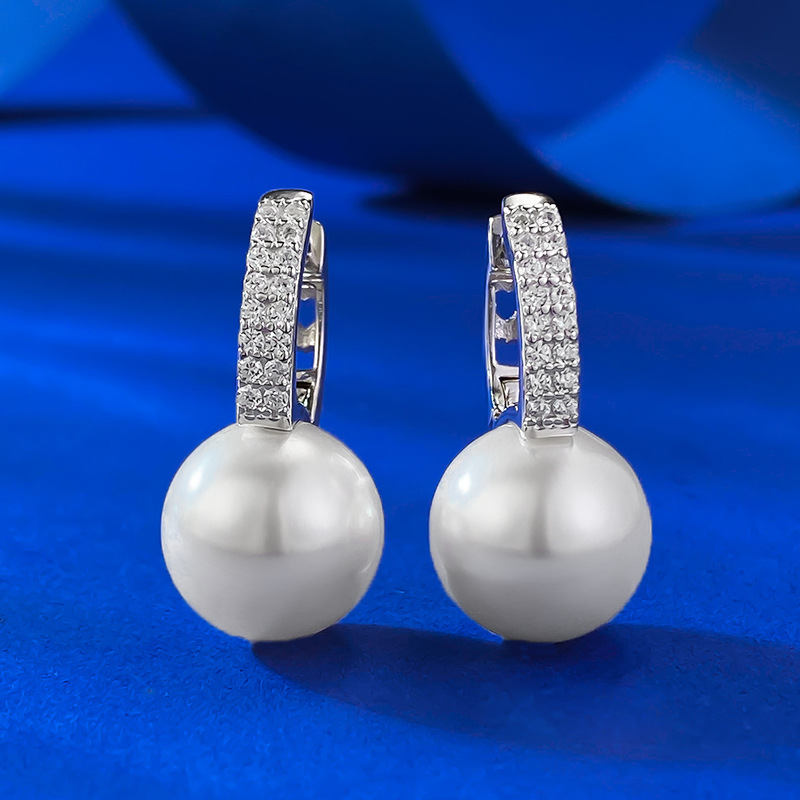
Round Diamond Stud Earrings Insurance Checklist for Confident Buyers
A smart round Diamond Stud Earrings insurance checklist protects more than a receipt. It protects the sparkle, value, and everyday confidence behind a fine jewelry purchase. Round diamond studs are small, highly wearable, and often purchased for milestones, bridal styling, anniversaries, birthdays, or daily luxury. Because they’re easy to wear, they’re also easier to misplace, damage, or lose while traveling.
StoneBridge Jewelry specializes in lab-grown diamond studs designed for beauty, value, and confident ownership. I’ve helped many shoppers choose diamond studs for proposals, wedding weekends, anniversary gifts, and “I finally deserve this” moments, and the happiest buyers are usually the ones who plan for both sparkle and protection. Before you choose your carat weight, metal, and backing style, use this round Diamond Stud Earrings insurance checklist to understand what to save, what to photograph, and what to ask before checkout.
Round Diamond Stud Earrings Insurance Checklist: Protecting a Premium Jewelry Purchase
Round Diamond Stud Earrings are one of the most practical fine jewelry purchases a shopper can make. They work with tailored office wear, weekend denim, evening dresses, bridal looks, and layered jewelry styling. Unlike dramatic hoop earrings, drop earrings, dangle earrings, or statement huggie earrings, stud earrings sit close to the ear and deliver a polished look without competing with the rest of an outfit.
That subtle profile is part of their appeal. It also creates risk. Diamond studs are compact, frequently removed, and easy to tuck into a pocket, travel pouch, gym bag, nightstand tray, or hotel safe. A single earring can slip loose while changing clothes, cleaning, sleeping, applying a scarf, or removing headphones (trust me, I’ve seen it happen more than once).
A Round Diamond Stud Earrings insurance checklist helps you prepare for the practical side of ownership. The right documents can verify what you bought. Clear photos can prove the item’s appearance. A grading report or specification sheet can support replacement quality. And a policy that clearly addresses accidental loss, theft, damage, and single-earring replacement can help prevent stressful surprises.
StoneBridge Jewelry buyers often compare carat weight, cut quality, metal color, and setting style before selecting diamond studs. Insurance planning belongs in that same decision process. It’s not just paperwork. It’s part of choosing earrings you can wear often, store safely, and replace accurately if something happens.
A strong round Diamond Stud Earrings insurance checklist is especially useful for lab-grown diamonds because buyers want coverage based on accurate replacement value, not vague assumptions. Lab-grown diamonds are evaluated by the same core 4Cs as mined diamonds: cut, color, clarity, and carat weight. Reputable grading from laboratories such as GIA or IGI can document those quality factors, which helps insurers understand the item being covered.
Why Insurance Matters Before You Buy Diamond Studs
Insurance planning should happen Before You Buy diamond studs, or immediately after purchase. Waiting until a loss occurs means you may have incomplete records, unclear replacement value, or no coverage for the type of event you experienced.
Common risks include:
- Theft from a home, hotel room, luggage, vehicle, or checked bag
- Accidental loss during travel, workouts, events, or daily wear
- Single-earring loss, which is common with matched stud earrings
- Setting damage, including bent prongs or loosened stones
- Backing failure from worn push backs, loose screw backs, or poor fit
- Damage during cleaning, storage, or transport
Jewelry appraisers and insurers often recommend documenting fine jewelry at the time of purchase because original records are harder to recreate later. A receipt, grading report, appraisal, and photo set establish a baseline. If a claim is filed, those materials can help support faster review and more accurate replacement.
For matched round diamond studs, early documentation matters even more. Replacing one earring is not always as simple as buying any similar stone. The new diamond should match size, color, clarity, cut appearance, and setting style closely enough to preserve the pair. Honestly, I think this is the detail buyers underestimate most: one missing stud can turn into a matching project if the original specs are vague.
What to Include in Your Round Diamond Stud Earrings Insurance Checklist
Your round Diamond Stud Earrings insurance checklist should include every document and detail that proves what you purchased, how it was made, and what it would cost to replace with like kind and quality. A basic receipt may not be enough for a higher-value pair. Insurers often need more detail, especially for larger total carat weights or premium settings.
Use this practical checklist before regular wear:
- Save the purchase receipt and invoice.
- Download or print the order confirmation.
- Keep the product page specifications.
- Request or save the diamond grading report, if provided.
- Record total carat weight and individual diamond weights.
- Record color, clarity, cut, polish, symmetry, and measurements.
- Note the metal type, such as 14k gold, 18k gold, or platinum.
- Note the setting style, such as prong or bezel.
- Note the backing style, such as push backs, screw backs, or locking backs.
- Take clear photos of the front, side, back, and any hallmarks.
- Ask whether an appraisal is required for coverage.
- Compare insurance quotes before frequent wear or travel.
Lab-grown diamond documentation supports replacement value because it identifies the quality factors that make one pair different from another. Two pairs of round diamond studs may both weigh 2.00 total carat weight, but their values can differ based on color grade, clarity grade, cut precision, metal, setting work, and matching quality.
A complete round diamond stud earrings insurance checklist can make the difference between a smooth replacement and underinsured coverage. If the policy limit is too low, you may not be able to replace the earrings with the same size or quality. If documentation is vague, the insurer may rely on broad estimates instead of precise details.
StoneBridge Jewelry product pages are designed to help shoppers understand what they’re buying. As you compare diamond studs, save the specifications that matter most. If you’re still deciding between earrings, you can also browse our jewelry collection to compare styles and choose the pair that fits your wardrobe, budget, and protection needs.
Essential Purchase Documents
Your round diamond stud earrings insurance checklist should begin with proof of purchase. Save the sales receipt, itemized invoice, order confirmation, payment confirmation, warranty details, and any product page information that lists the specifications of the earrings.
Keep digital and printed copies. Digital files are easy to upload to an insurer, while printed documents can help if your email account, device, or cloud folder is unavailable. Store the printed copies somewhere separate from the jewelry itself. A home safe, secure document folder, or trusted cloud storage account can keep records accessible without placing everything in one location.
For online purchases, take a screenshot or save a PDF of the product page at checkout. Include the item name, metal, total carat weight, diamond quality, setting style, and backing type. This small step strengthens your round diamond stud earrings insurance checklist and can help establish what was represented at the time of sale.
Diamond Quality and Setting Details to Record
A strong round diamond stud earrings insurance checklist records the details that drive value. Write down the total carat weight, individual stone weight, cut grade, color grade, clarity grade, measurements, certification number, metal type, setting style, backing style, and any custom specifications.
Round Cut Diamond Studs need accurate documentation for each stone. Even when sold as a matched pair, one diamond may have its own measurements or report number. If the pair is graded together, save the full document. If each diamond has a separate report, save both.
GIA and IGI grading standards evaluate diamonds through measurable quality factors such as carat weight, color, clarity, and proportions. According to GIA’s diamond education materials, cut quality influences how a diamond returns light to the viewer, which directly affects brightness, fire, and scintillation. Those details matter when replacing round brilliant diamond studs because a similar carat weight alone may not deliver the same look.
Also record the setting. Four-prong baskets, three-prong martini settings, bezels, screw backs, and locking backs all affect value, Comfort, and Security.
Key Features and Specifications That Affect Insurance Value
Insurance value depends on the cost to replace your earrings with comparable quality, not just the fact that they are diamond studs. A detailed round diamond stud earrings insurance checklist helps insurers quote the correct premium and replacement limit.
Key value factors include:
- Total carat weight and individual diamond weight
- Round brilliant cut quality and visual matching
- Color grade and clarity grade
- Lab-grown diamond origin and grading report details
- Metal type and metal weight
- Setting style and craftsmanship
- Backing security and replacement complexity
- Brand, retailer documentation, and custom work
Lab-grown diamond studs can offer strong value for shoppers who want impressive size and sparkle at a more accessible price than comparable mined diamonds. That value advantage does not mean insurance is unnecessary. A 2.00 total carat weight pair of lab-grown diamond studs in platinum may still represent a meaningful investment, especially when matched for color, clarity, and cut.
Diamond studs are also valued differently from other earring styles. Hoop earrings may have many small diamonds set along a curve, increasing the importance of metalwork and stone count. Drop earrings and dangle earrings may include longer components, movement, hinges, or delicate connections. Huggie earrings may rely on hinged closures and pavé details. Round diamond studs, by contrast, concentrate value in two center diamonds and the precision of the setting.
Here is a shopper-focused comparison:
| Earring style | Common insurance concern | Documentation priority |
|---|---|---|
| Round diamond studs | Single-earring loss, backing failure, matched replacement | Diamond reports, pair matching, backing type |
| Hoop earrings | Bent metal, clasp damage, stone loss | Metal type, diameter, diamond count |
| Drop earrings | Connector damage, movement-related wear | Length, stones, hinge or link details |
| Dangle earrings | Snagging, chain or component breakage | Construction photos, gemstone details |
| Huggie earrings | Hinge and clasp wear | Closure type, pavé details, metal type |
Accurate specifications allow an insurer to understand the real replacement cost. They also help you avoid paying for coverage that is too high or accepting a limit that is too low.
Carat Weight, Cut Quality, and Matching
Carat weight is one of the first details on any round diamond stud earrings insurance checklist. Buyers should record both total carat weight and individual stone weight. A 1.00 total carat weight pair usually means each diamond weighs about 0.50 carat. A 2.00 total carat weight pair usually means each diamond weighs about 1.00 carat.
Both numbers matter. Appraisals, replacement quotes, and product comparisons often rely on individual stone weight because diamond pricing changes significantly at size thresholds such as 0.50 carat, 1.00 carat, 1.50 carats, and 2.00 carats per stone.
Round brilliant cut quality also affects value. Symmetry, polish, table percentage, depth percentage, and overall proportions influence how the diamonds handle light. A well-cut pair can look brighter and more balanced than a heavier pair with weaker light performance.
Matching adds value. Two diamonds with similar measurements, color, clarity, and cut appearance create a balanced pair. That matching work should be documented in your round diamond stud earrings insurance checklist, especially if replacement of one earring could be required.
Metal, Setting, and Backing Security
Metal choice affects replacement cost and durability. Common options include 14k gold, 18k gold, and platinum. 14k gold offers strength and everyday practicality. 18k gold has a higher gold content and a richer color. Platinum is dense, naturally white, and often chosen for premium fine jewelry settings.
Setting style matters too. Prong settings allow more light to reach the diamond and create a classic stud profile. Bezel settings surround the diamond with metal, offering a sleek look and added edge protection. Martini settings sit close to the ear, while basket settings create a structured profile.
Backing type is one of the most important security details. Push backs are easy to use and common for stud earrings. Screw backs add a threaded post and backing for more security. Locking backs offer a secure mechanism that many frequent wearers prefer.
Before wearing your earrings regularly, photograph the front and back of each earring. Include close-ups of prongs, bezels, posts, backings, metal stamps, and any report inscriptions if visible. These images belong in every round diamond stud earrings insurance checklist.
Pricing and Value Analysis for Insuring Lab-Grown Diamond Stud Earrings
Jewelry insurance premiums are often calculated as a small percentage of insured value each year, though the exact cost depends on the provider, location, deductible, policy type, and coverage terms. Many industry estimates place jewelry insurance around 1% to 2% of the insured value annually, but shoppers should always request direct quotes.
For example, if a pair of lab-grown diamond studs has a documented replacement value of $2,500, an annual premium could be roughly $25 to $50 under a 1% to 2% estimate. If the replacement value is $5,000, the annual estimate could be roughly $50 to $100. Actual premiums can be higher or lower based on coverage details and geographic risk.
Lab-grown diamond studs appeal to buyers because they can deliver a larger look, excellent sparkle, and strong quality for less than many comparable mined diamond options. A shopper comparing 1.00 total carat weight and 2.00 total carat weight diamond studs may find lab-grown options make a larger, brighter pair more attainable. Insurance still matters because replacement cost is based on the specific earrings you own.
Use your round diamond stud earrings insurance checklist to compare coverage before you finalize a higher-carat purchase. If you’re choosing between 14k white gold, 18k yellow gold, and platinum, insurance quotes may vary. If you’re selecting higher color and clarity grades, the replacement value may increase. If you’re buying a matched pair with grading reports, the replacement process may require more precision.
Industry experts recommend reading the policy language carefully. Pay attention to whether coverage includes accidental loss, mysterious disappearance, theft, damage, repair, worldwide travel, and replacement through a preferred jeweler. The cheapest premium is not always the best protection.
Appraisal Value vs. Purchase Price
Purchase price, retail replacement value, and appraised value are related but not identical. Purchase price is what you paid. Retail replacement value estimates what it may cost to replace the earrings with comparable quality at retail. Appraised value is the documented value provided by a qualified appraiser or accepted by an insurer.
A round diamond stud earrings insurance checklist should include the purchase price and the appraisal, if required. But buyers should be cautious with inflated appraisals. A high appraisal can increase your annual premium without guaranteeing a better claim outcome. If the insurer replaces the earrings with like kind and quality rather than paying the appraisal amount in cash, an inflated value may only cost you more over time.
Here’s what nobody tells you: a bigger appraisal number can feel flattering, but it is not automatically better. You want a realistic replacement value, not a number that quietly raises your yearly premium.
Ask these questions before binding coverage:
- Does the policy replace the exact item or a comparable item?
- Does it pay cash value, replacement value, or work through preferred jewelers?
- Does the policy account for lab-grown diamond replacement pricing?
- Is there a deductible?
- How often should the appraisal be updated?
Clear answers help you insure diamond studs at a realistic value.
How to Compare Insurance Options
Buyers usually compare three main insurance paths: scheduled personal property coverage, standalone jewelry insurance, and coverage through homeowners or renters insurance. Each option can work, but the details vary.
Scheduled personal property coverage adds the earrings to an existing homeowners or renters policy. Standalone jewelry insurance is designed specifically for jewelry and may offer broader loss and repair coverage. Basic homeowners or renters coverage may have strict limits for jewelry, especially for theft or loss away from home.
Use this round diamond stud earrings insurance checklist when comparing quotes:
- What is the deductible?
- Is worldwide coverage included?
- Does the policy cover mysterious disappearance?
- Is accidental loss covered?
- Is single-earring loss covered?
- Does pair-and-set coverage apply?
- Are repairs for bent prongs or damaged settings covered?
- Can I choose my jeweler for replacement or repair?
- Is lab-grown diamond replacement clearly addressed?
- What documentation is required at claim time?
If you’re buying higher-carat diamond studs, request quotes before checkout or immediately after purchase. The quote may influence whether you choose a larger size, a different metal, or a more secure backing.
Buyer Benefits: Peace of Mind, Replacement Confidence, and Everyday Wear
Insurance is part of the ownership experience. It helps you enjoy your earrings instead of treating them like something too precious to wear. Round diamond studs are made for daily styling, and the right protection makes that daily wear feel more comfortable.
A completed round diamond stud earrings insurance checklist supports peace of mind in several ways. You know where your documents are. You know what your policy covers. You know the replacement value is tied to real specifications. And you know which steps to take if a loss, theft, or damage event occurs.
This matters for meaningful jewelry. Diamond studs are often given for anniversaries, graduations, weddings, birthdays, promotions, and personal milestones. They may become part of a signature look or a jewelry wardrobe built over years. I always love when someone chooses diamond studs as a wedding-morning gift; they’re sentimental, wearable, and easy to imagine becoming part of every big moment after that.
Daily wear brings real-life exposure. Earrings go from bedroom vanities to office meetings, airport security trays, hotel rooms, fitness bags, and dinner tables. They’re removed for hair appointments, medical visits, swimming, sleeping, and cleaning. Even careful owners can lose a backing or set one earring down in the wrong place.
Protection planning doesn’t make the earrings less special. It makes them easier to enjoy.
Why Stud Earrings Need Different Protection Than Statement Earrings
Stud earrings need different protection because they’re small, subtle, and worn more often than many statement styles. Larger hoop earrings, drop earrings, and dangle earrings are easier to see when removed. They may feel more noticeable if one is missing. Diamond studs can disappear quietly.
Huggie earrings often use hinged closures that click into place. Studs depend heavily on post and backing security. If a backing loosens, the earring may slip off without warning.
Frequent wearers should prioritize secure backs. Screw backs or locking backs can be a smart upgrade for shoppers who plan to wear diamond studs often, especially while traveling or commuting. Add the backing type to your round diamond stud earrings insurance checklist so replacement coverage reflects the item accurately.
Customer Considerations Before Checkout
Before checkout, think beyond sparkle. The best diamond studs should fit your style, budget, comfort needs, and protection plan. Your round diamond stud earrings insurance checklist should guide those decisions, not sit in a folder after the purchase.
Start with size. A 0.50 total carat weight pair offers delicate everyday shine. A 1.00 total carat weight pair is a classic midpoint for many wardrobes. A 2.00 total carat weight pair creates a more prominent luxury look. Larger sizes can increase replacement value, which may increase insurance premiums.
Then consider lifestyle. If you travel often, choose secure backs and a protective travel case. If you wear headphones daily, look for settings that sit comfortably. If you have metal sensitivity, consider platinum or appropriate gold alloys. If you want one pair for nearly everything, round diamond studs may be more versatile than drop earrings or dangle earrings.
Storage and care also affect long-term satisfaction. A dedicated jewelry box, soft pouch, or structured travel case reduces scratching and loss. A consistent routine helps: remove earrings in the same place, secure the backs immediately, and avoid setting loose earrings on sinks, towels, or bedside tables (yes, even when you’re exhausted after an event).
Shoppers who want to compare diamond quality before selecting earrings can shop our lab-grown diamonds to understand carat weight, cut, color, and clarity options. If you have questions about documentation, appraisals, or selecting the right setting, contact our jewelry experts Before You Buy.
Sizing and Lifestyle Fit
Popular round diamond stud sizes often range from 0.50 total carat weight to 3.00 total carat weight and above. The right choice depends on personal style, ear size, budget, and how often you plan to wear them.
A smaller pair may feel effortless for daily wear. A 1.00 to 2.00 total carat weight pair offers noticeable sparkle while staying classic. Larger diamond studs create a bolder look and may be best for shoppers who want their earrings to serve as a signature luxury piece.
Size affects insurance value. Higher total carat weight generally increases replacement cost, especially when paired with strong cut quality, higher color grades, and platinum settings. Add your preferred size range to your round diamond stud earrings insurance checklist before shopping so you can compare both price and protection cost.
Also compare wardrobe needs. If you already wear hoop earrings, huggie earrings, or dangle earrings often, round diamond studs may fill the polished everyday role. If you want a single pair that works from office to evening, studs are hard to beat.
Care, Storage, and Maintenance Records
Good care supports long-term value. Clean diamond studs regularly with a gentle jewelry-safe solution, warm water, and a soft brush when appropriate. Avoid harsh chemicals, chlorine, and abrasive cleaners. Always dry earrings fully before storing them.
Schedule periodic inspections for prongs, posts, and backings. A jeweler can check whether a prong is lifting, a post is bent, or a backing has loosened. Keep service records with your round diamond stud earrings insurance checklist. These records may support warranty questions, repair coverage, or documentation after damage.
Storage matters. Use a dedicated jewelry box with separate compartments or a secure travel case. Don’t store diamond studs loose with other jewelry because diamonds can scratch softer gemstones and metals. During travel, keep earrings in carry-on luggage rather than checked bags whenever possible.
A careful routine reduces risk, but it doesn’t replace insurance. The best approach combines secure ownership habits with the right coverage.
Final Round Diamond Stud Earrings Insurance Checklist Before You Shop
Use this final round diamond stud earrings insurance checklist before and after purchasing your earrings. It keeps the buying process organized and helps you move from browsing to ownership with confidence.
Pre-purchase checklist:
- Choose your preferred total carat weight and individual stone size.
- Compare cut quality, color, clarity, and measurements.
- Decide between 14k gold, 18k gold, and platinum.
- Compare prong, bezel, basket, and martini settings.
- Select a backing style based on how often you’ll wear the earrings.
- Confirm whether grading reports or detailed specifications are provided.
- Ask whether an appraisal is available or required by your insurer.
- Request insurance quotes for higher-value diamond studs before checkout.
Post-purchase checklist:
- Save the receipt, invoice, and order confirmation.
- Save the product page details and warranty information.
- Store grading reports and appraisal documents securely.
- Photograph the earrings from the front, side, and back.
- Photograph posts, backs, prongs, bezels, and metal stamps.
- Confirm policy terms for theft, loss, damage, and travel.
- Ask specifically about single-earring loss and pair-and-set coverage.
- Store jewelry and documents in separate secure locations.
- Schedule periodic inspections and keep service records.
- Update coverage if you upgrade, reset, or modify the earrings.
The round diamond stud earrings insurance checklist is not meant to slow down your purchase. It helps you buy better. A pair of lab-grown diamond studs can be both beautiful and practical, especially when you know the specifications are documented and the coverage reflects the true replacement value.
Before you finalize your order, compare the details that affect both appearance and protection: carat weight, cut quality, metal, setting, backing, certification, and replacement policy. Then choose the pair you’ll actually wear.
Shop Round Diamond Stud Earrings at StoneBridge Jewelry
Shop round diamond stud earrings at StoneBridge Jewelry now and choose the pair that Fits Your Style before preferred sizes, settings, and carat weights sell out. StoneBridge offers premium lab-grown diamond studs with detailed specifications, fine metal options, secure checkout, and buyer-focused guidance.
Use your round diamond stud earrings insurance checklist while browsing. Save the product details, compare specifications, and prepare your documentation from the start. For a broader styling comparison, browse our jewelry collection and consider how diamond studs pair with hoop earrings, drop earrings, dangle earrings, and huggie earrings in your wardrobe.
Ready to buy with clarity? Choose StoneBridge Jewelry diamond studs, protect them properly, and enjoy everyday sparkle with confidence.
Ready to Find Your Perfect Diamond?
Explore our collection of certified lab-grown diamonds
Shop Diamonds