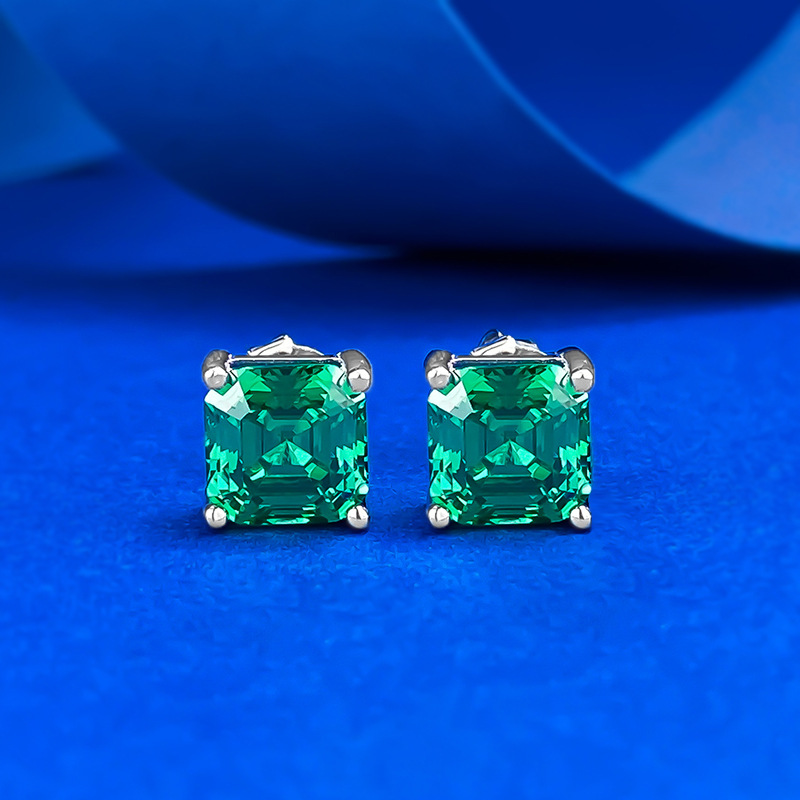
Diamond Stud Earrings Setting Comparison: Compare Prong, Bezel, Basket, Martini, Crown, and Halo Settings
A smart Diamond Stud Earrings Setting comparison can change the way you shop. Carat weight matters, but the setting controls how much light reaches the diamond, how securely the stone sits, how comfortable the earrings feel, and how polished they look on the ear. Two pairs of diamond studs with the same total carat weight can wear very differently if one uses a high prong basket and the other uses a low bezel or martini setting.
For shoppers comparing fine jewelry, the best setting is rarely about one single feature. It’s about balance. Do you want the most visible sparkle? Do you need smooth edges for daily wear? Are the earrings a gift, a travel-friendly staple, or a larger pair reserved for events? This Diamond Stud Earrings setting comparison breaks down the most common choices so you can buy with more confidence.
Diamond Stud Earrings Setting Comparison: What We’re Comparing
This Diamond Stud Earrings setting comparison focuses on the details that affect real-life wear: brilliance, security, comfort, style, and maintenance. A setting is not just a piece of metal holding the diamond in place. It changes how the diamond faces the light, how close it sits to the earlobe, and how often the earrings may need inspection.
The main diamond stud settings shoppers compare are:
- Prong settings: Open metal claws hold the diamond while exposing more of the stone to light.
- Bezel settings: A smooth metal rim surrounds the diamond for added protection and a modern outline.
- Martini settings: A tapered three-prong structure lets the diamond nest closer to the ear.
- Basket settings: A structured base supports the diamond with a classic, stable profile.
- Crown settings: Decorative metalwork lifts and frames the diamond with a more elevated look.
- Halo settings: Smaller accent diamonds surround the center stone to boost sparkle and visual size.
Stud earrings differ from hoop earrings, drop earrings, dangle earrings, and huggie earrings because they focus on a compact, face-forward design. Diamond studs don’t swing like dangle earrings or frame the ear like hoop earrings. They’re usually easier to wear in professional settings, more universal for gifting, and more adaptable across wardrobes. Huggie earrings and small hoops can be excellent companions in an ear stack, but diamond studs usually serve as the anchor piece.
StoneBridge Jewelry’s expert view is simple: setting choice can matter as much as carat weight for long-term satisfaction. A larger diamond in the wrong setting may tilt, snag, or feel bulky. A slightly smaller diamond in a well-built basket, martini, or bezel setting can look brighter, sit better, and feel more natural for daily wear.
How Diamond Stud Earring Settings Affect Sparkle, Security, and Comfort
Every Diamond Stud Earrings setting comparison should start with light. Diamonds sparkle because light enters the stone, reflects through its facets, and returns to the eye. GIA, the Gemological Institute of America, evaluates diamond quality through the 4Cs: cut, color, clarity, and carat weight. Cut has the strongest influence on brilliance, but the setting can either support or limit the way a well-cut diamond performs.
Open prong settings expose more of the diamond’s crown and pavilion, which can create a brighter, more diamond-forward appearance. Bezel settings cover the girdle with metal, which adds protection but may slightly reduce visible light entry from the sides. Halo settings add sparkle through accent stones, while crown settings create height and presence.
Comfort depends on several practical factors:
- Setting height: Low-profile studs usually feel easier for daily wear.
- Backing type: Push backs are simple, screw backs add security, and locking backs offer a firmer hold.
- Weight distribution: Larger total carat weights need a setting that keeps the diamond upright.
- Snag resistance: Smooth bezels catch less on scarves, sweaters, and hair.
- Ear fit: Martini settings can sit close, while some basket settings feel more structured.
Industry jewelers generally recommend periodic professional inspection for fine jewelry, especially prong-set pieces. Prongs can loosen over time with normal wear. Bezel settings are often recommended for active lifestyles because the metal rim protects the diamond’s edge and reduces catching.
Lifestyle should guide the final decision. Office wearers may prefer classic prong or basket diamond studs. Frequent travelers may like bezel settings for security. Gift buyers often choose four-prong basket studs because the look is timeless. For special events, halo diamond studs deliver more impact without switching to drop earrings or dangle earrings.
Prong Setting Diamond Studs: Classic Brilliance and Maximum Light
Prong settings are the classic choice in a Diamond Stud Earrings setting comparison because they put the diamond first. Small metal claws grip the stone while leaving much of the diamond visible. The result is bright, clean, and traditional.
A three-prong martini setting creates a refined triangular profile. A four-prong basket setting looks balanced and familiar. A six-prong setting adds more metal contact and can make round diamonds appear slightly more circular from a distance. The right option depends on the size of the diamond, the wearer’s comfort preferences, and the desired look.
Prong-set diamond studs are ideal for shoppers who prioritize sparkle. They work beautifully in 14k white gold for a crisp, icy look, yellow gold for warmth, rose gold for softness, and platinum for premium durability. For lab-grown diamonds, prong settings are especially popular because they showcase the stone’s cut quality without heavy metal coverage.
If you want a strong default choice, StoneBridge recommends classic prong-set lab-grown Round Diamond Stud Earrings. They give shoppers a timeless silhouette, broad styling flexibility, and strong brilliance for the price. Lab-grown diamonds can also help buyers choose a larger carat weight, finer color grade, or higher clarity grade within the same budget.
For shoppers building a complete fine jewelry wardrobe, prong diamond studs pair easily with hoop earrings, huggie earrings, tennis bracelets, solitaire necklaces, and everyday rings. You can also browse our jewelry collection to compare how different earring shapes fit into a full styling plan.
Prong Setting Features
Prong settings use an open design with minimal metal coverage. The diamond is lifted slightly, which can improve visibility from the front and side. This elevated structure helps the stone catch light as the wearer moves.
Prong count changes both appearance and security. Three prongs look airy and delicate. Four prongs feel balanced and familiar. Six prongs add more contact points, which may appeal to shoppers buying larger diamond studs or prioritizing extra reassurance.
Metal choice also shapes the final look. 14k white gold blends well with near-colorless diamonds in the G-H color range. Yellow gold can make slightly warmer diamonds look intentional and rich. Rose gold adds romance. Platinum offers density and prestige, though it usually costs more than 14k gold.
Prong Setting Pros and Cons
Prong settings earn their popularity for clear reasons:
- Pros: Strong sparkle, classic styling, strong diamond visibility, and easy pairing with stud earrings, hoop earrings, huggie earrings, and layered ear stacks.
- Cons: Prongs need occasional inspection, raised settings may catch on fabric, and the design offers less girdle protection than a bezel.
- Best buyer: Someone who wants a traditional diamond-forward look and plans to wear the earrings across many settings.
- StoneBridge guidance: Prong settings are ideal when the goal is maximum sparkle with a clean fine-jewelry profile.
For many buyers, prong studs deliver the best blend of brilliance, value, and versatility. But they do ask for a little care. If a prong bends or wears down, a jeweler should repair it before the diamond becomes vulnerable.
Bezel Setting Diamond Studs: Modern Protection and Everyday Ease
Bezel settings deserve close attention in any Diamond Stud Earrings setting comparison because they solve common everyday concerns. A bezel wraps the diamond in a smooth metal rim, protecting the girdle and reducing snag points. The result is sleek, secure, and practical.
This setting is especially strong for shoppers who wear diamond studs daily. The smooth edge is less likely to catch on knitwear, masks, hair, or scarves. It also creates a clean outline that can make each diamond look more defined. While a bezel covers more of the stone than prongs do, it offers a polished frame that many modern buyers prefer.
The aesthetic is different from a prong setting. Prongs feel airy and traditional. Bezels feel intentional, architectural, and contemporary. A white gold bezel can create a seamless icy outline, while yellow gold creates contrast around the diamond. For minimalist wardrobes, bezel diamond studs often look more finished than traditional prongs.
StoneBridge recommends bezel-set lab-grown diamond studs for daily wear, travel, and active routines. They’re also a strong choice for anyone who wants low-maintenance fine jewelry without giving up the elegance of diamond studs.
Bezel Setting Features
A bezel setting can be full or partial. A full bezel surrounds the diamond completely. A partial bezel leaves selected areas open while still providing added protection. Both versions create a smoother silhouette than prongs.
Bezel studs suit minimalists because they look clean without feeling plain. They also work well in smaller carat weights, where the metal frame can help define the diamond on the ear. For a practical ear stack, bezel studs pair especially well with huggie earrings, small hoop earrings, and slim metal bands.
The comfort benefit is real. Because there are fewer raised edges, many wearers find bezel studs easier for frequent wear. They can also be a smart option for second piercings because the smooth outline layers neatly with other earrings.
Bezel Setting Pros and Cons
Bezel settings are protective, but they involve a trade-off:
- Pros: Excellent diamond protection, low snag risk, clean modern styling, and strong comfort for frequent wear.
- Cons: More metal coverage can slightly reduce visible light entry compared with prong settings.
- Best buyer: An active wearer, frequent traveler, minimalist, or shopper who wants a secure everyday pair.
- Jeweler consensus: Protective settings are often recommended for people who want lower maintenance or who wear fine jewelry during busy routines.
If sparkle is your only priority, prongs may win. If security and smooth wear matter most, bezels have a clear advantage.
Basket, Martini, Crown, and Halo Settings: Additional Diamond Stud Options
After shoppers compare prong and bezel styles, the next step in a diamond stud earrings setting comparison is understanding the structure behind the diamond. Basket, martini, crown, and halo settings can all change how the earrings sit and how much presence they have.
Basket settings are classic and stable. They use a base that supports the diamond from underneath, usually with four prongs and horizontal metalwork. This structure can help larger stones sit evenly on the ear. Basket settings often feel traditional, which makes them a strong choice for gifts.
Martini settings have a tapered cone-like shape, often with three prongs. They allow the diamond to sit closer to the earlobe, creating a sleek profile. Many shoppers like martini settings because they reduce bulk while keeping the diamond visible.
Crown settings add decorative height. They can make diamond studs look more ornate without turning them into drop earrings. Halo settings go further by surrounding the center diamond with smaller accent stones, increasing sparkle and visual diameter.
These styles can be better than more fashion-forward alternatives if the buyer wants presence without movement. Drop earrings and dangle earrings create drama, but they may not suit daily office wear or milestone gifting as easily as studs. Hoop earrings can frame the face beautifully, yet they don’t provide the same classic diamond-on-ear look.
Basket vs. Martini Settings
Basket and martini settings are both popular prong-based options, but they feel different on the ear. Basket settings typically offer a stable structure with a slightly higher, more architectural profile. The base spreads the support across the diamond and can help the earring sit upright.
Martini settings often look more streamlined. Because the setting tapers toward the post, the diamond can nest closer to the earlobe. This can be flattering, especially in smaller to mid-size diamond studs.
Choose basket settings if you want a secure everyday classic with a familiar look. Choose martini settings if you prefer a clean, elegant silhouette and a closer fit. For larger carat weights, pay attention to backing strength. A secure back can help prevent forward tilt.
Crown and Halo Settings
Crown settings add a decorative frame while keeping the compact stud earring format. They often lift the diamond and create more dimension, which can make the earrings feel dressier than standard prong studs.
Halo settings surround the center diamond with smaller stones. This design creates one of the largest visual impressions among diamond stud options. For example, a 0.50 carat center diamond with a halo can appear noticeably larger than a solitaire stud of the same center-stone weight because the accent diamonds extend the visible outline.
Halo diamond studs are a smart alternative for shoppers who like the presence of dangle earrings or drop earrings but want the practicality of studs. They also work well for evening wear, anniversaries, and statement gifting.
Side-by-Side Diamond Stud Earrings Setting Comparison
A side-by-side diamond stud earrings setting comparison makes the buying decision easier because each setting has a clear role. The best choice depends on what you value most: maximum sparkle, everyday security, classic gifting appeal, minimalist styling, or larger visual impact.
Use this table as a shopper-focused reference before choosing metal color, diamond size, and backing type.
| Setting Type | Sparkle | Security | Comfort | Maintenance | Style Profile | Best Use Case | Ideal Buyer |
|---|---|---|---|---|---|---|---|
| Prong | Very high because more diamond is exposed | Good, with routine prong checks | Good, though raised styles may catch | Moderate | Classic and diamond-forward | Everyday wear, gifting, versatile styling | Buyer who wants maximum brilliance |
| Bezel | Moderate to high, with more metal framing | Excellent because the rim protects the girdle | Excellent due to smooth edges | Low to moderate | Modern, clean, minimalist | Daily wear, travel, active routines | Buyer who values protection |
| Basket | High with balanced diamond exposure | Very good due to structured support | Good, especially with secure backs | Moderate | Traditional and stable | Classic gifts, larger studs | Buyer who wants a timeless staple |
| Martini | High with a close-to-ear profile | Good, depending on prong build | Very good for many ear shapes | Moderate | Sleek and refined | Elegant everyday wear | Buyer who wants a low-profile look |
| Crown | High with added height and detail | Good to very good | Moderate to good, depending on size | Moderate | Decorative and elevated | Dressier studs, special gifts | Buyer who wants more design detail |
| Halo | Very high because accent diamonds add sparkle | Good, with more stones to inspect | Moderate, depending on diameter | Higher than solitaire studs | Bold, bright, larger-looking | Events, anniversaries, statement studs | Buyer who wants visual impact |
Recommended Table Columns
The most useful diamond stud earrings setting comparison includes three shopper-focused categories:
- Setting type: Prong, bezel, basket, martini, crown, and halo.
- Best for: Maximum sparkle, everyday security, classic gifting, minimalist style, larger visual impact, or special occasion wear.
- Trade-off: Maintenance level, diamond exposure, metal visibility, and how prominent the studs look on the ear.
Diamond size also changes the equation. A 0.25 carat per ear pair may feel comfortable in almost any setting. A 1.00 carat per ear pair needs more attention to structure and backing. For larger studs, screw backs or secure locking backs can help keep the earrings positioned well.
Metal color affects perceived brightness too. White gold and platinum can emphasize icy diamonds in D-H color ranges. Yellow and rose gold can warm the overall look and create a softer contrast. If you’re comparing lab-grown diamond options by color, clarity, and size, you can also shop our lab-grown diamonds to understand grading and value before selecting finished earrings.
Who Should Choose Each Diamond Stud Earring Setting?
The best diamond stud earrings setting comparison should end with a clear buyer match. The right setting depends on how the earrings will be worn, how much maintenance the wearer accepts, and whether the pair is a personal purchase or a gift.
Choose prong settings if you want the brightest, most traditional diamond stud look. They’re ideal for buyers who care most about sparkle and love a classic fine jewelry silhouette. Four-prong baskets and three-prong martini styles are especially versatile.
Choose bezel settings if you want smooth edges, protection, and daily ease. They’re practical for active wearers, frequent travelers, healthcare professionals, parents of young children, or anyone who prefers streamlined jewelry.
Choose basket settings if you want a stable, familiar structure. They’re excellent for gifting because most recipients recognize the look as classic diamond studs. They also support larger stones well.
Choose martini settings if you want a close fit and elegant profile. They’re refined without feeling trendy, and they work well with round brilliant diamonds.
Choose crown or halo settings if you want more presence. Halo studs are especially strong for shoppers who like the drama of drop earrings or dangle earrings but need the everyday practicality of studs.
Best Setting for Everyday Wear
For everyday wear, bezel, basket, and low-profile prong settings usually perform best. Bezel studs offer the smoothest edges and strongest protection. Basket settings provide structure and stability. Low-profile prongs give sparkle without excessive height.
Backing style matters as much as setting style. Push backs are easy and common. Screw backs add security, though some wearers find them slower to put on. Locking backs can be helpful for larger diamond studs or buyers who want extra reassurance.
StoneBridge recommends matching setting height and backing style to wearing frequency. If the earrings will be worn five or more days a week, Choose Comfort and Security first.
Best Setting for Gifting
For gifting, classic four-prong basket or martini diamond studs are the safest choices. They have broad appeal, strong sparkle, and a familiar fine-jewelry look. They’re also easier to style than many trend-driven earrings.
Bezel settings make excellent gifts for recipients with minimalist style or active routines. They feel modern without being risky. Halo settings can work beautifully for anniversaries or milestone gifts because they deliver extra sparkle and visual size.
Diamond studs are generally more universal than hoop earrings, drop earrings, or dangle earrings for milestone gifting. They suit more dress codes, more ages, and more personal styles.
Expert Recommendation: The Best Diamond Stud Setting Overall
For most StoneBridge Jewelry shoppers, the winner in this diamond stud earrings setting comparison is a classic prong basket or martini setting with lab-grown round brilliant diamonds. This choice offers the strongest mix of brilliance, versatility, timeless style, and everyday wearability. It’s the pair most buyers can wear to work, dinner, travel, and formal events without overthinking the styling.
The practical winner is a bezel-set lab-grown diamond stud. Bezel studs are the better choice if protection, smooth edges, and low-maintenance wear matter more than maximum diamond exposure. They’re also excellent for shoppers who want a contemporary look rather than a traditional prong profile.
Lab-grown diamonds strengthen both recommendations. IGI and GIA grading reports can evaluate lab-grown diamonds using familiar standards for carat weight, color, clarity, and cut. Because lab-grown diamonds often offer a lower price per carat than comparable natural diamonds, shoppers may be able to choose a larger total carat weight, higher color grade, better clarity, or a more refined setting within budget.
StoneBridge Jewelry weighs four details before recommending a final pair: craftsmanship, setting durability, diamond quality, and long-term wearability. A beautiful pair should sparkle on day one and still feel right years later.
CTA: Shop the Winning Diamond Stud Earrings at StoneBridge Jewelry
Ready to compare and Buy with Confidence? Use this diamond stud earrings setting comparison as your shortlist, then choose the setting that matches your daily routine and style goals.
- Shop classic prong-set lab-grown diamond stud earrings at StoneBridge Jewelry: https://www.stonebridgejewelry.com/collections/lab-grown-diamond-stud-earrings
- Shop bezel-set lab-grown diamond stud earrings for secure everyday wear: https://www.stonebridgejewelry.com/collections/bezel-diamond-stud-earrings
- Explore fine jewelry styles, including diamond studs, hoop earrings, huggie earrings, drop earrings, and dangle earrings: https://www.stonebridgejewelry.com/collections/fine-jewelry
If you’re deciding between two settings, think first about use. For sparkle and classic appeal, choose prong basket or martini studs. For security and comfort, choose bezel studs. For a larger-looking gift or dressier style, choose halo or crown studs. And if you want expert help comparing diamond size, metal color, and backing type, contact our jewelry experts for guidance Before You Buy.
Ready to Find Your Perfect Diamond?
Explore our collection of certified lab-grown diamonds
Shop Diamonds