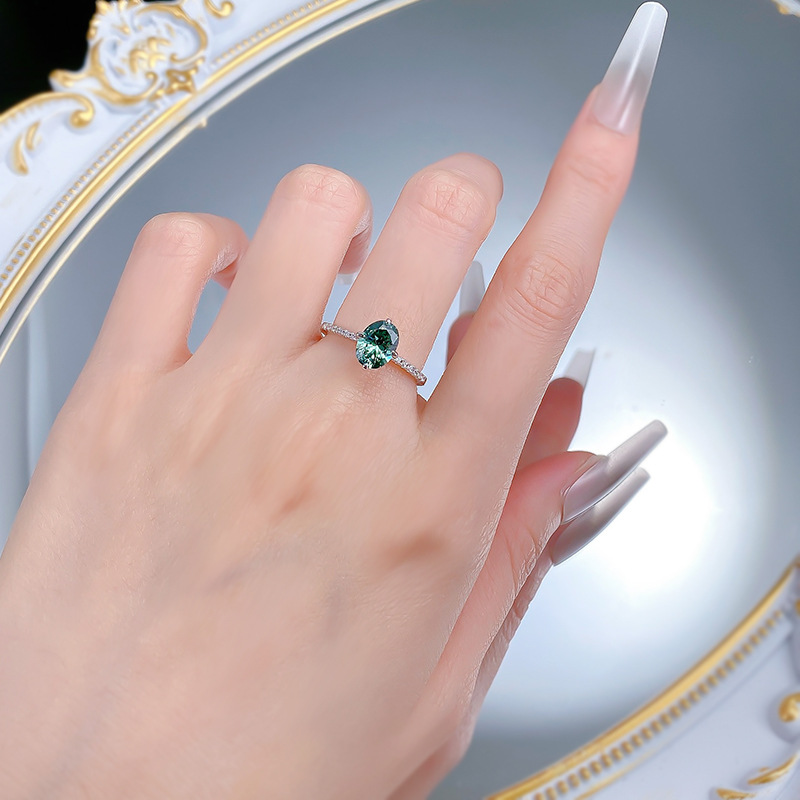
Prong Setting Safety for Pear Diamonds: V-Prongs vs Standard Prongs
Pear-shaped diamonds have a graceful teardrop outline, but that beautiful pointed tip needs smart protection. Prong setting safety for pear diamonds is about more than keeping the stone in place. It protects the point, steadies the rounded end, limits snagging, and helps the ring hold up through real daily wear.
A pear diamond can look delicate without being fragile. The setting makes the difference. The right prong design lets the diamond keep its elegant shape while helping it handle work, handwashing, travel, parenting, and the small bumps every engagement ring meets over time.
At StoneBridge Jewelry, we've found that shoppers often fall in love with the pear shape first, then ask one practical question: will the tip be safe? That's the right question to ask Before You Buy.
Prong Setting Safety for Pear Diamonds: What Matters Most
Prong setting safety for pear diamonds starts with the point. A pear cut has one rounded end and one tapered tip. That tip gives the shape its length and drama, yet it also creates the most exposed part of the stone.
For buying purposes, focus on three details:
- The pointed tip should have a V-prong, secure claw prong, or shaped metal guard.
- The rounded end should have balanced prongs that stop twisting or lifting.
- The prongs should feel smooth, sit at a practical height, and avoid sharp edges.
Round diamonds spread pressure more evenly around the edge. Pear, marquise, and princess cuts have points or corners that need more care. GIA education materials often note that pointed fancy shapes need protective settings because corners and tips can chip if struck at the wrong angle.
Prong setting safety for pear rings becomes even more important with larger lab-grown diamonds. Many buyers choose lab-grown stones because they can reach a higher carat weight within budget. A 1.50-carat pear diamond may measure around 10.0 x 6.0 mm, depending on its length-to-width ratio. That extra surface area looks stunning on the finger, but it can leave the tip more exposed if the setting is too open.
For most daily-wear rings, a well-made V-prong or 5-prong design gives the best mix of beauty and protection.
Standard Prongs vs V-Prong Settings
A standard 3-prong or 4-prong pear setting uses small prongs at the tip, shoulders, and rounded end. This style creates an airy look because less metal covers the diamond. It often appears in slim solitaires, delicate pavé rings, and vintage-inspired designs.
A V-prong setting uses angled metal to cup the pointed tip. A 5-prong setting usually pairs that V-prong with extra prongs around the shoulders and rounded end. This gives the diamond more contact points and better protection where it needs it most.
Use these buying criteria before choosing:
- Safety: Does the setting protect the tip and hold the stone evenly?
- Appearance: Does the prong style keep the pear outline graceful?
- Maintenance: Will the prongs be easy to inspect and clean?
- Lifestyle fit: Can the ring handle your daily routine?
- Value: Does the setting protect the center stone over time?
Prong setting safety for pear diamonds is a smart buying filter, not just a technical detail.
Why Pear Diamonds Need Extra Tip Protection
A pear diamond has a full belly, rounded shoulders, tapered sides, and a fine point. The point adds elegance, but it also takes more risk than a smooth curved edge. Diamond ranks 10 on the Mohs hardness scale, yet hardness does not mean chip-proof. A sharp impact can still damage a thin edge or pointed tip.
Prong placement matters as much as prong count. A tiny prong that barely touches the point may look minimal, but it may not protect enough for everyday wear. A well-shaped V-prong spreads protection around the tip instead of relying on one small contact area.
Prong setting safety for pear engagement rings also depends on the seat, the small groove where the diamond rests. The stone should sit securely in that seat, not balance on prong tips. If the diamond clicks, shifts, or catches often, have a jeweler check it.
Bench jewelers usually inspect prongs under magnification. They look for gaps, lifted tips, worn metal, uneven pressure, and movement. Annual inspections are common for engagement rings, and active wearers may benefit from checks every 6 months.
Safety Details to Check Before You Buy
Small construction choices can change how secure a pear diamond feels after years of wear. Ask to see the ring from the top and side. If you're shopping online, zoom in on the prongs and request extra photos if needed.
Check these details:
- Tip coverage: The pointed end should be covered, not barely touched.
- Prong thickness: Prongs should look strong without hiding the diamond.
- Ring height: Lower settings usually snag less than tall settings.
- Symmetry: Prongs should line up evenly so the pear sits straight.
- Stone seat: The diamond should rest in a properly cut seat.
- Finish quality: Smooth prongs reduce catching on hair, sweaters, and gloves.
Prong setting safety for pear diamonds improves when these details work together. More metal alone is not the answer. Better-shaped metal is.
Standard Prong Settings for Pear Diamonds
Standard prong settings use minimal metal to show more of the stone. A 3-prong setting may place one prong at the tip and two near the rounded end. A 4-prong setting adds more balance along the sides while keeping the diamond open and bright.
The appeal is clear. Standard prongs let more of the pear outline show. They can make the stone look longer, slimmer, and very refined. If you love a clean solitaire, this style may catch your eye first.
Standard prongs can work well for smaller pear diamonds, occasional-wear rings, or careful wearers. They can also suit yellow gold, white gold, rose gold, and platinum settings when the craftsmanship is strong.
Prong setting safety for pear diamonds still depends on how the tip is handled. If the pointed end has only a small exposed claw, the diamond may be more vulnerable during a direct bump. The risk rises with larger stones, higher settings, and hands-on routines.
For daily engagement rings, be honest about your habits. Do you wear gloves at work? Do you lift weights, travel often, or reach into bags all day? If yes, a more protective setting may make life easier.
Pros of Standard Prongs
Standard prongs are a strong style choice for shoppers who want a light, open ring. They can still be secure when made well and checked on schedule.
Key benefits include:
- More diamond visibility: Less metal covers the pear shape.
- Sleeker length: Minimal prongs can make the stone look longer.
- Classic style: Solitaire designs feel timeless and easy to pair with bands.
- Lower visual weight: Petite bands and small prongs suit delicate designs.
- Flexible styling: Standard prongs work with plain, pavé, and vintage-inspired bands.
Prong setting safety for pear rings can be acceptable with standard prongs if the stone sits low, the tip prong is secure, and inspections happen regularly.
Cons of Standard Prongs
The main concern is tip exposure. A pear diamond's point needs more than a decorative touch of metal. If the prong is too thin, too high, or poorly shaped, it can leave the tip open to impact.
Standard prongs can also loosen over time. Metal wears from fabric friction, cleaning, hand movement, and small knocks. Thin prongs may look beautiful on day one but need closer monitoring after steady wear.
Common drawbacks include:
- Less protection around the pointed tip
- Fewer contact points holding the stone
- Higher snag risk if prongs are tall or sharp
- More frequent checks for active wearers
- Less backup if one prong bends or lifts
If you prefer standard prongs, choose excellent setting work. Prong setting safety for pear diamonds should never depend on looks alone.
V-Prong and 5-Prong Settings for Pear Diamonds
A V-prong is shaped to shield the pointed tip of a pear diamond. Instead of leaving the point exposed, the metal forms a small angled guard. Prong setting safety for pear diamonds is usually stronger with a V-prong than with a single tiny tip prong.
A 5-prong setting adds even more stability. Many designs place a V-prong at the point, two prongs near the shoulders, and two near the rounded end. This layout helps secure the stone from several directions.
For daily engagement rings, this option often wins. It suits larger center stones, active hands, and shoppers who want less worry. If a pear diamond measures 9 mm or longer, the point extends enough that extra protection can make a real difference.
A good V-prong should not look bulky. Skilled setters shape it so it follows the pear's outline. In platinum, 14k gold, or 18k gold, it can look polished, intentional, and refined.
Our customers often tell us they want a ring they don't have to think about every hour. A lower-profile V-prong solitaire gives many buyers that comfort while still showing off the pear shape.
Pros of V-Prong and 5-Prong Settings
The biggest benefit is tip protection. A V-prong helps shield the point from direct contact, which supports long-term prong setting safety for pear rings.
Other benefits include:
- Better stability: More contact points help keep the diamond seated.
- Daily-wear confidence: Protective prongs fit engagement rings worn every day.
- Stronger support for larger stones: Bigger pear diamonds benefit from added structure.
- Better backup: If one prong wears, other contact points still support the stone.
- Polished look: A well-made V-prong can look sleek, not heavy.
For lab-grown pear diamond engagement rings, V-prong and 5-prong settings offer practical protection for a high-visibility center stone.
Cons of V-Prong and 5-Prong Settings
The tradeoff is a little more visible metal. A V-prong covers part of the tip, so the point may look slightly softer than it would in a very minimal setting. Some buyers prefer that barely-there look.
Craftsmanship matters here. A poorly shaped V-prong can look thick or uneven. The best version feels like part of the diamond's shape, not a cap sitting on top of it.
Cleaning can take a bit more attention near the tip. Soap, lotion, and debris can collect around small metal details. Warm water, mild dish soap, a soft toothbrush, and professional cleaning help keep the ring bright.
Prong setting safety for pear diamonds improves with a V-prong, but no prong style is maintenance-free.
Which Pear Prong Setting Is Safer?
The safer choice depends on diamond size, setting height, metal, prong shape, and the wearer's habits. For most daily-wear engagement rings, a V-prong or 5-prong setting gives stronger prong setting safety for pear diamonds than a minimal 3-prong or 4-prong design.
| Buying Factor | Standard 3- or 4-Prong Setting | V-Prong or 5-Prong Setting | Safer Choice |
|---|---|---|---|
| Tip protection | Fair to good, depending on coverage | Strong when the V-prong cups the point | V-prong or 5-prong |
| Diamond visibility | Excellent, with less metal | Very good, with more metal at the tip | Standard prongs |
| Snag resistance | Good if low and smooth | Very good if low-profile and polished | Slight edge to V-prong |
| Stone stability | Good with precise work | Stronger due to extra contact points | V-prong or 5-prong |
| Maintenance needs | Annual checks, closer watch on the tip | Annual checks, plus careful cleaning | Tie |
| Lifestyle fit | Best for careful wearers | Best for daily wear and active hands | V-prong or 5-prong |
| Overall safety | Good when expertly made | Best for most pear engagement rings | V-prong or 5-prong |
Metal choice matters too. Platinum is dense and durable, making it a strong prong metal. 14k gold is also practical for daily wear because its alloy mix adds strength. 18k gold has a richer gold content, though the exact wear pattern depends on the design and wearer.
A certified lab-grown diamond should come with grading from a trusted lab such as IGI or GIA. Look for carat weight, color, clarity, measurements, polish, symmetry, and fluorescence details. The grading report tells you what you're buying; the setting protects it once it's on your hand.
Who Should Choose Each Pear Setting?
Prong setting safety for pear diamonds should match the person wearing the ring. A setting that suits careful office wear may not suit someone who handles medical gloves, fitness gear, luggage, tools, or young children every day.
Choose standard prongs if you:
- Prefer a delicate, minimal-metal look
- Remove rings during high-impact tasks
- Want maximum visibility of the pear outline
- Feel comfortable scheduling routine inspections
- Prefer classic solitaire or vintage-inspired styling
Choose a V-prong or 5-prong setting if you:
- Want stronger prong setting safety for pear diamonds
- Plan to wear the ring daily
- Are choosing a 1.50-carat or larger center stone
- Use your hands often at work or home
- Travel frequently and want extra peace of mind
- Prefer practical security over an exposed tip
Healthcare professionals should look closely at glove comfort and snag resistance. Parents may prefer protective prongs because rings often hit strollers, car seats, toys, and household surfaces. Frequent travelers may appreciate added tip protection around luggage handles, airport trays, and unfamiliar routines.
Best Prong Setting by Ring Style
Different ring designs change how prong setting safety for pear rings works in practice.
- Solitaire pear rings: A refined V-prong or 5-prong setting usually gives the best mix of beauty and safety.
- Halo pear rings: A halo frames the center stone, but it does not replace proper tip protection.
- Three-stone pear rings: Side-stone clearance matters because stones should not rub against each other.
- Pavé band pear rings: Pavé adds sparkle, but center-stone prong strength still comes first.
If you're comparing styles, browse our pear engagement ring settings and look at prong placement, setting height, and tip coverage. You can also compare certified stones in our lab-grown diamond collection before pairing a diamond with a secure setting.
Expert Recommendation for Safer Pear Diamond Settings
For most buyers, the safest choice is a well-crafted V-prong or 5-prong pear setting. It protects the vulnerable point while keeping the teardrop outline elegant. That balance makes prong setting safety for pear diamonds much stronger for daily wear.
This recommendation becomes more important as carat weight increases. A 2.00-carat pear diamond can create a bold, elongated look, but it also gives the tip more exposure. If you're investing in a larger lab-grown center stone, give the setting the same level of attention as the diamond grade.
Before checkout, ask these questions:
- Does the pointed tip have a true V-prong or secure claw-style prong?
- Do all prongs sit evenly around the diamond?
- Is the ring height practical for daily wear?
- Which metal is used for the prongs?
- Does the ring include inspection or service guidance?
- Could resizing affect stone alignment?
- How often should the prongs be checked for your lifestyle?
A StoneBridge jewelry specialist or bench jeweler can inspect the setting under magnification before delivery. That review confirms the diamond is seated correctly, the prongs are smooth, and the tip has enough coverage.
Shop a Safer Pear Diamond Setting
For most shoppers, the better choice is a pear-shaped lab-Grown Diamond Ring with V-prong or 5-prong protection. It supports stronger prong setting safety for pear diamonds while keeping the ring bright, elegant, and wearable.
Start with these StoneBridge Jewelry paths:
- Shop pear engagement rings with secure V-prong or 5-prong options.
- Build a custom lab-grown pear diamond ring with your preferred stone, metal, and setting height.
- Compare certified lab-grown diamonds by carat weight, color, clarity, and measurements.
- Explore fine jewelry styles if you're matching an engagement ring with everyday pieces.
Before you choose, compare tip protection, profile height, metal choice, and center-stone size. A delicate ring can still be durable when the prongs are made well. A protective ring can still look graceful when the V-prong is shaped with care.
The best pear setting protects the tip, keeps the diamond stable, and feels comfortable enough for daily wear. For secure sparkle, StoneBridge Jewelry recommends V-prong or 5-prong settings as the stronger choice for prong setting safety for pear diamond engagement rings.
FAQ
What is the safest prong setting for a pear-shaped diamond?
A V-prong or 5-prong setting is usually the safest choice for a pear-shaped diamond. The V-prong protects the pointed tip, while the extra prongs help stabilize the shoulders and rounded end. For daily wear, this design gives better prong setting safety for pear rings than a minimal exposed-tip setting. Ask your jeweler to confirm that the tip is fully covered and the stone does not move.
Is a 3-prong setting safe for a pear diamond engagement ring?
A 3-prong setting can be safe if the work is precise and the tip prong gives real protection. It does have fewer contact points than a 5-prong setting, so it offers less backup if one prong bends or wears. This style works best for careful wearers who remove their ring during gym sessions, chores, and hands-on tasks. If you choose 3 prongs, schedule regular inspections and watch for snagging or movement.
Does a pear diamond need a V-prong at the tip?
A pear diamond does not legally or technically require a V-prong, but it's strongly recommended for engagement rings. The pointed tip is the area most likely to chip from a sharp knock. A well-shaped V-prong improves prong setting safety for pear diamonds without making the ring look bulky. It is especially helpful for 1.50-carat, 2.00-carat, and larger pear center stones.
How often should pear diamond prongs be checked?
Have pear diamond prongs checked by a jeweler at least once a year. If you wear the ring during travel, childcare, healthcare work, or fitness routines, a 6-month check can be a smart habit. Book an inspection sooner if the ring catches on fabric, makes a clicking sound, or feels loose. Routine checks help catch worn prongs before they become a bigger repair.
Do V-prongs make pear diamonds look smaller?
A well-made V-prong should not make a pear diamond look noticeably smaller. It covers a small part of the tip, but the added protection usually matters more than the tiny visual change. Skilled setters shape the V-prong to follow the diamond's natural angle, so the teardrop outline still reads clearly. If you're sensitive to metal coverage, compare a standard prong and V-prong setting side by side before buying.
Ready to Find Your Perfect Diamond?
Explore our collection of certified lab-grown diamonds
Shop Diamonds