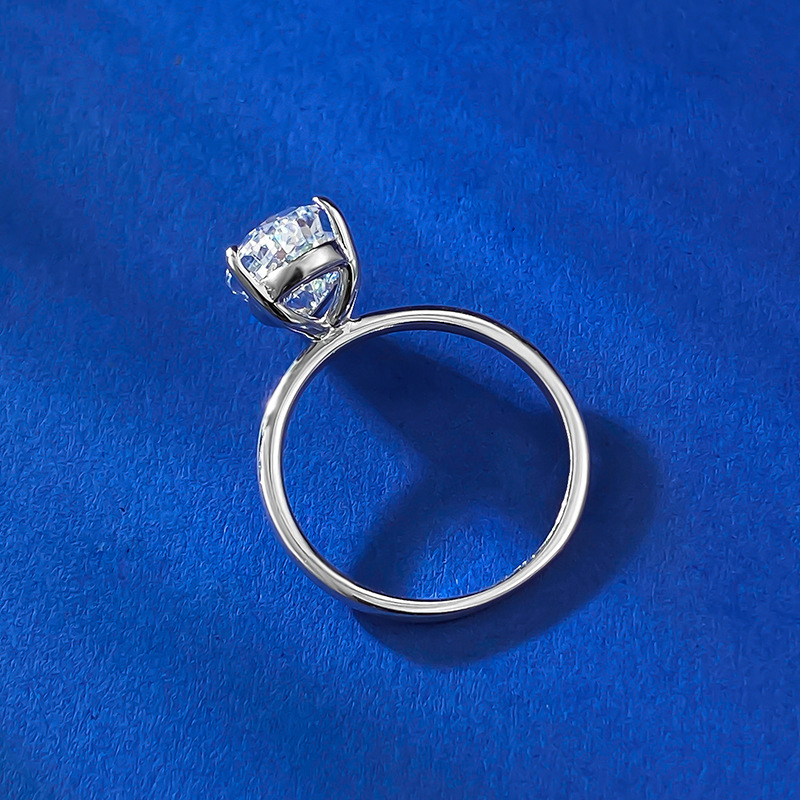
Prong Retipping Quote Approval Checklist for Ring Repairs
A prong retipping quote approval checklist helps you make a careful repair decision before your ring leaves your hands. If a center stone has loosened, a prong has worn thin, or the setting needs a small but necessary fix, the quote should spell out the work, the price, and any conditions that could change the total. That clarity matters. A weak prong can put the stone at risk, and a vague estimate can lead to surprise charges later.
The goal is simple: get the ring repaired the right way, keep the stone secure, and make sure the price matches the work. That applies to a solitaire engagement ring, a halo setting, or a vintage piece with delicate metalwork. GIA notes that prongs are one of the first parts of a setting to show wear because they take daily stress. So, should you approve a quote without checking the details first? Probably not.
What a Prong Retipping Quote Should Include
A prong retipping quote should never be a single number with no explanation. The best estimates break the job into clear parts so you know exactly what you're approving. A good prong retipping quote approval checklist starts with the repair scope and ends with the finish, timing, and any limits that could affect the final bill.
Essential line items to look for
A complete quote often includes some or all of these items:
- Inspection of the setting and prongs
- Labor for one prong, several prongs, or a full rebuild
- Metal material matched as closely as possible to the original setting
- Stone tightening or securing the center stone
- Polishing and cleanup after the repair
- Rhodium plating for white gold, if needed
- Refinishing for satin, matte, or high-polish surfaces
If the jeweler is retipping just one worn prong, the price should reflect that narrow scope. If the quote covers four prongs, six prongs, or a full basket rebuild, the cost should be higher. That difference matters because many buyers assume “prong repair” means the same thing every time. It doesn’t.
One prong, several prongs, or a full rebuild?
The quote should say exactly what’s being repaired. Here’s the difference:
- One prong retip: Best when only one tip shows wear, thinning, or damage.
- Multiple prong retips: Common when the ring has general wear but the head still holds.
- Full prong rebuild: Needed when prongs are too short, thin, bent, cracked, or weak.
- Head replacement: May be the better choice if the entire top section is failing.
A detailed prong retipping quote approval checklist should make this obvious. If the estimate only says “repair setting” or “fix prongs,” ask for more detail before you approve it.
Watch for vague estimates
Be careful with incomplete pricing. A quote can look low at first, then climb once the jeweler adds charges for stone removal, tightening, polishing, or finishing. Some estimates leave out White Gold Rhodium plating or never say whether the stone will be removed during the repair. If that happens, the final cost may not match what you expected.
A trustworthy jeweler will explain what’s included, what isn’t, and whether the quote could change after inspection. That kind of clarity is a good sign.
Checklist Items to Review Before You Approve the Quote
This is the heart of the prong retipping quote approval checklist. Read the estimate line by line before you say yes. Good repair work starts with good notes, and the quote should give you enough detail to feel sure about the price and the process.
1. Confirm the exact repair scope
Start with the basics: how many prongs are being retipped, rebuilt, or replaced? Ask whether the jeweler checked all prongs or only the visible problem area. A center stone can feel loose because more than one prong has worn down, even if only one looks damaged from the outside.
Check whether the jeweler is repairing:
- Just the tip of a prong
- The full prong from base to tip
- The entire setting head
- The basket or gallery area under the stone
If the quote does not specify the exact prongs, ask for a revised estimate. A prong retipping quote approval checklist should leave no room for guessing.
2. Ask whether the stone will be removed
A careful jeweler should tell you whether the stone will be removed, tightened in place, or protected during the repair. In many settings, the stone must come out to inspect hidden wear or avoid heat damage during soldering. That matters because the repair method changes both safety and cost.
If the stone stays in place, ask how the jeweler will protect it from heat, scratches, or setting stress. If it’s removed, ask how it will be stored and documented. For diamonds, sapphires, and other valuable gems, this step should be written into the estimate.
3. Look for metal type and finish details
Metal choice affects both look and cost. White gold, yellow gold, rose gold, platinum, and palladium each behave differently during retipping. Platinum often costs more because it’s denser and takes more labor. White gold may need rhodium plating after the repair to bring back the bright finish.
Your quote should note:
- Metal type
- Color match expectations
- Whether plating is included
- Whether the finish will be polished, matte, brushed, or satin
If the ring has a distinct finish, make sure the jeweler can match it. A fresh patch of metal can stand out, especially on vintage or designer settings.
4. Confirm stone security and inspection steps
A serious prong retipping quote approval checklist always includes a security check. The jeweler should inspect the stone for looseness, chips near the girdle, and wear in the seat where the stone rests. GIA-trained gemologists look at both visible damage and hidden wear before they recommend setting work.
Ask if the quote includes:
- Tightening the stone after retipping
- Checking the seat or bearing edges
- Inspecting nearby prongs for wear
- Evaluating the basket for thinning or cracks
These details matter because a repair that ignores the surrounding area can fix one problem and leave another behind.
5. Verify turnaround time and completion date
Every repair should include an expected completion window. A simple retip may take just a few days, while a more complex rebuild can take longer, especially if the jeweler also matches metal, plates white gold, or resets the stone.
Your estimate should list:
- Drop-off date or start date
- Expected completion date
- Whether delays are possible if hidden damage is found
- How you'll be notified if the price changes
If the jeweler can't give you a reasonable timeline, ask why. Good communication is part of the service.
6. Review warranty and workmanship terms
Before you approve the repair, ask what happens if a prong fails again or the stone loosens after pickup. Some jewelers offer limited workmanship warranties. Others don't. Either is fine if the policy is written clearly.
A solid prong retipping quote approval checklist should confirm:
- Length of the workmanship warranty
- What the warranty covers
- What it excludes, such as impact damage or wear-related loss
- Whether a follow-up inspection is recommended
If the jeweler won't put the warranty in writing, pause before approving.
7. Read the risk notes and limits
Repair work is never risk-free. A careful estimate should explain possible issues, such as:
- Stone chips during removal
- Hidden metal fatigue
- The need for a full head replacement instead of retipping
- A higher price if the setting is thinner than expected
This is where the prong retipping quote approval checklist becomes really useful. You're not only checking price. You're checking whether the jeweler has set honest expectations.
Quick review list before approval
Use this fast Checklist Before You sign off:
- The repair scope is written clearly.
- The number of prongs is listed.
- Stone removal or tightening is explained.
- Metal type and finish are included.
- Turnaround time is written down.
- Warranty terms are documented.
- Possible extra charges are disclosed.
- The final price matches the scope.
If any of those pieces are missing, ask for an updated quote.
How to Judge Price, Value, and Repair Options
Price matters, but the cheapest quote isn't always the best value. In jewelry repair, workmanship and stone safety often matter more than saving a little money upfront. That's especially true for engagement rings and fine jewelry worn every day.
Compare low, mid-range, and premium estimates
A practical prong retipping quote approval checklist should help you compare quotes side by side. Here's an easy way to read pricing:
| Quote Type | What It May Include | Buyer Takeaway |
|---|---|---|
| Low estimate | Basic retip, minimal inspection, limited finishing | Might work for a simple fix, but ask what's excluded |
| Mid-range estimate | Inspection, retip labor, tightening, cleanup, clear timeline | Often the best balance of service and value |
| Premium estimate | Full inspection, multiple prongs, polishing, plating, warranty | Better for valuable rings or complex settings |
A low quote can look tempting, but if it leaves out stone tightening or finishing, you may pay more later. A premium quote can be worth it if the ring has high value, delicate work, or a center stone that deserves careful handling.
Retipping versus head replacement
Sometimes the quote recommends retipping. Other times, it recommends replacing the entire head. That choice changes both cost and long-term value.
Retipping is usually the better option when:
- The prongs are worn but still structurally sound
- The head is stable
- The metal thickness is still enough
- The stone seat can be preserved
Head replacement may be the better choice when:
- The prongs are too short or too thin
- The head has cracks or repeated failures
- The setting is heavily worn from years of daily use
- The ring has already been repaired several times
Many buyers ask if a prong retipping quote approval checklist should always favor the cheapest fix. The answer is no. The right repair is the one that keeps the stone secure and fits the setting's condition.
How craftsmanship affects long-term value
Good workmanship can help the repair last longer. A well-done retip blends into the original setting, matches the metal, and supports the stone seat without bulky or uneven buildup. A poor repair can leave rough edges, visible patches, or weak contact points that wear down again fast.
Our customers often bring in rings that were “fixed” somewhere else, only to find the prongs still feel sharp or uneven. That extra redo usually costs more in the end. For diamonds and colorless stones, even a tiny bit of movement can become a problem. GIA-trained professionals recommend regular checks because prongs wear slowly and unevenly over time.
Ask for clarification if the estimate feels thin
Request a second opinion if:
- The quote is unusually low with little detail
- The jeweler won't explain how they inspected the ring
- The price jumps without a written reason
- The estimate doesn't say whether the stone is being removed
- The repair recommendation changes without a clear explanation
A second opinion isn't a hassle. It's smart shopping.
If you're also comparing styles for a future upgrade, you can browse our jewelry collection or explore our engagement rings to see how different settings affect maintenance.
Buyer Notes on Stone Safety, Maintenance, and Aftercare
A prong retipping quote approval checklist should also cover what happens before and after the repair. The goal is to protect the ring, preserve the stone, and reduce the chance of future wear.
Protect the ring before repair
Before you drop off the piece, take a few simple steps:
- Photograph the ring from several angles
- Note any chips, bends, or missing metal
- Verify insurance coverage or update your appraisal if needed
- Ask whether the jeweler provides intake paperwork
- Remove the ring if the prong feels extremely loose
If the ring is insured, a photo record can help support your paperwork. If you're unsure about fit changes that affect wear, StoneBridge Jewelry's ring size guide can help you plan ahead.
What aftercare should look like
Once the retipping is done, the ring should feel secure and look clean, with no rough spots. Ask the jeweler how to care for the setting in the first few weeks after pickup. A proper aftercare plan may include:
- Avoiding hard impact or gym equipment contact
- Removing the ring before heavy cleaning or gardening
- Scheduling a follow-up inspection if recommended
- Cleaning gently with mild soap and a soft brush
- Checking for looseness every few months
Many jewelers suggest at least one professional inspection each year for rings worn daily. For high-wear pieces, twice a year is even better.
What causes prongs to wear faster?
Several everyday habits can shorten prong life:
- Wearing the ring during exercise or manual work
- Stacking rings tightly against each other
- Frequent contact with hard surfaces
- Softer metals in high-contact areas
- Larger stones that put more pressure on the setting
Platinum and gold wear differently. Platinum is dense and durable, but it can develop a soft surface patina. Gold alloys vary by karat, and lower-karat alloys may show more wear over time, depending on daily use. Those details belong in any serious prong retipping quote approval checklist.
Spot the early signs of new wear
After repair, watch for:
- A stone that feels slightly loose when tapped gently
- A prong that looks shorter than the others
- A snag on fabric near the setting
- Visible gaps between the stone and the prongs
- Dull or thinning tips after repeated wear
If you notice any of those signs, schedule an inspection quickly. Catching wear early often costs less than waiting until a prong fails.
If you want to compare repair-minded buying Options Before You commit to a new piece, you can shop our lab-grown diamonds and review settings that are easier to maintain.
When to Approve, Delay, or Decline the Quote
A strong prong retipping quote approval checklist helps you decide in three ways: approve, delay, or decline. Each can be the right move, depending on the facts.
Green flags that support approval
Approve with more confidence when the quote includes:
- Clear repair scope
- Written metal type and finish
- Exact number of prongs being repaired
- Inspection notes for stone security
- A turnaround window
- Warranty terms
- Transparent pricing with no hidden steps
These are signs that the jeweler understands the work and is willing to document it.
Red flags that should make you pause
Delay or decline if you see:
- No itemized breakdown
- An unclear repair method
- No mention of the stone or setting inspection
- No written timeline
- No warranty or vague guarantee language
- Reluctance to explain why the repair is needed
- Pricing that leaves out essential services
A vague quote shouldn't be approved just because it's easy.
When to ask for more information
Pause and ask for clarification if the jeweler says any of the following:
- “We’ll see once we get into it.”
- “The price could change a lot.”
- “It’s probably fine.”
- “We don’t usually put that in writing.”
Those answers don't give you much protection for a valuable ring. A better move is to ask for a revised prong retipping quote approval checklist with written notes, or compare estimates from another jeweler.
Balancing safety, cost, and confidence
The best repair choice is usually the one that gives you confidence in the result. A slightly higher price can be worth it if it includes better stone protection, clearer communication, and a more durable repair. If the ring has sentimental or financial value, that difference matters even more.
If you're still comparing repair routes, contact our jewelry experts for help understanding quote differences before you approve.
FAQ: Prong Retipping Quote Approval Checklist
What should be included in a prong retipping quote approval checklist?
A good checklist should confirm the repair scope, the number of prongs being retipped, stone removal or tightening steps, metal type, turnaround time, and final cost. It should also note any warranty terms, risks, and whether polishing or finishing is included. A complete prong retipping quote approval checklist makes it easier to compare repair options side by side. That way, you can spot gaps before you approve the work.
How do I know if a prong retipping quote is fair?
A fair quote is usually itemized and explains both labor and materials. It should reflect the condition of the setting, the metal type, and how much work the jeweler expects to do. If the number seems unusually low or high, ask what’s included and whether the setting was inspected thoroughly. Clear documentation is one of the strongest signs that the pricing is honest.
Should I approve a prong retipping quote if the jeweler hasn’t removed the stone yet?
You can ask for a full inspection before approval if the stone hasn’t been checked closely. A jeweler should explain whether hidden wear, loose settings, or other damage could change the final estimate. If that information is missing, ask for a revised quote before you commit. Your prong retipping quote approval checklist should protect both the stone and your budget.
How long does prong retipping usually take after quote approval?
Turnaround time depends on the jeweler’s workload, the setting type, and whether the stone needs to be removed or reset. A simple retip may take about 3 to 7 business days, while a rebuild or head replacement can take 1 to 2 weeks or more. The quote should give you a completion window and explain what might extend it. If no timeline is provided, ask before approving the repair.
Is it better to retip prongs or replace the entire head?
Retipping is often the more economical choice when the prongs are worn but the head is still structurally sound. If the setting is thin, damaged, or repeatedly failing, replacing the head may offer better long-term value. The right choice depends on safety, durability, and cost. A careful prong retipping quote approval checklist should help you choose the option that protects the stone best.
Final Approval Checklist
Before you approve any repair, confirm the repair scope, metal type, turnaround time, warranty terms, and stone safety steps. Make sure the quote is written clearly and matches the ring's real condition. A complete prong retipping quote approval checklist helps you avoid surprises and choose the repair that best protects your stone and your budget.
If you're ready to move forward, contact our jewelry experts for help reviewing repair details, or read more on our blog for guidance on ring care, setting maintenance, and jewelry buying decisions. StoneBridge Jewelry is here to help you approve a prong retipping quote with confidence.
Ready to Find Your Perfect Diamond?
Explore our collection of certified lab-grown diamonds
Shop Diamonds