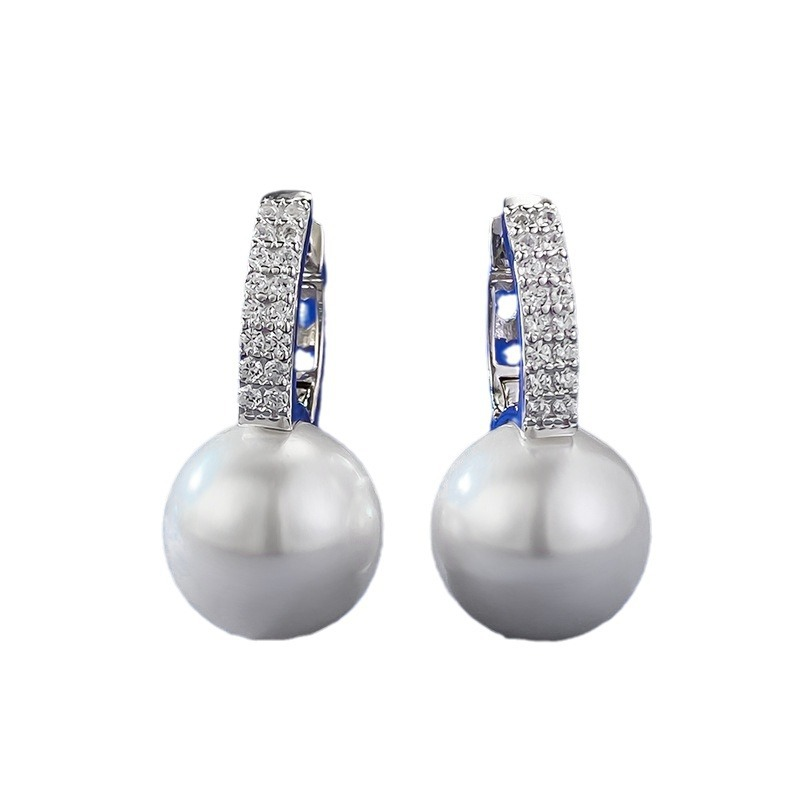
Professional Cleaning for Stud Earrings: Best Care Options Before You Buy
Professional cleaning for stud earrings matters more than many shoppers expect. Studs sit close to the ear, collect skin oils, and trap buildup behind the setting. Diamond studs worn every day can lose sparkle fast if they aren’t cleaned well.
The real question isn’t whether to clean them. It’s how to choose between professional cleaning for stud earrings, ultrasonic cleaning, and at-home care. The best option depends on the metal, the setting, how often you wear them, and how valuable the pair is. That choice looks different for hoop earrings, drop earrings, dangle earrings, and huggie earrings, too, since each style collects debris in its own way.
Before You Buy, it also helps to think like a long-term owner. A pair that looks beautiful in a display case may be annoying to maintain if the setting catches lotion, the backing loosens, or the post is too short for your earlobe. The right stud earrings should fit comfortably, clean easily, and survive repeated wear without constant repairs.
Professional Cleaning for Stud Earrings: What We’re Comparing
Professional cleaning for stud earrings is more than a quick polish. A jeweler usually inspects the piece, removes buildup, checks for loose stones or worn prongs, and finishes with cleaning or buffing. That does two things at once: it brings back shine and helps prevent damage.
At-home cleaning is simpler. Most people use mild soap, warm water, a soft brush, and a lint-free cloth. That works well for routine upkeep, but it doesn’t replace a jeweler’s inspection. Ultrasonic cleaning sits between the two. It uses sound waves to loosen grime, and it can work well for sturdy diamond studs. Still, it isn’t safe for every gem or every setting.
That comparison matters because stud earrings get worn a lot. They rest against skin, hair products, sunscreen, and everyday oils. Even tiny residues can dull brilliance. The Gemological Institute of America (GIA) notes that dirt and residue can block a diamond’s light return, which is why regular cleaning makes a visible difference.
Studs also need extra attention for security. Unlike many hoop earrings or huggie earrings, a stud depends on a small post, backing, and setting to stay in place. If the backing loosens or the prongs weaken, the risk isn’t just dullness. It can be stone loss.
When you shop, you should also think about the cleaning process itself. Some styles are easy to inspect because the stone is open from the side or held in a simple basket. Others hide grime beneath a halo, inside a bezel, or under decorative galleries. That design choice can affect how often you need professional cleaning for stud earrings and how easy it will be to keep the pair looking new.
Option 1: Professional Jeweler Cleaning for Stud Earrings
Professional cleaning for stud earrings is the most complete service for most fine pairs. A jeweler can evaluate the piece before cleaning, which is a big plus for diamond studs and precious-metal earrings in White Gold, Yellow Gold, platinum, or sterling silver.
A typical visit may include:
- Visual inspection under magnification
- Check of prongs, bezels, baskets, and posts
- Deep cleaning with approved solutions or steam, depending on the piece
- Tightening or repair advice if needed
- Polishing to restore shine on the metal
- Final inspection and backing check
This choice works well for shoppers who care about long-term wear, especially anyone with diamond studs priced from a few hundred dollars to several thousand. It’s also the safer pick for delicate settings, vintage styles, and studs with small accent stones.
If you’re comparing products before purchase, ask how the studs are made. A pair with basket settings and sturdy four-prong or six-prong construction is usually easier for a jeweler to maintain than a very low-profile design with tiny prongs hidden under a halo. Bezel-set studs are often durable and comfortable, but they can collect residue along the rim and may need more careful cleaning around the edge.
Buyers should also ask whether the seller offers lifetime cleaning or complimentary annual inspections. Those services are common on fine jewelry and can add real value, especially if you expect to wear the studs regularly. A slightly higher purchase price can be worth it if the jeweler will clean the piece, check the mounting, and tighten the setting at no extra charge.
Pros of professional cleaning for stud earrings
- Safer for delicate or valuable settings
- Better removal of buildup around the mountings
- Restores sparkle more effectively than routine wiping
- Helps spot loose stones, bent posts, or worn backs early
- Extends the life of fine jewelry through preventive care
Cons of professional cleaning for stud earrings
- Costs more than cleaning at home
- Takes time and sometimes an appointment
- May not be needed for every low-value pair
- Can lead to repair suggestions if wear shows up
For many shoppers, those tradeoffs are easy to accept once they compare them with the cost of a lost stone or damaged setting. Professional cleaning for stud earrings is often the better value when the pair is important, sentimental, or worn daily.
What to Expect During a Professional Cleaning
A jeweler usually starts with inspection. That step matters because buildup can hide damage. Then the earrings are cleaned using methods that fit the metal and stone. After that, the jeweler checks the setting again and may secure the stone if movement shows up.
The final buffing or polishing brings back surface shine. Industry guidance from GIA and other trade sources also points to periodic setting checks for frequently worn studs. Dirt, soap residue, lotion, and hair products can dull brilliance and create a less clean surface against the skin. For pierced ears, hygiene matters as much as appearance.
A simple rule helps here: if the pair still looks dull after gentle home cleaning, or if the backing feels loose, it’s time for a professional check.
It is also smart to ask whether the jeweler uses steam cleaning, ultrasonic cleaning, or hand-cleaning methods. Steam is often excellent for solid diamonds and durable metals, but it may not be appropriate for stones with fractures, treatments, or glued components. A good jeweler will explain the method before starting and will say no if the piece is not safe for a machine-based process.
Option 2: At-Home Cleaning Methods for Stud Earrings
At-home care gives you an easy way to maintain studs between professional visits. It works well for many everyday pairs, especially plain metal studs, newer pieces, and sturdy diamond studs without fragile accents.
The safest DIY method is simple:
- Mix mild soap with warm water.
- Soak the earrings for a few minutes.
- Use a very soft brush to lift residue.
- Rinse well.
- Dry with a lint-free cloth.
Approved jewelry cloths can help polish the metal after cleaning, especially on gold or platinum studs. For many buyers, that routine is enough to keep everyday buildup under control.
When you buy new stud earrings, it helps to choose a design you can realistically maintain. High-polish surfaces show fingerprints and body oils faster than matte finishes. White gold needs occasional rhodium maintenance to keep its bright tone. Sterling silver tarnishes more quickly than gold or platinum, so it may need more frequent wiping and polishing. If you don’t want that level of upkeep, platinum or 14k gold may be a better everyday choice.
Best uses for at-home care
- Everyday stud earrings worn often
- Simple diamond studs with durable settings
- Solid gold or platinum pairs
- Pieces that only need light maintenance between appointments
Pros of at-home cleaning for stud earrings
- Low cost
- Convenient
- Easy to repeat often
- Good for maintenance between professional cleanings
- Helps keep earrings fresher during regular wear
Cons of at-home cleaning for stud earrings
- Misses buildup behind the setting if done casually
- Can’t confirm whether prongs are secure
- May not fully restore brilliance on heavily worn pieces
- Can cause damage if harsh products are used
The biggest problem with at-home care isn’t the soap-and-water method. It’s the temptation to use stronger products. Bleach, ammonia-heavy cleaners, toothpaste, paper towels, and abrasive pads can scratch metal or damage some gemstones. For stud earrings with pearls, opals, emeralds, or glued parts, aggressive cleaning can do real harm.
Safe DIY Cleaning vs. Risky Methods
Safe methods include mild dish soap, lukewarm water, a baby-soft brush, and a microfiber cloth. Avoid ultrasonic devices unless a jeweler confirms the setting and stone are safe. Skip boiling water, harsh chemicals, and rough scrubbing.
Some diamond studs can handle more cleaning than soft gemstones, but that doesn’t mean every setting is safe. If the earrings have delicate pavé accents, antique construction, or unknown repairs, stop and ask a professional. Jewelers and grading organizations consistently recommend caution when setting integrity is unclear.
At-home care is enough when the goal is light maintenance. It’s not the right tool for visible grime, loose backs, or a pair that has lost its fire despite cleaning.
If you have sensitive ears, watch for residue behind the post or butterfly back. Product buildup can trigger irritation, especially on freshly pierced ears or when the backing is worn for long hours. Cleaning the earrings and the backing at the same time is often a simple fix. For people who wear studs during workouts or while sleeping, more frequent home cleaning may be needed because sweat and friction accelerate buildup.
Diamond Specs to Consider Before You Buy
If your goal is easy care, buying the right Diamond Stud Earrings makes a major difference. Professional cleaning for stud earrings can only do so much if the stones or setting are poorly chosen in the first place. Before You Buy, compare the core diamond specs so you know what you are maintaining.
The most important factors are the 4Cs: carat, cut, color, and clarity. For studs, cut usually matters most for sparkle. A well-cut round diamond reflects light better and looks brighter after cleaning. Many buyers choose color grades in the near-colorless range, such as G through I, because these can offer strong value once set in white gold or platinum. Clarity can often be in the SI1 to VS2 range for earrings because inclusions are less visible at normal viewing distance, especially in smaller stones.
Popular stud sizes include 0.25 ctw, 0.50 ctw, 1.00 ctw total weight, and above. As a rough shopping guide, smaller sizes around 0.25 to 0.50 ctw may cost a few hundred dollars in lab-grown diamonds and substantially more in natural diamonds, while 1.00 ctw pairs can range from about $1,000 to several thousand dollars depending on origin, cut, and metal. Lab-grown diamond studs are usually more budget-friendly than natural diamonds of the same size and appearance, which can matter if you want professional cleaning for stud earrings without paying a premium for the stone itself.
Ask whether the diamonds come with grading documentation. For natural diamonds, GIA and AGS reports are the most widely respected. For lab-grown diamonds, look for a reputable laboratory report that clearly identifies the stones as lab-grown and lists the measurements, cut grade, color, and clarity. Certification is especially useful when you want to compare online listings or insure the earrings later.
Shape also matters. Round brilliant studs are the easiest to clean and the most common choice because their faceting pattern hides minor residue well. Princess or cushion cuts can look striking, but their corners and edges may be a little more vulnerable in certain settings. If you want the easiest maintenance, a classic round brilliant in a secure setting is usually the safest purchase.
Metal Choices and Setting Tradeoffs
The metal you choose affects not only appearance but also cleaning, durability, and long-term upkeep. White gold is popular for diamond studs because it makes bright stones look crisp, but it usually needs rhodium replating over time. Yellow gold is warm, classic, and generally easy to maintain. Rose gold offers a softer look and hides scratches well, though some buyers prefer it for fashion rather than maximum sparkle. Platinum is the premium durability choice and is often favored for daily-wear studs because it resists wear better over time, even if it develops a soft patina.
For settings, four-prong styles are common because they let in light and can make a diamond appear slightly larger. Six-prong settings can offer added security, which is appealing for valuable studs or for buyers who worry about losing a stone. Bezel settings are sleek and protective, and they are a smart option for active wearers, but they can show less of the stone and require careful cleaning around the edge. Basket settings balance security and light return, though they can trap buildup underneath if not cleaned regularly.
If you want low-maintenance earrings, avoid overly ornate mountings with tiny crevices unless you’re comfortable with more frequent professional cleaning for stud earrings. The more detailed the setting, the more likely it is to hide soap, lotion, and skin oils. That hidden buildup is the main reason some studs look clean from the front but dull underneath.
Backings matter too. Push backs are common and easy to use, but they can loosen over time. Screw backs offer more security for small children’s earrings or for buyers who are especially concerned about loss, although they take longer to remove. La Pousette or locking backs provide a strong middle ground for many fine diamond studs because they’re secure and convenient. If you plan to wear your studs daily, a secure backing is worth the extra cost.
Side-by-Side Comparison: Professional Cleaning vs. At-Home Cleaning
If you’re choosing between professional cleaning for stud earrings and DIY care, the main differences show up in safety, depth, and long-term value.
| Factor | Professional Cleaning for Stud Earrings | At-Home Cleaning for Stud Earrings |
|---|---|---|
| Cost | Higher, service-based | Very low |
| Convenience | Requires a visit or shipping | Easy and immediate |
| Safety for delicate settings | Excellent | Good only if the method is gentle |
| Sparkle restoration | Best for deep buildup | Good for light maintenance |
| Setting inspection | Included | Not included |
| Loose stone detection | Yes | No |
| Best for diamond studs | Strongly recommended for periodic care | Good between visits |
| Best for everyday low-maintenance studs | Useful, but not always needed | Often enough |
| Long-term value | Strong, because issues are caught early | Helpful, but limited |
Professional cleaning for stud earrings wins on thoroughness. At-home cleaning wins on convenience. For diamond studs worn daily, the best answer is often both, not either-or.
Cleaning needs also change across earring styles. Hoop earrings and huggie earrings often collect grime around hinges and clasps. Drop earrings and dangle earrings can pick up dust on links or decorative surfaces. Stud earrings, though, can hide buildup right where the stone meets the mount, which is why professional cleaning for stud earrings helps so much.
The smaller the setting, the easier it is to miss damage. That’s why stud earrings and diamond studs often benefit more from inspection than larger statement pieces.
Common Buying Mistakes That Make Cleaning Harder
Many shoppers choose earrings based on sparkle alone and discover maintenance problems later. One common mistake is buying a diamond that is too small to notice quality differences, but set in a fragile mounting that needs frequent repairs. Another is choosing the lowest price without checking whether the pair comes with a grading report, a warranty, or professional cleaning support.
Another issue is buying a stud with a very short post or the wrong backing for your ear thickness. If the post is too short, the backing can press into the skin and trap oil and debris. If it is too long, the earring may tilt and collect dirt unevenly. The right fit helps the stud sit flat, which makes cleaning easier and wear more comfortable.
Shoppers also sometimes overlook finish and craftsmanship. A poorly finished basket may have rough edges that hold residue. Thin prongs can wear faster and make professional cleaning for stud earrings more important than expected. If a pair seems unusually inexpensive for its carat weight, ask what corners were cut: stone quality, metal thickness, backing style, or setting strength.
For online purchases, look closely at dimensions, not just carat weight. Two stud pairs with the same total carat weight can look very different if one is shallow and spread out while the other is deeper and more compact. The one that sits more securely and is easier to inspect will usually be the easier choice for long-term care.
Who Should Choose Which Cleaning Method?
Some buyers should lean hard toward professional cleaning for stud earrings. Others can rely on careful home care most of the time.
Choose professional cleaning if you:
- Own diamond studs with significant value
- Wear stud earrings almost daily
- Have delicate prongs, pavé halos, or intricate settings
- Notice dullness that home cleaning doesn’t fix
- Feel movement in the backing or post
- Recently inherited or bought vintage pieces
- Want a setting check with cleaning
Choose at-home cleaning if you:
- Need routine upkeep between service visits
- Wear low-maintenance stud earrings
- Own sturdy gold or platinum studs with simple settings
- Want a budget-friendly way to keep them fresh
- Have a new piece that’s still in excellent condition
Hybrid care works best if you:
- Use at-home cleaning monthly or as needed
- Book professional cleaning for stud earrings every 6 to 12 months
- Wear diamond studs often
- Want the best balance of appearance, safety, and cost
This hybrid method also helps sensitive skin wearers. Buildup can irritate pierced ears, and clean earrings feel better against the skin. Our customers often tell us they notice that comfort almost as much as sparkle.
If you are shopping for a gift, hybrid care is especially practical. The recipient may not know how often the earrings need service, so Choosing a Pair with sturdy construction, a visible warranty, and easy access to professional cleaning can make the gift more usable over time. That is one reason classic diamond studs remain a standard bridal, anniversary, and milestone purchase.
What to Ask Before You Buy Stud Earrings
Smart buyers ask a few practical questions before completing the order. Is the jewelry brand offering resizing or setting checks? If not, do they at least include complimentary cleaning? What happens if the backing is too loose or the post arrives bent? Does the seller provide insured shipping on full-value orders? These details matter because stud earrings are small, easy to misplace, and expensive to replace if something goes wrong in transit.
Look for clear shipping and return policies. A reputable seller should use insured delivery, require signature confirmation on valuable items, and provide a reasonable return window. For online fine jewelry, a 14- to 30-day return policy is common, though some custom or engraved pieces may be final sale. If you’re buying diamond studs, make sure the return policy gives you enough time to inspect the settings, compare size on the ear, and confirm comfort before the window closes.
If the seller offers free returns, ask who pays for return shipping and whether the item must be returned in original condition and packaging. It’s also wise to confirm whether cleaning services are included before return eligibility ends, since some retailers expect items to be in original wear condition. Those policies can affect the actual value of the purchase more than a small discount does.
For natural diamonds, ask whether the seller can provide insurance appraisals or valuation documents. For lab-grown diamonds, ask whether the listed price reflects the current market and whether the brand discloses the stone growth method and grading lab. Transparent documentation makes future servicing and insurance simpler.
Expert Recommendation: Best Cleaning Approach for Stud Earrings
For most shoppers, the best answer is a mix of both methods. Professional cleaning for stud earrings gives you the inspection, deep cleaning, and setting check that at-home care can’t match. At-home cleaning handles the regular upkeep that keeps buildup from getting out of hand.
That balance matters most for diamond studs, where brilliance depends on a clean surface and secure mounting. A 2023 GIA care update and standard jeweler guidance both support regular cleaning plus periodic inspection, since buildup can dull sparkle and hidden wear can turn into bigger problems later.
StoneBridge Jewelry recommends professional cleaning for stud earrings every 6 to 12 months, with gentle at-home care in between. That keeps sparkle high, helps protect the setting, and extends the life of fine jewelry without making upkeep feel like a chore.
If you want your earrings to look their best for years, the smart move is clear: use professional cleaning for stud earrings as the main checkup, then keep up with safe home care between visits.
Shop the Winner: Recommended Stud Earrings and Care Essentials
If you’re buying a pair that should stay easy to care for, look for designs that handle professional cleaning for stud earrings and routine home care without trouble. Diamond studs in secure settings, plain metal studs, and high-quality precious-metal designs are great places to start.
Recommended shopping links:
- Shop our lab-grown diamonds
- Browse our fine jewelry collection
- Design a custom ring with our ring builder
- Speak with our jewelry experts
Care essentials to consider:
- Jewelry cleaning solution made for fine metals
- Soft-bristle jewelry brush
- Lint-free polishing cloth
- Secure storage pouch or box
If you’re comparing styles, choose stud earrings that are easy to inspect and simple to clean. That makes professional cleaning for stud earrings more effective and routine upkeep much less stressful.
Also think about storage. A small lined jewelry box, a travel case with separate compartments, or a soft pouch can prevent scratches and stop backs from getting lost. Studs that rub against other jewelry can pick up surface marks that make them look dirtier than they are. Clean storage is part of the care plan, not an afterthought.
FAQ
How often should I schedule professional cleaning for stud earrings?
Most stud earrings do well with professional cleaning every 6 to 12 months. If you wear them daily, have diamond studs, or notice dullness, schedule service sooner. A jeweler can also check the backing and prongs during the visit. That helps prevent small problems from turning into lost-stone repairs.
Is professional cleaning safe for diamond stud earrings?
Yes, professional cleaning is usually the safest choice for Diamond Stud Earrings. The jeweler can inspect the setting while cleaning, which lowers the risk of damage. That matters if the pair has worn prongs, a loose backing, or a delicate mount. It also helps keep the stones bright.
Can I clean stud earrings at home instead of taking them to a jeweler?
Yes, you can clean many stud earrings at home with mild soap, warm water, and a soft brush. That’s a good choice for routine maintenance between professional visits. Still, home care can’t check for loose stones or worn prongs. If your earrings still look dull after cleaning, it’s time for a jeweler.
What is the safest way to clean stud earrings with delicate settings?
The safest choice is usually professional cleaning for stud earrings with delicate settings. A jeweler can remove buildup without stressing the prongs or glued parts. If you need to clean them at home, stick to mild soap, lukewarm water, and a soft brush. Avoid ultrasonic cleaners unless a professional says the piece is safe.
Do hoop earrings, huggie earrings, and dangle earrings need the same care as stud earrings?
They need regular care, but the cleaning approach can change based on the design. Hoop earrings and huggie earrings often collect grime around clasps and hinges. Drop earrings and dangle earrings can trap dust on links or decorative surfaces. Stud earrings often need more inspection because small settings can hide wear more easily.
What metal is easiest to maintain for everyday stud earrings?
Platinum and 14k gold are among the easiest choices for everyday wear because they are durable and less prone to rapid wear than softer options. Yellow gold tends to be low-fuss, while white gold may need rhodium replating over time. Sterling silver can be attractive and affordable, but it tarnishes more quickly, so it usually needs more cleaning and polishing.
What diamond size is best if I want low-maintenance studs?
Many buyers find that 0.25 to 0.50 ctw is a practical range for easy daily wear, especially if the setting is simple and secure. Larger pairs can be beautiful, but they may demand more attention because the prongs, backs, and overall weight become more noticeable. A well-cut smaller diamond can still look bright, especially after professional cleaning.
Should I worry about price if I plan to clean the earrings professionally?
Yes, because the cleaning method should fit the value of the piece. For lower-cost fashion studs, regular home care may be enough. For fine diamond or gemstone studs, the cost of professional cleaning is minor compared with the cost of repairing a loose stone or replacing a lost pair. The higher the value, the more important a jeweler’s inspection becomes.
Ready to Find Your Perfect Diamond?
Explore our collection of certified lab-grown diamonds
Shop Diamonds