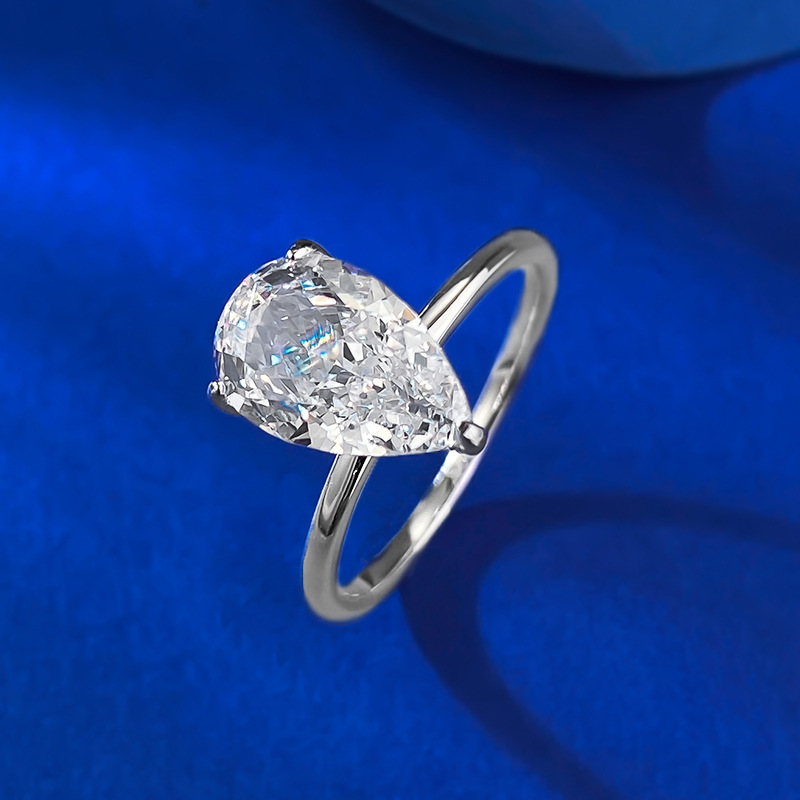
Bridal Jewelry Set Metal Comparison: Platinum, White Gold, Yellow Gold, or Rose Gold?
Choosing a bridal set isn't only about the diamond. The metal affects color, comfort, upkeep, durability, and long-term cost just as much. This Bridal Jewelry Set metal comparison breaks down the metals most couples consider for engagement rings, wedding bands, matching stacks, and related wedding jewelry.
A bridal set can mean an engagement ring with its wedding band, a matched pair of bands, or a larger set with an anniversary band and coordinating pieces. No matter how simple or detailed the set is, the metal choice shapes how it wears over time. Want the ring to stay bright white? Prefer a warmer look with less upkeep? Those questions matter.
What This Bridal Jewelry Set Metal Comparison Covers
Most shoppers begin with color. Some love the cool look of white metals. Others want the richness of yellow gold or the soft pink tone of rose gold. A useful bridal jewelry set metal comparison goes past appearance and looks at day-to-day wear, service needs, stone security, and overall value.
We'll compare the bridal metals shoppers ask about most often:
- Platinum
- White gold
- Yellow gold
- Rose gold
- Palladium
- Sterling silver
Metal choice changes more than style. A lower price at checkout can mean more maintenance later. A higher initial cost can pay off if the ring needs fewer cosmetic touch-ups or gives better long-term stone support.
This bridal jewelry set metal comparison focuses on four practical questions:
- How well does the metal hold up to everyday wear?
- How secure is it for diamonds and prong settings?
- How much maintenance will it need?
- Does the cost make sense for the value you get?
GIA notes that jewelry performance depends on purity, alloy mix, finish, and how the piece is worn. That's why no single metal fits every buyer. The better choice is the one that matches your lifestyle, skin sensitivity, budget, and design taste.
How We Compare Bridal Set Metals
For a bridal jewelry set metal comparison to be useful, it has to focus on ownership, not sales language. Jewelers usually judge ring metals by a mix of wear resistance, repairability, comfort, color stability, and setting performance.
Here are the points that matter most:
- Hardness and toughness: Hardness affects scratch resistance. Toughness affects how well a metal handles impact.
- Prong security: Some metals hold prongs and fine details better over long wear.
- Scratch pattern: Every metal scratches. They just age in different ways.
- Tarnish risk: This matters most for silver and far less for platinum or gold.
- Resizing: Bridal rings often need size changes. Not every metal is equally easy to work with.
- Maintenance frequency: Replating, polishing, inspections, and cleaning all affect cost over time.
- Purity: Platinum bridal jewelry is often 90% to 95% pure. Gold is usually sold in 14K or 18K, with 14K at 58.5% pure gold and 18K at 75%.
- Weight: Platinum feels heavier than gold, and that can be a plus or a drawback depending on personal taste.
We've found that shoppers often focus on metal color first and only ask about upkeep later. That's backwards. If you'll wear the ring every day, maintenance habits and setting strength deserve equal attention.
Platinum in a Bridal Jewelry Set Metal Comparison
Platinum usually sits at the top end of a bridal jewelry set metal comparison. It is naturally white, dense, and usually very pure. Most platinum bridal rings are stamped 900 Plat or 950 Plat, which means they contain 90% to 95% platinum.
That high purity helps explain why platinum is often recommended for sensitive skin. It also explains the price. Platinum rings often cost more than similar 14K gold designs, partly because the metal is denser and more of it is used in the ring.
Platinum is a strong choice for daily wear because it is tough and dependable in settings. It does scratch, but the metal tends to move rather than wear away quickly. Over time, many platinum rings develop a soft finish called patina. Some people love that heirloom look. Others prefer to have it polished back to a brighter shine.
Why do so many buyers still pick platinum despite the price? Simple: it offers a naturally white color without rhodium plating and has a long track record in fine bridal jewelry.
Platinum Pros
- Naturally white color with no plating needed
- Strong choice for prongs and stone security
- Good option for sensitive skin
- Noticeable weight and luxury feel
- Excellent long-term heirloom appeal
Platinum Cons
- Higher upfront price than most gold versions
- Heavier feel on the hand
- Scratches form a patina that not everyone wants
- Resizing and repair can cost more in some markets
Best Buyer Match for Platinum
Platinum suits buyers who want longevity first. It also makes sense for larger center stones, fine pavé work, and rings that will see constant wear. Our customers often choose platinum for lab-grown diamonds over 2.00 carats because they want extra peace of mind around prong security.
If you want a white metal and don't want to think about rhodium replating every year or two, platinum is hard to ignore. If budget is the main concern, gold may be the better fit.
Gold Options in This Bridal Jewelry Set Metal Comparison
Gold gives buyers the most flexibility in a bridal jewelry set metal comparison. It comes in several colors, works well in many settings, and usually costs less than platinum in comparable styles. Most bridal rings are made in 14K or 18K gold.
In simple terms, 14K usually gives you better durability for daily wear because the alloy content is higher. Eighteen-karat gold has more pure gold, richer color, and a slightly softer feel. For many couples, 14K is the sweet spot on price and wearability.
White Gold Bridal Sets
White gold is one of the most compared metals in any bridal jewelry set metal comparison. It gives a bright white look that resembles platinum at a lower starting price. Most white gold rings are coated with rhodium to create that crisp finish.
That look pairs well with round, oval, emerald, princess, and radiant diamonds. It is especially popular in halo rings, pavé bands, and sleek solitaires. If you're pricing a larger stone, white gold can free up more of the budget for the diamond itself.
White gold's main strengths include:
- Lower upfront cost than platinum
- Bright white appearance
- Broad design selection
- Strong value for modern bridal styles
The trade-off is maintenance. Rhodium plating fades with friction and wear, often first on the bottom of the band. Many owners replate every 12 to 24 months, though heavy wear can shorten that timeline. If the alloy contains nickel, sensitive skin can become an issue, so it's smart to ask whether the ring uses a nickel-free white gold alloy.
Yellow Gold Bridal Sets
Yellow gold brings classic warmth to a bridal jewelry set metal comparison. It doesn't rely on rhodium for color, so it usually has lower cosmetic upkeep than white gold. If you like a timeless bridal look, yellow gold is often the easiest metal to live with.
It works especially well for:
- Solitaire engagement rings
- Vintage-style settings
- Three-stone rings
- Warm, traditional bridal sets
Yellow gold can still scratch, of course. But many buyers don't mind the wear pattern because the color stays consistent. If you're building a stack and want a metal that pairs well with mixed tones later, yellow gold gives you plenty of flexibility.
Rose Gold Bridal Sets
Rose gold has a blush tone created by copper in the alloy. That copper can also add hardness, which helps explain why rose gold often holds up well in everyday rings. The look feels romantic and a little different without being hard to wear.
Rose gold tends to suit:
- Vintage-inspired settings
- Oval and pear-shaped diamonds
- Floral details and milgrain work
- Mixed-metal ring stacks
The main caution is personal taste. Rose gold doesn't flatter every skin tone the same way, and not everyone wants a pink-leaning metal for a lifetime ring. Still, in this bridal jewelry set metal comparison, it earns high marks for style and solid daily wear performance.
Alternative Metals: Where They Fit
A complete bridal jewelry set metal comparison should mention alternatives, even if platinum and gold remain the top choices for most couples.
Palladium is a naturally white metal related to platinum. It's lighter on the hand and can be a good option for sensitive skin. The downside is availability. Some jewelers carry fewer palladium styles, and future sizing or matching bands can be harder to source.
Sterling silver has a lower entry price and a bright look. Still, it is rarely the best choice for a daily-wear bridal set. Silver is softer, more likely to tarnish, and more prone to visible wear over time.
Other metals such as tungsten, titanium, and cobalt appear more often in plain wedding bands than in diamond-heavy bridal sets. Many can't be resized easily, which can become a problem years later.
Bridal Jewelry Set Metal Comparison Chart
A side-by-side chart can make the choice feel clearer.
| Metal | Relative Price | Daily Wear Performance | Maintenance | Skin Sensitivity Potential | Color Stability | Resizing and Service | Best Fit | Overall Bridal Use |
|---|---|---|---|---|---|---|---|---|
| Platinum | Highest | Excellent | Low to moderate | Excellent in high-purity alloys | Naturally white; may develop patina | Very good with experienced jewelers | Premium buyers, larger stones, sensitive skin | Excellent |
| White Gold 14K/18K | Moderate | Very good | Moderate; may need rhodium | Varies by alloy | Bright white with plating | Excellent | Value-focused white metal buyers | Excellent |
| Yellow Gold 14K/18K | Moderate | Very good | Low to moderate | Good, depends on alloy | Stable warm tone | Excellent | Classic bridal style, simpler upkeep | Excellent |
| Rose Gold 14K/18K | Moderate | Very good | Low to moderate | Fair to good, depends on alloy | Stable blush tone | Excellent | Distinctive style, vintage feel | Very Good |
| Palladium | Moderate to high | Good to very good | Low to moderate | Often good | Naturally white | Less common | Lighter white metal preference | Good |
| Sterling Silver | Low | Fair | Higher | Usually fair | Can tarnish | Good, but limited for lifelong wear | Travel or temporary sets | Fair |
According to common U.S. jewelry standards, platinum bridal jewelry is often sold in 900 or 950 purity, while bridal gold settings are most often 14K or 18K. IGI and GIA both stress that setting design matters, too. A well-built ring with proper prongs, solid shank thickness, and good bench work can make a major difference in long-term wear.
If you're starting with the stone first, browse our lab-grown diamonds and then compare metals based on setting style and total budget.
Which Metal Should You Choose?
The right answer in a bridal jewelry set metal comparison depends on what you value most.
Best for luxury and long-term wear
Choose platinum if you want the premium option with strong stone security, high purity, and a naturally white finish. It is often the top recommendation for larger center stones and heirloom-focused rings.
Best for value
Choose 14K white gold or 14K yellow gold. White gold gives you a white-metal look for less than platinum. Yellow gold cuts out the need for rhodium replating and can be simpler to maintain.
Best for lower cosmetic upkeep
Choose yellow gold or platinum. Neither depends on rhodium plating. Platinum may develop patina, while yellow gold keeps its color with routine cleaning and occasional polishing.
Best for sensitive skin
Choose platinum first. If platinum is out of budget, ask about nickel-free white gold and request the exact alloy details before buying.
Best for style-forward shoppers
Choose rose gold if you like warmth and a more personal look. It pairs well with vintage details and mixed-metal stacks.
Best for active daily wear
Think beyond color and ask how you actually use your hands. Do you lift weights, garden, work in gloves, cook often, or handle kids all day? In those cases, secure prongs, practical shank thickness, and a durable alloy matter as much as the metal color.
For side-by-side shopping, you can explore engagement rings, browse our fine jewelry collection, or test combinations in our ring builder.
Our Take: Best Overall and Best Value
If we had to name one winner in this bridal jewelry set metal comparison, platinum would take the top spot for overall performance. It offers a naturally white color, strong setting support, high purity, and proven long-term appeal.
Still, white gold remains the best value choice for many buyers. It delivers the look people want at a lower price, and that price difference can be meaningful. For example, in many bridal categories, platinum settings can cost 15% to 40% more than similar 14K white gold versions, depending on ring weight and current metal markets.
Yellow gold wins on warmth and simpler cosmetic maintenance. Rose gold stands out for personality and good day-to-day durability. There isn't a single perfect answer. There is only the right fit for the way you'll wear the ring.
Before You Buy, ask about:
- Prong design and stone security
- Band width and thickness
- Comfort fit options
- Expected resizing needs
- Alloy content and nickel use
- Maintenance schedule for your chosen finish
If you need help with fit before ordering, see our ring sizing guide or contact our jewelry team for one-on-one advice.
FAQ
Is platinum or white gold better in a bridal jewelry set metal comparison?
Platinum is usually the better pick if you care most about long-term wear, a naturally white metal, and a higher-purity option for sensitive skin. White gold is often the better value if you want a similar look at a lower upfront price. The main trade-off is upkeep, since white gold usually needs rhodium replating to keep its brightest finish. If you're comparing total ownership cost, include future maintenance along with the purchase price.
What is the most durable choice for an everyday bridal jewelry set?
Platinum is widely viewed as one of the strongest choices for everyday bridal wear because it offers dependable toughness and strong prong performance. A well-made 14K gold ring can also wear very well, especially if the band has enough thickness and the setting is built for daily use. We've seen craftsmanship make as much difference as metal choice in long-term satisfaction. Ask your jeweler about prong style, head design, and service needs before deciding.
Is yellow gold or white gold better for lab-grown diamond bridal sets?
White gold tends to highlight a crisp, icy diamond look, which many shoppers love in lab-grown diamond bridal sets. Yellow gold creates more contrast and warmth, which can make the center stone stand out in a different way. The better option depends on your style, skin tone, and maintenance tolerance. If you want less cosmetic upkeep, yellow gold is often easier to live with.
How often should you replate a white gold bridal set?
Most white gold rings need rhodium replating from time to time, but the schedule isn't the same for everyone. Many owners refresh the finish every 12 to 24 months, while frequent friction or hands-on work can speed that up. If you wear your ring during workouts, cleaning, or heavy desk work, the bottom of the band may show wear first. Ask your jeweler to include replating costs in your long-term bridal jewelry set metal comparison.
What metal is safest for sensitive skin in a bridal jewelry set?
Platinum is often the first recommendation because it is commonly used in 90% to 95% purity alloys and has a strong hypoallergenic reputation. If you prefer gold, ask specifically for nickel-free white gold or detailed alloy information Before You Buy. Yellow gold can also work well, depending on the alloy mix. The safest move is to confirm the exact metal content in writing.
Which bridal jewelry set metal gives the best value for the money?
For many buyers, 14K white gold or 14K yellow gold offers the best balance of price, Durability, and Style choice. White gold gives you a platinum-like look for less, while yellow gold often costs less to maintain over time. The best value isn't always the cheapest starting price. It's the option you'll still feel good about after years of wear and service.
Ready to Find Your Perfect Diamond?
Explore our collection of certified lab-grown diamonds
Shop Diamonds