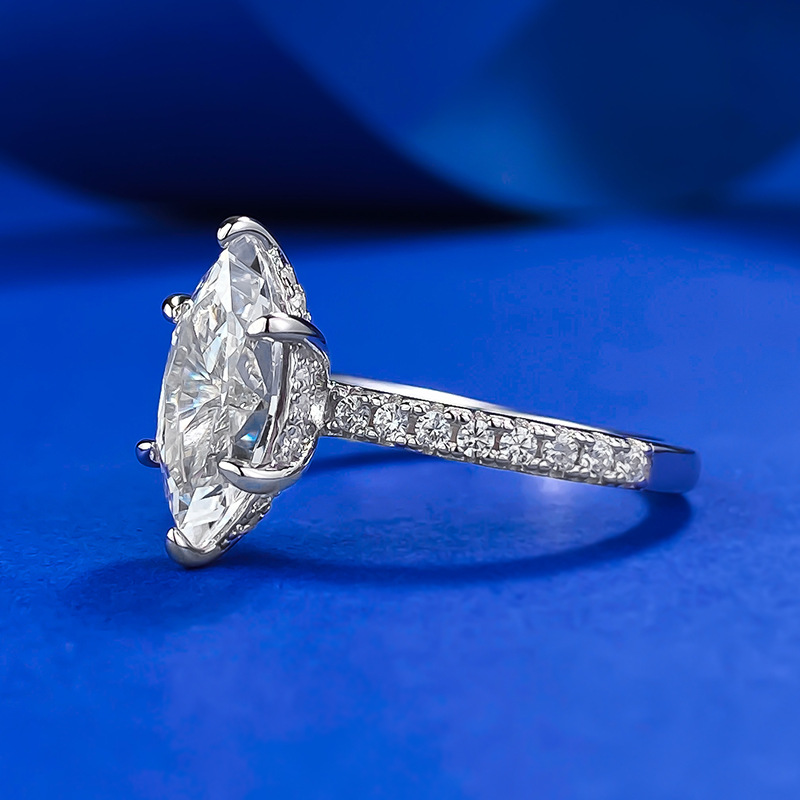
Princess Engagement Ring Setting Cost: What to Compare
Princess Engagement Ring Setting cost depends on more than the style you notice first. Metal, prong design, accent diamonds, band width, labor, and custom work all shape the final price. The setting also protects the center diamond, so it should never be judged by price alone.
Princess-cut diamonds have a sharp square outline and bright, clean sparkle. That shape looks striking in solitaires, halos, pavé bands, cathedral settings, three-stone rings, and modern bezel-inspired designs. The right setting can make the diamond feel crisp and architectural, soft and romantic, or bold and glamorous.
At StoneBridge Jewelry, we work with shoppers who want beauty, value, and practical guidance. Many customers start by asking about carat size, then realize the setting controls comfort, Security, and Daily Wear. A lab-grown princess-cut diamond can also free up more of the budget for platinum, pavé details, or a custom design.
Before You Buy, compare the full ring value, not just the sticker price on the setting.
What Drives Princess Engagement Ring Setting Cost?
Princess engagement ring setting cost usually comes down to five main factors: metal, design complexity, accent diamonds, labor, and customization. A 14k gold solitaire with secure V-prongs will typically cost less than a platinum halo setting with hand-set pavé diamonds and a custom-fit wedding band profile.
The setting cost is not only about metal weight. A princess-cut diamond has pointed corners, and those corners need careful protection. V-prongs, claw prongs, reinforced baskets, and bezel-style edges can add labor, but they also help protect the stone during daily wear.
Shoppers often compare center diamonds first, and that makes sense. The setting still decides how high the diamond sits, how much it sparkles from the side, how comfortable the ring feels, and how well it pairs with a wedding band.
A lower princess engagement ring setting cost can look tempting. Better value comes from a setting that holds the diamond safely, feels good on the hand, and matches the wearer’s lifestyle.
Why Princess-Cut Diamonds Need Protective Settings
Princess-cut diamonds have corners that create their famous square shape. Those same corners can be more exposed than the rounded edges of a round brilliant diamond. For that reason, jewelers often recommend V-prongs, strong corner prongs, a secure basket, or a bezel-inspired design.
A high-profile setting can show off the diamond and allow more light movement. It may also catch more easily on clothing or gloves. A lower-profile setting can feel more practical for someone who works with their hands, travels often, or prefers a smoother everyday ring.
The Gemological Institute of America, or GIA, teaches buyers to evaluate diamonds using the 4Cs: cut, color, clarity, and carat weight. For princess-cut rings, setting craftsmanship deserves the same careful eye. A poorly shaped prong can leave a corner vulnerable, even if the diamond itself has a strong grading report.
Key Features That Affect Princess Engagement Ring Setting Cost
Two rings can both be called halo settings and still have very different prices. One may use 14k gold with small accent diamonds. Another may use platinum, higher-grade melee diamonds, a thicker shank, and hand-finished prongs.
Review these details before comparing princess engagement ring setting cost:
- Metal type: Platinum, 14k gold, and 18k gold differ in density, purity, color, and upkeep.
- Setting style: Solitaire, halo, pavé, cathedral, bezel, and three-stone designs require different levels of labor.
- Accent diamonds: More small diamonds mean more material cost and more setting time.
- Band width: A wider or heavier band uses more metal and often feels more substantial.
- Profile height: Low, medium, and high settings affect comfort, visibility, and wedding band fit.
- Corner protection: V-prongs, baskets, and bezel-style edges can improve security.
- Custom work: CAD design, engraving, stone matching, and special fit requests raise the final price.
Lab-grown diamonds can help balance these choices. Because lab-grown diamonds often cost less than comparable mined diamonds, many shoppers can choose a larger center stone or upgrade the setting. That’s one reason StoneBridge customers often compare complete ring value instead of only princess engagement ring setting cost.
Metal Choices: Platinum, White Gold, Yellow Gold, and Rose Gold
Metal choice has a clear effect on princess engagement ring setting cost. Platinum usually costs more because it is dense, durable, and commonly used at about 95% purity in fine jewelry. It also has a naturally white color, so it does not need rhodium plating.
Gold gives shoppers more price and color options. 14k gold contains 58.3% pure gold and is known for strength and everyday wear. 18k gold contains 75% pure gold, giving it a richer color and higher precious metal content, though it can be a little softer than 14k gold.
White gold offers a bright, cool look but may need rhodium replating over time. Yellow gold adds warmth and classic contrast. Rose gold softens the sharp lines of a princess-cut diamond with a romantic pink tone.
Setting Style: Solitaire, Halo, Pavé, Cathedral, and Three-Stone
Style can change princess engagement ring setting cost as much as metal. Solitaire settings are often the most budget-friendly because they use fewer accent stones and less detailed stone-setting labor. A clean four-prong or V-prong solitaire can still feel refined when the proportions and finishing are strong.
Halo, pavé, and three-stone settings usually cost more. A halo adds small diamonds around the center stone. Pavé places tiny diamonds along the band. A three-stone ring adds side diamonds that must be matched for size, color, clarity, and shape.
A more detailed setting can be worth the upgrade if it matches the buyer’s goal. A halo can make the center diamond look larger. Pavé adds sparkle from more angles. Cathedral shoulders bring structure and height without covering the center stone.
Average Princess Engagement Ring Setting Cost by Style
Princess engagement ring setting cost varies by retailer, metal, accent diamond quality, craftsmanship, and customization. Some jewelers show setting-only pricing. Others show the complete ring price after you choose the center diamond, metal, size, and setting.
Use this chart as a shopping guide, not a fixed price list:
| Setting category | Typical features | Relative cost level | Best for |
|---|---|---|---|
| Simple solitaire | 14k gold, prong or V-prong setting, minimal detail | $ | Buyers who want more budget for the center diamond |
| Classic cathedral | 14k or 18k gold, raised shoulders, secure basket | $$ | Shoppers who want structure and elegance |
| Pavé band | Small diamonds along the shank, detailed setting work | $$-$$$ | Buyers who want extra sparkle without a full halo |
| Halo or hidden halo | Accent diamonds around or beneath the center stone | $$$ | Shoppers who want a larger, brighter look |
| Three-stone | Side diamonds or gemstones, matching work required | $$$-$$$$ | Buyers who want symbolism and strong presence |
| Platinum custom design | Premium metal, CAD design, custom fit, hand finishing | $$$$ | Buyers who want a one-of-a-kind ring |
The center diamond is often the largest part of the total ring price. Princess engagement ring setting cost can still make a meaningful difference, especially with platinum, pavé, halo, or custom designs.
Before checkout, confirm what the displayed price includes. Does it include the lab-grown center diamond? Are accent stones included? Is the selected metal reflected in the price? These details matter.
Budget-Friendly Princess Ring Settings
A lower princess engagement ring setting cost does not have to mean a plain or flimsy ring. Minimalist solitaires, V-prong designs, and simple cathedral settings can look timeless when they are well made.
A solitaire works well for buyers who want the princess-cut diamond to lead the design. V-prongs protect the corners while keeping the square outline visible. A cathedral setting adds graceful support without the added cost of a halo or pavé band.
These styles often let buyers put more of the budget toward the diamond. With a lab-grown princess-cut stone, a shopper may choose a larger carat weight, a higher color grade, or stronger cut quality while keeping the setting cost controlled.
Premium and Custom Princess Ring Settings
Premium settings include pavé bands, halo designs, hidden halos, three-stone rings, platinum builds, hand-finished prongs, and custom details. These raise princess engagement ring setting cost because they require more planning, more stones, and more bench work.
Custom rings may involve CAD modeling, measurement checks, wax or digital previews, casting, polishing, stone matching, and quality control. Princess-cut rings also need extra care around the corners, especially if the design is delicate near the center stone.
Custom work makes sense when it solves a real need. Maybe the wearer wants a flush wedding band, a lower profile, heirloom side stones, or a setting built around unusual diamond measurements. In those cases, the added cost can improve both comfort and long-term satisfaction.
How to Compare Cost and Value Before You Buy
The best way to compare princess engagement ring setting cost is to look at performance, not just price. A setting is a working structure. It holds the diamond, affects maintenance, and shapes how the ring feels every day.
Use this Checklist Before You decide:
- Confirm the metal: 14k, 18k, or platinum.
- Check corner protection: Look for V-prongs, strong claws, a basket, or bezel-style support.
- Ask about accent diamonds: Review color, clarity, cut consistency, and setting method.
- Review band thickness: Very thin bands can feel delicate but may wear faster.
- Inspect finishing: Smooth polish, clean symmetry, and even prongs signal better work.
- Ask about service: Warranty, cleaning, inspections, resizing, and repair policies affect long-term value.
- Plan the wedding band: A flush-fit, contoured, or notched band may change future cost.
GIA and IGI grading reports help shoppers compare the center diamond using standard details. These may include carat weight, measurements, color, clarity, polish, symmetry, fluorescence, and lab-grown disclosure. They don’t grade the setting, so you still need to judge the metalwork and stone security.
A cheap setting may cost more later if it bends, loses accent stones, or leaves princess-cut corners exposed. A slightly higher princess engagement ring setting cost can be a smart choice if it reduces repair risk and protects the center diamond.
Cost Per Wear and Durability
Cost per wear is a useful way to think about an engagement ring. If the ring is worn daily for 20, 30, or 40 years, comfort and durability matter as much as the first price tag.
Secure prongs, quality metal, and proper band thickness all support long-term value. Platinum can develop a soft patina over time. White gold may need rhodium plating every so often to keep its bright white finish.
Many jewelers recommend professional prong and stone inspections every 6 to 12 months, depending on wear. Pavé and halo settings need extra attention because they include many small diamonds. Regular checks can catch a loose prong before it becomes a lost stone.
Lab-Grown Diamond Value Advantage
Lab-grown diamonds are real diamonds with the same optical, chemical, and physical properties as mined diamonds. They are graded by the same 4Cs and can be certified by respected labs such as GIA or IGI.
This value can change how you budget. A buyer may choose a lab-grown 2.00 carat princess-cut diamond instead of a smaller mined diamond, then use the savings for a pavé band or platinum setting. Another shopper may keep the ring simple and use the budget for higher color or clarity.
If you want to compare center stones first, you can shop lab-grown diamonds and review carat weight, color, clarity, measurements, and certification details. Then you can match the diamond with a setting that fits both your style and your budget.
Choosing a Princess Setting for Style and Lifestyle
Princess engagement ring setting cost should reflect the way the ring will be worn. A ring for occasional wear can be more delicate. A ring worn every day should be secure, comfortable, and easy to maintain.
A solitaire highlights the clean shape of the princess cut. A halo adds sparkle and visual size. Pavé carries brilliance down the band. A three-stone ring adds balance and meaning, often representing past, present, and future.
Lifestyle can narrow the choices quickly. Someone who wears gloves, lifts weights, works in healthcare, cooks often, or travels frequently may prefer a lower-profile setting with smooth edges. Someone who loves sparkle may be happy to care for a pavé or halo ring with more frequent inspections.
Style Benefits: Modern, Classic, Minimalist, or Glamorous
Different settings create different moods. Platinum and white gold feel sleek and bright. Yellow gold feels warm and classic. Rose gold brings softness to the crisp geometry of a princess-cut diamond.
A solitaire suits minimal taste. A halo suits buyers who want a larger look. Pavé works well for sparkle without changing the center diamond shape. Three-stone settings suit shoppers who want more symbolism and presence.
You can explore engagement rings to compare princess-Cut Engagement Rings, solitaire styles, halo rings, and lab-grown diamond engagement rings. Seeing the styles side by side can make the choice much easier.
Comfort, Security, and Daily Wear
Comfort affects how often the ring gets worn. Smooth edges, balanced weight, accurate sizing, and a practical profile all matter. A ring that sits too high may snag. A very thin band may twist on the finger.
Princess-cut diamonds benefit from protected corners. V-prongs help shield the most vulnerable points while keeping the square outline visible. A bezel-inspired design may be a good fit for someone who wants even more edge protection.
Sizing also matters. A loose ring can spin, which puts the diamond off balance. A tight ring can feel uncomfortable and may be harder to remove. If you’re unsure, learn about ring sizing before ordering.
Buying Checklist for Princess Engagement Ring Settings
Before You Buy, make sure the setting matches the stone, the wearer, and the future wedding band. Princess engagement ring setting cost should fit your budget, but it should also support daily wear.
Use this checklist:
- Confirm the ring size before placing the order.
- Choose the metal based on color, durability, allergies, and care needs.
- Match the setting profile to the wearer’s routine.
- Check corner protection for the princess-cut diamond.
- Confirm the setting fits the diamond’s millimeter measurements, not just carat weight.
- Review accent diamond quality and placement.
- Decide whether the wedding band should sit flush.
- Read return, resize, and warranty terms.
- Confirm production and delivery timelines.
- Check the final order details before payment.
Our customers often tell us that wedding band fit is the detail they didn’t think about early enough. A low basket, large halo, or certain cathedral design may require a contoured band. Planning now can prevent a surprise cost later.
Care and Maintenance Costs
Care is part of long-term value. Clean a princess engagement ring with warm water, mild dish soap, and a soft brush. Rinse well and dry with a lint-free cloth.
Avoid bleach, harsh cleaners, and abrasive materials. Remove the ring during heavy lifting, gardening, swimming, or any activity that could strike the setting. Diamonds are very hard, but prongs and bands can still bend or loosen.
Maintenance may include prong tightening, polishing, rhodium plating for white gold, and accent stone service. A higher princess engagement ring setting cost can be worthwhile if the ring is built for repair, inspection, and decades of wear.
Where to Buy Princess Engagement Ring Settings
The best princess engagement ring setting cost balances price, beauty, durability, and personal style. A ring should look stunning on day one and still feel right years later.
StoneBridge Jewelry offers premium lab-grown diamond engagement rings with curated setting options. You can compare solitaire, halo, pavé, cathedral, three-stone, and custom designs. You can also review metal choices, diamond specs, accent details, and complete ring pricing before you decide.
Ready to build around a specific diamond? Try our ring builder to pair a lab-grown center stone with a setting that fits your budget and style. For wedding bands or fine jewelry gifts, you can also browse our jewelry collection.
If you have custom ideas, unusual diamond measurements, or questions about wedding band fit, contact a StoneBridge Jewelry specialist. We’ll help you compare princess engagement ring setting cost, security, comfort, and long-term value.
Make the Smart Choice for Your Budget
Princess engagement ring setting cost depends on metal, design, accent diamonds, labor, and custom details. A simple 14k gold solitaire usually costs less than a platinum halo, pavé, three-stone, or custom ring.
Price should guide the decision, but it shouldn’t make the decision for you. Prioritize secure corners, strong prongs, good metalwork, a comfortable profile, and a setting that fits the wearer’s routine.
Lab-grown diamonds can give you more room to choose the setting you really want. Compare the full ring, ask the right questions, and choose a princess engagement ring setting that protects the diamond as beautifully as it presents it.
Ready to Find Your Perfect Diamond?
Explore our collection of certified lab-grown diamonds
Shop Diamonds