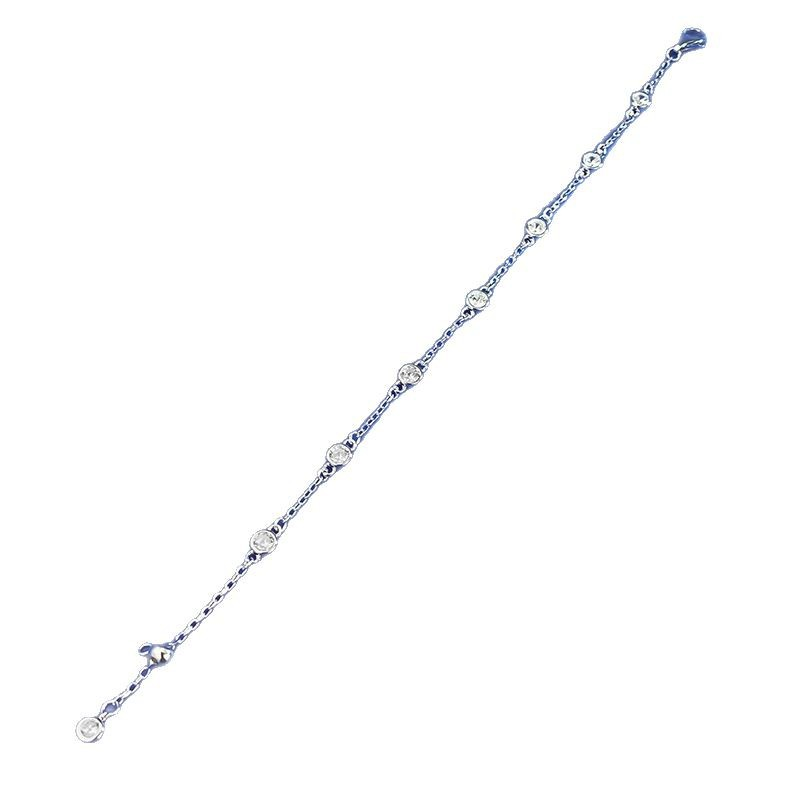
Princess Diamond Bangle Bracelet Cost: What Shapes the Price?
A princess-cut diamond bangle has a crisp, tailored look. The square diamonds catch light in a clean line, while the bangle shape gives the bracelet structure on the wrist. If you're comparing princess Diamond Bangle Bracelet cost, the price tag only tells part of the story.
The better question is simple: what are you actually paying for? Diamond quality, total carat weight, gold or platinum weight, setting work, clasp strength, and fit all affect the final price. A good bangle should sparkle, close securely, and feel comfortable enough to wear often.
At StoneBridge Jewelry, shoppers usually care about three things first: visible sparkle, trusted specifications, and a bracelet that doesn't feel risky to wear. Lab-grown diamonds help many buyers stretch their budget while still choosing real diamonds with the same optical, chemical, and physical properties as mined diamonds.
What Princess Diamond Bangle Bracelet Cost Includes
Princess diamond bangle bracelet cost includes more than the diamonds. It reflects the full build of the bracelet: stones, metal, setting labor, hinge design, clasp quality, finishing, inspection, and service support. Two bracelets can look similar online but feel very different in person.
Total carat weight, often listed as TCW, has the biggest visible effect. A 1.00 carat total weight bangle usually costs less than a similar 3.00 carat design. Carat weight alone can mislead buyers, though. A lower-carat bracelet with well-matched stones and a secure clasp may be the smarter purchase.
The Gemological Institute of America, or GIA, uses the 4Cs to evaluate diamonds: cut, color, clarity, and carat weight. Those standards matter for bangles too, even though many lab-grown diamonds are graded by GIA or IGI. Better cutting improves light return, higher color grades reduce warmth, and cleaner clarity grades reduce visible inclusions.
Metal content also changes price. 14k gold contains 58.3% pure gold, while 18k gold contains 75% pure gold. Platinum is denser than gold and often costs more because it requires more material weight and skilled labor.
Why Princess-Cut Diamonds Affect the Price
Princess-cut diamonds have sharp corners and a square outline. That shape gives the bracelet a modern, architectural look, but it also requires careful setting. Corners need protection, especially in jewelry worn on the wrist.
A bracelet set with princess diamonds should look even from stone to stone. Color, size, and brightness need to match across the row. One dull or warmer diamond can interrupt the whole line.
Princess diamonds also sit neatly beside each other. In channel, bar, or shared-prong settings, they can create strong edge-to-edge sparkle. That clean coverage is one reason princess diamond bangle bracelet cost can rise quickly as diamond count increases.
Who Should Choose This Bracelet Style?
A princess diamond bangle suits anniversaries, milestone birthdays, bridal looks, graduations, and self-purchase gifts. It feels more substantial than a chain bracelet and more structured than a flexible tennis bracelet. If you want a bracelet that looks polished with a watch or solitaire ring, this style works well.
For frequent wear, choose a lower-profile design with secure settings and a comfortable inner curve. For formal events or a major gift, more diamond coverage can make the bracelet feel special. The right choice depends on how often the wearer will reach for it.
Main Factors That Change Princess Diamond Bangle Bracelet Cost
Princess diamond bangle bracelet cost changes with six main features: total carat weight, diamond quality, diamond matching, metal choice, setting style, and bracelet engineering. A low price may look tempting, but weak hinges or uneven stones can lower long-term value.
Bracelets need a different buying lens than solitaire rings. In a ring, one center stone gets most of the attention. In a bangle, many diamonds have to work together. Consistency matters.
Look closely at these details Before You Buy:
- Total carat weight and diamond coverage
- Diamond cut, color, clarity, and matching
- Metal type, purity, and weight
- Setting style and corner protection
- Hinge, clasp, and safety lock construction
- Warranty, return policy, and support access
A fair princess diamond bangle bracelet cost should reflect beauty and durability. It should also include the confidence that the bracelet can be worn without constant worry.
Total Carat Weight and Diamond Coverage
Total carat weight usually drives the largest price difference. More diamonds mean more material cost, more setting work, and more inspection time. Coverage also matters.
A front-facing bangle places diamonds across the visible top of the wrist. A half bangle adds more sparkle but keeps the underside metal-only. A three-quarter bangle shows diamonds from more angles. A full eternity bangle carries diamonds around the entire bracelet and usually sits in the highest price tier.
Common coverage options include:
- Front-facing diamond section: controlled cost with visible sparkle.
- Half diamond bangle: stronger diamond presence for gifting.
- Three-quarter diamond bangle: more side-view sparkle and polish.
- Full eternity diamond bangle: maximum brilliance and luxury feel.
If two bracelets have the same TCW, check the layout. Larger stones across the front can look bolder than many tiny stones spread across more surface area.
Diamond Quality, Matching, and Sparkle
Cut quality has a big effect on princess diamond bangle bracelet cost. Well-cut princess diamonds show lively flashes. Poorly cut stones can look dark in the center or flat under normal lighting.
For many lab-grown diamond bangles, G-H color and VS clarity offer a bright, clean look without pushing the budget too far. Some buyers prefer F-G color for a crisper white appearance, especially in white gold or platinum. Carefully selected eye-clean SI stones can also work when the bracelet is well matched.
Matching is the quiet detail that makes a bracelet look expensive. The diamonds should face up with similar color, size, and brightness. Customers often notice this before they can name it; the bracelet simply looks smoother and more refined.
Metal, Setting, Hinge, and Clasp
Metal choice affects both price and feel. 14k gold is durable and practical for regular wear. 18k gold has richer gold content and a warmer luxury feel. Platinum feels substantial, stays naturally white, and often costs more.
Setting style also changes the cost. Channel settings protect princess-cut corners and create a sleek line. Prong settings show more diamond but need careful maintenance. Bezel settings use more metal and offer excellent protection. Shared-prong settings can increase sparkle but require precise work.
Don't ignore the clasp. A diamond bangle should open smoothly and close with a firm, reassuring click. Safety catches, double locks, polished interiors, and aligned hinges all add value to princess diamond bangle bracelet cost.
Princess Diamond Bangle Bracelet Cost by Budget Range
Princess diamond bangle bracelet cost varies because diamond supply, lab-grown diamond pricing, gold prices, platinum prices, and bracelet specifications all move over time. Use price ranges as a planning tool, not a fixed quote. Always confirm live pricing Before You Order.
| Budget Range | Common Features | Best For | Value Focus |
|---|---|---|---|
| Entry-level | Lower TCW, partial coverage, 14k gold | First diamond bracelet, daily polish | Secure build and clean matching |
| Mid-range | More coverage, stronger sparkle, refined finish | Anniversaries, birthdays, self-purchase gifts | Balance of size and quality |
| Premium | Higher TCW, upgraded metal, detailed settings | Bridal jewelry and major milestones | Visual impact with durability |
| Luxury | Full coverage, larger stones, platinum or custom work | Statement gifts and collector pieces | Craftsmanship, rarity, and presence |
A 2.00 carat bangle with uneven diamonds may not beat a 1.50 carat bracelet with better matching and stronger construction. Value comes from the complete piece. That's why princess diamond bangle bracelet cost should never be judged by carat weight alone.
If you're browsing StoneBridge Jewelry, start with how the bracelet will be worn. For weekly wear, Comfort and Security should rank high. For a major event, diamond coverage may matter more. You can also browse our fine jewelry collection to compare bracelet styles with rings, earrings, and other pieces.
Entry-Level Bangles
Entry-level princess diamond bangles usually use lower total carat weight, partial diamond coverage, and 14k gold. This can be a smart choice when you want real sparkle without a high-jewelry budget. A front-facing diamond section keeps brilliance where people see it most.
Still, don't trade away the basics. The bracelet should not pinch, snag, rattle, or feel flimsy. Even an entry-level piece should have secure stones, a smooth finish, and diamonds that look consistent.
Mid-Range and Premium Bangles
Mid-range designs often give buyers the best balance. You may see more TCW, a half or three-quarter diamond layout, stronger metal presence, or upgraded settings. These details make the bracelet feel gift-worthy without moving into full eternity pricing.
Premium bracelets may use 18k gold, platinum, larger princess diamonds, or more detailed construction. Princess diamond bangle bracelet cost rises with those upgrades, but the extra spend can make sense if it improves fit, sparkle, and confidence during wear.
Luxury Princess Diamond Bangles
Luxury bangles combine larger stones, broader coverage, premium metal, and careful matching. Full diamond coverage requires more work because the diamonds must look even around the bracelet. Larger princess diamonds also need secure corner protection.
At this level, the price reflects presence as much as materials. A statement bangle can mark a landmark anniversary, complete a bridal look, or become a signature piece. Ask about fit, diamond specifications, clasp security, and after-purchase support before making a final choice.
Lab-Grown Diamond Value in Princess Bangles
Lab-grown diamonds can make princess diamond bangle bracelet cost more flexible. GIA explains that laboratory-grown diamonds have essentially the same chemical composition, crystal structure, and optical properties as natural diamonds. The difference is origin, not the fact that both are diamonds.
That difference matters in bracelets because a bangle uses many stones. A buyer may be able to choose higher total carat weight, better matching, or a more protective setting while staying within budget. For many shoppers, those upgrades are easier to see and feel than mined origin.
Lab-grown value still needs careful review. A lab-Grown Diamond Bracelet isn't automatically well made. Check the full specification sheet, product photos, metal details, setting type, and service terms before comparing princess diamond bangle bracelet cost.
You can shop lab-grown diamonds to see how shape, size, color, and clarity change appearance. If you're planning a coordinated bridal look, explore engagement rings to match metal tone and diamond shape.
Where Lab-Grown Diamonds Help Your Budget
Lab-grown diamonds can free up budget for design details. You might choose more diamond coverage, upgrade from 14k to 18k gold, select a better clasp, or focus on tighter diamond matching. Those choices can improve the whole bracelet.
For example, a well-matched G-H color, VS clarity lab-grown bangle with secure construction may be more satisfying than a higher-grade bracelet with a lighter build. The strongest value comes from balance.
What to Check Before Buying Online
Before buying, review total carat weight, diamond shape, color range, clarity range, metal purity, setting style, bracelet dimensions, clasp type, warranty, and return terms. Clear product photos should show the top, side, clasp, and inner curve.
Ask practical questions too. Is the bracelet hinged? Does the clasp have a safety lock? What is the inner diameter? Are the diamonds individually graded or listed as a matched range? If you're unsure, contact our jewelry experts before ordering.
Wearability, Styling, and Long-Term Care
A princess diamond bangle brings structure, sparkle, and clean lines. It can dress up a simple shirt, add polish to workwear, or finish an evening outfit. The square diamonds give the bracelet a neat, modern rhythm.
The best bracelet is the one the wearer will actually enjoy. A dramatic full-coverage bangle may be perfect for formal events. A lower-profile hinged bangle may be better for frequent wear.
Princess diamond bangle bracelet cost should also include care expectations. Fine jewelry needs gentle cleaning and periodic inspection. For frequently worn diamond jewelry, many jewelers recommend professional cleaning and inspection every 6 to 12 months.
Fit and Comfort
Bangle fit differs from flexible bracelet fit. A flexible bracelet drapes. A bangle keeps its shape. Inner diameter, wrist shape, bracelet width, and hinge design all affect comfort.
A hinged bangle can fit closer because it opens at the side. A slip-on bangle needs enough room to pass over the hand. A good fit should move a little but not spin constantly.
If you're buying a gift, measure an existing bracelet or ask for sizing help. Accurate fit protects the bracelet and makes it more likely to be worn.
Cleaning and Protection
Clean a diamond bangle with warm water, mild soap, and a soft brush. Rinse well and dry with a lint-free cloth. Avoid chlorine, harsh chemicals, abrasive surfaces, and heavy impact.
Store the bracelet separately so diamonds and metal don't scratch other pieces. Have a jeweler inspect clasps, hinges, prongs, channels, and stone security. Small fixes are easier before they become repair problems.
How to Compare Princess Diamond Bangle Bracelet Cost Before Buying
To compare princess diamond bangle bracelet cost fairly, line up the full specifications. Don't choose only by the lowest price or the highest carat number. Compare what the bracelet gives you in beauty, comfort, strength, and support.
Start with TCW and diamond coverage. Then review diamond color, clarity, cut quality, and matching. Check metal type and purity. Look closely at the setting and clasp.
Use this quick checklist:
- Total carat weight: sets the diamond presence.
- Diamond count: affects layout and labor.
- Color and clarity range: shapes the overall look.
- Cut quality: drives sparkle and brightness.
- Matching: keeps the bracelet visually smooth.
- Metal purity: changes weight, color, durability, and price.
- Setting type: balances sparkle and protection.
- Clasp security: supports worry-free wear.
- Bracelet dimensions: control fit and comfort.
- Warranty and returns: add buying confidence.
Budget-focused shoppers should avoid paying for grades they won't notice on the wrist. Frequent wearers should put more weight on secure settings, smooth finishing, and a reliable clasp. Gift buyers should check sizing and delivery timing early.
Shop Princess Diamond Bangles with Confidence
Princess diamond bangle bracelet cost depends on carat weight, diamond quality, metal, setting style, clasp design, and craftsmanship. Lab-grown diamonds can offer strong value because they may allow better sparkle, tighter matching, or more diamond coverage for the same budget.
A well-chosen bracelet should look beautiful in photos and feel even better on the wrist. It should close securely, fit comfortably, and suit the occasion. Compare the complete specifications before you decide.
Shop StoneBridge Jewelry to compare lab-grown diamond bangle styles, review details, and choose a bracelet with confidence. Need help with fit, metal color, diamond presence, or gifting? Our team can help you narrow the options Before You Buy.
Frequently Asked Questions
How much does a princess diamond bangle bracelet cost?
Princess diamond bangle bracelet cost depends on total carat weight, diamond quality, metal type, setting style, and craftsmanship. A partial-coverage 14k gold bangle usually costs less than a full-coverage platinum design. Lab-grown diamonds can make higher carat weight or better matching more accessible. Always compare the full specifications before judging value.
Why are two princess diamond bangles with the same carat weight priced differently?
Two bangles with the same TCW can differ in diamond cut, color, clarity, matching, metal weight, clasp design, and finishing. One may use better-matched stones or a stronger hinge. Another may use lighter metal or less protective settings. Those hidden details can change both price and long-term wear.
Is a lab-grown princess diamond bangle bracelet worth it?
Yes, it can be a smart buy if you want real diamond sparkle and better design flexibility. Lab-grown diamonds have the same optical, chemical, and physical properties as mined diamonds, according to GIA education resources. The best value comes from a complete bracelet with secure construction, clear specs, and a fit that suits the wearer. Don't buy on diamond size alone.
What should I check before buying a princess-cut diamond bangle online?
Check total carat weight, diamond quality, metal purity, bracelet dimensions, setting style, clasp security, warranty, and return terms. Look for photos that show the bracelet from several angles. Princess-cut diamonds have corners, so setting protection matters. If the fit is uncertain, ask StoneBridge Jewelry for sizing guidance before placing the order.
Can I wear a princess diamond bangle bracelet every day?
You can wear one often if the bracelet has secure settings, a comfortable fit, and a dependable clasp. For daily wear, choose a lower-profile design that won't snag easily. Clean it gently at home and schedule professional inspections every 6 to 12 months. Remove it before heavy exercise, swimming, or hands-on work.
What is the best value range for a princess diamond bangle?
Many shoppers find the best value in a balanced mid-range design. That often means visible diamond coverage, eye-clean stones, good matching, and durable 14k or 18k gold. A full eternity bangle gives more sparkle, but it also raises princess diamond bangle bracelet cost. Choose the range that fits how often the bracelet will be worn.
Ready to Find Your Perfect Diamond?
Explore our collection of certified lab-grown diamonds
Shop Diamonds