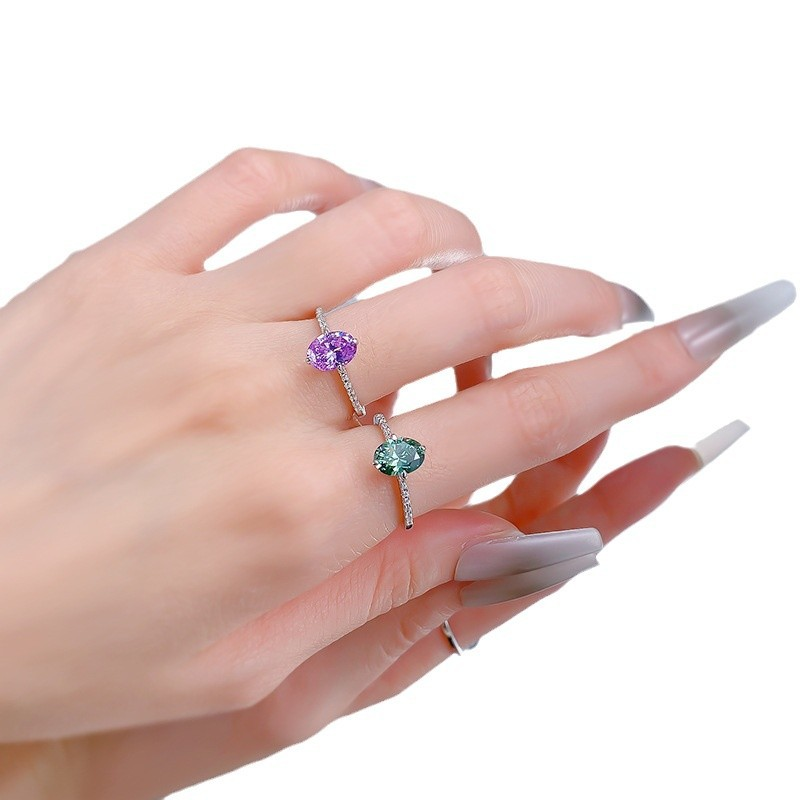
Princess Cut Wedding Band Setting: Styles, Fit, and Smart Buying Tips
A Princess Cut Wedding Band setting affects more than style. It changes how the ring feels on your hand, how well it protects the stones, and how easily it pairs with your engagement ring. The best choice usually balances sparkle, comfort, and day-to-day durability.
Princess-cut diamonds have sharp corners, so the setting matters more than many buyers expect. A pretty band can still be the wrong band if it snags, sits too high, or leaves those corners exposed. Want a ring you’ll love wearing every day? Start with the structure, not just the sparkle.
Shoppers often focus on total carat weight first, then realize fit and security matter just as much. This guide breaks down the most common setting styles, how they wear, and what to check Before You Buy.
Why the Princess Cut Wedding Band Setting Matters
A princess cut wedding band setting holds each stone in place, but that’s only part of the job. It also shapes the band profile, controls how much metal you see, and affects how much light reaches each diamond.
Because princess cuts have pointed edges, they face a higher risk of corner damage than round stones. GIA has long noted that pointed diamond corners need protective setting design, especially in jewelry meant for daily wear. That makes your setting choice a practical one, not just a visual one.
The right design can reduce snagging, improve comfort, and help the ring last longer. A lower profile often feels better for active hands. A more open setting can look brighter, though it may need more routine checks.
It also affects how secure the ring feels when worn beside another band. If the edges are too exposed or the ring sits too high, constant rubbing against an engagement ring can gradually loosen prongs or wear metal. That is one reason many jewelers recommend evaluating a wedding band as part of a set rather than as a standalone piece.
Princess Cut Wedding Band Setting Basics
A princess cut is square or slightly rectangular and uses brilliant-style faceting for strong sparkle. In a band, those stones are usually lined up across the top half or all the way around the finger. The catch is simple: sharp corners need support.
You’ll see a few related band styles while shopping:
- Princess cut wedding band: A band with princess-cut stones across part or all of the ring.
- Half eternity band: Stones cover the top half, which often helps with comfort and resizing.
- Full eternity band: Stones run all the way around for a continuous look.
- Matching bridal band: A band shaped or styled to pair with a specific engagement ring.
That difference matters. A full eternity princess cut wedding band setting can look striking, but resizing is usually limited. A half eternity version often gives you more flexibility later.
Many shoppers ask whether a square diamond band works only with a princess-Cut Engagement Ring. It doesn’t. A square band can also look sharp beside round, oval, and cushion centers if the heights and proportions work together.
Stone size is another basic that changes the overall look. In many bands, individual princess cuts may range from roughly 2.0mm to 3.0mm each, though some larger anniversary-style rings go beyond that. Smaller stones usually create a cleaner, finer line; larger stones bring more presence but often need a sturdier setting and a wider shank to feel balanced.
Princess Cut Wedding Band Setting Styles at a Glance
Several setting styles work well with princess-cut stones. Each one changes the look, security, and upkeep of the band.
| Setting style | Look | Security | Comfort | Maintenance | Best for |
|---|---|---|---|---|---|
| Channel | Clean, modern | High | High | Moderate | Daily wear, active lifestyles |
| Prong or shared-prong | Open, bright | Medium | Medium | Higher | Maximum sparkle |
| Bar | Structured, geometric | High | High | Moderate | Buyers who want edge support |
| Bezel | Smooth, sleek | Very high | High | Lower | Durability-first shoppers |
| U-prong | Airy, light | Medium | Medium | Higher | Open bridal styles |
No single style wins for everyone. If you use your hands a lot, a more protective princess cut wedding band setting usually makes sense. If visual openness matters most, you may prefer prong or U-prong construction.
Band width and metal weight matter here too. A very thin shank under square stones can look elegant in photos but may not hold up as well over years of wear, especially in larger finger sizes. For many buyers, a finished width of about 2.3mm to 3.5mm hits a practical sweet spot between delicacy and stability.
Channel Settings for Princess Cut Bands
A channel setting places the stones between two metal walls. The metal helps shield the corners and creates a smooth outer edge.
This style works well for everyday wear because it stays relatively low and resists snagging. It also gives the ring a crisp, modern look that many brides like.
Benefits of a channel-set princess cut wedding band setting include:
- Better corner protection
- Smooth sides for comfort
- A sleek profile for stacking
- Good support for regular wear
There are trade-offs. Channel settings can be harder to clean under the stones, and they may show a little less surface sparkle than open settings. If you want a practical band first and foremost, this style is hard to ignore.
Ask how the channel is finished. Well-made channel bands should show straight walls, level seat cuts, and even stone height from one end to the other. If the stones look slightly tilted or one corner sits lower than the next, the ring may have inconsistent wear over time. In white gold, channel walls should also be thick enough that future polishing does not thin them too quickly.
Prong, Shared-Prong, and U-Prong Styles
Prong settings expose more of each diamond, so they often look brighter. Shared-prong bands use fewer visible metal points between stones, which creates a lighter, more delicate line.
A prong-set princess cut wedding band setting can look elegant, but the build has to be precise. Corner prongs should sit evenly, and V-prongs are often used to protect pointed edges. Small flaws in spacing or prong size are easier to spot in this style.
U-prong settings sit somewhere in the middle. They keep the sides open for more light while still offering support from below. If you want strong sparkle without the most exposed layout, this can be a smart compromise.
These styles deserve a close fit check if you plan to stack them tightly. Open galleries can rub more against an engagement ring head, especially if both rings have exposed prongs. The brighter look is real, but so is the need for occasional tightening. Buyers who choose a shared-prong princess cut wedding band setting should be especially careful to avoid hard knocks on countertops, gym equipment, and luggage handles.
Bar and Bezel Options for More Protection
Bar settings place narrow strips of metal between stones. The result looks neat, geometric, and supportive. Buyers who like crisp lines often lean this way.
A bezel setting wraps metal around more of the stone edge. That makes it one of the safest choices for a princess cut wedding band setting, especially for frequent wear. It won’t look as open as prong styles, but it does offer a smooth feel and excellent protection.
For many people, the real question is simple: how much risk do you want to accept for extra sparkle? If the answer is “not much,” bar or bezel styles deserve a close look.
Partial bezels are another variation worth asking about. They cover less of the stone than a full bezel, which can preserve a more open appearance while still protecting the vulnerable corners better than a standard four-prong layout. This style is less common in mass-market bands, but it can be an excellent custom option for buyers who want a modern look with fewer snag points.
Choosing the Right Setting for Your Lifestyle
Start with your routine. Do you type all day, lift weights, work with your hands, or wear gloves often? If yes, a low-profile princess cut wedding band setting usually feels better and catches less.
Use these points to narrow your choice:
- Daily activity
- Active lifestyles often pair best with channel, bar, or bezel settings.
- Comfort on the hand
- Smoother edges and lower heights tend to feel better over long wear.
- Sparkle priority
- Open prong styles usually show more light return.
- Maintenance tolerance
- Exposed settings need more checks over time.
- Future sizing needs
- Half eternity bands are often easier to adjust than full eternity bands.
Many shoppers choose a different style after trying rings on in person. Photos don’t always show height, edge feel, or how one band moves against another ring. That hands-on test can save you from buying a band that’s pretty but annoying to wear.
If you live in a hot climate, travel often, or know your finger size changes with temperature or sodium intake, avoid a fit that is already tight in-store. Bands with square stones and firm sidewalls can feel less forgiving than a plain gold ring. A ring that spins slightly in winter may be more comfortable than one that pinches in summer.
Matching a Princess Cut Wedding Band to an Engagement Ring
Your band should work with your engagement ring, not fight it. Check the head height, basket shape, and band width before you decide.
A flush fit is possible with some ring styles, especially solitaires with enough clearance. Halo rings, cathedral settings, and low baskets often leave a gap. In those cases, a contoured band or custom design may fit better.
Metal color matters too. Platinum and white gold keep the look cool and bright. Yellow gold and rose gold add warmth and can create contrast with white diamonds.
If you’re building a stack from scratch, explore our engagement rings or use the ring builder to compare styles more easily.
Think about proportion as carefully as style. A slim engagement ring can be overwhelmed by a tall, wide princess band, while a substantial center stone may make a very thin band disappear. As a general rule, many buyers prefer a wedding band within about 0.5mm to 1mm of their engagement ring’s shank width for a balanced stack, though contrast can also work if done intentionally.
Comfort, Security, and Craftsmanship Checks
A well-made princess cut wedding band setting should feel smooth and look even from every angle. Stone height should stay consistent across the row. If one diamond sits higher than the next, the band may wear unevenly.
Look for these quality signs:
- Even spacing between stones
- Symmetrical corner protection
- No rough or sharp metal edges
- Consistent prong size
- Smooth finishing inside the shank
IGI and GIA grading documents can also help when you’re comparing diamond bands online, especially with lab-grown stones. For melee and band stones, sellers may not provide a full report for every diamond, but they should still explain color range, clarity range, and total carat weight clearly.
Ask whether the diamonds are matched by calibrated size. In princess-cut bands, even small differences of a few hundredths of a millimeter can interrupt the line. For online orders, request magnified photos or a video of the exact ring when possible, not only a sample image. That extra step helps you judge patterning, brightness, and whether the corners look truly aligned.
Diamond Specs That Matter in a Princess Cut Band
Diamond quality in a band is not judged the same way buyers judge a single center stone. You are looking for consistency first, then beauty, then paperwork.
For most princess-cut wedding bands, these ranges are common and practical:
- Color: F to H is a popular range for white metals; G to I can still look excellent in yellow or rose gold.
- Clarity: VS2 to SI1 is often a smart target for small stones if they appear eye-clean.
- Cut appearance: Matching brilliance and shape are usually more important than chasing a top clarity grade.
- Total carat weight: Typical bands may range from about 0.30 carat total weight to 2.00+ carats depending on width and finger size.
Princess cuts can show color a bit differently than rounds because of their faceting and corners, so consistency across the row matters more than a single headline grade. A band listed as “G-H / VS” is not automatically better than one listed as “F-G / SI” if the lower-clarity option faces up brighter and better matched.
If individual stones over 0.15 carat each are used, ask whether any of them carry their own grading reports. In many standard wedding bands they will not, but larger anniversary bands sometimes do. For lab-grown diamonds, IGI is especially common in the U.S. market, while GIA also grades select stones. A seller should be able to explain exactly what is certified and what is matched in-house.
Metal Choices, Durability, and Color Match
Metal affects wear, upkeep, and even how bright the diamonds appear. The best option depends on your lifestyle, budget, and the metal of your engagement ring.
- Platinum: Heavier and naturally white, with excellent long-term durability. It develops a patina rather than losing plating, and many buyers like its premium feel.
- 14K white gold: A common value choice with good strength. It is usually rhodium plated for a bright white finish and may need replating over time.
- 18K white gold: Richer in gold content and often slightly warmer in natural tone under the rhodium. It can feel a bit softer than 14K.
- 14K yellow gold: Durable, classic, and less visually fussy about minor surface marks.
- 18K yellow gold: Deeper color and a more luxurious look, though somewhat softer than 14K.
- Rose gold: Warm and romantic, often flattering on many skin tones, but not always the easiest exact match to an older rose-gold ring from another maker.
If you want the diamonds to look as white as possible, platinum or white gold around the stones usually helps. If you love contrast, yellow gold can frame princess cuts beautifully while making the band feel more distinct from a white-metal engagement ring. Just make sure the two rings look intentionally mixed rather than accidentally mismatched.
Buying Tips for Lab-Grown Diamond Bands
Lab-grown diamond bands can offer strong value, but matching matters. In a princess cut wedding band setting, even small differences in size, color, or faceting show up quickly because the stones sit side by side.
Focus on these details Before You Buy:
- Cut match: The stones should look uniform in shape and brightness.
- Color consistency: A visible color jump can break the clean line of the band.
- Clarity expectations: In small stones, an eye-clean appearance matters more than chasing very high grades.
- Total carat weight: Compare how the band looks on the hand, not just the number.
According to industry retail data, most wedding bands sold in the U.S. fall between 2mm and 4mm in width, and many princess-cut bands sit around 2.5mm to 3.5mm. That’s a useful starting range if you want a band that stacks well without overpowering your engagement ring.
Metal choice matters too:
- Platinum: Dense, durable, and naturally white
- White gold: Bright and popular, though it may need rhodium replating
- Yellow gold: Classic and forgiving with small surface wear
- Rose gold: Warm tone with a softer look
If you’re still comparing options, browse our lab-grown diamonds or see more styles in our fine jewelry collection.
Price is often where lab-grown bands stand out most. While the market shifts, many shoppers will see simple half eternity lab-grown princess bands in 14K gold start in the mid-hundreds and move into the low thousands depending on width, total carat weight, and metal. Platinum, larger stones, and full eternity construction usually raise the price further. Compare bands by width, metal, stone count, and quality range at the same time; otherwise two prices may look comparable when the rings are not.
Sizing, Fit, and Full Eternity Reality
Fit is one of the most overlooked parts of buying a diamond band online. Princess-cut rings can feel different from plain bands because the stone section adds rigidity and changes how the ring moves over the knuckle.
Keep these fit details in mind:
- Wider bands often feel tighter: A 4mm eternity band may need a slightly different size than a slim 2mm plain band.
- Full eternity rings are less forgiving: Stones around the full circumference can make the ring feel bulkier between the fingers.
- Comfort-fit interiors help: A rounded inside edge can make a meaningful difference, especially on wider bands.
- Season matters: Measure when your hands are at a normal temperature, not when they are unusually cold or swollen.
For local sizing, ask to try on rings close to your intended width. For online sizing, use multiple checks instead of trusting one quick measurement. If you fall between sizes and are ordering a full eternity band, ask whether the jeweler offers quarter sizes or custom stone layout adjustments. That question alone can prevent an expensive remake.
Price Ranges and What Drives Cost
The price of a princess cut wedding band setting is driven by more than carat weight. Metal choice, stone quality, ring size, craftsmanship, and whether the ring is made to order all play a role.
Broadly, buyers can expect these factors to push pricing up or down:
- Metal: Platinum usually costs more than 14K gold.
- Construction: Full eternity bands often cost more than half eternity bands because they use more stones and labor.
- Stone size: Larger, better-matched princess cuts raise the price quickly.
- Natural vs. lab-grown: Natural diamond bands typically command higher prices than comparable lab-grown styles.
- Customization: Contoured fits, exact stacking heights, and non-standard finger sizes can increase cost.
A practical shopping approach is to choose your ideal setting style first, then compare two or three carat-weight tiers within that style. Many buyers find that dropping slightly in total carat weight but keeping better craftsmanship and stronger corner protection leads to a ring they enjoy more in daily wear.
Common Mistakes Buyers Make
Some mistakes are easy to avoid once you know where problems start. The first is choosing a band based only on the top view. Profile height, side clearance, and corner protection matter just as much.
Another common issue is buying a full eternity band without thinking about sizing. Because stones go all the way around, many full eternity styles can only be adjusted slightly, if at all. Jewelers often recommend confirming finger size within a quarter size before ordering one.
Don’t ignore after-purchase support either. Ask about inspections, prong tightening, cleaning, and repair policies. If sizing still feels uncertain, review our ring size guide before ordering.
Other frequent mistakes include mixing metals without checking the tone match, assuming all white metals look identical, and overlooking return rules on custom rings. Some buyers also chase the largest total carat weight available in budget, only to end up with a band that sits too high or overwhelms their engagement ring. A slightly smaller, better-built ring usually wears better and looks more refined.
Shipping, Returns, and Service Policies to Check Before Ordering
Online ring buying is much easier when you know what happens after checkout. Before you commit, read the policies as carefully as you read the product details.
Important questions to ask include:
- Is the ring in stock or made to order? Made-to-order bands often take longer but can offer better sizing and matching.
- How long is the return window? Custom, engraved, or full eternity rings may be final sale or carry restocking fees.
- Is resizing included? This matters most for half eternity bands; full eternity bands may not be resizable at all.
- What shipping method is used? Insured, signature-required delivery is standard for fine jewelry and worth confirming.
- Are routine inspections offered? Complimentary cleaning and prong checks add real value over time.
If you need the band by a wedding date, ask for a firm production estimate and a shipping buffer. Diamond bands can require extra time for stone matching, especially in princess cuts where inconsistencies are easier to spot. It is much safer to order early than to hope a custom ring arrives perfectly on a tight deadline.
Care and Maintenance for Long-Term Wear
A princess-cut diamond band can stay beautiful for years, but daily-wear jewelry still needs regular care. The more open the setting, the more often you should inspect it.
Good maintenance habits include:
- Remove the ring for heavy lifting, gardening, and contact sports.
- Take it off before using harsh cleaning chemicals or lotions that leave buildup under the stones.
- Clean it gently with warm water, mild soap, and a soft brush.
- Store it separately from other jewelry to avoid scratching metals or rubbing prongs.
- Schedule professional inspections once or twice a year, especially for prong-set bands.
With white gold, plan for occasional rhodium replating if you want to maintain a bright-white finish. With platinum, expect a softer patina over time rather than plating wear. Neither is wrong; they simply age differently. What matters is knowing what your chosen metal will look like after real use, not just under showroom lighting.
Questions Shoppers Ask About Princess Cut Wedding Band Settings
What setting is best for a princess cut wedding band you plan to wear every day?
For daily wear, most buyers do best with a princess cut wedding band setting that protects the corners well. Channel and bezel styles are popular because they reduce exposure and usually feel smoother on the hand. If you prefer more sparkle, a prong style can still work, but you’ll want regular inspections. Ask your jeweler how often they recommend checking prongs based on your wear habits.
Is a channel-set princess cut wedding band setting better than a prong-set band?
It depends on what matters most to you. A channel-set princess cut wedding band setting usually offers more protection, a lower profile, and easier everyday wear. A prong-set band tends to show more of each diamond, so it can look brighter and a bit more delicate. If you work with your hands a lot, channel often feels like the safer choice.
Can a princess cut wedding band setting sit flush with any engagement ring?
No, not with every ring. Flush fit depends on the engagement ring’s basket, head height, and how far the center setting extends over the band. Many solitaires allow a close fit, while halos and low-set designs often create a gap. If a seamless stack matters to you, compare side profiles Before You Buy or ask about a contoured band.
Are full eternity princess cut wedding bands hard to resize?
Yes, many of them are. A full eternity princess cut wedding band setting leaves very little plain metal for a jeweler to work with, so resizing options can be limited. Half eternity bands usually offer more flexibility and can be more comfortable for long wear. If your ring size tends to fluctuate, that difference deserves serious attention.
How do you choose a lab-grown princess cut wedding band setting online?
Start with the setting style, then check the stone matching details. Ask for the band width, total carat weight, metal type, color range, and clarity range so you can compare options fairly. A good princess cut wedding band setting should show even spacing, secure corners, and consistent sparkle across the row. It’s also smart to buy from a jeweler who offers inspections and clear return terms.
Choosing the Best Princess Cut Wedding Band Setting for Long-Term Wear
The right princess cut wedding band setting should look beautiful on day one and still feel good years later. Focus on corner protection, comfort, stack compatibility, and realistic maintenance.
For many buyers, channel, bar, or bezel styles offer the best mix of security and daily wear. If you love a more open look, prong and U-prong bands can be great choices with proper upkeep. Pick the style that fits your life, not just the product photo, and you’ll be much happier with the result.
Before you place the order, confirm the metal, exact width, profile height, stone quality range, and whether the band is resizable. Those details tell you far more than a glamour shot ever will. A smart purchase is not just the ring with the strongest sparkle in the moment. It is the one that still fits your hand, your engagement ring, and your routine long after the proposal photos are over.
Ready to Find Your Perfect Diamond?
Explore our collection of certified lab-grown diamonds
Shop Diamonds