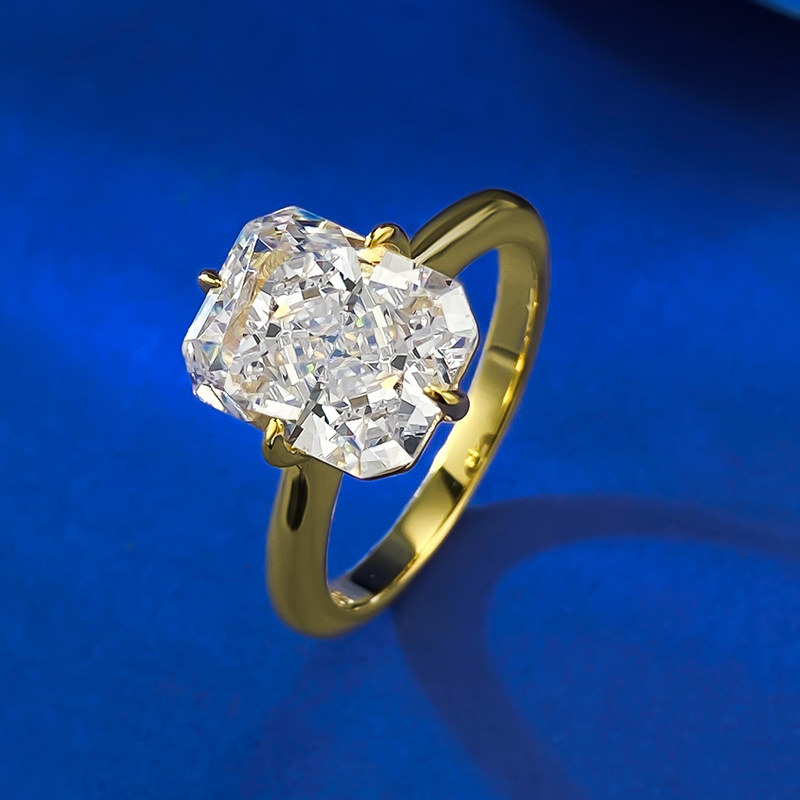
Platinum vs White Gold Cost Breakdown for Engagement Rings and Fine Jewelry
Choosing between platinum and white gold usually comes down to more than the price tag. Platinum costs more up front, but white gold can bring added service costs over time. So the cheapest ring on day one isn’t always the least expensive ring to own.
If you’re buying an engagement ring, wedding band, or diamond setting, the metal affects more than looks. It changes the weight on your hand, the amount of upkeep you’ll need, and how the ring wears after years of use. That’s why a Platinum vs White Gold cost breakdown is worth a closer look Before You Buy.
What Platinum and White Gold Are Made Of
Platinum and white gold can look similar in a case, but they’re built very differently. That difference affects price, finish, and care.
Platinum composition and purity
Platinum jewelry is usually made with a high platinum content, often 90% or more in fine jewelry settings like Pt950. The other metals help with strength and workability. Because platinum is naturally white, it doesn’t need a surface coating to stay white.
That purity is one reason the Platinum vs White Gold cost breakdown often favors platinum as the premium metal. Platinum is also denser than gold, so a ring usually weighs more than the same design in white gold. That extra weight adds to the material cost and gives the ring a solid feel.
GIA notes that platinum is valued for its rarity, density, and stable white color. Those traits make it a strong fit for diamond jewelry and heirloom pieces.
White gold alloys and rhodium plating
White gold is an alloy made by mixing yellow gold with white metals such as nickel, palladium, or silver. It’s sold most often in 14K and 18K versions. A 14K white gold ring contains 58.3% gold, while 18K white gold contains 75% gold.
Most white gold rings are plated with rhodium to create a bright white finish. That finish looks crisp, but it can wear down with daily use. When the rhodium fades, the ring may show a warmer tone from the gold alloy underneath.
That detail matters in a Platinum vs White Gold cost breakdown. White gold often has a lower purchase price, but it may need replating to keep the same bright look.
How the metal mix changes value
The alloy affects more than color. It changes:
- Weight on the hand
- Scratch pattern
- Resizing behavior
- Maintenance frequency
- Long-term look
Platinum often develops a soft patina. Many buyers like that lived-in finish. White gold usually keeps its shine only if it gets fresh rhodium from time to time.
Platinum vs White Gold Cost Breakdown: Upfront Price
For most shoppers, price is the first thing they compare. A Platinum vs White Gold cost breakdown starts with the ring price itself, and the gap can be real.
Typical price ranges by ring style
Prices vary by metal weight, design, diamond size, and brand. Even so, similar styles often follow these patterns:
| Ring Type | White Gold Price Range | Platinum Price Range |
|---|---|---|
| Simple solitaire setting | Lower entry price | 20% to 40% higher |
| Three-stone setting | Moderate | 25% to 45% higher |
| Pavé diamond band | Moderate to higher | 25% to 50% higher |
| Classic wedding band | Lowest in category | 15% to 35% higher |
| Custom or heavy-weight design | Varies widely | Can be much higher |
These are general market ranges, not fixed quotes. Still, they show the usual pattern. White gold tends to be easier on the budget at checkout.
Why platinum usually costs more
A few things drive the price gap:
- Metal market price — Platinum often costs more than the gold alloys used in white gold.
- Density and weight — Platinum is heavier, so the same ring uses more material.
- Fabrication time — Platinum can take more effort to shape and finish.
- Design detail — Halo, pavé, and hidden gallery work add labor in either metal.
- Stone setting — Secure prongs and larger stones can raise labor costs.
A GIA-style buying approach looks at the full finished ring, not just the metal. A white gold ring with extra diamonds can cost more than a simple platinum ring if the design is more complex.
How ring design changes the gap
The price difference shifts based on the style you choose:
- Solitaire settings: easiest to compare, and white gold often wins on upfront value.
- Halo settings: small side stones can reduce the metal price gap.
- Pavé bands: the diamond work may matter more than the base metal.
- Wide bands: platinum gets expensive faster because it uses more metal.
- Custom settings: design time can outweigh the metal difference.
If you’re comparing Engagement Ring Settings, the most accurate Platinum vs White Gold cost breakdown is the one tied to your exact ring. A slim solitaire won’t cost the same as a cathedral setting with accent stones.
Diamond size and the total budget
The diamond usually takes the largest share of the total ring budget. Still, the metal matters. For a 1.00 ct lab-grown diamond engagement ring, the center stone, setting style, and metal choice all shape the final price.
For example, a petite solitaire may show a small gap between metals. A larger oval, emerald, or round brilliant can make the setting choice more visible in the final total. A heavier halo or three-stone design can also make the metal premium feel smaller.
If you want more room for the center stone, white gold can help free up budget. If you want a heavier feel and a naturally white metal, platinum can be worth the extra cost.
Cost Differences in Daily Wear and Ownership
Upfront price is only part of the picture. A platinum vs White Gold Cost breakdown makes more sense once you factor in service, repair, and the way each metal ages.
Maintenance costs over time
White gold usually needs rhodium replating to keep its bright white finish. How often that happens depends on wear habits, skin chemistry, and the ring design, but many owners service it every 6 to 18 months.
Platinum doesn’t need rhodium plating because it’s naturally white. It may still need polishing to freshen the finish, but that’s different from restoring color. In plain terms, platinum needs less finish-related upkeep.
Common ownership costs include:
- Rhodium replating for white gold
- Professional cleaning and inspection
- Polishing for both metals
- Prong tightening and stone checks
- Resizing or repair work
White gold often wins on the initial purchase. Platinum can narrow the gap over time if you’d rather skip regular replating.
Durability and scratch behavior
Both metals hold up well for everyday wear, but they age in different ways.
Platinum is dense and strong. Instead of losing metal easily, it tends to move slightly at the surface, which creates patina. Some people love that soft look. Others prefer a brighter shine.
White gold is also durable, especially in 14K form. The issue is the rhodium layer, not the base metal. Once that coating wears thin, the ring can look less white until it’s serviced again.
For active wearers, the trade-off is simple:
- Platinum: higher purchase price, more stable color, less plating worry
- White gold: lower purchase price, more finish upkeep, strong everyday performance
Resizing and repair costs
Resizing can affect the total cost of ownership too. Both metals can be resized by an experienced jeweler, but the price depends on width, stone placement, and design detail.
Here’s where costs can rise:
- Thin bands need careful work in either metal.
- Pavé and eternity styles can be harder to resize.
- Accent stones need close checking after repairs.
- Wide bands use more metal and may cost more to adjust.
Platinum can be more labor-intensive to repair. White gold may also need replating after the work is done. So the platinum vs white gold cost breakdown doesn’t stop at the sales counter.
A simple ownership example
Picture two rings worn every day:
- White gold ring: lower upfront price, replating every 1 to 2 years, and periodic polishing.
- Platinum ring: higher upfront price, less plating concern, and polishing as needed.
Over several years, the total difference may shrink. That’s why a higher starting price for platinum can make sense for some buyers.
Platinum vs White Gold Cost Breakdown: Which Metal Gives Better Value?
The real question isn’t only which metal costs less today. It’s which one fits your ring, your routine, and your budget.
When platinum gives stronger value
Platinum often makes sense for buyers who want:
- A premium, heavier feel
- A naturally white metal with no plating
- A ring that feels heirloom-worthy
- Strong daily wear with less finish maintenance
- A secure setting for a valuable diamond
It’s a strong match for round, oval, cushion, or emerald-cut center stones. It also works well if you want the metal to be part of the luxury feel.
When white gold gives stronger value
White gold often makes sense for buyers who want:
- A bright white look at a lower price
- More budget for a larger diamond
- A polished finish they can refresh later
- A versatile metal for rings and bands
For many shoppers, white gold is the better value because it delivers the look they want without the platinum premium. If your goal is to size up the center stone or choose a more detailed setting, white gold can stretch the budget further.
Real value depends on use
A platinum vs white gold cost breakdown is easy to read as a price chart, but jewelry value is broader than that. It includes comfort, upkeep, and how the ring fits your life.
A simple guide:
- Budget-focused buyer: white gold often wins
- Daily heavy-wear buyer: platinum may win over time
- Luxury-focused buyer: platinum often feels more special
- Style-first buyer: white gold can deliver the look for less
For engagement rings and wedding bands, the sentimental value usually matters more than resale value. We’ve found that many customers choose the metal that fits how they actually wear jewelry, not just the cheapest option on paper.
What to Check Before You Choose Platinum or White Gold
Before you place an order, look at the details that affect both price and comfort.
Ring size, width, and fit
A ring’s width and thickness change the final cost. A 2.0 mm band uses less metal than a 4.0 mm band, so it usually costs less. Fit matters just as much as price, though.
Keep these points in mind:
- Band width
- Band thickness
- Finger shape
- Knuckle size
- Seasonal swelling
If you’re unsure about sizing, use our ring sizing guide Before You Buy. A proper fit feels better and can reduce future resizing costs.
Lifestyle and care habits
Your routine should shape the metal choice. If you work with your hands a lot, exercise often, or want a ring that can handle constant wear, platinum may be worth the premium. If you like a bright, elegant look and don’t mind occasional service, white gold is a strong pick.
Ask yourself:
- Do you remove jewelry before sleep or workouts?
- Do you want low-maintenance care?
- Do you want the ring to stay white without plating?
- Do you like the soft look of patina?
A platinum vs white gold cost breakdown gets clearer when you think about how often you’ll service the ring and how you want it to look years from now.
Diamond pairing and setting style
The metal also changes the way the diamond looks. Platinum’s naturally white tone gives a crisp backdrop for colorless or near-colorless stones. White gold looks bright too, especially right after rhodium plating.
For lab-grown diamond engagement rings, both metals are popular. If you’re looking at a 1.50 ct oval or a 2.00 ct round lab-grown diamond, the setting metal can affect the final look and the budget.
Browse our engagement rings if you want to compare platinum and white gold styles side by side. You can also shop lab-grown diamonds to see how cut and carat shape the total cost.
Platinum vs White Gold Cost Breakdown at a Glance
Here’s a quick side-by-side look.
| Factor | Platinum | White Gold |
|---|---|---|
| Upfront price | Higher | Lower |
| Metal purity | Very high, often Pt950 | Varies by karat, often 14K or 18K |
| Color | Naturally white | White through alloy and rhodium plating |
| Maintenance | Less plating, occasional polishing | Periodic rhodium replating |
| Weight | Heavier, denser feel | Lighter feel |
| Daily wear | Excellent | Excellent with upkeep |
| Best for | Premium feel, heirloom style, lower plating upkeep | Budget efficiency, bright white look |
This comparison shows why the cheaper ring isn’t always the cheaper ownership choice. The better value depends on whether you care more about the starting price or the long-term service costs.
How to Choose the Right Metal for Your Budget and Style
Use this simple process:
- Set your total budget.
- Compare the same ring style in both metals.
- Add service costs like replating, polishing, and resizing.
- Match the metal to your routine.
- Choose the look you want for the long haul.
For many engagement ring shoppers, white gold keeps the total price in reach and leaves more room for the center stone. For others, platinum is worth the higher cost because it feels more substantial and keeps its white color without plating. Which Matters More to you, the lower starting price or the lower upkeep later?
If you’re ready to keep comparing, explore our jewelry collection or use our ring builder to test platinum and white gold settings with your chosen diamond shape. If you want one-on-one help, contact our jewelry experts for personal guidance.
FAQ
Is a platinum vs white gold cost breakdown worth checking for engagement rings?
Yes, especially if the ring will be worn every day. The metal choice affects not just the first price you pay, but also replating, polishing, and resizing over time. A platinum vs white gold cost breakdown helps you see the full cost, not just the checkout number. That makes it easier to choose a Ring That Fits your budget and your routine.
Why is platinum more expensive than white gold for a ring?
Platinum usually costs more because it’s denser, heavier, and often priced higher as a raw metal. It also takes more material to make the same ring design. Labor can be a little higher too, depending on the style. For a clear platinum vs white gold cost breakdown, compare both the metal weight and the setting design.
Which metal is better value for a daily-wear engagement ring?
That depends on what you value most. White gold often gives you the lower upfront cost, which can leave more room for the diamond or setting details. Platinum can offer better value if you want less plating upkeep and a naturally white finish. Many buyers choose based on how often they’ll wear the ring and how much maintenance feels reasonable.
Does white gold need rhodium replating, and how often?
Yes, most white gold rings need rhodium replating to keep that bright white look. Many people service it every 6 to 18 months, though heavy wear can mean more frequent care. The exact timing depends on your lifestyle, skin chemistry, and the ring design. If you want a low-maintenance ring, that service cost should be part of the white gold vs platinum comparison.
Should I choose platinum or white gold for a lab-grown diamond ring?
Both metals work beautifully with lab-grown diamonds. Platinum is a strong pick if you want a heavier feel and a naturally white metal that doesn’t need plating. White gold is a smart pick if you want to stretch your budget and put more of it into the diamond. For a full platinum vs white gold cost breakdown, compare the ring style, stone size, and long-term care before you decide.
Ready to Find Your Perfect Diamond?
Explore our collection of certified lab-grown diamonds
Shop Diamonds