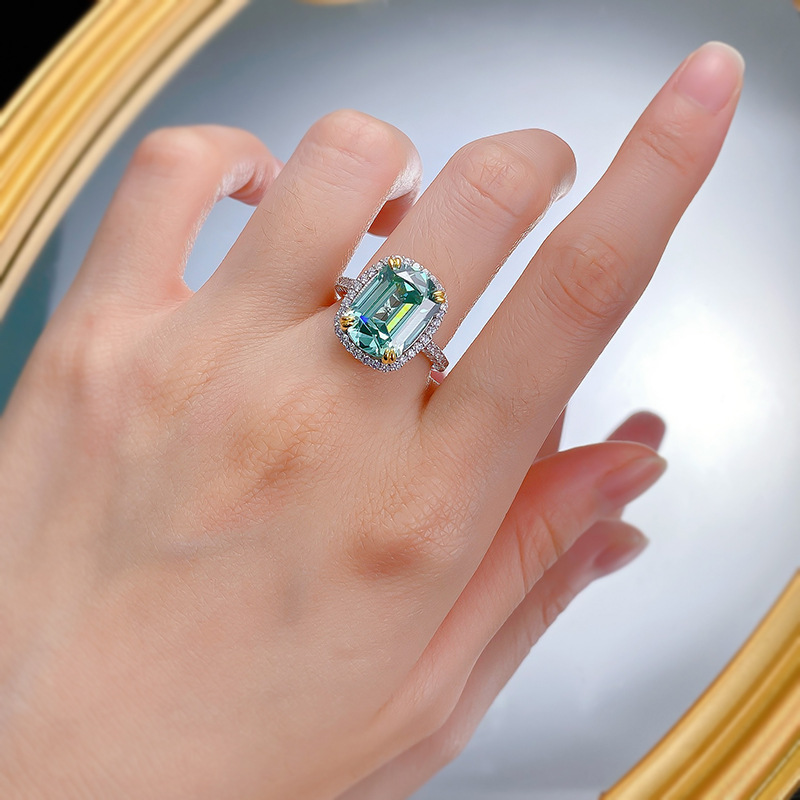
Platinum vs White Gold Buyer Guide: Which Metal Fits Your Ring?
Choosing between platinum and white gold changes how a ring looks, feels, and wears over time. If you're comparing metals for an engagement ring, wedding band, or everyday piece, this Platinum vs White Gold buyer guide will help you make a clear choice. The best pick depends on more than color. You also need to think about durability, upkeep, skin sensitivity, and total cost.
At StoneBridge Jewelry, we've found that many shoppers focus on shine first. Fair enough. But the real question is how the metal will hold up after months and years on your hand. A platinum ring and a white gold ring can look similar in the case, yet they age very differently once they become part of daily life.
Platinum vs White Gold Buyer Guide: The Basics
This Platinum vs White Gold buyer guide compares two of the most popular white-toned metals in bridal jewelry. Platinum is naturally white and known for its dense feel. White gold starts as yellow gold and gets mixed with white metals, then usually gets rhodium plated for a bright finish.
That sounds simple, but the ownership experience is not the same. One metal offers a heavier feel and steady long-term wear. The other gives you a bright look at a lower starting price. For engagement rings and wedding bands, those differences show up in scratches, polishing, replating, and daily contact with skin, soap, and hand lotion.
Most buyers end up comparing five things:
- Durability — how the metal wears over time
- Color — whether the ring stays white or shifts tone
- Maintenance — polishing, replating, and routine care
- Cost — upfront price and long-term ownership cost
- Skin comfort — especially for sensitive skin
The GIA notes that metal purity and alloy makeup affect how jewelry performs. That’s why a good Platinum vs White Gold buyer guide should help you think beyond appearance alone.
What Is Platinum?
Platinum is a naturally white precious metal valued for its weight, durability, and quiet luxury. In fine jewelry, it’s often used in very high purity, commonly around 95% platinum in alloys like Pt950. That high purity is one reason many buyers choose platinum for Engagement Ring Settings and wedding bands.
The first thing many people notice is the weight. Platinum feels substantial. Some shoppers love that solid feel because it gives the ring a sense of permanence. Others prefer a lighter band and find platinum heavier than expected.
Platinum also resists tarnish. It doesn’t need rhodium plating to look white because its base color is already silvery-white. That makes it a strong choice for buyers who want a metal that keeps its color without regular replating.
Why shoppers choose platinum
- Naturally white color with no surface plating
- Dense feel that many buyers associate with quality
- Strong long-term wear for daily rings
- Good metal retention over time
- Popular for heirloom pieces and bridal jewelry
Over time, platinum can develop a patina. That’s not tarnish. It’s a soft, satiny surface change that many people like, especially on classic solitaires and men’s wedding bands. A jeweler can polish it back to a brighter finish if you want more shine.
What Is White Gold?
White gold is made by mixing yellow gold with white metals such as palladium, nickel, or silver, depending on the alloy. Most White Gold Jewelry is then coated with rhodium to create a crisp white look. That coating gives the metal its bright, mirror-like finish.
Because the base metal is still gold, white gold can be a smart balance of beauty and value. It often costs less than platinum upfront, which makes it appealing if you want a fine bridal look without pushing the budget too far.
White gold is common in engagement rings and wedding bands because it pairs well with diamonds, including lab-grown stones. Its bright surface helps center stones stand out in solitaire, halo, and pavé settings. Many buyers also like how flexible it is across classic and modern styles.
Over time, the rhodium finish can wear away. When that happens, the ring may show a slightly warmer tone from the alloy beneath it. That doesn’t mean the ring is damaged. It just means the surface coating has thinned and may need replating.
Why shoppers choose white gold
- Lower upfront price than platinum in many cases
- Bright white look after rhodium plating
- Flexible across bridal and fashion styles
- Popular for diamond settings
- Easy to find in 14K and 18K options
For many buyers, white gold is the practical answer in a Platinum vs White Gold buyer guide because it offers a polished look at a friendlier entry price.
Platinum vs White Gold: Pros, Cons, and Best Uses
This is where the choice gets real. Which metal works better in everyday life, not just under showroom lights?
Platinum pros
Platinum stands out for long-term wear. Jewelers often recommend it for buyers who want a ring with a solid feel that ages well. Because it is used in high purity, it’s often a good starting point for people with sensitive skin, though no metal works for everyone.
Platinum also does a good job supporting prongs and settings. That matters if you want a ring that will hold a diamond securely for years.
Platinum cons
Cost is platinum’s biggest drawback. It usually costs more because it’s rarer, denser, and often used in higher purity. That price gap can matter if you're choosing between a premium metal and a larger center stone.
Platinum can scratch, too. That surprises some first-time buyers. It doesn’t avoid scratches; it handles them differently. Instead of losing metal the way some softer alloys can, platinum tends to move metal around and form a patina.
White gold pros
White gold wins on price and brightness. It gives you a sleek white look that works beautifully with diamonds, especially if you want a crisp contrast in a solitaire or halo setting. For many couples, the lower price frees up more room for cut quality, carat weight, or a better setting design.
White gold also comes in a wide range of styles and alloys. That makes it easy to match a ring to your taste and budget.
White gold cons
White gold needs more upkeep than platinum. Rhodium plating wears down with time, and the schedule depends on how you wear the ring, how often you wash your hands, and what you expose it to. Some rings need replating every year or two; others last longer.
White gold may also be a tougher choice for sensitive skin if the alloy contains nickel. Many jewelers offer nickel-free or palladium-based options, so ask Before You Buy.
Best uses for platinum
- Engagement rings worn every day
- Wedding bands that stay on constantly
- Heirloom-style settings
- Buyers who want less routine maintenance
- Shoppers with skin sensitivity concerns
Best uses for white gold
- Budget-conscious couples
- Buyers who want a bright white finish
- Fashion-forward ring styles
- Shoppers who care more about upfront price than lifetime upkeep
- People who don't mind occasional replating
How they age in real life
A good platinum vs White Gold buyer guide should show how each metal changes over time. Platinum keeps its natural color, but it can soften into a patina. White gold starts bright and can warm a bit as plating wears away. So the real question is simple: do you want a metal that keeps its white look on its own, or one that starts brighter and needs more upkeep?
For daily bridal jewelry, that tradeoff matters. White gold may cost less at checkout, but it can require periodic replating. Platinum may cost more at first, yet it can be easier to live with if you'd rather avoid regular service visits.
Side-by-Side Comparison: Platinum vs White Gold
| Feature | Platinum | White Gold |
|---|---|---|
| Color | Naturally white | Bright white after rhodium plating |
| Typical purity | Often around Pt950 | Commonly 14K or 18K alloy |
| Weight | Heavy, dense feel | Lighter than platinum |
| Durability | Excellent for long-term wear | Strong, but more upkeep is common |
| Scratch behavior | Develops patina | Can wear and need refinishing |
| Maintenance | Lower routine upkeep | Periodic rhodium replating |
| Upfront cost | Higher | Lower to moderate |
| Skin comfort | Often a strong option | Depends on alloy; may contain nickel |
| Best for | Heirloom rings, daily bridal wear | Bright white looks, budget-focused buyers |
The table makes the tradeoffs easy to see. Platinum gives you a naturally white finish and a strong long-term wear profile. White gold gives you a bright look and better upfront value. If durability is your top priority, platinum usually leads. If you want a white look at a lower starting price, white gold is hard to beat.
Appearance over time
Platinum keeps its color, but it may develop a soft patina. White gold starts bright and can slowly warm as plating wears away. That means the better metal depends on the look you want after years of wear, not just on day one.
Cost and value over time
White gold is usually less expensive at purchase, which can leave more of your budget for the diamond. Platinum costs more, but many buyers feel the stronger wear performance and heavier feel are worth the premium. A thoughtful platinum vs white gold buyer guide should help you decide whether the price gap fits your plan.
Who Should Choose Platinum vs Who Should Choose White Gold?
The right choice depends on how you wear jewelry and what matters most to you.
Choose platinum if you:
- Want a naturally white metal with no rhodium plating
- Prefer a heavier ring feel
- Wear your ring every day
- Have sensitive skin and want a high-purity option
- Want lower upkeep over the long term
- Are buying a premium setting for a valuable diamond
Choose white gold if you:
- Want a bright white look at a lower price
- Prefer to spend more on the diamond
- Like the finish of rhodium plating
- Don't mind occasional maintenance
- Want a flexible metal for modern ring styles
Best choice for sensitive skin
Platinum is often the safer place to start if skin comfort is a concern. White gold can work well for many people, but the alloy matters. Ask whether the piece uses nickel-free white gold or a palladium-based formula if your skin reacts easily.
Best choice for lab-grown diamond rings
Lab-grown diamonds often give buyers more room in the budget, so the setting matters even more. If you want a premium, long-lasting setting, platinum can match the value of the stone nicely. If you want a more accessible overall price and a bright white presentation, white gold is a strong fit.
You can explore our engagement rings or shop our lab-grown diamonds to see how each metal changes the finished look. If you like to compare Options Before You decide, our ring builder makes that easier.
Expert Recommendation: Which Metal Wins?
If we had to make one clear call in a platinum vs white gold buyer guide, platinum wins for most people who plan to wear the ring every day and want the best long-term performance. It offers a naturally white look, strong durability, and a premium feel that holds up well over time.
White gold is still the smarter buy for many shoppers. If you care most about a bright white appearance and a lower upfront price, white gold delivers strong value. That's especially true for couples balancing diamond size, setting style, and overall budget.
Industry sources like the GIA regularly point buyers toward alloy makeup, wear habits, and maintenance costs before buying. That advice matters. A ring isn't just about first impressions. It's about how it feels and performs after years of wear.
So here's the short version:
- Pick platinum if you want durability, premium weight, and less day-to-day upkeep
- Pick white gold if you want a brighter look and better upfront value
For many shoppers, the decision comes down to ownership style. If you want the ring to age with minimal intervention, platinum leads. If you like a polished white finish and don't mind occasional replating, white gold is the better value.
Frequently Asked Questions About Platinum vs White Gold
Is platinum better than white gold for an engagement ring?
Platinum is often the better choice if you want a naturally white metal, strong durability, and less routine upkeep. White gold can be a smart pick if you prefer a brighter look at a lower upfront price. The better option depends on how you wear the ring and how often you want to service it.
Does white gold turn yellow over time?
White gold can gradually show a warmer tone as rhodium plating wears away, especially with daily wear. That doesn’t mean the ring is ruined or low quality. A jeweler can replate it to bring back the bright white finish many buyers want. If you like the look of white gold, just plan for that service.
Which is more durable: platinum or white gold?
Platinum is generally considered more durable for long-term wear because it’s dense and resists metal loss better than white gold. White gold is still strong, but it may need more upkeep to keep the finish looking fresh. For everyday bridal jewelry, platinum often has the edge.
Is platinum a good choice if I have sensitive skin?
Platinum is often a strong option for sensitive skin because jewelry alloys are usually very high in platinum content. White gold may contain nickel or other metals, depending on the formula, so it can be less predictable. If you know your skin reacts to certain metals, ask for alloy details Before You Buy. A nickel-free white gold option may also work.
Why is platinum more expensive than white gold?
Platinum usually costs more because it’s rarer, denser, and often used in higher purity for jewelry. That higher material cost also reflects its long-term wear benefits and heavier feel. White gold is cheaper up front, which is why many buyers choose it when budget matters most. If you're comparing rings, ask how much of the price difference comes from the metal itself.
Shop the Right Metal for Your Ring
If you want durability and a premium feel, start with platinum engagement ring settings and platinum wedding bands. If you want a bright white look at a lower price, browse white gold engagement ring settings and white gold wedding bands. If you're still deciding on stone size and style, use our ring builder to compare options side by side.
This platinum vs white gold buyer guide should make the next step easier: pick the metal that fits your lifestyle, budget, and maintenance comfort. Then build the ring around it. If you want help comparing settings, contact our jewelry experts for one-on-one guidance.
Ready to Find Your Perfect Diamond?
Explore our collection of certified lab-grown diamonds
Shop Diamonds