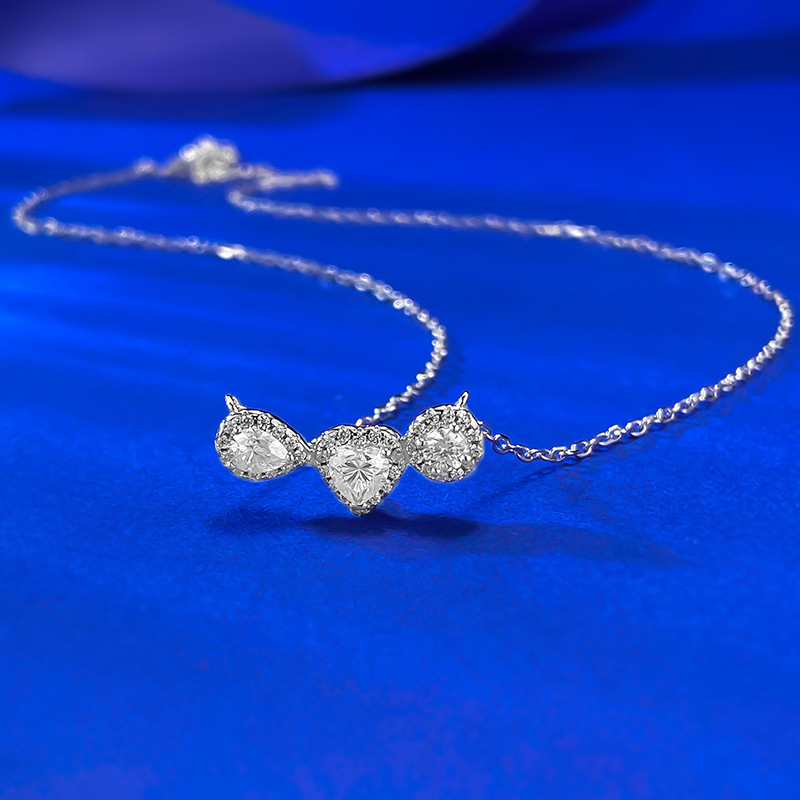
Pear Shaped Solitaire Pendant Insurance Checklist
A pear shaped Solitaire Pendant Insurance Checklist helps protect the pendant you chose with care. It also protects the story behind it: a gift, a milestone, a daily necklace, or a piece you saved for.
A pear cut lab-Grown Diamond Pendant may look simple, but the value sits in many small details. The center stone, prongs, bail, chain, clasp, metal, and paperwork all matter if you ever need a repair or replacement.
Use this pear shaped Solitaire Pendant Insurance Checklist before checkout, after delivery, and at every policy renewal. It’s easier to build the file now than to search for receipts after something goes missing (trust me, I’ve seen it happen).
Why Insurance Matters for a Pear Shaped Solitaire Pendant
A pear shaped solitaire pendant carries both beauty and replacement value. A 1.00 carat lab-grown pear diamond, for example, can face up around 8.5 x 5.5 mm, though exact measurements depend on the cut. Two stones with the same carat weight can look different on the neckline.
The pear shape also needs a little extra attention. The pointed tip is more exposed than the rounded end, so many secure settings use a V-prong, bezel, or protective tip detail.
Common pendant risks include chain breaks, bent prongs, hotel-room loss, theft, gym-bag damage, and mysterious disappearance if your policy covers it. Would replacing the pendant tomorrow feel easy? If not, insurance belongs in your buying plan.
Many homeowners and renters policies limit unscheduled jewelry coverage. Some policies cap jewelry theft at about $1,500 unless the item is scheduled separately. A standalone jewelry policy may offer broader protection for loss, damage, travel, and replacement, depending on the insurer.
Honestly, I think insurance is one of the least romantic parts of buying jewelry, but it is also one of the kindest things you can do for the future version of yourself. A pendant given for a birthday, wedding morning, anniversary, or “just because” moment deserves to be worn with ease, not worry.
This pear shaped Solitaire Pendant Insurance Checklist gives you a practical way to compare those choices without guessing.
Insurance, Warranty, and Care Plans Are Different
Jewelry insurance handles covered financial loss. It may cover theft, accidental damage, loss, disappearance, or travel-related issues, depending on the policy.
A warranty is narrower. It usually focuses on workmanship defects, not a pendant lost at an airport or a chain damaged during daily wear.
A care plan can still be useful. Cleaning, prong checks, clasp adjustments, and inspections lower risk, but they don’t replace insurance. The strongest plan is simple: buy a well-made pendant, document it, insure it, and maintain it.
Pear Shaped Solitaire Pendant Insurance Checklist: Documents to Save
Start your pear shaped solitaire pendant insurance checklist with proof. Insurers need clear records to confirm ownership, value, and like-kind replacement details.
Save these details in one folder:
- Diamond shape: pear shaped or pear cut
- Diamond origin: lab-grown diamond
- Carat weight, such as 0.75 ct, 1.00 ct, 1.50 ct, or 2.00 ct
- Color grade, such as D, E, F, G, or H
- Clarity grade, such as VS1, VS2, or SI1
- Measurements in millimeters
- Polish, symmetry, and proportions if listed
- Grading report or certificate number
- Metal type, such as 14k gold, 18k gold, or platinum
- Setting style, including prong, bezel, or solitaire basket
- Chain length, such as 16, 18, or 20 inches
- Chain style, including cable, box, wheat, or rope
- Clasp type, such as spring ring or lobster clasp
- Purchase price, order number, and purchase date
- Retailer name, product page, and service records
StoneBridge customers should keep their order confirmation, product details, diamond documents, and any appraisal provided after purchase. If you’re still comparing stones, review StoneBridge lab-grown diamond options before choosing the finished pendant.
Keep both digital and paper copies. Use secure cloud storage for fast access, then place printed receipts and reports in a fire-resistant box, home safe, or bank safe deposit box. It may feel overly organized now, but when a claim depends on one certificate number or one clear photo, you’ll be glad you did it.
Diamond Reports and Grading Details
A grading report gives your pendant a technical identity. GIA explains diamond quality through the 4Cs: color, clarity, cut, and carat weight. IGI is also widely used for lab-grown diamond grading.
For a lab-grown pear diamond, the report may list shape, carat weight, measurements, color, clarity, polish, symmetry, fluorescence, growth method, and inscription number. These details help an insurer or jeweler find a fair replacement.
Measurements matter for pear shapes. A narrow pear, a wide pear, and a balanced pear can all share the same carat weight. Your pear shaped solitaire pendant insurance checklist should note the exact length and width so the replacement doesn’t only match the number on paper.
I’ve helped many shoppers compare two pear diamonds that looked almost identical in the listing, then completely different once we checked the millimeter measurements. That small detail can make a big difference in how the pendant sits and sparkles.
Photos, Receipts, and Appraisal Records
Take sharp photos in natural light. Capture the front, side, back, bail, prongs, clasp, chain links, metal stamp, and one on-body photo for scale.
Receipts prove what you paid. Appraisals help show replacement value, which can differ from the sale price because metal prices, labor, inventory, and diamond pricing change.
Update your photos after repairs or upgrades. If you change the chain, replace the clasp, reset the pendant, or reinforce the prongs, your pear shaped solitaire pendant insurance checklist should reflect the pendant you own now.
The 10-Step Pendant Insurance Checklist
Use this pear shaped solitaire pendant insurance checklist as soon as the pendant arrives. Ideally, finish it before wearing the necklace every day or packing it for a trip.
1. Match the Pendant to the Receipt
Check that the receipt matches the necklace in your hand. Confirm the diamond shape, lab-grown origin, carat weight, metal, chain length, clasp, order number, and price.
Save the product page as a PDF if it lists specs. Product pages can change after an item sells out.
2. Collect Diamond Documentation
Save the grading report, certificate number, inscription details, and retailer specification sheet. If the pendant doesn’t include a full grading report, ask what documentation is available Before You Buy.
A clean file helps the insurer understand exactly what needs protection.
3. Photograph the Necklace
Photograph the pear diamond, pointed tip, prongs or bezel, bail, chain, clasp, and metal stamps. Use a plain background and avoid heavy filters.
Good photos can support underwriting and claim review. They also help a jeweler spot the original construction if repairs are needed.
4. Ask Whether an Appraisal Is Needed
Some insurers require an appraisal above a certain value, often several thousand dollars. Others accept a recent receipt, grading report, and clear product details.
Ask how recent the appraisal must be. Many owners review jewelry appraisals every 2 to 3 years, or sooner after major market or design changes.
5. Compare Policy Types
Compare a scheduled jewelry item on homeowners or renters insurance with a standalone jewelry policy. Scheduled coverage can be convenient, but specialized jewelry insurance may offer stronger options for accidental loss, repair, travel, and replacement.
Read the policy terms, not only the price. Here’s what nobody tells you: the cheapest policy can become the most expensive one if it leaves out the exact scenario you were worried about.
6. Confirm Replacement Terms
Replacement coverage should match like kind and quality. For a lab-grown pear diamond, ask whether the replacement will match carat weight, measurements, color, clarity, metal, chain, setting style, and overall look.
Cash value coverage works differently. It may pay an agreed amount, actual cash value, or another figure based on policy language.
7. Review Deductibles and Limits
A $0 deductible can cost more each year, but it lowers your out-of-pocket cost during a claim. A $250 or $500 deductible may lower the premium.
Check per-item limits, category limits, theft limits, and travel rules. Your pear shaped solitaire pendant insurance checklist should note the deductible in plain language.
8. Read the Exclusions
Look for exclusions involving wear and tear, loose stones, unattended baggage, checked luggage, intentional damage, repair-related damage, and unexplained loss. Mysterious disappearance coverage can be helpful for pendants because small jewelry items can vanish without a clear event.
If a phrase sounds unclear, ask the insurer for an example. A good agent should be able to explain it without making you feel like you need a law degree.
9. Cover the Whole Necklace
Don’t insure only the center diamond. The pendant setting, bail, chain, clasp, and metal all carry value.
Ask whether future chain upgrades or resets need a policy update. They usually do.
10. Store and Review the File
Keep the policy, receipt, photos, diamond report, appraisal, and service records together. Set a yearly reminder to review the insured value and coverage.
A pear shaped solitaire pendant insurance checklist works best when it stays current.
Coverage Questions to Ask Before You Pay
Ask direct questions before buying a policy. Clear answers now can prevent claim stress later.
- Does the policy cover theft, accidental damage, loss, and mysterious disappearance?
- Does coverage apply at home, at work, while traveling, and outside the United States?
- Will the insurer replace the pendant with like kind and quality?
- How does the policy define a comparable lab-grown pear shaped diamond?
- Will the replacement match measurements, not just carat weight?
- Are the center diamond, setting, bail, chain, and clasp covered?
- Can I choose my jeweler for repair or replacement?
- What documents will I need for a claim?
- How do I update coverage after an upgrade or new appraisal?
Our customers often tell us the most useful question is the simplest one: “What exactly happens if I lose this necklace?” Ask it before you sign.
Cost, Deductibles, and Replacement Value
Jewelry insurance pricing varies by item value, ZIP code, deductible, claims history, security habits, and coverage type. Industry estimates often place annual jewelry insurance premiums around 1% to 2% of the insured value.
Using that broad range, a $2,500 pendant may cost about $25 to $50 per year to insure. A $6,000 pendant may cost about $60 to $120 per year. Actual quotes can be higher or lower, so compare more than one option.
Replacement value isn’t always the same as purchase price. Metal prices shift. Lab-grown diamond pricing changes. Retail replacement cost may also include setting labor, chain quality, brand documentation, and available inventory.
Add the premium to your total cost of ownership. A pear shaped solitaire pendant insurance checklist should make the math clear: if the pendant disappears, can you replace it without coverage?
In my experience helping people choose meaningful jewelry gifts, most shoppers are comfortable with insurance once they see the yearly cost broken down. It often feels less like an extra bill and more like a small guardrail for something sentimental (yes, even on a budget).
Buying and Care Tips That Reduce Risk
Insurance helps after a covered loss. Good habits help keep the pendant safe in the first place.
Choose a chain length that suits your neckline and clothing. A 16-inch chain often sits near the collarbone, an 18-inch chain is a popular everyday length, and a 20-inch chain drops lower. A pendant that sits comfortably is less likely to snag.
Clasp choice matters too. A lobster clasp often feels more secure than a small spring ring, especially for higher-value pendants. The bail should move cleanly over the chain without sharp edges or strain.
For the pear point, look for smart protection. A V-prong, bezel, or reinforced tip detail can help shield the most delicate part of the stone.
Remove the pendant before swimming, sleeping, intense workouts, contact sports, heavy lifting, or applying perfume and lotion. Chlorine, sweat, impact, and repeated tugging can weaken metal and chain links over time.
Travel with a plan. Keep fine jewelry out of checked luggage, use a structured jewelry case, and store policy documents in cloud storage. Before an international trip, confirm that your pear shaped solitaire pendant insurance checklist includes worldwide coverage notes.
If the pendant is meant for a proposal weekend, wedding-day gift, or anniversary trip, do the paperwork before the suitcase comes out. Those moments should feel warm and exciting, not like someone is quietly panicking over where the receipt went.
If you’re comparing necklace styles, browse StoneBridge fine jewelry to review metal choices, chain options, and diamond pendant designs. If you’re building a full jewelry wardrobe, you may also want to compare StoneBridge engagement rings or design ideas through the ring builder.
When to Update Your Pear Shaped Solitaire Pendant Insurance Checklist
Your pear shaped solitaire pendant insurance checklist isn’t a one-time task. Update it whenever the pendant, address, ownership, or policy changes.
Update the file after:
- A new appraisal or replacement valuation
- A chain upgrade, clasp change, or pendant reset
- A repair involving prongs, bail, setting, or center stone security
- A move to a new home or change in storage location
- Marriage, name change, gift transfer, or estate planning update
- International travel or a long time away from home
- Policy renewal, deductible change, or insurer change
- Major shifts in metal prices or jewelry replacement costs
Outdated records can slow a claim. They can also leave you underinsured if the pendant has a newer platinum chain, upgraded clasp, or higher replacement value.
Set a calendar reminder once a year. Open the folder, check the insured value, review the deductible, and make sure the photos still match the necklace.
Shop StoneBridge Pear Shaped Solitaire Pendants With Confidence
A lab-Grown Diamond Pendant deserves protection that matches its value. The right pear shaped solitaire pendant insurance checklist keeps your receipt, diamond report, photos, appraisal, policy, and service records in one easy place.
Shoppers often feel more confident when they handle insurance early. The pendant can be worn and enjoyed, not left in a box because the paperwork feels unfinished.
Before You Buy, compare the diamond details, metal, chain, clasp, and setting. After you buy, insure the full necklace and update the file after any change.
Explore StoneBridge lab-grown diamonds, shop StoneBridge fine jewelry, or contact our team for help reviewing pendant details before you insure your piece.
FAQ
Do I need a pear shaped solitaire pendant insurance checklist before buying insurance?
Yes. A pear shaped solitaire pendant insurance checklist helps you gather the exact details an insurer may request, including the receipt, diamond report, photos, appraisal, chain details, and clasp type. It also helps you compare policies with less guesswork. If the pendant is lost, stolen, or damaged, your claim file is already organized.
What documents do insurers usually ask for on a lab-grown diamond pendant?
Most insurers want proof of purchase, clear photos, and a grading report or specification sheet. For higher-value pendants, they may also request a recent appraisal that lists replacement value. Your file should include carat weight, measurements, color, clarity, metal, setting style, chain length, and certificate number if available. Ask the insurer what they require before binding coverage.
Does jewelry insurance replace a lab-grown pear diamond with another lab-grown diamond?
Many policies can replace a lab-grown diamond with like kind and quality, but you should confirm that in writing. The replacement should match the documented carat weight, measurements, color, clarity, shape, metal, and setting style as closely as the policy allows. Don’t assume a mined diamond or a lower-grade lab-grown diamond will be offered. Clear documentation gives you a stronger starting point.
How much should I expect to pay to insure a pear shaped solitaire pendant?
Jewelry insurance often costs around 1% to 2% of the insured value per year, though quotes vary by location, deductible, coverage type, and insurer. A $3,500 pendant might cost about $35 to $70 annually using that broad estimate. A higher deductible may lower the premium, but it raises your claim cost. Compare at least two quotes and review the exclusions closely.
How often should I update my pear shaped solitaire pendant insurance checklist?
Review the checklist once a year and any time the pendant changes. Update it after a new appraisal, chain upgrade, clasp replacement, setting repair, reset, move, or policy change. Fresh photos also help if the necklace looks different after service. Current records make it easier to prove what you own and what it may cost to replace.
Ready to Find Your Perfect Diamond?
Explore our collection of certified lab-grown diamonds
Shop Diamonds