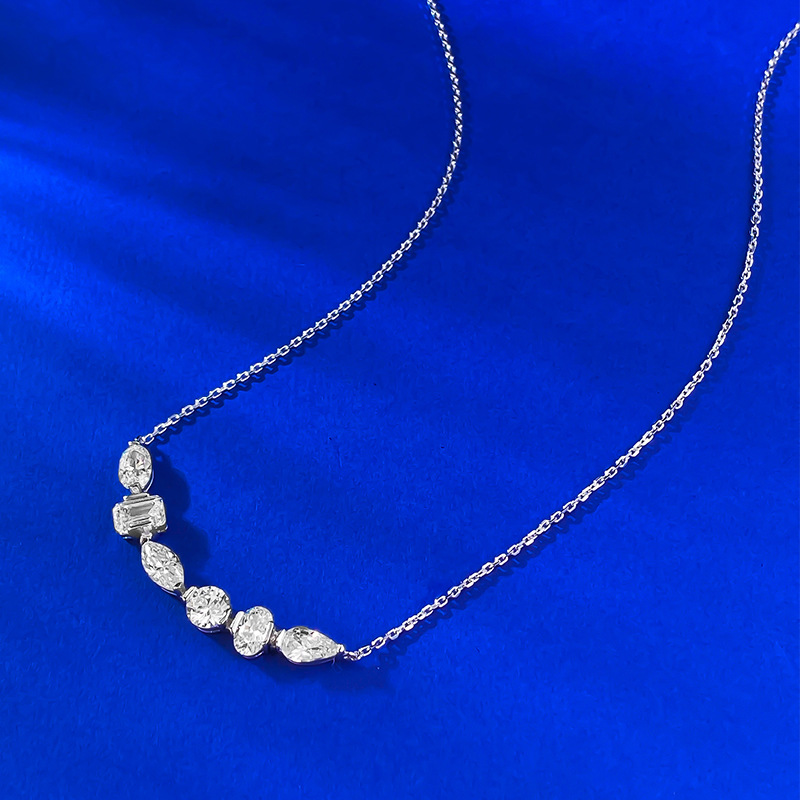
Marquise Cut Solitaire Pendant Insurance Checklist
A marquise cut Solitaire Pendant Insurance Checklist helps you protect the pendant before you start wearing it. The marquise shape looks graceful and dramatic, with two pointed tips and a long outline that draws the eye. In a solitaire pendant, one diamond carries the whole design, so every detail matters.
Insurance planning does not have to feel intimidating. You need the right records, clear photos, and a policy that matches how you plan to wear the necklace. I’ve helped many StoneBridge customers gather these details before a proposal, anniversary, or milestone gift, and the calm that comes from being prepared is real. It is much easier to save the paperwork now than to hunt for it after a loss or repair.
Use this marquise Cut Solitaire Pendant Insurance Checklist to compare pendants, ask better questions, and build a file your insurer can understand. A little prep now can save a lot of stress later.
Why a Marquise Cut Solitaire Pendant Insurance Checklist Matters
A marquise Cut Solitaire Pendant Insurance Checklist matters because this style has both beauty and specific risk points. The pointed ends give the diamond its signature look, but those tips need protection from secure prongs, V-prongs, a bezel, or a partial bezel. If a tip chips or a prong bends, the pendant may need repair before it is safe to wear again.
The Gemological Institute of America, or GIA, grades diamonds using the 4Cs: carat weight, color, clarity, and cut. For fancy shapes like marquise diamonds, measurements, polish, symmetry, and length-to-width ratio also shape the look. A 1.00 carat marquise diamond often measures near 10.0 x 5.0 mm, though exact size varies by cut style.
Standard homeowners or renters insurance may not fully protect jewelry. Many policies set jewelry limits, especially for theft, and some do not cover mysterious disappearance. A scheduled personal property endorsement or standalone jewelry policy may offer broader protection for loss, theft, accidental damage, travel, and repair.
If your pendant slipped off during a trip or the chain broke at dinner, strong documentation would help prove exactly what you owned. It also helps a jeweler replace the pendant with like kind and quality. Honestly, I think this is where people underestimate insurance the most: the claim is not only about value, but about proving the exact piece you loved.
Risks That Deserve Extra Attention
A marquise pendant moves as you walk, adjust clothing, or layer necklaces. That movement can stress the bail, jump ring, clasp, and chain links over time. The pendant is not too delicate for daily wear, but it should be checked like any fine jewelry piece.
The most common risks to document include loss, theft, accidental damage, chain failure, setting failure, and loose stones. Include the chain in your records, not just the diamond. A strong marquise Cut Solitaire Pendant Insurance Checklist covers the full necklace from clasp to center stone.
Product Details to Record Before You Buy
Start your insurance file before the pendant ships. Ask for details that identify the diamond, setting, metal, and chain. These facts help an appraiser estimate replacement value and help an insurer quote accurate coverage.
Record these details:
- Diamond origin: lab-grown diamond or natural diamond
- Shape: marquise cut
- Carat weight: for example, 0.50 ct, 1.00 ct, 1.50 ct, or 2.00 ct
- Color and clarity grades: such as F color and VS2 clarity
- Measurements: length, width, and depth in millimeters when available
- Metal: 14K gold, 18K gold, platinum, or another precious metal
- Setting: prong, V-prong, bezel, partial bezel, basket, or custom style
- Chain: style, length, clasp type, metal, and whether it was upgraded
For lab-grown diamonds, a grading report should clearly state that the diamond is laboratory-grown. IGI and GIA both issue reports for lab-grown diamonds, and their grading language helps insurers understand the stone. Keep the report number with your records if one is provided.
StoneBridge Jewelry product specifications can give you a strong starting point for an appraisal or insurance quote. If you are comparing pieces, browse our lab-grown diamond jewelry collection and note the metal, chain, carat weight, and setting details that affect replacement cost.
Receipt, Certificate, and Appraisal Records
A receipt proves what you paid. An appraisal estimates what it may cost to replace the pendant with a comparable piece. Those numbers can differ because replacement value may include current market pricing, metal, labor, taxes, chain quality, and setting work.
Your document file should include the sales receipt, diamond grading report, product page, appraisal, photos, warranty details, and repair records. Some insurers ask for an appraisal above a set value, such as $2,000 or $5,000. Ask your provider what they require before you assume the receipt is enough.
Update your marquise cut solitaire pendant insurance checklist after any change. A new chain, resetting, engraving, or metal upgrade can change the insured value. Keep both paper copies and digital copies in a secure folder.
Photos That Support Ownership
Take clear photos before the pendant enters your regular rotation. Photograph the front, side, back, bail, clasp, chain, and hallmarks such as 14K, 18K, PT950, or a maker's mark. Use bright indirect light and a plain background.
Photos do not replace an appraisal, but they help show condition and design. Save one close-up of the marquise diamond and one full-length photo of the necklace. Name the files clearly so you can find them fast if a claim ever happens (trust me, I’ve seen how much easier this makes the process).
Marquise Cut Solitaire Pendant Insurance Checklist Before Checkout
Use this marquise cut solitaire pendant insurance checklist Before You Buy. It keeps the process simple and helps you compare similar-looking pendants with more confidence.
Before checkout, confirm:
- Diamond specs: origin, carat weight, color, clarity, measurements, and report number
- Tip protection: V-prongs, secure prongs, bezel, or another protective setting style
- Chain quality: metal type, length, link style, clasp, and pendant-weight match
- Documentation: receipt, product specifications, grading report, and appraisal support
- Retailer policies: return window, warranty, care guidance, repair options, and inspection advice
- Custom details: upgraded chain, platinum setting, engraving, or modified design notes
This list may look simple, but it can prevent claim delays. A vague invoice can make replacement harder. A detailed one helps show exactly what needs to be replaced.
If you are still choosing the diamond, compare options in our lab-grown diamond inventory. You can review carat weight, shape, color, clarity, and value before you commit to a pendant design.
Questions to Ask the Jeweler
Ask direct questions Before You Buy. A good jeweler should explain the setting, chain, and paperwork clearly. If the answer feels vague, ask again.
Helpful questions include:
- Does the pendant include a diamond grading report?
- Will the invoice list lab-grown origin, carat weight, metal purity, and setting style?
- How are the pointed ends of the marquise diamond protected?
- Is the chain included, and what clasp does it use?
- Can I upgrade the chain, and will that upgrade appear on the invoice?
- Can these details support an independent appraisal?
Customers often ask whether the chain really needs to be insured. The answer is yes. If the chain is part of the pendant necklace, it belongs in your coverage amount.
Compare Jewelry Insurance Options
Your marquise cut solitaire pendant insurance checklist should include policy questions, not only product details. The right coverage depends on value, travel habits, storage, and how you want claims handled.
Common choices include standalone jewelry insurance, a homeowners or renters rider, and a scheduled personal property endorsement. Standalone jewelry insurance may focus more on jewelry-specific risks such as loss, theft, accidental damage, repair, and worldwide travel. A rider can be convenient if you already have a homeowners or renters policy.
Ask about mysterious disappearance, which means the pendant is gone but you do not know exactly how it was lost. Also ask whether you can use your preferred jeweler for repair or replacement. For a lab-grown marquise pendant, the replacement should match lab-grown origin, shape, carat weight, color, clarity, metal, chain, and setting style.
Many jewelry insurance premiums fall around 1% to 2% of insured value per year, depending on location, deductible, item value, and policy terms. For example, a $3,000 pendant might cost about $30 to $60 per year in that range. Your quote may differ, so request pricing from licensed insurance providers.
Replacement Value vs. Actual Cash Value
Replacement value coverage aims to replace the pendant with a comparable piece based on current cost, subject to policy limits. Actual cash value may factor in depreciation and can lead to a lower payout. For fine jewelry, replacement value is often the better fit.
Read the policy language before you choose. Look for like kind and quality wording. Add that phrase to your marquise cut solitaire pendant insurance checklist because it affects what you may receive after a covered claim.
Exclusions to Read Before You Sign
Every policy has exclusions. Some exclude wear and tear, gradual damage, intentional damage, unattended travel loss, or loose stones without clear setting damage. Others may limit claims if your ownership records are weak.
Ask how claims work if the necklace is stolen while traveling, lost outside the home, or damaged during normal wear. Ask whether repairs need pre-approval. Keep a copy of the policy with your pendant records. Here’s what nobody tells you: the best time to understand exclusions is before you are upset, not while you are trying to file a claim.
Budgeting for Coverage and Appraisals
Insurance is part of the total cost of owning fine jewelry. Your budget may include the pendant, chain, appraisal, annual premium, cleanings, inspections, and possible repairs. A marquise cut solitaire pendant insurance checklist helps you plan for those costs before they surprise you.
Start with documented replacement value for the full necklace. Include the diamond, setting, bail, chain, clasp, metal, craftsmanship, taxes, and custom work. Do not insure only the center stone unless the policy clearly covers the rest elsewhere.
If your pendant's replacement value is $2,500 and the premium is 1.5%, the annual cost would be about $37.50. If the replacement value is $7,500 at the same rate, the cost would be about $112.50. These examples are only estimates, but they make insurance easier to budget (yes, even on a budget).
Need help reading diamond specifications before you choose? Contact our StoneBridge Jewelry specialists for guidance on lab-grown diamond quality, setting choices, and documentation.
Care Steps That Help Prevent Claims
Insurance protects you after a covered event. Care reduces the chance that you will need to file a claim. Wear the pendant with confidence, but give it quick checks.
Before wearing it, look at the marquise tips, prongs, bail, clasp, and chain. Run the chain gently between your fingers to feel for kinks or weak spots. If the stone shifts or the clasp does not close firmly, stop wearing the necklace until a jeweler inspects it.
Store the pendant in a lined box, pouch, or safe. Keep it away from other chains and harder gemstones that can scratch or tangle with it. Remove it before workouts, swimming, sleep, heavy cleaning, and sports.
Travel deserves extra care. Use a secure jewelry case and keep the pendant with you instead of placing it in checked luggage. Many losses happen during transitions, such as removing jewelry at a hotel, gym, or security checkpoint.
Inspection Schedule for Marquise Pendants
Plan professional inspections at least once a year, or sooner if you wear the necklace often. Ask the jeweler to check the prongs, V-prongs, marquise tips, bail, jump ring, clasp, and chain links. Small repairs can prevent larger losses.
Keep maintenance receipts in the same folder as your appraisal and grading report. These records show care history and may help if an insurer asks for proof of condition. Add inspection dates to your marquise cut solitaire pendant insurance checklist so the habit is easy to keep.
Buy Your Pendant With Better Protection
A marquise cut solitaire pendant insurance checklist turns a beautiful purchase into a well-documented one. Choose a pendant with clear specifications, protect the marquise tips, photograph the necklace, compare coverage, and insure the full piece before daily wear.
StoneBridge Jewelry makes that easier with premium lab-Grown Diamond Pendants, detailed product information, and practical support before and after checkout. In my years helping customers choose meaningful jewelry, I’ve seen how often a pendant becomes more than an accessory: it marks a proposal, a wedding morning, a new baby, a graduation, or a gift someone saved for carefully. Explore marquise styles, compare diamond grades, and choose the chain and setting that match your life. Then save the records, confirm coverage, and enjoy the pendant without second-guessing every outing.
FAQ
Do I need insurance for a marquise cut solitaire pendant?
Yes, you should consider insurance if the pendant has meaningful financial or sentimental value. A marquise cut solitaire pendant can be lost, stolen, damaged, or separated from its chain. Use a jewelry insurance checklist to gather the receipt, grading report, appraisal, and photos before you request quotes. Compare standalone jewelry insurance with a scheduled endorsement so you understand what each policy covers.
What documents do I need to insure a lab-grown marquise pendant?
Most insurers ask for a sales receipt, detailed product description, and diamond grading report if one is available. Higher-value pendants may also need a professional appraisal that states replacement value. Include photos of the diamond, setting, chain, clasp, and hallmarks in your file. If the pendant is lab-grown, make sure the report and invoice clearly say so.
How much does insurance cost for a marquise solitaire necklace?
Jewelry insurance often costs about 1% to 2% of the insured value per year, but rates vary. Your location, deductible, policy type, replacement value, and claims history can all affect the quote. A $4,000 pendant might cost around $40 to $80 per year under that general range. Ask licensed insurance providers for personalized quotes before choosing coverage.
Should the chain be included in pendant insurance?
Yes, the chain should be included if it is part of the necklace you want replaced after a covered claim. Document the chain metal, length, style, clasp, and whether it was upgraded. A platinum chain or heavier gold chain can change the replacement value. Your marquise cut solitaire pendant insurance checklist should cover the full piece, not just the diamond.
Can I insure a marquise cut solitaire pendant bought online?
Yes, Online Jewelry Purchases can usually be insured when the paperwork is clear. Save the invoice, product specifications, grading report, photos, and appraisal if your insurer requests one. Buying from a reputable jeweler such as StoneBridge Jewelry helps because product details are easier to verify. Start the insurance process as soon as the pendant arrives, and avoid daily wear until coverage is active.
Ready to Find Your Perfect Diamond?
Explore our collection of certified lab-grown diamonds
Shop Diamonds