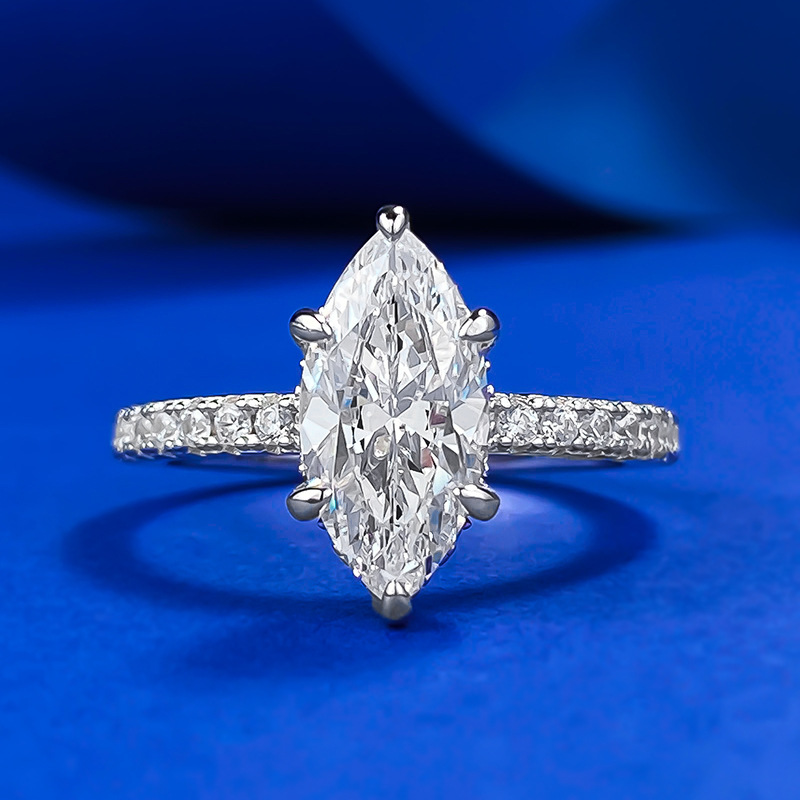
Pear Diamond Engagement Ring Cost: How to Compare Style, Size, and Value
Pear Diamond Engagement Ring cost can vary a lot, even between rings that look similar at first glance. The diamond, setting, metal, and certification all shape the final number. If you've been comparing options and wondering why one pear looks so much pricier than another, the answer is usually hiding in the details.
The cost also depends on how the stone faces up on the finger. A well-cut pear can look larger than its carat weight suggests, which is one reason many shoppers see strong value in the shape. I've helped hundreds of couples compare pear diamonds, and the happiest choices usually come from balancing beauty, budget, and real-life wear, not just chasing the biggest number on the tag.
StoneBridge Jewelry makes comparison easier with lab-grown pear diamond rings, clear specs, and settings built for everyday wear. Because yes, the ring should look breathtaking during the proposal and still feel comfortable on an ordinary Tuesday.
What drives pear diamond engagement ring cost?
Pear diamond engagement ring cost starts with the center stone, but it never ends there. Carat, cut, color, clarity, and certification all affect the price, along with the prongs, side stones, and metal around it. Two rings can share the same carat weight and still land in very different price bands.
A good pear diamond should show a bright, even face-up look, not just a big number on paper. The pointed end should feel balanced, and the bow-tie effect should stay subtle instead of dark and distracting. GIA and IGI reports help because they give you measurements, polish, symmetry, and clarity details you can compare side by side.
Carat weight and face-up size
Carat weight is the quickest way to move pear diamond engagement ring cost up or down. Price jumps often show up near 1.00, 1.50, 2.00, and 3.00 carats because those sizes are in high demand. A stone just under one of those marks can save you money without looking much smaller (trust me, I've seen it happen many times).
Pear diamonds have a built-in advantage. Their elongated shape spreads across the finger, so a 1.20 carat pear may look larger than a round stone of the same weight. Shoppers who care about finger coverage often get more visual impact from a pear than they expect.
Cut quality and the bow-tie effect
Pear diamonds do not get a traditional cut grade the way round brilliants do, so your eyes matter more than a single score. Look for clean symmetry, balanced proportions, and steady sparkle from edge to edge. Why pay for size if the center looks dull?
The bow-tie effect needs special attention. A light shadow through the center is normal, but a heavy dark band can flatten the whole stone. Buyers often prefer pears in the 1.45:1 to 1.60:1 length-to-width range because the shape feels elegant without looking too round or too narrow.
Honestly, I think this is where pear diamonds either win people over or lose them. A lively, graceful pear feels romantic and distinctive; a poorly cut one can look flat even if the specs seem impressive.
Color, clarity, and certification
Color and clarity also shape pear diamond engagement ring cost, especially because the pointed end can reveal flaws more easily if the stone is poorly matched to the setting. Many shoppers do well with near-colorless grades such as G or H. Eye-clean clarity in VS1, VS2, or select SI1 stones can offer strong value when the inclusion placement is good.
Independent grading reports matter just as much as the stone itself. GIA and IGI documents make it easier to compare measurements, finish, and quality without relying on vague listing language. That transparency gives you a clearer read on what you're really paying for.
What to look for in a pear diamond listing
When you shop online, the listing details matter as much as the headline price. A good listing should include the exact measurements, certificate number, color and clarity grades, and clear images or videos from multiple angles. If those details are missing, it becomes much harder to compare pear diamond engagement ring cost in a meaningful way.
Pay close attention to the measurements in millimeters, not just carat weight. Two 1.50 carat pears can look very different if one has a longer spread and the other is deeper and heavier. Ask yourself which stone faces up larger, which one has better symmetry, and which one shows less darkness across the center.
Table, depth, and fluorescence
Table and depth percentages help explain why some pears sparkle better than others. A stone with an overly deep profile may hide weight where you cannot see it, while an overly shallow stone can look washed out. There is no single perfect set of numbers, but the proportions should support brightness and a pleasing outline.
Fluorescence can also matter, though it is often overlooked. Strong fluorescence may make some diamonds appear hazy in certain lighting, but it can also slightly soften the appearance of warmer color grades. If you are comparing similar stones, it is worth checking whether fluorescence is present and whether it affects the visual appearance.
Matching the stone to the setting
The best pear diamonds are usually chosen with the setting in mind. A slim solitaire can make a stone look longer and cleaner, while a halo can help a smaller pear feel more substantial. If you want the tip protected, look for a design with a V-prong or another secure setting that shields the pointed end.
This matters for value because a well-matched setting reduces the chance of future repairs. A beautiful diamond in the wrong mounting may need extra service, and that can erase some of the savings you thought you were getting upfront.
Lab-grown pear diamond pricing vs. mined stones
Lab-grown stones often create the biggest shift in pear diamond engagement ring cost. They have the same chemical, optical, and physical properties as mined diamonds, so you get the same look and durability at a more approachable price. For many buyers, that means a larger center stone or a better setting within the same budget.
Lab-grown value often shows up quickly during side-by-side comparisons. In my years at StoneBridge, I've watched customers move up one size tier, or improve color and clarity, after comparing the same design in a lab-grown version. The best part is seeing someone realize their dream ring is actually within reach (yes, even on a budget).
To browse by shape and see how pricing changes, shop lab-grown diamonds and browse engagement rings to compare the difference in real listings.
Typical budget ranges
Exact prices change with inventory, but these ranges are a practical starting point for comparing pear diamond engagement ring cost across common budgets.
| Budget tier | Likely ring profile | Value focus |
|---|---|---|
| Under $1,500 | Smaller center stone, simple solitaire, 14k gold | Clean design and strong finger coverage |
| $1,500-$3,000 | Around 1.00-1.50 carats, refined solitaire or hidden halo | Better color and clarity balance |
| $3,000-$5,000 | Larger pear diamond, halo or pavé accents, upgraded metal | More sparkle and stronger presence |
| $5,000+ | Premium larger stone, platinum, custom or three-stone design | Maximum polish, detail, and customization |
A budget tier is only a starting point, not the final word. A smartly chosen 1.10 carat pear can look more impressive than a weaker 1.25 carat stone, especially if the cut is stronger and the setting suits the shape.
How settings change pear diamond engagement ring cost
The setting can swing pear diamond engagement ring cost just as much as the center stone. A simple solitaire keeps the focus on the diamond, while halo, pavé, and three-stone designs add metal work, accent stones, and extra labor. That extra detail can be worth it if you want more sparkle or a more finished look.
Here's what nobody tells you: the setting is often what makes the ring feel personal. The diamond may be the star, but the setting is what gives the ring its mood, whether that mood is clean and modern, vintage-inspired, dramatic, or soft and romantic.
Solitaire, halo, and pavé
A solitaire is usually the most budget-friendly option. It uses less metal and fewer stones, so more of your budget goes into the pear itself. If you want a clean, classic look, this is often the best place to start.
Halo and hidden halo settings raise the sparkle level and can make the center diamond look larger. They also add cost because they use more accent stones and more time to build. Pavé bands usually sit a step higher because the tiny stones need careful setting and regular upkeep.
If the proposal is a surprise, a solitaire can also be a safer choice because it works with almost every style. You can always add a more detailed wedding band later, which is a lovely way to build the look over time.
White gold, yellow gold, rose gold, and platinum
Metal choice changes both style and price. White gold gives a bright, modern look. Yellow gold feels timeless and warm. Rose gold adds softness and a romantic tone.
Platinum usually costs the most because it is denser and more expensive to work with. 14k gold often gives the best balance of durability and value, while 18k gold offers richer color and a more luxurious feel. The right metal should fit your skin tone, daily routine, and the rest of your jewelry.
How to compare pear diamond engagement ring cost on a budget
If you want the best value, start with the diamond shape and the way it looks on the finger. Then compare the stone's proportions, certification, and setting before you focus on the sticker price. Pear diamond engagement ring cost makes more sense once you compare the whole ring, not just the center stone.
A simple plan keeps the process manageable:
- Pick your ideal finger coverage and carat range.
- Check the pear's symmetry, bow-tie, and length-to-width ratio.
- Compare GIA or IGI reports for color, clarity, and finish.
- Choose the setting that fits your wear habits.
- Review resizing, warranty, and service policies before you buy.
If you want a better feel for size and fit, build your ring and read the ring size guide before you finalize the order. Those two steps can save time and help you avoid a costly exchange later.
Best value specs for pear diamonds
For many shoppers, the strongest value sweet spot sits in near-colorless grades with eye-clean clarity. A G-H color pear with VS2 or select SI1 clarity can look excellent if the stone is well cut and the inclusions stay out of sight. That combination often keeps pear diamond engagement ring cost reasonable without giving up the clean look people want.
Secure prongs matter too, especially at the pointed tip. A protective setting helps the diamond hold up to daily wear and lowers the chance of damage. Small details like that can change the long-term value more than people expect.
My practical advice? Do not spend your whole budget on the center stone and leave the setting as an afterthought. The ring has to live with you through workdays, weekends, wedding planning, travel, and all the little moments after the big yes.
Shipping, returns, and after-sale service
Another part of pear diamond engagement ring cost is the support behind the purchase. Shipping, return windows, resizing, and warranty coverage can make a major difference if the ring is a gift or a surprise. It is worth checking these Policies Before You fall in love with a listing.
Look for insured shipping, clear delivery timelines, and a return policy that gives you enough time to inspect the ring in person. If the ring needs resizing, confirm whether the first resize is included or whether there are size limitations based on the design. Rings with pavé or intricate side detail may have more restrictions than a plain solitaire.
Ask about inspection and maintenance too. Periodic prong checks and cleanings help protect the center stone, and some jewelers offer complimentary service for the life of the ring. That sort of support can make a more expensive ring feel like a better value over time.
Common mistakes when comparing pear diamond prices
One of the biggest mistakes is comparing carat weight without looking at the actual outline. A heavier pear is not always the better buy if it has a deep body, a weak bow-tie, or a less flattering ratio. The other common mistake is ignoring the setting, then realizing later that the ring needs more money to feel complete.
Shoppers also sometimes choose color or clarity grades that sound impressive on paper but don't improve how the ring looks. If a diamond is already eye-clean, paying far more for a higher clarity grade may not add visible value. The same is true for color if the stone will be set in yellow or rose gold, where a slightly warmer tone can disappear once mounted.
Another issue is forgetting about the wedding band. Some pear settings sit low, while others require a curved or contoured band to fit neatly beside them. If you want the engagement ring and wedding band to stack well, factor that into the budget now instead of treating it as an afterthought later.
Wearability, care, and long-term costs
Purchase price is only part of the story. Resizing, prong tightening, cleaning, and insurance can all add to the real cost of ownership. Pear diamond engagement ring cost feels much better when the ring also wears well for years.
Finger coverage, setting height, and band width affect comfort. A higher setting gives the ring more presence, but it can catch on clothing more easily. A lower profile feels safer for daily wear, especially if you use your hands a lot.
Daily wear and upkeep
Pear diamonds need a secure setting and regular checkups. The tip should be protected, and the prongs should stay tight. If the ring starts to snag or the stone moves even slightly, a jeweler should inspect it right away.
Cleaning is simple, but it matters. Soap film and lotion buildup can dull the sparkle fast, which makes the ring look smaller and less lively. A quick clean and a yearly inspection help preserve both beauty and value.
Long-term ownership costs
Some buyers focus only on the checkout total, then get surprised later by resizing or appraisal updates. Those costs are usually modest, but they belong in the budget. Strong craftsmanship can lower the chance of repeat service, which is why the setting quality matters as much as the center stone.
This is especially true if the ring is meant to be worn every day. A proposal ring is emotional, of course, but it is also a piece of jewelry that needs to hold up to real life.
Is a pear diamond engagement ring worth the price?
For many shoppers, yes. Pear diamond engagement ring cost often delivers strong value because the shape offers bold finger coverage, strong sparkle, and a distinctive look without feeling trendy. If you want a ring that feels elegant but a little less expected than a round stone, the pear shape is hard to beat.
The real question is simple: what matters most to you, size, sparkle, or total budget? If you want a smart balance of all three, a well-cut pear can be a very good buy. StoneBridge Jewelry focuses on transparent specs and carefully made settings so you can compare options with confidence.
Ready to narrow it down? Start with engagement rings, compare styles in the ring builder, and reach out if you'd like help choosing the best fit for your budget. Choosing an engagement ring should feel exciting, not overwhelming, and a little guidance can make the whole process feel much more personal.
FAQ
How much should I budget for a pear diamond engagement ring?
A pear diamond engagement ring cost can start at a more accessible level and move into several thousand dollars as the stone size and setting improve. A simple solitaire in 14k gold will usually stay lower than a pavé or platinum design. If you're setting a budget, begin with the center stone and leave room for the setting you actually want.
Are lab-grown pear diamond rings better value than mined diamonds?
Yes, lab-grown pear diamond rings usually give you more size or better specs for the same money. That can make pear diamond engagement ring cost easier to control without giving up the look buyers want. If value matters most, compare the same shape, same setting, and similar grades side by side before you decide.
What pear diamond carat size looks best on a budget?
Many buyers find that a pear around 0.90 to 1.50 carats offers a strong balance of presence and price. Because the shape looks longer on the finger, you may not need to chase a larger carat to get the look you want. A stone just under a common price jump can stretch your budget further.
Which setting keeps pear diamond engagement ring cost lower?
A solitaire is usually the lowest-cost path because it uses less metal and fewer accent stones. Once you add halos, pavé bands, or a three-stone layout, labor and materials start to rise. If you want to stay close to a target budget, start with the setting before you move to premium extras.
What should I check before buying a pear diamond ring online?
Look at the grading report, the length-to-width ratio, the bow-tie, and the way the tip is protected. Photos and videos help, but they should be paired with GIA or IGI details so you know what you're comparing. A clear return policy, resizing support, and warranty coverage are also worth checking before you place the order.
Ready to Find Your Perfect Diamond?
Explore our collection of certified lab-grown diamonds
Shop Diamonds