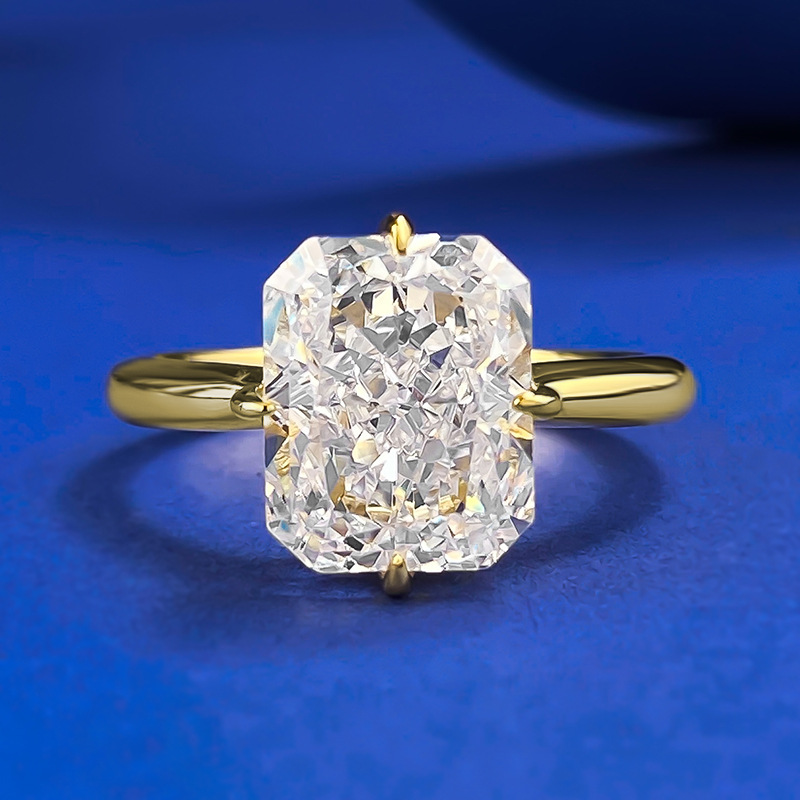
Pear Diamond Bezel Ring Setting: How to Choose Style, Security, and Everyday Comfort
A pear diamond Bezel Ring Setting offers a polished look, strong everyday protection, and a modern feel that many shoppers prefer over prong styles. If you’re comparing ring settings for a pear-shaped diamond, this design deserves close attention because it helps guard the pointed tip while creating a smooth, low-snag profile. The pear diamond bezel ring setting also changes how the stone reads on the hand, so style, proportions, and craftsmanship all matter.
Why the Pear Diamond Bezel Setting Matters
A pear-shaped diamond has a natural elegance, but it also has a vulnerable point: the tip. That pointed end can be more exposed than the rounded end, which is one reason shoppers often compare a bezel setting with prongs or a halo. A pear diamond bezel ring setting wraps metal around more of the diamond’s edge, helping reduce accidental chips, catches on fabric, and general wear from daily use.
That protection is a major selling point, but it isn’t the only one. Many buyers choose a pear diamond bezel ring setting because it looks clean and contemporary. The line of metal creates a smooth outline that feels refined rather than ornate. For someone who wants a ring that can handle commuting, typing, travel, and regular wear, that practicality matters.
Bezel settings also appeal to people who dislike exposed prongs. Some shoppers want a ring with fewer corners, fewer snag points, and a more streamlined profile. A well-made pear diamond bezel ring setting can deliver that without looking bulky. The best versions balance security with lightness, so the diamond still looks graceful on the hand.
Industry professionals often compare bezel settings to prong settings in terms of durability and style priorities. Prongs can show more of the diamond, but bezels usually offer better edge protection. For pear shapes, that edge protection is especially valuable because the tip can take the hardest hit.
What Is a Pear Diamond Bezel Ring Setting?
A bezel setting is a metal rim that surrounds all or part of a diamond’s outer edge and holds the stone in place. In a pear diamond bezel ring setting, that rim follows the curved outline of the pear shape and may also protect the pointed tip. The metal is shaped to fit the diamond closely, creating a secure seat that helps the stone stay stable.
A pear diamond bezel ring setting can appear in a few forms:
- Full bezel: Metal surrounds the entire perimeter of the pear diamond.
- Partial bezel: Only part of the outline is covered, often leaving some sections open for a lighter look.
- Bezel-inspired design: The ring borrows the smooth visual style of a bezel while using a modified structure, such as a partial frame or mixed setting.
The differences matter because they affect both appearance and performance. A full pear diamond bezel ring setting usually gives the most protection and the cleanest outline. A partial version can show more diamond and feel less heavy, though it may expose more of the stone. Bezel-inspired styles sit between the two, giving shoppers some of the look of a bezel without fully enclosing the gem.
The shape also matters. A pear diamond has one rounded end and one pointed end, so the bezel has to be formed with precision. If the rim is uneven, too tight, or too thick, it can distort the silhouette. A quality pear diamond bezel ring setting should frame the stone rather than overpower it.
Background: Why Pear Shapes Need Special Attention
Pear cuts combine a rounded bottom with a tapered point, which gives them visual length and a flattering outline. That same geometry creates a weak spot at the tip. Because the point extends beyond the broader body of the stone, it can be more vulnerable to impact than the rest of the diamond.
Cut proportions also influence how a pear diamond looks in a setting. A long, narrow pear can seem elegant and elongated, while a wider pear may appear fuller and more classic. The setting can either enhance those traits or blur them. In a pear diamond bezel ring setting, the metal frame can make the diamond look more defined, but only if the bezel is built to the right proportions.
Light exposure is another factor. A prong setting typically leaves more of the diamond open to light, which can help with sparkle. A pear diamond bezel ring setting covers more of the edge, so the diamond’s open area is reduced. That doesn’t mean the stone looks dull. It means the visual effect is different: more sleek, less airy, and often more architectural.
Bezel settings have a long history in fine jewelry. They’ve been used for centuries because they hold stones securely and wear well over time. In modern engagement and fashion rings, the bezel has become a favorite for shoppers who want a refined profile and less maintenance. The pear diamond bezel ring setting carries that same design logic into a shape that benefits from extra protection.
How a Pear Diamond Bezel Setting Is Made and Worn
A well-built pear diamond bezel ring setting depends on careful construction. The process starts with the diamond’s measurements, then moves to the seat, rim, gallery, and final metal finish.
Key parts of the setting
- Seat: The inner ledge where the diamond rests.
- Metal rim: The wrapped edge that secures the stone.
- Gallery: The side structure under the center stone.
- Shank: The band that supports the setting.
Jewelers shape the seat so the diamond sits level and stable. If the fit is off, the stone can tilt or the bezel may press too tightly against the girdle. In a pear diamond bezel ring setting, that precision is especially important because the pointed tip needs room to be protected without being squeezed.
During daily wear, the setting helps absorb minor knocks and contact. The surrounding metal acts like a shield. That can be useful for people who use their hands often or prefer a lower-profile ring. A pear diamond bezel ring setting also tends to catch on clothing less than elevated prong styles.
From the top view, the bezel creates a crisp outline around the pear diamond. The stone can look a little smaller than it would in an open prong setting, but the shape often appears more defined. From the side, the ring usually reads as smooth and integrated, especially in slim designs.
The best pear diamond bezel ring setting designs keep the diamond visible enough to show off its shape. The bezel should frame the stone, not hide it. That balance separates a refined setting from one that feels too heavy.
Design Choices That Change the Final Look
A pear diamond bezel ring setting can look very different depending on the metal, bezel width, band style, and orientation. These design choices influence everything from sparkle to finger coverage.
Metal options and their visual effect
| Metal | Look | Wearability | Best For |
|---|---|---|---|
| Platinum | Bright, cool, dense | Excellent durability | Buyers who want premium strength and a white-metal finish |
| White gold | Bright and similar to platinum | Strong with periodic rhodium maintenance | A classic white look at a lower cost than platinum |
| Yellow gold | Warm and traditional | Durable and timeless | Shoppers who want contrast and classic appeal |
| Rose gold | Soft, romantic, contemporary | Durable and distinctive | Buyers who want a warmer, modern tone |
Metal choice changes the visual read of the pear diamond bezel ring setting. White metals usually blend into the stone more, which can make the diamond appear larger and cleaner. Yellow and rose gold create more contrast, which can make the bezel feel like a deliberate design statement.
Bezel thickness also matters. A thin rim preserves more of the diamond’s profile and keeps the ring looking refined. A thicker rim adds a bolder look and more protection, but it can reduce the diamond’s apparent size. The right choice depends on whether the buyer prioritizes minimalism or a stronger visual frame.
Band style plays a role too. A slender shank often makes the pear diamond bezel ring setting feel delicate, while a wider band creates a more substantial, fashion-forward look. Split shanks, tapered bands, and knife-edge bands all change how the center stone stands out.
Orientation affects the Look on the Hand as well. Most pear diamonds are worn north-south, with the point facing away from the hand. That direction usually makes the finger look longer. Some designs rotate the pear or use asymmetrical framing for a more fashion-driven effect. In a pear diamond bezel ring setting, orientation should support the diamond’s shape instead of competing with it.
A few style questions to ask before buying
- Do you want the ring to look delicate or bold?
- Should the bezel blend in or stand out?
- Do you prefer a high-contrast metal color or a close match to the diamond?
- Will the ring be worn alone or stacked with other bands?
Practical Buying Tips for a Pear Diamond Bezel Ring
A smart purchase starts with the diamond itself. The best pear diamond bezel ring setting can only look as good as the stone it frames. Check the pear’s symmetry, polish, and outline before you judge the setting. The point should align cleanly with the center line, and the curves should flow smoothly from one end to the other.
Consider the diamond’s proportions too. Pear diamonds are often judged by length-to-width ratio, which affects whether the shape looks slender or fuller. Many buyers prefer a balanced range rather than an extreme ratio, because a well-proportioned stone is easier to frame beautifully in a pear diamond bezel ring setting.
Craftsmanship is just as important as the diamond. Look closely at the following:
- The bezel edge should be even all the way around.
- The diamond should sit straight, not tilted.
- The finish should be smooth with no rough edges.
- The stone should feel secure when inspected by a jeweler.
- The rim should not cover too much of the diamond’s face.
According to widely accepted jewelry practice, secure stone setting depends on a proper seat, even metal pressure, and a polished finish that doesn’t create wear points. GIA and IGI grading reports can help with diamond quality, but they don’t replace hands-on inspection of the setting itself. A report tells you about the stone; the pear diamond bezel ring setting still needs to be examined for fit and build quality.
Expert note: jewelers often assess bezel fit by checking even contact around the stone, looking for clean metal-to-diamond alignment, and testing whether the rim holds the center securely without pinching the girdle. That evaluation matters because even a strong diamond can be compromised by poor setting work.
Lifestyle should guide the final choice. If you work with your hands, travel frequently, or want a lower-maintenance ring, a pear diamond bezel ring setting is often a strong fit. If your top priority is maximum light return and an open look, a prong style may be more appealing. If you want a middle ground, compare bezel-inspired and partial bezel designs before deciding.
Ring size also matters. Smaller ring sizes can make a center stone appear larger, while larger sizes may need more visual balance from the setting. If you want to refine the proportions further, you can learn about ring sizing before ordering a custom piece.
For shoppers comparing styles, it can help to explore our engagement rings and see how different settings change the same pear shape.
Common Mistakes to Avoid When Choosing This Setting
A pear diamond bezel ring setting can be beautiful and durable, but a few mistakes can weaken the result.
Watch for these issues
- A bezel that is too tight: It can strain the diamond or make the setting look pinched.
- A bezel that is too loose: It may fail to stabilize the stone properly.
- Overly thick metal: This can hide the outline of the pear and reduce visual size.
- Poor symmetry: The pear shape can look distorted if the frame is uneven.
- Ignoring maintenance: Even secure settings need periodic inspection for wear.
A common design error is letting the bezel cover too much of the diamond. The result can be a ring that feels heavy and obscures the stone’s natural outline. Another mistake is choosing a setting that looks secure in photos but doesn’t fit the actual diamond well. The pear diamond bezel ring setting must match the exact stone, not just the general shape.
Fit issues can also create long-term headaches. If the ring is poorly sized or the setting is custom-built without room for future adjustment, resizing may become complicated later. That’s especially true for designs with integrated shoulders, hidden details, or a fully enclosed head.
Maintenance matters too. A bezel can reduce snagging and daily exposure, but it still needs cleaning and inspection. Dirt can collect around the rim, and the metal can show wear over time. Regular checks help ensure the pear diamond bezel ring setting stays secure and attractive.
If you want hands-on guidance before buying, you can always contact our jewelry experts for help comparing styles, sizing, and setting options.
FAQ: Pear Diamond Bezel Ring Setting
Is a pear diamond bezel ring setting secure for everyday wear?
Yes, a bezel setting is generally one of the most secure options because it surrounds and protects more of the diamond’s edge. For a pear shape, it can be especially helpful in protecting the pointed tip from chips and snags. A well-made pear diamond bezel ring setting is a strong choice for daily wear.
Does a bezel setting make a pear diamond look smaller?
It can, depending on bezel thickness and metal color, because the rim covers part of the stone’s perimeter. A slim, well-proportioned pear diamond bezel ring setting usually preserves more visual size than a heavy frame. The right design keeps the shape elegant without making the diamond feel lost.
What metal works best for a pear diamond bezel ring setting?
Platinum and gold are both common choices, and the best option depends on style preference, durability goals, and budget. A high-quality metal with precise craftsmanship matters more than the metal type alone. In a pear diamond bezel ring setting, the finish and fit often influence the final look more than the metal category.
Can a pear diamond bezel ring setting be resized later?
Usually yes, but resizing can be more complex when the band and setting are integrated. It is best to confirm sizing flexibility with the jeweler before purchase, especially for custom designs. A custom pear diamond bezel ring setting should be planned with future wear in mind.
What is the difference between a bezel setting and a prong setting for a pear diamond?
A bezel surrounds the stone with metal for added protection, while prongs hold the diamond with small metal claws that leave more of the stone exposed. Bezel settings prioritize security and a modern look, while prong settings often maximize light exposure. For many buyers, the pear diamond bezel ring setting offers the best mix of safety and style.
Conclusion: Is a Pear Diamond Bezel Ring Setting Right for You?
A pear diamond bezel ring setting is a strong option if you want security, comfort, and a clean modern look. It protects the pear’s pointed tip, reduces snagging, and gives the ring a smooth profile that works well for daily wear. It also offers a distinct style that feels polished without being overly ornate.
This setting is especially appealing if you value durability, prefer a low-maintenance ring, or want a pear shape that feels architectural and refined. The best results come from careful attention to proportions, metal choice, and craftsmanship. If you’re comparing designs, browse related settings, explore more ring styles, or read more on our blog to keep learning Before You Buy. A thoughtfully made pear diamond bezel ring setting can be both beautiful and practical for years to come.
Ready to Find Your Perfect Diamond?
Explore our collection of certified lab-grown diamonds
Shop Diamonds