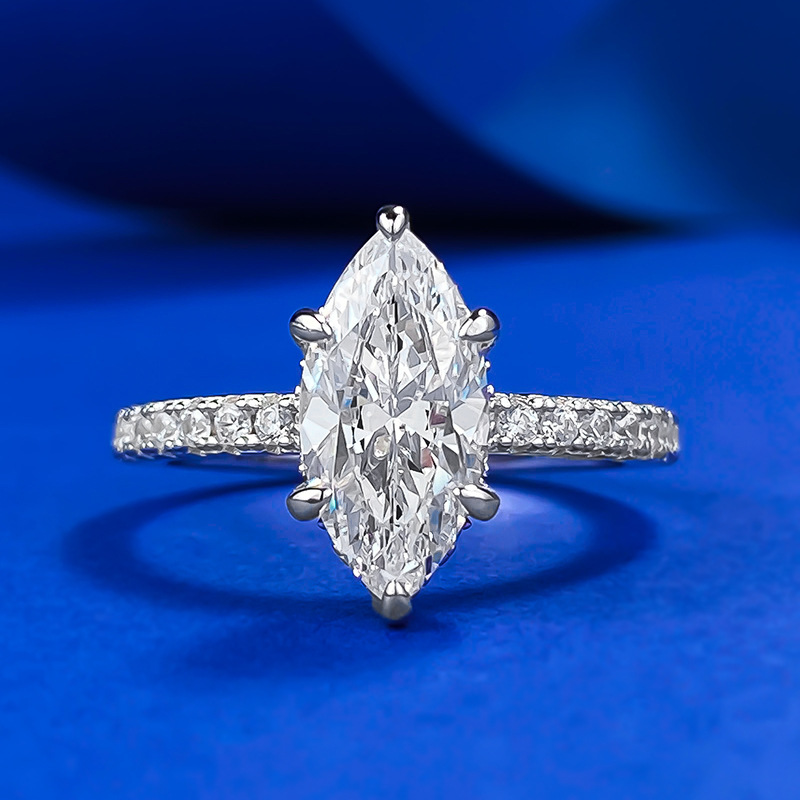
Matching Wedding Bands for Round Rings: A Practical Bridal Set Guide
Choosing Matching Wedding Bands for round rings starts simple, then gets specific fast. Once you compare profile height, metal color, and stone setting, the best choice usually becomes clear.
A Round Engagement Ring gives you plenty of styling options. Still, the band has to sit well, feel good, and make the whole set look balanced day after day.
The right pair does more than look pretty. It helps the rings sit together, supports comfort, and keeps the bridal set from feeling top-heavy or awkward. Do you want a flush fit, a tiny gap, or a decorative band that stands out a bit? That choice matters more than most shoppers expect.
Why Matching Wedding Bands for Round Rings Matter
Matching Wedding Bands for round rings matter because the round shape has a very clean visual rhythm. A round center stone looks soft and even, so the band beside it should either echo that shape or contrast it in a way that still feels natural.
If the band is too wide, too tall, or sharply contoured, the set can feel off. It may also twist, rub, or press against the engagement ring basket.
Comfort matters just as much as style. Our customers often notice that a better-fitting band gets worn more often, simply because it feels easier on the hand. A ring you enjoy wearing every day has to feel right from the side, not just from the top.
Metal choice changes the mood too. Yellow gold brings warmth, white metals sharpen the look, and rose gold softens it. The best result usually comes from treating both rings as one set, not two separate pieces.
GIA notes that ring proportions and setting structure affect wearability as much as the stone itself. That same idea applies when choosing matching wedding bands for round rings. A beautiful band that doesn’t fit well won’t stay beautiful for long.
Understanding Round Rings: Shape, Setting, and Style Factors
A round ring usually means a round brilliant center stone or a design built around smooth curves. Round diamonds remain the most popular diamond shape in the U.S., according to industry trade reports, and that popularity comes from their light return and easy styling.
That flexibility is helpful. It doesn’t remove the need to check fit.
Setting style and band fit
- Prong settings: These often leave more of the stone visible, so a straight band may work if the basket sits low.
- Halo settings: The wider outline can call for a slimmer band so the set doesn’t feel crowded.
- Bezel settings: These create a smoother edge and can work with both straight and curved bands.
- Three-stone settings: Side stones can change the way the band lands on the finger, especially with wider designs.
Basket height matters too. A high basket often keeps a straight band from sitting flush. A low basket usually gives you more room to work with.
Shank thickness plays a role as well. A thin shank can look overwhelmed next to a heavy diamond band. A thicker shank usually needs a band with similar presence.
Center stone size changes the balance, too. A 1.00 carat round diamond and a 2.50 carat round diamond do not need the same visual partner. Matching wedding bands for round rings should reflect that difference instead of fighting it.
How to Choose the Right Band for a Round Ring
The easiest way to choose matching wedding bands for round rings is to start with fit, then narrow down shape, then finish with style.
Check the ring profile first
Look at the engagement ring from the side. Does the stone sit high? Does the basket curve outward? Do the prongs take up extra room? Those details tell you whether a straight band can sit flush or whether you need a curved or contoured design.
Decide how you feel about a flush fit
Some people want the rings to touch cleanly. Others like a small gap because it adds shape and makes each ring easier to see. Neither choice is wrong. The best bridal set is the one that feels deliberate.
Match visual weight
The wedding band should feel proportional to the engagement ring.
- A delicate solitaire usually pairs well with a slim pavé or plain metal band.
- A larger round center stone can support a wider eternity band.
- A detailed engagement ring often looks best with a simpler partner.
Test comfort, not just looks
Try both rings on together. Turn your hand. Make a fist. Bend your fingers. If the band pinches, tilts, or rubs, it needs another look.
Comfort-fit interiors can help if you plan to wear the set all day. That is one reason many shoppers now ask for comfort first and sparkle second.
Choose the right partner style
Not every partner ring has to be a classic wedding band. Some buyers like an eternity band for extra sparkle. Others prefer an anniversary ring later for stacking. Matching wedding bands for round rings can also work as part of a layered set if you want room to build over time.
Here’s a simple comparison:
| Band Style | Best For | Visual Effect | Fit Consideration |
|---|---|---|---|
| Curved band | High-set round rings | Soft, nested look | Helps close small gaps |
| Contoured band | Rings with baskets or side details | Tailored, custom feel | Best for unusual profiles |
| Straight band | Low-profile solitaires | Clean, classic stack | May not sit flush on every ring |
| Open-design band | Modern bridal sets | Light, airy look | Check stability during wear |
| Eternity band | Sparkle-forward sets | Bright and continuous | Stone height can affect comfort |
Curved bands for a soft fit
Curved bands are a favorite for matching wedding bands for round rings because they follow the center stone naturally. They can soften the whole look and make the set feel connected.
Contoured bands for a precise match
Contoured bands are shaped to follow the ring more closely. If your engagement ring has a high basket, side stones, or unusual prongs, this option often gives the cleanest side view.
Straight bands for simple style
A straight band still works well if the ring sits low or if you like a little space between the two rings. For many buyers, that small gap looks intentional and elegant.
Open-design bands for a modern feel
Open bands frame the center ring without fully surrounding it. They work well for shoppers who want something less expected. Just make sure the open ends stay steady on the finger.
Lifestyle should guide the choice
If you use your hands a lot, low-profile settings usually make more sense than tall ones. If you want something easy to care for, plain metal or channel-set matching wedding bands for round rings often wear well over time. Pavé and full eternity styles bring more sparkle, but they need a little more attention.
Popular Matching Band Styles for Round Rings
Most matching wedding bands for round rings fall into a handful of styles that work well again and again. Each one changes the feel of the bridal set in a different way.
Pavé bands
Pavé bands use small diamonds set close together for a bright, even shimmer. They look especially good with round center stones because the sparkle feels unified. A thin pavé band can add light without stealing attention from the solitaire.
Channel-set bands
Channel-set bands place stones inside metal walls. That makes them a smart pick for daily wear. The stones are more protected, which many shoppers appreciate.
Half-eternity bands
A half-eternity band has diamonds only across the top half. It gives you sparkle where it shows most and a smoother underside for comfort. For many people, it’s the sweet spot between shine and practicality.
Full eternity bands
A full eternity band wraps diamonds or gemstones all the way around the finger. It looks elegant and continuous. Because the stones circle the entire band, sizing has to be exact.
Plain metal bands
Plain bands are still one of the strongest choices for matching wedding bands for round rings. They frame the center stone instead of competing with it. A polished finish feels classic, while a matte surface gives the set a quieter look.
Coordinated sets for couples
Some couples want rings that feel linked without being identical. That might mean the same metal, a shared engraving, or similar stone accents. The idea is simple: the rings should feel related, not copied.
Small details that change the final look
- Accent stone shape: Round stones echo the center diamond, while baguettes add structure.
- Setting height: Higher settings create more space between the rings.
- Metal color: Matching metals feel unified; mixed metals create contrast.
- Band width: A 1.5 mm band looks delicate, while a 3.0 mm band feels more solid.
A slim band can make the center stone appear larger by comparison. A wider band can make the set feel stronger and more formal. Neither is better in every case.
Practical Tips for a Balanced Bridal Set
Good pairing starts with a real try-on, not just a photo online. Matching wedding bands for round rings should look balanced from the top, side, and finger profile.
Measure before you buy
Use the engagement ring’s measurements as your guide:
- Band width: Common bridal widths range from 1.5 mm to 3.0 mm.
- Setting height: Measure how far the stone rises above the finger.
- Stone spread: Note how wide the ring looks from edge to edge.
- Finger size: Confirm whether the band runs true to size or needs adjustment.
If you need sizing help, use our ring size guide before you commit.
Think about your hand shape
Longer fingers can carry wider bands and stronger details. Shorter fingers often look best with slimmer profiles that keep the set light and tidy.
Plan for daily wear
If you type a lot, work with your hands, or wear gloves often, smooth edges and secure settings matter. A lower-profile matching wedding band for round rings is often the better everyday choice.
Protect the finish and stones
Check prongs regularly. Clean off lotion, soap, and dust. Store the ring away from harder jewelry that could scratch the metal. If your band has pavé stones or a full eternity design, ask for periodic checks.
Ask before you buy
- Will the band sit flush with my engagement ring?
- If there’s a gap, does it look intentional?
- Are the settings secure enough for everyday wear?
- Does the metal match, or does contrast work better here?
- Will this still look right if I add an anniversary ring later?
Those questions save time. They also help you avoid a ring that looks lovely in a tray but feels wrong on your hand.
Use trusted guidance
GIA and IGI both place strong emphasis on symmetry, finish, and setting integrity. Those same checks matter for bridal sets. Ask about metal purity, stone quality, prong security, and any care needs Before You Buy.
If you want to compare widths, metals, and settings side by side, try our ring builder. If you’d like to compare center stone options first, browse our loose diamonds to see how size and shape affect the final pairing.
Common Mistakes to Avoid
One of the easiest mistakes is choosing a band that clashes with the ring’s curve or prong layout. A band can look beautiful alone and still feel wrong next to a round engagement ring.
Other common missteps include:
- Ignoring basket height and assuming every straight band will sit flush
- Mixing metals without checking whether the contrast feels intentional
- Choosing a band that’s too wide for the center ring
- Overlooking stone security on pavé or eternity styles
- Buying for style alone without testing comfort
A matching wedding band does not have to copy the engagement ring exactly. In fact, a little contrast can make the set look better. The goal is balance, not duplication.
Matching Wedding Bands for Round Rings: What to Remember
The best matching wedding bands for round rings combine good fit, steady comfort, and a look that suits your style. Once you account for setting height, band width, metal color, and daily wear, the choice gets much easier.
If you focus on balance instead of chasing a perfect formula, the set will feel timeless for years. Explore options, compare profiles, and choose the band that works with your life, not just with a ring tray.
Ready to narrow it down? Browse our jewelry collection or contact our jewelry experts for personalized help.
FAQ
What wedding band goes best with a round engagement ring?
A curved, contoured, or low-profile straight band often works best, depending on the ring’s height and prong style. The right choice is the one that balances the round center stone and feels comfortable every day. Matching wedding bands for round rings should support the engagement ring instead of competing with it. If you’re torn between two styles, try both on in daylight and see Which One Feels more natural.
Do matching wedding bands have to sit flush with a round ring?
No, they don’t. Some bridal sets are made to sit flush, while others leave a small gap on purpose. A slight gap can look modern and clean if the proportions are right. Matching wedding bands for round rings can work either way, so comfort and visual balance matter more than perfect contact.
Can I wear an eternity band with a round engagement ring?
Yes, and it can look beautiful. Many shoppers choose a half-eternity band for comfort, while others like a slim full eternity style for extra sparkle. The main thing is checking that the stone height doesn’t cause rubbing or crowding. Matching wedding bands for round rings work best when the profiles line up and the edges don’t fight each other.
How do I choose a wedding band for a round solitaire ring?
Start with the ring’s profile. Measure the height, check the basket, and note the width of the shank before you compare styles. Then decide whether you want a straight, curved, or contoured band. For matching wedding bands for round rings, a simple design often gives the cleanest result because it lets the solitaire stay the focus.
Are matching bands the same as couple rings?
Not exactly. Matching bands usually refer to bridal or wedding sets that are meant to coordinate, while couple rings can describe any coordinated rings worn by partners. The terms overlap, but the goal can be different. Matching wedding bands for round rings are usually chosen for daily bridal wear, so fit and comfort matter just as much as style.
Ready to Find Your Perfect Diamond?
Explore our collection of certified lab-grown diamonds
Shop Diamonds