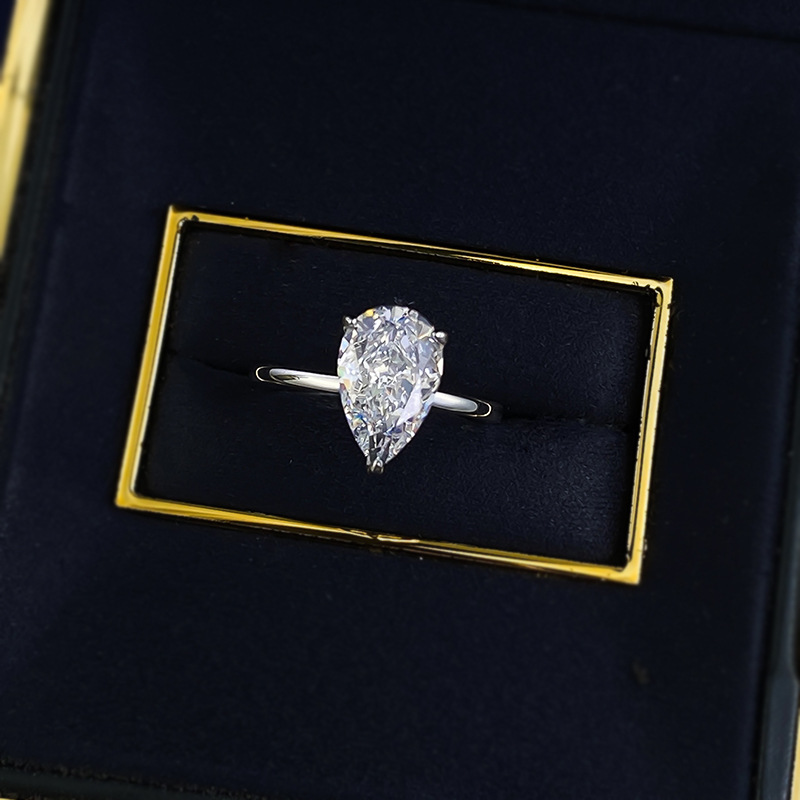
Matching Wedding Bands for Cushion Rings: Find the Right Pair
Matching Wedding Bands for cushion rings should feel like a natural extension of the engagement ring. A cushion-cut center stone has soft corners and a rounded outline, so the band should support that shape instead of fighting it. The right pair looks balanced, wears comfortably, and still feels polished after years of daily use.
Fit matters just as much as style. A band that sits well can reduce rubbing, limit snagging, and make your bridal stack feel easy on the hand. Some rings need a straight band. Others need a curved, contoured, or notched shape. Mixed metals can work too, as long as the contrast feels intentional.
Start with the ring’s height, setting style, and overall width. Those details tell you more than the diamond shape alone.
Why Cushion Rings Need a Careful Band Match
A cushion cut blends a square shape with soft, rounded edges. That gentle outline is part of its appeal, but it also means Matching Wedding Bands for cushion rings need a little more planning than a standard straight band.
If the band is too wide or too ornate, it can pull attention away from the center stone. If it’s too slim, it may disappear beside a larger cushion or a halo setting. The best match keeps the eye moving across the full stack without one ring overpowering the other.
Shoppers often get the best results when they focus on proportion first. GIA guidance on diamond settings also points to the same idea: the setting, band, and center stone should work together as one design, not as separate parts.
A few quick examples help:
- A low-set cushion ring often works with a straight band.
- A high-set ring may need a curved or notched band.
- A halo setting usually looks cleaner with a slimmer band.
- Vintage styles often pair well with engraved or milgrain details.
The goal is simple: the two rings should look like they were planned together.
What to Check Before You Shop
Before you compare matching wedding bands for cushion rings, take a close look at the engagement ring you already have. Style matters, but the physical fit comes first.
Band width
Band width changes both comfort and the way the set looks on your hand. Many women’s wedding bands fall between 1.5 mm and 3.0 mm, though wider styles are easy to find if you want a bolder look.
A 2.0 mm pavé band can look right next to a modest cushion solitaire. A 3.0 mm plain band may feel too heavy beside a petite center stone. Larger cushion cuts can usually carry more width, especially if the setting already has side stones or a halo.
Ring height
Ring height often decides whether the band sits flush. Low-profile settings are easier to pair with straight bands. Higher settings usually need a curved, contoured, or notched design to avoid a gap.
That gap isn’t always a problem, but it changes the whole look. If you want a neat bridal stack, height is one of the first things to measure.
Shank style
The shank is the part that wraps around your finger. Some cushion rings have tapered shoulders, cathedral sides, or a hidden halo that changes where the wedding band lands.
Those details matter. A simple shank may give you more options, while a detailed one may need a custom fit.
Metal choice
Matching metals create a clean, unified look. Platinum with platinum, yellow gold with yellow gold, and rose gold with rose gold all feel classic.
Matching wedding bands for cushion rings do not have to be identical, though. Two-tone stacks can look polished if the contrast shows up elsewhere in the ring set.
Quick compatibility checklist
- Measure the setting height.
- Note whether the ring sits low, medium, or high.
- Identify the shank style.
- Decide if you want a flush fit.
- Compare the center stone size with the band width.
- Choose matching or mixed metal on purpose.
Matching band styles at a glance
| Band Style | Best Fit | Best For | Main Benefit | Watch For |
|---|---|---|---|---|
| Straight band | Low-profile settings | Minimal solitaire styles | Clean, classic look | May leave a gap on higher settings |
| Curved band | Elevated rings | Solitaires and halos | Follows the ring’s shape | Curve has to match well |
| Contoured band | Custom-feel pairing | Unique settings | Polished and precise | Not as universal |
| Notched band | Complex ring heads | Three-stone or high baskets | Snug fit around the center ring | Harder to resize in some cases |
| Eternity band | Simple engagement rings | Sparkle-heavy stacks | Full-circle shine | Less flexible for resizing |
| Pavé band | Most cushion ring styles | Everyday bridal stacks | Extra sparkle without bulk | Needs regular inspection |
Best Wedding Band Styles for Cushion-Cut Rings
Matching wedding bands for cushion rings can take several forms, and each one changes the mood of the stack. Some feel classic. Some feel romantic. Some bring a little more sparkle.
Straight bands for a clean look
A straight wedding band is the easiest starting point. It works best when the cushion ring sits low enough for both rings to line up neatly.
This style suits buyers who want a simple stack that doesn’t pull attention away from the center stone. It’s also easy to wear every day and easy to add to later if you want an anniversary ring down the road.
Best for:
- Low-set cushion solitaires
- Simple bridal looks
- Everyday comfort
Curved or contoured bands for a better fit
A curved band follows the outline of the engagement ring. For many cushion cuts, that shape feels natural because it echoes the rounded corners of the stone.
Curved and contoured bands are especially useful for higher settings. They close the visual gap and make the set feel more intentional.
Best for:
- High-set cushion rings
- Rings with a visible basket
- Buyers who want a finished, tailored look
Pavé and eternity bands for more sparkle
A pavé wedding band adds shine without taking over the stack. It’s a strong choice if you want the bridal set to feel bright but still balanced.
An eternity band can also look beautiful with a cushion cut. It works especially well beside a simple solitaire or a modest halo. The sparkle frames the center stone and gives the full stack more presence.
There are a few trade-offs to keep in mind:
- Eternity bands can be harder to resize.
- Pavé bands need regular stone checks.
- Very bright bands can crowd a halo if the proportions are off.
Industry estimates from the U.S. Census Bureau’s jewelry retail data show that bridal jewelry remains a major category year after year. That explains why these pairing choices matter so much to shoppers. For many couples, the band is part of a long-term daily wardrobe, not just a wedding-day detail.
Vintage-style bands for added character
Cushion cuts often pair nicely with vintage details. Milgrain edges, engraving, filigree, and soft scrollwork can echo the romantic feel of the center stone.
If your engagement ring already leans antique, a decorative band can look like it was made for it. The trick is to match the mood, not copy every detail.
Best for:
- Antique-inspired cushion rings
- Romance-forward bridal sets
- Couples who like heirloom styling
How to Match the Band to Your Cushion Ring Style
Matching wedding bands for cushion rings works best when you start with the ring you already own. The setting style, side details, and height all change what fits well.
Solitaire cushion rings
Solitaire rings give you the most flexibility. Since there are no side stones to work around, you can go simple or add more sparkle.
A straight band often works with a low solitaire. A curved band usually fits better if the ring sits higher. Because the setting is clean, you can focus on proportion and comfort.
Halo and double halo cushion rings
Halo rings already bring plenty of sparkle, so the wedding band should support the look rather than compete with it. Slim pavé bands and thin straight bands usually work well.
With a double halo, scale matters even more. Too much shine below can make the stack feel crowded. A thinner band keeps the cushion stone as the clear focal point.
Vintage, three-stone, and elongated cushion rings
More detailed cushion rings need more care. Three-stone settings, elongated cushions, and vintage heads often have stronger shapes and more visual detail.
That means the band should either echo the style or stay quiet. A milgrain band can suit a vintage ring. A curved band can work well with an elongated stone. For unusual shapes, custom work may give the cleanest result.
Practical Tips for Shopping and Styling
A pretty stack still has to feel good on the hand. Comfort and durability matter just as much as the look.
Try the rings together
If you can, wear both rings at the same time Before You Buy. Fingers change size during the day, so try them when your hands are at a normal temperature.
That small step can save you from a band that feels fine at first but gets annoying later. It also helps you see whether the rings rub or leave too much space.
Think about budget and metal
Price depends on metal, stone size, and craftsmanship. A plain gold band will cost less than a diamond eternity band. Lab-grown stones can also open up more design choices if you want extra sparkle.
Use a price range instead of a hard number. That gives you room to compare a plain band, a pavé style, and a custom option.
Choose custom when the fit is unusual
Custom wedding bands make sense if your ring sits high, has a unique basket, or needs a very specific shape. They’re also a smart choice if you want the two rings to sit flush.
Off-the-shelf bands work well for many cushion rings. Still, custom can be worth it when the engagement ring has detailed metalwork or when you want a perfect match.
Look for clear specs
Before You Buy, check these details:
- Band width in millimeters
- Metal type and purity, such as 14k or 18k gold or platinum
- Stone details for pavé or eternity bands
- Setting style and security
- Resize policy
Industry groups like GIA and IGI make it easier to compare diamond quality and setting details. That matters when you’re shopping online and can’t see the ring in person.
If you’re still choosing the center stone, browse our engagement rings to compare shapes before you finalize the band. You can also use our ring builder to test different bridal stack combinations.
Common Mistakes to Avoid
A good match can go wrong fast if a few key details get ignored.
Don’t ignore visual weight
A thick, ornate band can overpower a modest cushion solitaire. A very thin band can look too small beside a large halo. Aim for balance.
Don’t assume every ring sits flush
Many people expect a straight band to fit beside any engagement ring. That’s not always true. A higher setting or unusual basket can create a gap.
Don’t forget durability
If you wear your rings every day, think about upkeep. Pavé and micro-set styles need more checks than a solid band. Platinum and 14k gold are popular because they hold up well for daily wear.
Don’t mix styles without a reason
Mixed metals can look beautiful, but the contrast should feel planned. A vintage cushion ring usually looks better with a band that shares its tone, finish, or detail level.
Don’t skip future plans
Will you add an anniversary ring later? Do you want room for more stacking? Will resizing matter down the road? A flexible band can make those changes much easier.
Frequently Asked Questions About Matching Wedding Bands for Cushion Rings
What wedding band looks best with a cushion cut engagement ring?
Curved, contoured, or slim pavé bands are often the easiest match for a cushion cut because they follow the ring’s soft shape. A straight band can also work if the engagement ring sits low enough to line up neatly. The best choice depends on the setting height, band width, and how much sparkle is already in the ring.
Do matching wedding bands for cushion rings need to be the same metal?
No, they don’t have to be the same metal. Many shoppers like a mix, such as yellow gold with white gold or platinum. The key is making the combination look deliberate so the bridal stack feels cohesive, not random.
Can an eternity band pair with a cushion cut ring?
Yes, an eternity band can pair beautifully with a cushion cut ring. It works best with simpler engagement rings because the full-circle sparkle can become a lot if the center stone already has heavy detail. Keep the width and stone size in check so the stack stays comfortable and balanced.
How do I find a wedding band that sits flush with my cushion ring?
Measure the setting height and look at the basket, prongs, and shoulders of the engagement ring. Higher settings usually need a curved, contoured, or notched band to sit flush. If you’re not sure, ask a jeweler to test the fit Before You Order.
Should I buy my wedding band and engagement ring together?
You don’t have to buy them together, though it can make matching easier. Many people choose the engagement ring first, then pick a band that fits the shape and style. If you want extra confidence, compare both rings side by side or preview the stack with a ring builder.
Choosing the Right Pair for Your Cushion Ring
The best matching wedding bands for cushion rings respect proportion, height, and personal style. A low-profile solitaire may look best with a straight band, while a halo or higher setting may need a curved or contoured shape.
Keep comfort in mind, too. A ring you wear every day should feel as good at 8 p.m. as it did when you first put it on. That’s why band width, metal choice, and setting style all matter.
If you’re torn between a plain band, a pavé design, or an eternity style, start with the ring’s profile and your daily routine. That simple check will narrow the choices fast.
If you’re still comparing options, browse our jewelry collection for bridal stack ideas or review our ring sizing guide Before You Order. The right band should complement your cushion cut, not compete with it.
Ready to Find Your Perfect Diamond?
Explore our collection of certified lab-grown diamonds
Shop Diamonds