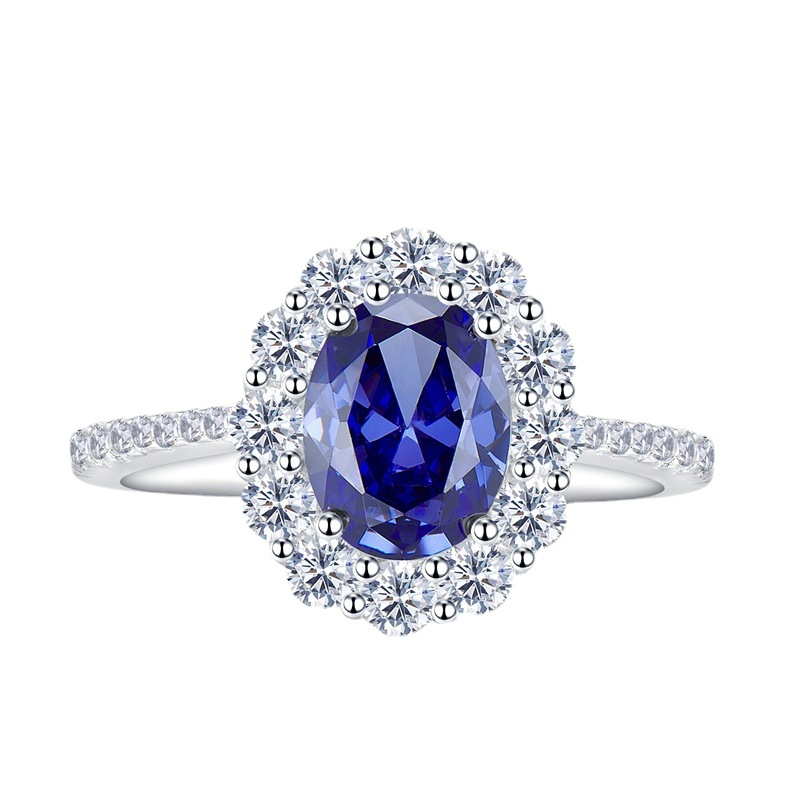
Marquise Cut Lab Diamond Hidden Halo Setting Fit: Secure, Elegant Tips
A Marquise Cut Lab Diamond hidden halo setting fit asks for more than a pretty sketch. The shape is long, pointed, and unforgiving if the basket is off by even a little. A clean fit gives you sparkle from the side and a crisp outline from above.
The challenge is balance. The setting has to protect the tips, support the pavilion, and leave room for the hidden halo without crowding the stone. A ring can look perfect in a render and still feel awkward on the hand if the fit is not built around the actual diamond (trust me, I've seen it happen).
If you're comparing stones and settings, build your ring first, then test how the profile changes with each diamond. You can also compare lab-grown diamonds, browse engagement rings, and explore fine jewelry to see how proportion changes the final look.
Why Marquise Cut Lab Diamond Hidden Halo Setting Fit Depends on Shape
A marquise diamond has two pointed ends and a curved center. That shape makes it feel larger than many other cuts at the same carat weight, but it also makes the fit more sensitive. A Marquise Cut Lab Diamond hidden halo setting fit has to follow the stone's outline, not just its carat label.
Two 2.00 carat marquise diamonds can need very different baskets if their widths differ by only 0.4 mm. That small change can affect halo spacing, prong angles, and wedding band clearance. GIA grading reports list the measurements that matter most here: length, width, depth, table, symmetry, polish, and girdle detail.
Why measurements beat carat weight
Carat weight tells you how much the diamond weighs. It does not tell you how the stone will sit in a hidden halo. A 1.75 carat marquise might be narrow and dramatic, while another 1.75 carat stone may be fuller and need a wider basket.
For a marquise cut Lab Diamond Hidden Halo Setting fit, ask for the exact millimeter size before you choose the setting. Length, width, and depth tell you far more than a simple size range. Those numbers can separate a ring that looks made for the stone from one that looks forced onto it.
I've helped hundreds of couples choose marquise engagement rings, and the happiest ones usually fall in love with the fit as much as the carat size. When the stone sits right, the whole ring feels calmer, cleaner, and more personal.
A jeweler will usually review:
- Point-to-point length
- Widest belly width
- Total depth
- Girdle thickness
- Pavilion shape
- Tip placement for the prongs
- Space for the hidden halo and under-gallery
How Ratios and Depth Change the Look
Length-to-width ratio shapes the personality of a marquise diamond. A lower ratio, around 1.75 to 1.85, looks fuller and softer. A higher ratio, around 2.10 or more, looks leaner and more dramatic.
That ratio changes the path the hidden halo must follow. A narrow stone needs tighter curves and smaller accent stones. A wider stone can support a little more visual weight, but it still needs clean lines. A marquise Cut Lab Diamond hidden halo setting fit works best when the basket mirrors the diamond's proportions instead of fighting them.
Depth plays a second role. A deeper pavilion may need a taller basket so the stone clears the metal and sits secure. A shallow stone can sit lower, but the jeweler still needs enough room for a solid seat and easy cleaning access.
What ideal proportions look like
Most marquise diamonds fall somewhere between 1.75 and 2.25 in length-to-width ratio. That range gives you room to choose a look that feels classic, bold, or sleek. The best choice depends on your hand shape, your band width, and how much edge you want from the side profile.
If the stone is very elongated, the hidden halo may need custom CAD work. If the stone is fuller, the halo can sit a touch closer without looking cramped. Either way, the marquise Cut Lab Diamond hidden halo setting fit should keep the center stone as the star.
Honestly, I think this is where marquise diamonds get really fun. A slightly fuller marquise can feel romantic and vintage-inspired, while a slender one has that sharp, fashion-forward look. Neither is better; the right one is the one that feels like the person wearing it.
Hidden Halo Styles That Work Best for a Marquise
Hidden halos are not all built the same. Some ring designs wrap the center stone more fully, while others keep the sparkle on the sides and leave the tips cleaner. The right marquise Cut Lab Diamond hidden halo setting fit depends on how much detail you want and how much wear you expect.
Many hidden halos use melee between 0.8 mm and 1.2 mm. That size range keeps the side sparkle delicate and helps the halo stay in scale with the marquise. Bigger stones can overwhelm the profile fast.
Full hidden halo, partial halo, and bridge accents
A full hidden halo gives the most sparkle from angled views. It can look rich and layered, but it also needs careful shaping near both points. If the curve is too blunt, the design can look more oval than marquise.
A partial hidden halo leaves more room near the tips. That can work well for very slender stones or for shoppers who want a lighter profile. Bridge accents offer the most restraint and can be a smart choice if you want detail without extra bulk.
Our customers often choose partial Hidden Halo Rings when they want a lower-profile setting that still feels special. That choice also makes band pairing easier in many cases. A marquise Cut Lab Diamond hidden halo setting fit should look clean from the side, not crowded.
For proposal rings, I love when the hidden halo feels like a private detail. It is the kind of sparkle the wearer catches while reaching for coffee, holding hands, or glancing down during wedding planning. Small details can carry a lot of feeling.
Accent size and spacing
Small melee usually works best here. Oversized accents can bunch near the points and make the basket feel heavy. Even spacing matters as much as size, because uneven gaps show up quickly on a marquise.
A good setter checks that the accents sit at the same height and follow the same curve. That detail gives you a smoother line and fewer snag points. It also helps the hidden halo age better over time.
How to Check Marquise Cut Lab Diamond Hidden Halo Setting Fit Before You Order
Start with the grading report. If the diamond comes from GIA or IGI, review the measurements, symmetry, polish, table, depth, and girdle notes. Then look at the stone in video, because a marquise can look balanced on paper and still show a strong bow-tie or uneven outline in motion.
Ask for CAD images or side-profile drawings. The side view tells you whether the halo sits too high, whether the prongs protect the tips, and whether the basket leaves enough room for cleaning. A marquise cut lab diamond hidden halo setting fit should be checked from top, side, and angled views before metal is cast.
Here's what nobody tells you: the side view often matters more in real life than it does online. You see the top view in photos, but the wearer sees the profile all day long.
Use this Checklist Before You approve the ring:
- Confirm exact length, width, and depth in millimeters.
- Ask whether the setting is made for your stone, not just a carat range.
- Review the basket height and under-gallery shape.
- Check that both tips have strong protection.
- Make sure the hidden halo does not crowd the prongs.
- Ask how the ring will pair with a wedding band.
- Request CAD renderings before production.
- Get a final fit review from the jeweler.
Prong style and tip protection
Marquise tips need real protection. V-prongs are common because they cap the points and reduce the chance of chipping. Claw prongs can look lighter, but they must be placed with care. Double prongs may add extra security near the shoulders.
The prongs should hold the stone without blocking too much light. If they sit too close together, the diamond can look pinched. If they sit too far apart, the fit can feel loose or unfinished.
In my years at StoneBridge, tip protection is one of the places I rarely suggest cutting corners. The points are part of what make a marquise so beautiful, and they deserve to be protected properly (yes, even on a budget).
Height, comfort, and band fit
Ring height matters more than many shoppers expect. A taller basket can show off the hidden halo, but it may catch on clothing or sit awkwardly with a straight wedding band. A lower basket feels easier for daily wear, though it may limit some side sparkle.
Ask if the band can sit flush, nearly flush, or only with a contour. That answer changes the whole plan. A marquise cut lab diamond hidden halo setting fit should support your real life, not just your first impression.
If this ring is meant to be worn every day, comfort is not boring. It is what lets someone enjoy the ring during work, travel, errands, celebrations, and all the ordinary moments that make the piece part of their life.
Common Mistakes That Cause a Poor Fit
The biggest mistake is choosing a setting from a photo alone. A stock design may look fine online and still miss the mark once it meets your exact stone. Fancy shapes vary too much for guesswork.
Another common problem is accent stone overload. Too many or too-large stones can make the basket feel busy and steal attention from the marquise. The hidden halo should frame the stone from the side, not fight it.
Avoid these mistakes:
- Buying by carat weight only
- Skipping side-profile images
- Ignoring pavilion depth
- Using weak tip protection
- Assuming a straight band will fit flush
- Approving CAD without checking the proportions
A marquise cut lab diamond hidden halo setting fit should look intentional from every angle. From above, the outline should stay sharp. From the side, the halo should read as a clean accent, not a bulky add-on.
Generic settings and why they miss the mark
Stock settings can work for some stones, but not all. A marquise with a deeper pavilion or wider shoulders may need different basket proportions than a standard listing allows. If the jeweler does not ask for exact measurements, treat that as a warning sign.
A small custom adjustment can solve most issues. Sometimes the fix is a wider seat. Sometimes it is a lower basket or a better prong layout. Small changes make a big difference in the finished ring.
Bow-tie and light performance
A hidden halo does not fix a weak center stone. It adds side sparkle, but the marquise still needs good brightness and balanced contrast. Look for even light return across the body and a bow-tie that does not overpower the stone.
If a diamond looks dull in video, the setting will not save it. Choose the stone first, then match the ring to that stone's shape and depth. That order gives you a better result and fewer surprises.
Smart Buying Tips for a Secure, Elegant Ring
The best marquise cut lab diamond hidden halo setting fit starts with priorities. Carat weight matters, but proportion, security, comfort, and craftsmanship matter more. A slightly smaller diamond in a well-built setting often looks richer than a larger stone in the wrong basket.
Ask direct questions Before You Order. Will the setting be built for my exact measurements? How will the tips be protected? Can I see the side profile before production? Those answers tell you more than a polished product page ever will.
Here are the buying tips that make the biggest difference:
- Compare millimeter size, not just carat weight.
- Choose a length-to-width ratio that fits your style.
- Match the melee size to the center stone scale.
- Ask for CAD files if the ring is custom.
- Check the hidden halo against your wedding band plan.
- Pick a metal and profile that fit your daily routine.
Price is only part of the picture. A lab-grown marquise can range widely based on color, clarity, and dimensions, and the setting cost can change quickly with pave work or custom CAD. The best value comes from a stone and setting that fit together cleanly.
Shoppers are usually happiest when the ring feels balanced on the finger, not just impressive in a photo. That balance is often the sign that the marquise cut lab diamond hidden halo setting fit was handled with care.
And if the ring is a gift, do not underestimate wearability. A beautiful surprise is even better when it feels easy to wear from the first day.
FAQ
How do I know if a hidden halo setting will fit my marquise cut lab diamond?
Check the diamond's exact length, width, depth, and girdle shape first. Then compare those numbers with the basket size and halo curve in the CAD or side-profile image. A jeweler should confirm the marquise cut lab diamond hidden halo setting fit before production starts. If the answer is based only on carat weight, ask for a more precise review.
What length-to-width ratio works best for a marquise cut lab diamond hidden halo setting fit?
Many marquise diamonds fall between 1.75 and 2.25 in length-to-width ratio. Lower ratios look fuller, while higher ratios look slimmer and more dramatic. The right choice depends on your style, but the hidden halo has to match that outline closely. If the ratio is very narrow or very wide, custom CAD work often helps.
Does a hidden halo make a marquise diamond look bigger?
A hidden halo adds sparkle and dimension from the side, but it does not enlarge the face-up outline the way a traditional halo does. It can make the ring feel more detailed and substantial without changing the top view much. If you want a bigger look from above, compare millimeter size and center stone shape. A marquise cut lab diamond hidden halo setting fit is more about profile and polish than size inflation.
Are marquise cut lab diamonds secure in hidden halo engagement rings?
Yes, they can be very secure if the ring is built well. Strong tip protection, clean prong placement, and a basket made for the exact stone size are the keys. V-prongs often work well for the pointed ends. The hidden halo should support the look without crowding the girdle or weakening the setting.
Can a wedding band sit flush with a marquise hidden halo ring?
Sometimes it can, but not always. Basket height, halo shape, and prong layout all affect whether a straight band will sit flush or need a contour. Ask for side-profile renderings Before You Order if stackable wear matters to you. A good marquise cut lab diamond hidden halo setting fit should match your band plan from the start.
Ready to Find Your Perfect Diamond?
Explore our collection of certified lab-grown diamonds
Shop Diamonds