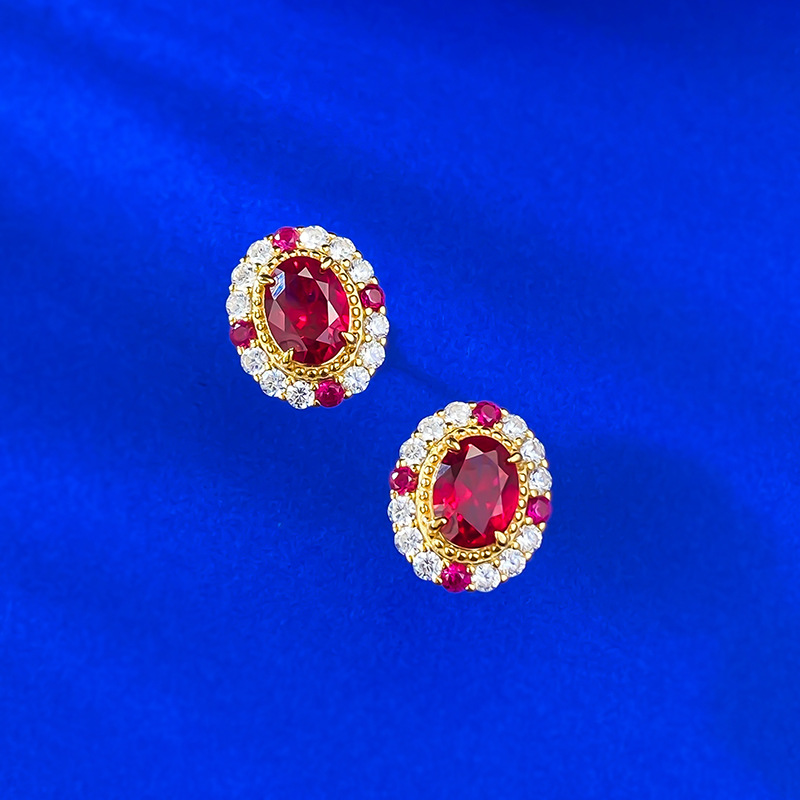
Jewelry Warranty Comparison Price Checklist for Smarter Buying
A ring or necklace is only part of the purchase. Protection matters too. A smart Jewelry Warranty Comparison price checklist helps you weigh the sticker price against the real cost of owning the piece. That matters whether you're buying an engagement ring, a wedding band, diamond studs, or a pendant you wear every day.
Many shoppers focus on carat weight, metal, and setting style, then skim past the warranty. That can get expensive later. Prong tightening, resizing, stone resetting, and polishing all cost money. A plan that looks cheap can end up costing more if it skips routine care or tacks on fees for every claim.
This Jewelry Warranty Comparison price checklist gives you a clear way to compare side by side. You'll see what's included, what's excluded, how claims work, and whether the plan fits your life. The goal is simple: Buy With Confidence and avoid surprise repair bills later.
What a Jewelry Warranty Should Include
A good warranty explains what it covers, how long it lasts, and what you need to do to keep it active. The best policies read like a real service agreement, not a vague promise.
Core coverage items to compare
Start your Jewelry Warranty Comparison price checklist with these basics:
- Coverage length: 1 year, 2 years, lifetime, or a set term
- Repair coverage: manufacturing defects, loose stones, broken clasps, or setting issues
- Maintenance services: cleaning, polishing, inspection, and stone checks
- Resizing terms: whether one resize is included or billed separately
- Replacement terms: repair first, replacement only in certain cases, or store credit
- Eligibility rules: required inspections, purchase windows, or proof of ownership
Manufacturer warranties usually cover defects in materials or workmanship. Retailer warranties may include more service options, such as free inspections or discounted repairs. Extended protection plans often add broader service coverage, but they can also come with deductibles, claim limits, and more exclusions.
GIA recommends regular inspection for fine jewelry, especially rings worn daily, because worn prongs and loose settings can lead to stone loss. Customers who skip inspections usually spend more on repairs later.
Common exclusions to read closely
A warranty only helps if you know what it leaves out. Most standard jewelry warranties do not cover:
- Loss or theft
- Accidental damage from impact, bending, or crushing
- Normal wear and tear on prongs, bands, chains, or clasps
- Third-party repairs done outside approved service channels
- Neglect or improper care
- Chemical damage from harsh cleaners, chlorine, or gym use
Some plans offer separate replacement coverage for loss or theft, but that's not common in a standard warranty. If that protection matters to you, read the fine print Before You Buy. A plan can sound broad and still leave the biggest risks uncovered.
Jewelry Warranty Comparison Price Checklist: Features That Matter
A strong Jewelry Warranty Comparison price checklist looks past ads and compares the details that affect value. This is where shoppers separate a real deal from a costly one.
1. Coverage length and renewal terms
Start with the length of coverage. A one-year plan might work for a lower-priced fashion piece, but a fine diamond ring usually deserves longer support. Lifetime coverage can sound ideal, but check whether it requires annual inspections or proof of care.
Ask these questions:
- Does coverage end after a fixed term?
- Can it be renewed?
- Does renewal cost extra?
- Does the warranty stay valid after resizing?
2. Repair limits and replacement rules
Some plans cap the number of repairs per year. Others cap the dollar amount per claim. A few require the retailer to repair the item before replacement is considered.
Compare these details:
- Maximum claim value
- Number of claims allowed
- Whether replacement is equal-value or store-specific
- Whether a damaged center stone is replaced with the same grade or a comparable stone
That matters a lot for a diamond ring. A 1.00-carat center stone with a near-colorless grade can cost several thousand dollars, depending on cut, clarity, and shape. If the warranty only covers part of the repair, the gap can be large.
3. Maintenance services that can save money
Routine service is one of the biggest value drivers in a jewelry warranty comparison price checklist. Look for these maintenance items:
- Ring resizing
- Prong tightening
- Stone setting checks
- Clasp repair
- Chain soldering
- Rhodium plating for white gold
- Professional cleaning and polishing
These services are especially useful for engagement rings and wedding bands, which get heavy wear. Industry jewelers often recommend periodic inspection because daily friction can loosen prongs over time. A small maintenance visit may prevent a costly lost-stone repair.
4. Claim process and service timing
A low-cost warranty can still be frustrating if the claim process is slow or expensive.
Review:
- How claims are filed — online, by phone, or in store
- What documents are required — receipt, certificate, photos, appraisal, or inspection records
- Turnaround time — days, weeks, or longer
- Shipping costs — prepaid labels or customer-paid shipping
- Service fees — deductibles, inspection fees, or handling charges
If a retailer requires regular inspections, missing one can void coverage. Some plans also require service through the original seller, which can be inconvenient if you move or shop online.
5. Retailer, manufacturer, or extended plan?
Here’s a quick side-by-side comparison:
| Warranty Type | Typical Coverage | Common Benefits | Common Limits |
|---|---|---|---|
| Manufacturer warranty | Defects in materials or workmanship | Reliable defect coverage, often included | Usually narrow, excludes wear and damage |
| Retailer warranty | Defects plus selected maintenance | May include cleaning, inspection, resizing | Terms vary a lot by retailer |
| Extended protection plan | Broader service options, sometimes accidental damage | More flexible support, longer terms | Often has deductibles, exclusions, or claim caps |
A well-built jewelry warranty comparison price checklist should make these differences clear before checkout.
6. A simple side-by-side checklist
Use this quick list Before You Buy:
- What does the warranty cover?
- What does it exclude?
- Is resizing included?
- Are prong checks and inspections covered?
- Are cleaning and polishing included?
- Is there a deductible or service fee?
- Are shipping charges covered?
- How fast are repairs completed?
- Is coverage transferable?
- Can the plan be canceled?
If two warranties look similar, the claim process and maintenance terms usually decide the winner.
Price vs. Value: How to Compare Warranty Costs
A low warranty price doesn't always mean better value. A high price doesn't always mean stronger protection. The real question is whether the plan fits your jewelry and your budget.
Your jewelry warranty comparison price checklist should weigh upfront cost against likely repair and maintenance expenses over time.
Build your total ownership cost
Use this formula:
Purchase price + warranty price + likely maintenance costs = total ownership cost
Example:
- Ring price: $2,500
- Warranty price: $180
- Expected maintenance over several years: $150
- Total estimated ownership cost: $2,830
Now compare that to a ring with a $90 warranty that excludes resizing, polishing, and stone checks. If you pay for those services later, the lower-priced plan may cost more overall.
Typical cost ranges to keep in mind
Prices vary by retailer and region, but shoppers often see:
- Basic warranty plans: about $50 to $150
- Stronger protection plans: about $150 to $400+
- Common out-of-warranty repairs:
- Ring resizing: often $40 to $150+
- Prong retipping: often $60 to $200+
- Stone tightening: often $25 to $100+
- Cleaning and polishing: often $0 to $75+
- Chain soldering or clasp repair: often $30 to $120+
These ranges can shift with metal type, gemstone size, setting complexity, and whether the item needs bench work or stone replacement. Platinum and intricate pavé settings often cost more to repair than simple gold designs.
When lower cost is the better value
A lower-priced warranty may be the smarter pick if:
- The jewelry is worn only sometimes
- The piece is simple and easy to repair
- You already have separate insurance for loss or theft
- The warranty includes the services you need
- There are no hidden inspection or shipping fees
When a higher-priced plan can pay off
A more expensive warranty may be worth it if:
- The item is an engagement ring worn every day
- The setting has multiple small stones
- You want resizing or inspection included
- The retailer has a strong service reputation
- The plan covers more repair situations and has clear claim rules
For high-value pieces, a stronger jewelry warranty comparison price checklist can show that a higher upfront price is actually lower risk.
Simple scoring method
Try this quick scoring system:
- Coverage depth: 1–5 points
- Claim ease: 1–5 points
- Maintenance included: 1–5 points
- Repair limits: 1–5 points
- Total price: 1–5 points, with more points for better value
Add the scores, then compare totals across retailers. The best option is usually the one that balances price, coverage, and convenience.
Buyer Benefits and Risk Reduction
The right warranty does more than save money. It protects the emotional and financial value of the jewelry you're choosing.
A careful jewelry warranty comparison price checklist helps reduce the risk of surprise repairs, especially for pieces with delicate settings or daily wear.
Why protection matters for different jewelry types
- Engagement rings: exposed prongs and center stones need regular checks
- Wedding bands: daily wear can cause scratches, thinning, and finish loss
- Earrings: posts, backs, and clasps can loosen or bend
- Necklaces: chains and clasps often need repair over time
- Bracelets: hinges, links, and closures can wear out with frequent use
For engagement rings, peace of mind is often the biggest reason to buy coverage. A missing stone or loose mounting can be expensive and stressful. For gifts, a strong warranty makes the purchase feel more secure. It also helps if the recipient may need sizing or service after the first sale.
Resale and long-term wearability
A documented service history can support resale confidence. Buyers often feel better about a ring or fine jewelry piece that has been inspected, maintained, and repaired through authorized service channels.
A warranty can also improve wearability over time. Regular inspection, cleaning, and upkeep keep the piece looking polished and structurally sound.
Customer Considerations Before You Buy
Before you finish the purchase, match the warranty to the way you'll actually wear the jewelry.
Lifestyle and sizing needs
If you work with your hands, exercise often, or travel a lot, your jewelry may face more stress. Daily wear increases the need for inspections and possible resizing. If your fingers change size with the seasons, a resize benefit can be useful.
Learn about ring sizing if fit is one of your main concerns. A proper size reduces strain on the shank and helps keep the ring secure.
Care rules that can affect coverage
Some warranties require routine care to stay valid. That may include:
- Annual or semiannual inspections
- Authorized cleaning only
- No third-party repairs
- Original paperwork kept on file
- Prompt reporting of damage
Store jewelry separately in a soft-lined box or pouch. Remove rings before heavy lifting, gardening, gym workouts, or exposure to harsh chemicals. Even if the warranty covers repairs, prevention is still the better move.
Lab-grown diamonds and fine settings
Lab-grown diamond jewelry often has the same structural care needs as mined diamond jewelry. The setting, not just the stone, drives repair risk. If you're comparing pieces, shop our lab-grown diamonds and review the warranty details on each eligible style.
Fine metal settings, especially pavé, halo, and tension-inspired designs, may need more frequent checks because small stones and thin prongs can loosen over time. Ask whether the warranty covers inspection intervals and stone security checks.
If you're still deciding between styles, explore our engagement rings to compare eligible designs, protection options, and purchase terms.
Jewelry Warranty Comparison Price Checklist FAQs
What should I look for in a jewelry warranty before buying an engagement ring?
Focus on coverage length, included repairs, exclusions, claim rules, and whether resizing or stone tightening is covered. A strong jewelry warranty comparison price checklist should also help you compare the warranty price against likely maintenance costs. For an engagement ring, regular inspection and simple claim rules matter almost as much as the purchase price. If the ring will be worn every day, ask how often the retailer recommends service and what happens if you miss an inspection.
Is an expensive jewelry warranty worth it for fine jewelry?
It can be worth it if the plan includes useful services like resizing, cleaning, inspections, and repair support. The best choice depends on how often the jewelry will be worn and how much coverage you actually need. A higher price only makes sense if the added protection saves money or reduces hassle. For higher-value pieces, compare the total ownership cost instead of focusing on the monthly or one-time fee.
Does a jewelry warranty cover lost or stolen jewelry?
Most standard jewelry warranties do not cover loss or theft, even if the plan sounds broad. Some protection plans may offer separate replacement coverage, but that's different from a basic warranty. Always check the exclusions Before You Buy. If loss coverage matters to you, ask whether you need a separate insurance policy through a specialty carrier.
How do I compare jewelry warranty prices between retailers?
Compare the upfront warranty fee, deductible or service fees, what repairs are included, claim limits, and any required maintenance visits. A lower price is not always a better deal if the coverage is thin or the claims process is slow. Use a jewelry warranty comparison price checklist so you can compare value, not just price. It also helps to factor in likely repair costs for resizing, prong work, and cleaning.
Can a jewelry warranty be transferred or canceled?
Some warranties are transferable or cancelable, but the rules vary by retailer and plan. Review the policy before purchase if you expect to gift, sell, or upgrade the jewelry later. Transferability can add value, especially for heirloom-style pieces. If you're unsure, ask for the transfer and cancellation terms in writing before checkout.
Shop with Confidence
The best jewelry purchase is the one that fits your budget, your style, and your level of protection. Use a jewelry warranty comparison price checklist to compare coverage, costs, and service terms Before You Buy, so you know exactly what you're getting.
Ready to choose a piece with clear warranty details and lasting value? Browse our jewelry collection, explore our engagement rings, or try our ring builder to compare eligible styles and shop now. If you need help reading coverage terms or choosing the right protection plan, contact our jewelry experts for guided support. Best-selling styles and easy checkout make it simple to Buy with Confidence today.
Ready to Find Your Perfect Diamond?
Explore our collection of certified lab-grown diamonds
Shop Diamonds